
Death Valley rewards a mix of short walks, scenic drives, and time spent simply looking at the landscape. Its famous salt flats and dunes are only part of the experience: colorful hills, canyon walls, and mountain viewpoints give each stop a different feel. Pick a few nearby highlights each day, allow more driving time than the map suggests, and let current weather and road conditions set the pace.
Start with the Signature Landscapes
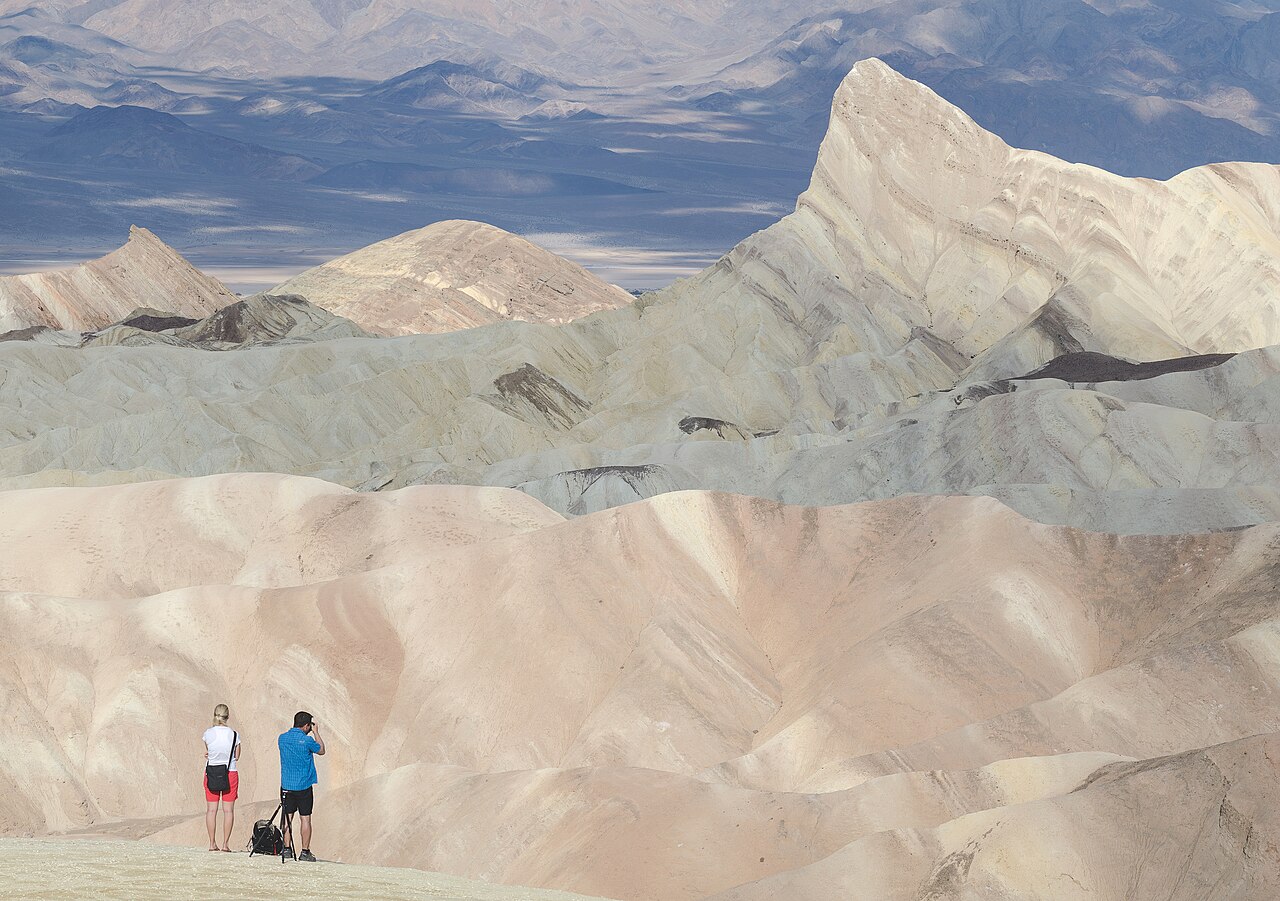
Badwater Basin, the lowest point in North America, is an essential first stop for understanding Death Valley's scale. View the salt flats from the designated access area, and extend your walk only when conditions support it. Zabriskie Point offers a different perspective, with folded badlands reached by a short, uphill paved walk.
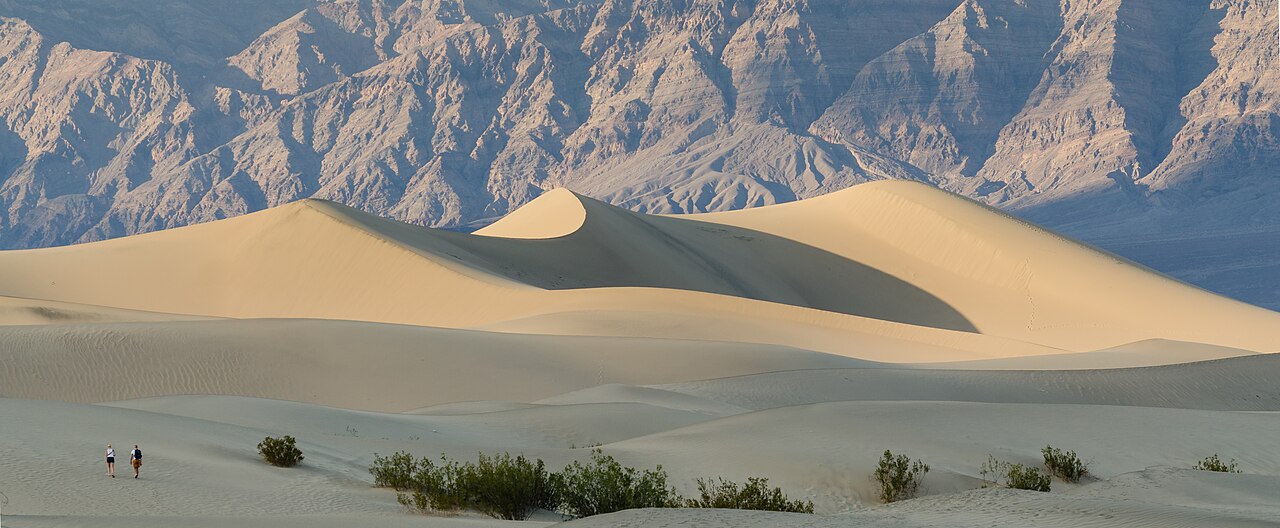
Mesquite Flat Sand Dunes near Stovepipe Wells are another classic experience. You do not need to reach the tallest dune to appreciate the curves, shadows, and mountain backdrop. Early or late light is appealing for photography, but temperature and available daylight should guide your timing. Follow posted resource-protection guidance, and leave salt formations, rocks, and other natural features undisturbed.
Choose a Canyon Walk and a Scenic Drive
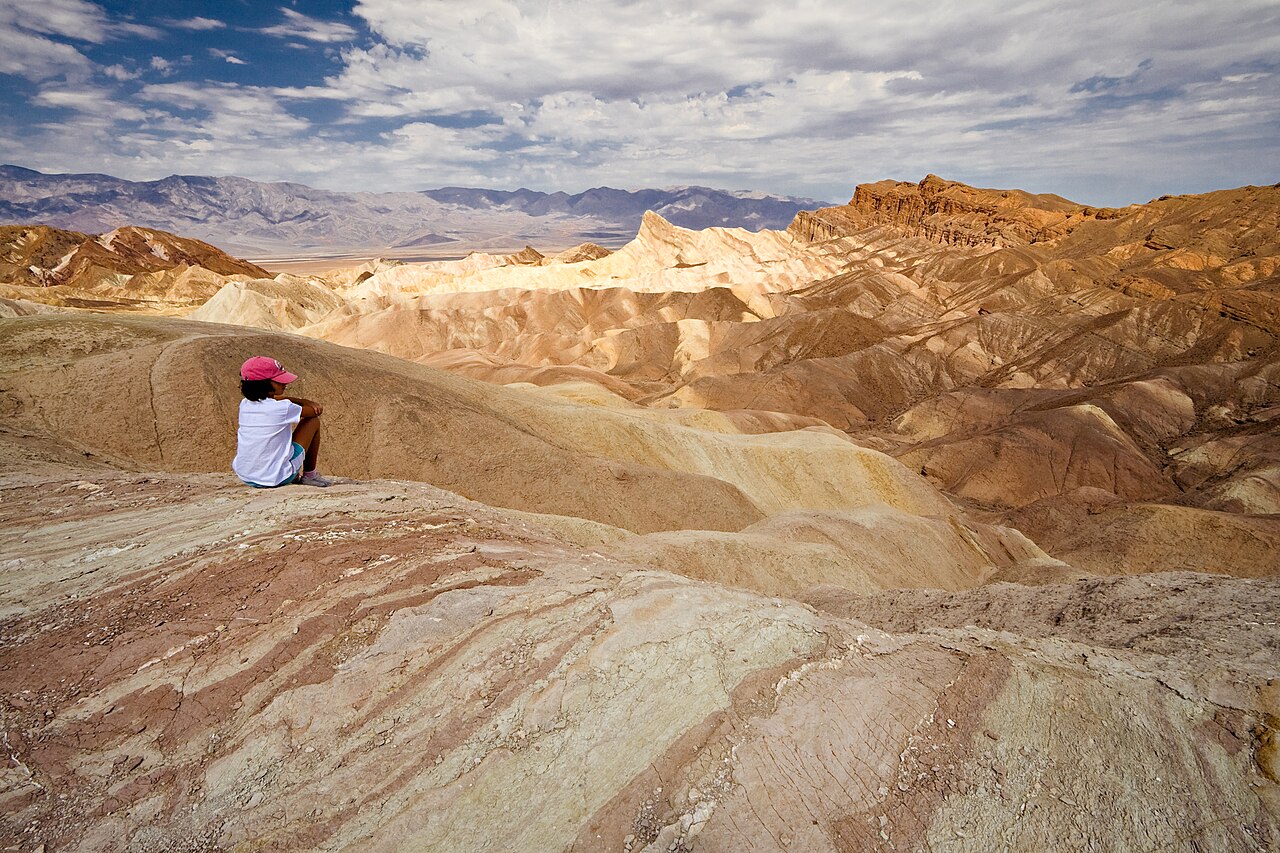
Golden Canyon is a well-known option for walking among colorful canyon walls, with the flexibility to turn around before committing to a longer route. Carry a map and understand your planned route; connecting trails can make an outing much longer than a simple out-and-back. Avoid canyon hikes when storms or flash-flood concerns are present.
Artists Drive pairs well with stops along Badwater Road, including the colorful slopes around Artists Palette. The road is paved and one-way, with vehicle-length restrictions that matter for RV travelers. Dante's View provides an elevated panorama when the road is open and weather allows. Check current NPS road information before departure, especially for larger vehicles or trips following storms.
Look for Wildlife Without Chasing It
Death Valley is a living desert, though wildlife often stays out of sight during the hottest parts of the day. You may notice birds, lizards, tracks in sand, or distant larger animals. Use binoculars, keep your distance, and never feed wildlife. Quiet observation from an established trail or viewpoint is more appropriate than following an animal across fragile ground.
Water is scarce and ecologically important here, not a dependable recreation feature. Do not plan on swimming, wading, or finding surface water for your trip. Springs and wet areas may have access restrictions or sensitive habitat. Temporary water after storms can coincide with damaged roads and closures, so check official NPS guidance rather than following social-media reports.
Keep Family Days Short and Varied
For families, a few contrasting stops usually work better than a long checklist. Pair a short dune exploration with a viewpoint and time at the Furnace Creek Visitor Center, if open. Ask about the Junior Ranger program and current family-friendly activities. Children can look for animal tracks, compare rock colors, or sketch the shapes they see without collecting natural objects.
Keep walks flexible and carry drinking water, snacks, sun protection, and layers for everyone. Sand and exposed ground can become very hot, and shade is limited at many famous stops. Avoid treating a short distance as automatically easy. Check trail surfaces and accessibility details through NPS when traveling with a stroller or someone with mobility needs.
Use Rainy Days for Replanning, Not Canyon Exploring
Rain changes the plan in Death Valley because flash flooding can affect canyons, washes, and roads. A storm does not need to be directly overhead to create problems downstream. Skip canyon outings during flood concerns, obey closures, and never drive through floodwater. If officials advise staying put or changing your route, let that guidance override your itinerary.
The Furnace Creek Visitor Center can provide an indoor alternative when open and reachable, with exhibits and current trip information. Otherwise, a quiet day at your lodging may be more practical than searching for a distant attraction. Download maps before arrival, monitor official alerts when service is available, and resume sightseeing only on routes confirmed open.