
Death Valley glamping is less about one standard accommodation style and more about finding the right balance of desert atmosphere and practical comfort. Around the gateway region, listings may include furnished tents, cabin-style stays, or parked trailers, but availability and amenities vary widely. Focus first on reliable heating or cooling, bathroom access, and the drive to your planned sights, then decide how much of an outdoor camping feel you want.
What Glamping Looks Like Around Death Valley
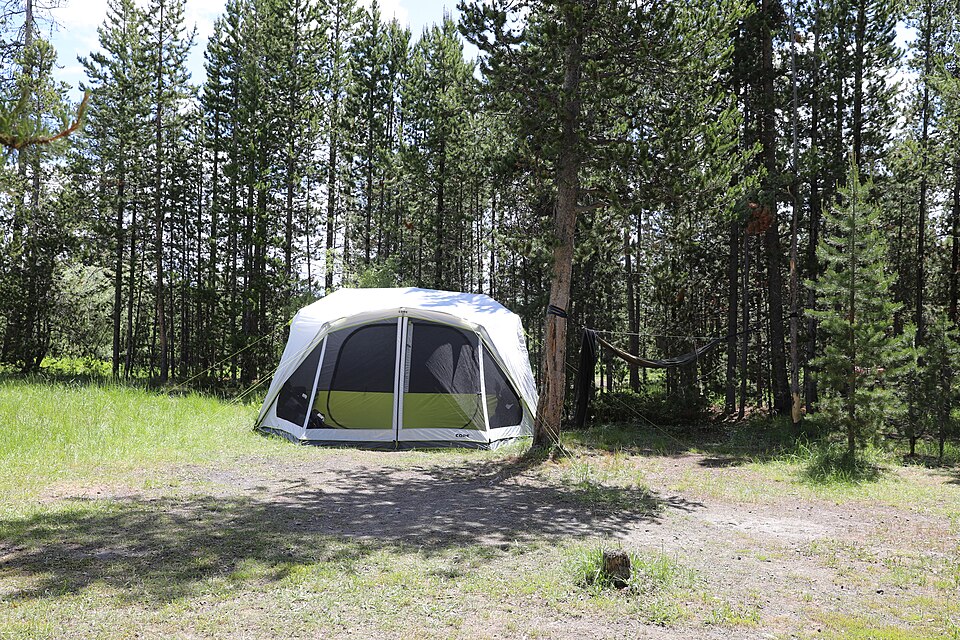
Treat glamping as a listing description, not a promise of particular facilities. A furnished tent might provide a real bed but require a walk to shared bathrooms; a parked trailer might include a kitchenette but have limited water or power. Cabin-style lodging may be more comfortable while feeling less like camping. Confirm each feature directly before reserving.
For Death Valley, the most important questions concern effective climate control, potable water, bathroom arrangements, and access roads. Ask whether heating or cooling runs continuously or depends on limited generator hours. Check bedding, cooking equipment, parking, and cancellation terms as well. Photos of a scenic deck do not tell you how comfortable an accommodation will be during wind, cold, or heat.
Compare Gateway Areas Before Choosing a Stay
Beatty, Nevada, is an eastern gateway worth checking for accommodation options, while the Pahrump area can suit approaches from the Las Vegas region. Lone Pine, California, works for travelers combining Death Valley with the eastern Sierra, though reaching the park's central sights involves substantial driving. Las Vegas offers a wider urban base but sacrifices the feeling of staying near the desert landscape.
Inside the park, established lodging and campgrounds are the main reference points; do not assume dedicated glamping units are available. Search by actual accommodation type and map the address before booking. A property marketed as near Death Valley may still mean a long drive to Badwater Basin or Furnace Creek. Verify road access through current NPS information.
Book for the Cooler Season, with Nighttime in Mind
October through April is generally the most practical window for a glamping-focused visit, though early fall and later spring can still be hot. Winter brings cold nights, particularly away from the lowest elevations. A comfortable bed is only part of the equation: insulation, reliable heat, and protection from wind matter just as much.
Reserve once your dates are firm if you want a particular accommodation style during holidays or spring travel periods. Availability outside the park does not guarantee that your preferred roads or activities will be accessible. Review cancellation policies and check the official NPS website for current conditions. Summer tent-style stays deserve particular caution; shade or a small fan is not equivalent to effective air conditioning.
Where to sleep
Harvest Hosts stays on the way to Death Valley National Park
Partner link · Harvest Hosts
Pack for Sun, Wind, and Limited Services
Bring refillable water containers, extra drinking water for travel, sun protection, sturdy shoes, and layers for cool evenings. A headlamp is useful even at furnished properties, where paths between your unit, bathroom, and parking area may be dark. Keep a downloaded map and a backup charging option rather than relying on consistent cellular reception.
Confirm what the host supplies before packing towels, bedding, cookware, or a cooler. Bring simple meals and snacks if restaurants or shops are a long drive away. Store food and trash as directed to avoid attracting wildlife. Do not assume campfires are allowed or that firewood is available; check property rules and applicable fire restrictions. Secure loose belongings before leaving them outside in desert wind.
Glamping vs. Camping vs. an RV
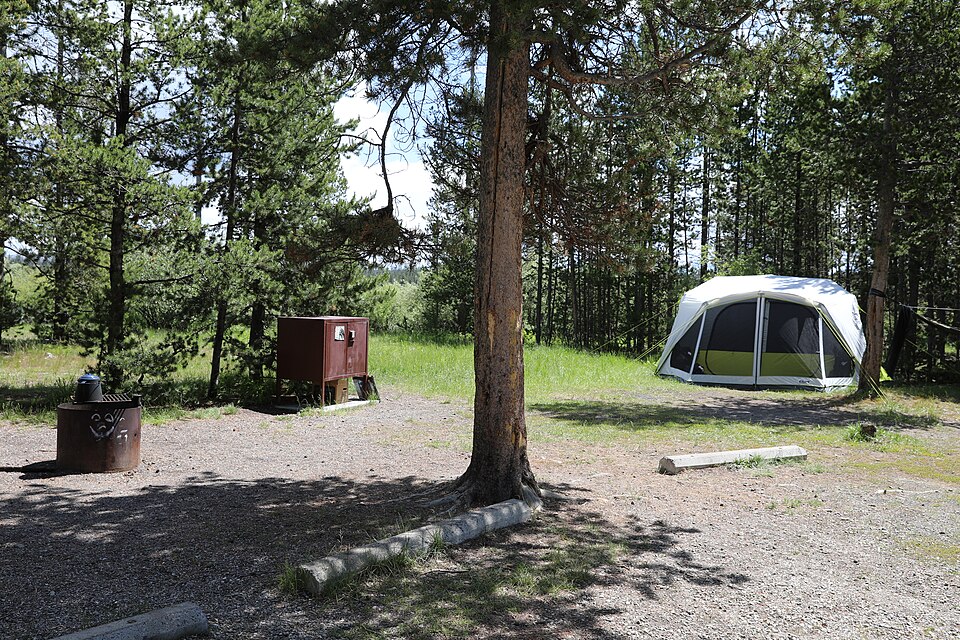
Glamping reduces setup and can provide a real bed, but it usually costs more than a basic campsite and may still involve shared facilities. Tent camping offers a simpler outdoor experience if you already have suitable gear and are prepared for wind, temperature swings, and limited services. Campground amenities and reservation systems vary, so compare individual locations rather than assuming a standard setup.
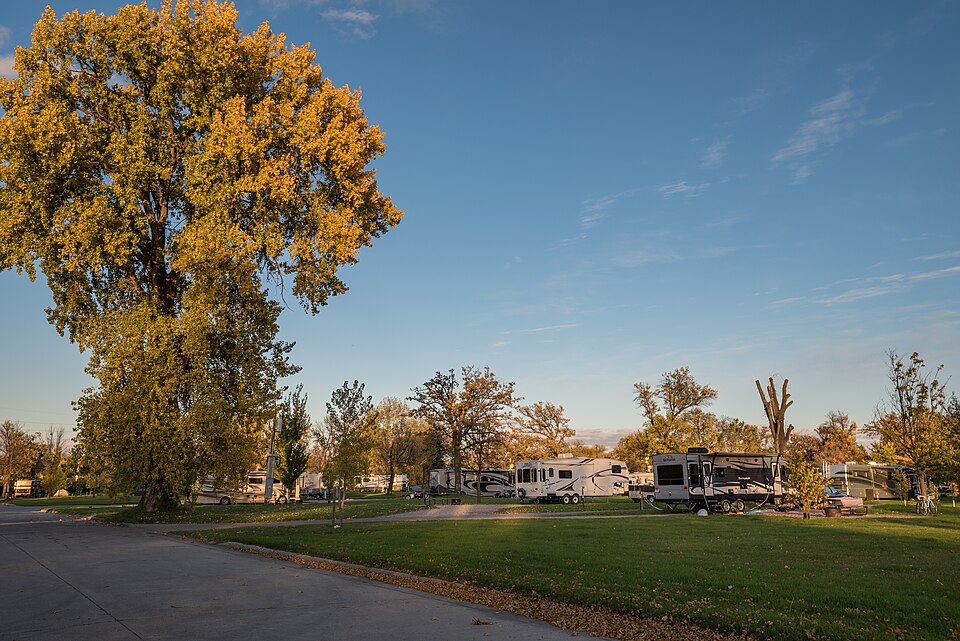
An RV adds shelter and storage, but cooling, heating, and water depend on hookups or your onboard systems. Road restrictions can also limit sightseeing routes. Compare rough total costs, including fuel, rental charges, campground fees, and cleaning fees, rather than nightly rates alone. Use official NPS campground and road pages to check current reservations, operating seasons, and vehicle restrictions.