
The best time to visit Death Valley is generally October through April, when cooler conditions make its salt flats, dunes, and desert viewpoints more approachable. Winter suits scenic drives and lower-elevation walks, while spring and fall offer longer daylight but can still bring serious heat. Choose your dates around the activities you want to do, rather than assuming every month in this broad window feels the same.
Spring: Longer Days and Possible Wildflowers
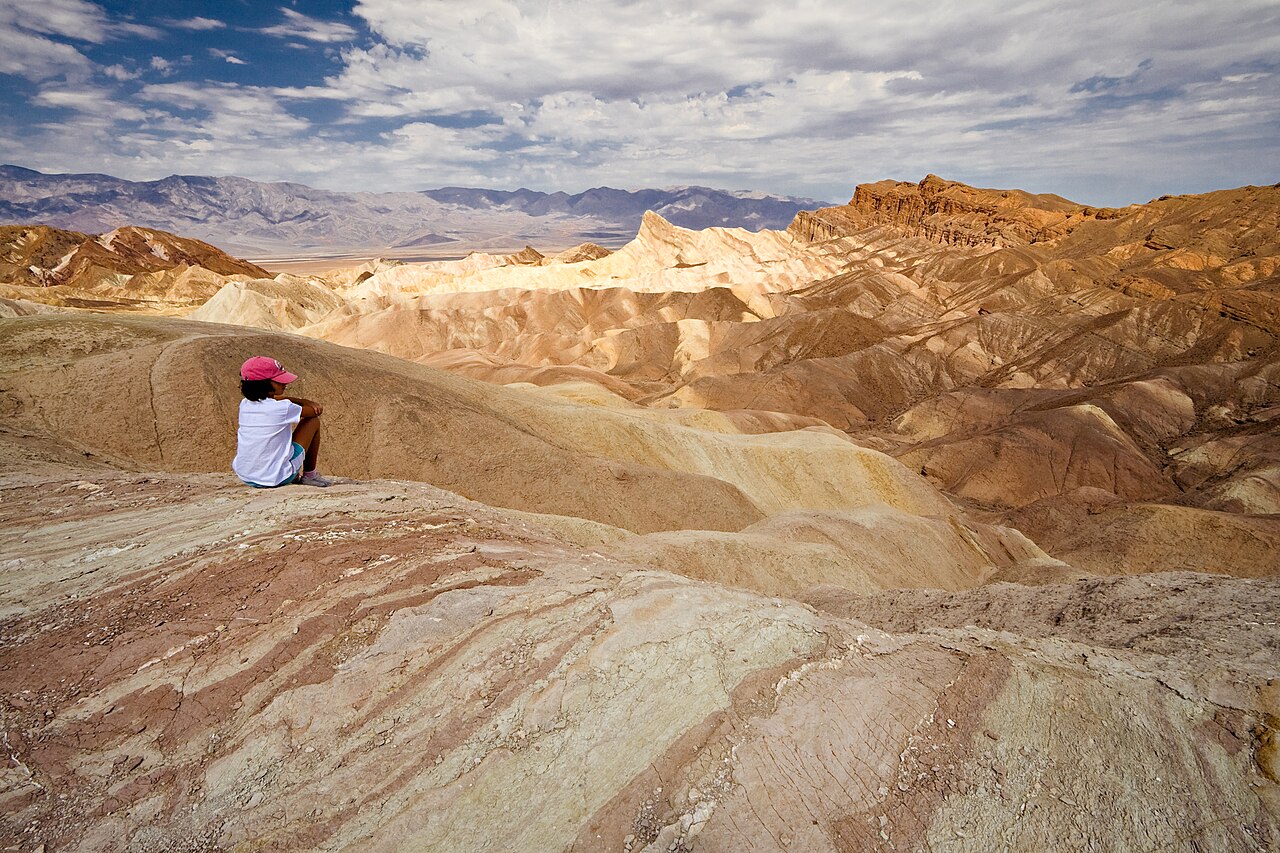
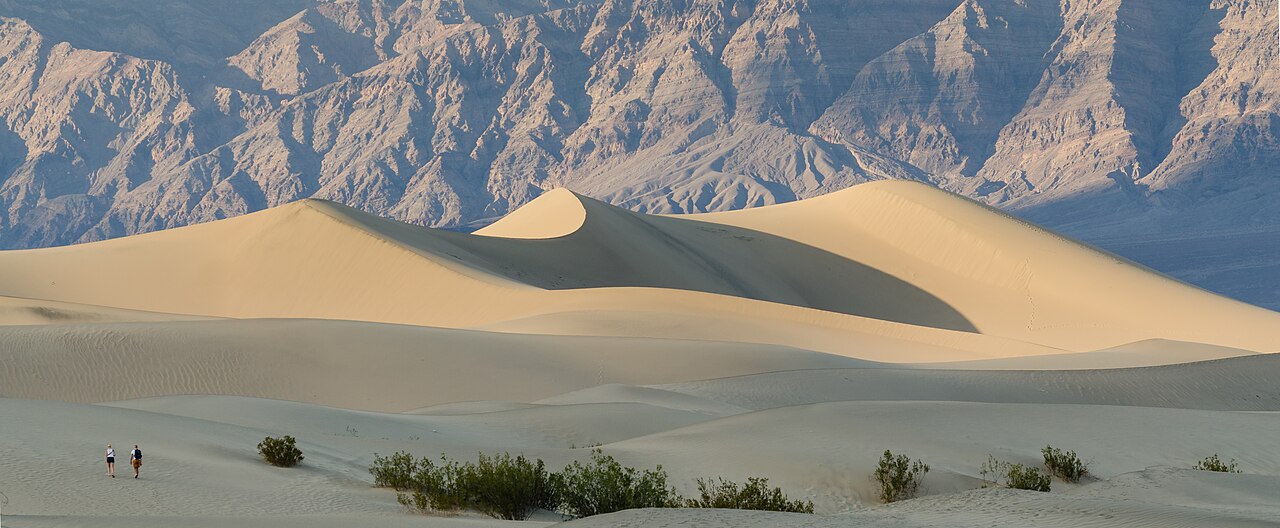
Spring brings longer daylight and appealing conditions for exploring lower elevations, especially earlier in the season. Badwater Basin, Mesquite Flat Sand Dunes, and Golden Canyon fit naturally into a spring visit, but afternoon heat becomes a bigger consideration as the season progresses. Plan walks early and leave room to shorten them.
Wildflowers depend on rainfall, temperatures, and other conditions; a widespread bloom is never something to count on. Spring breaks and flower interest can also increase demand for lodging and campsites. Book once your dates are firm, and use the official NPS website for current temperatures, road conditions, and any flower updates before building your trip around a particular area.
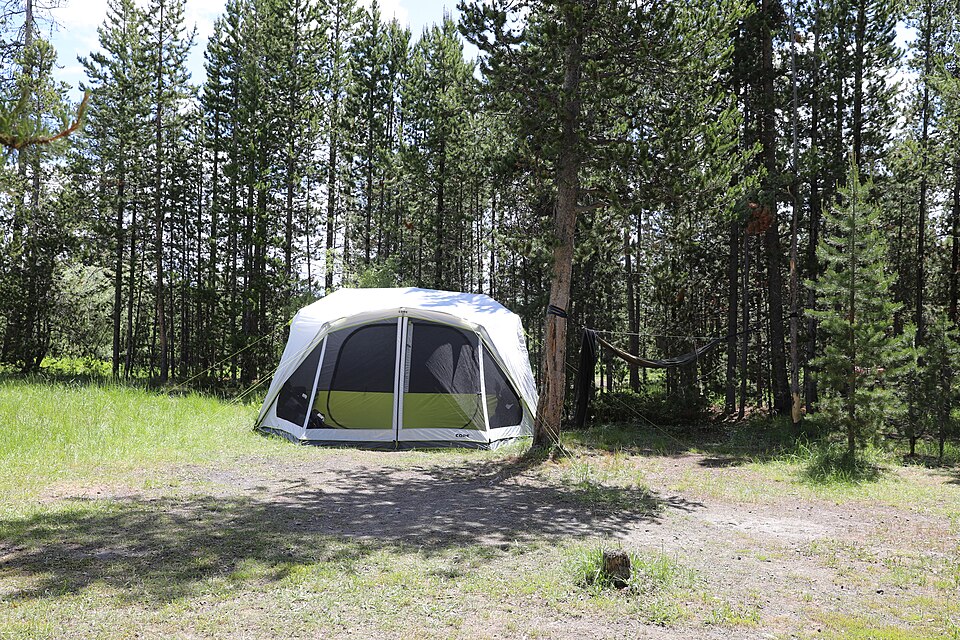
Lock in a stay for this season
RV parks near Death Valley National Park on RoverPass
Partner link · RoverPass
Summer: A Driving-Focused Visit with Major Limits
Summer in Death Valley brings extreme heat, especially on the valley floor. This is not a good season for a hiking-centered vacation, and lower visitor numbers should not be mistaken for easier travel conditions. Long walks on exposed salt flats or dunes can become dangerous, even when the distance looks modest on a map.
If summer is your only option, emphasize brief sightseeing stops near your vehicle and follow current NPS heat guidance. Carry ample drinking water, keep your vehicle maintained, and avoid leaving people or pets in a parked car. Higher viewpoints may feel cooler, but elevation alone does not remove weather risks. Check forecasts for each area rather than relying on one park-wide temperature.
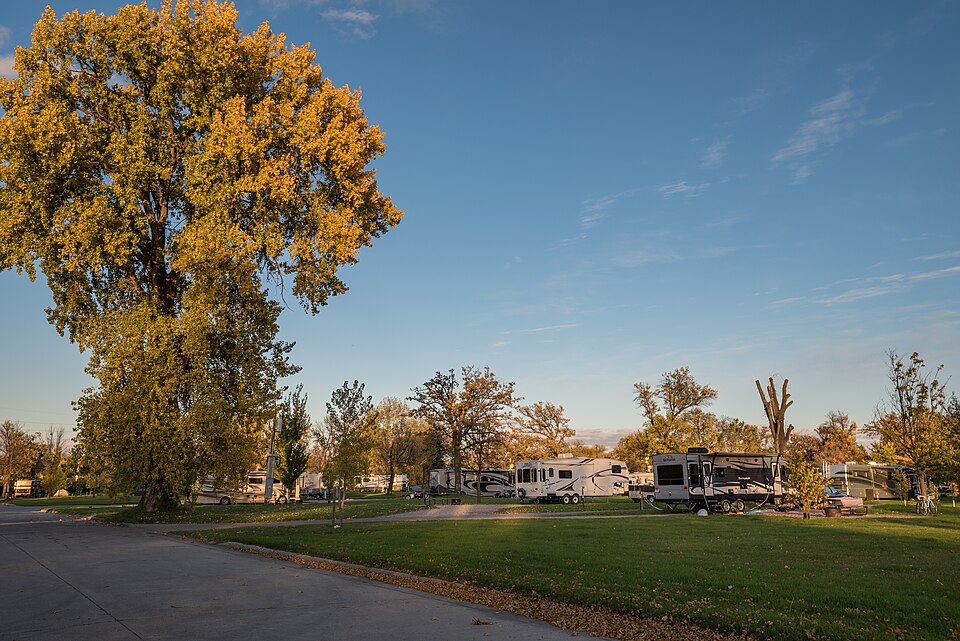
Lock in a stay for this season
Campsites near Death Valley National Park on Campspot
Partner link · Campspot
Fall: Better Conditions as the Season Progresses
Fall is a transition rather than an immediate escape from heat. Early fall can still feel intensely hot at low elevations, while later fall often works better for dune walks, canyon outings, and a two- to four-day road trip. Shortening daylight makes it worth organizing stops by location instead of crossing the park repeatedly.
For a first visit, combine an early outdoor activity with scenic drives and a comfortable midday break. Holiday periods and organized events can increase demand even when the park otherwise feels spacious. Reserve lodging or a reservable campsite ahead, and check the official NPS site for road damage or closures following storms. Desert routes can remain affected long after skies clear.
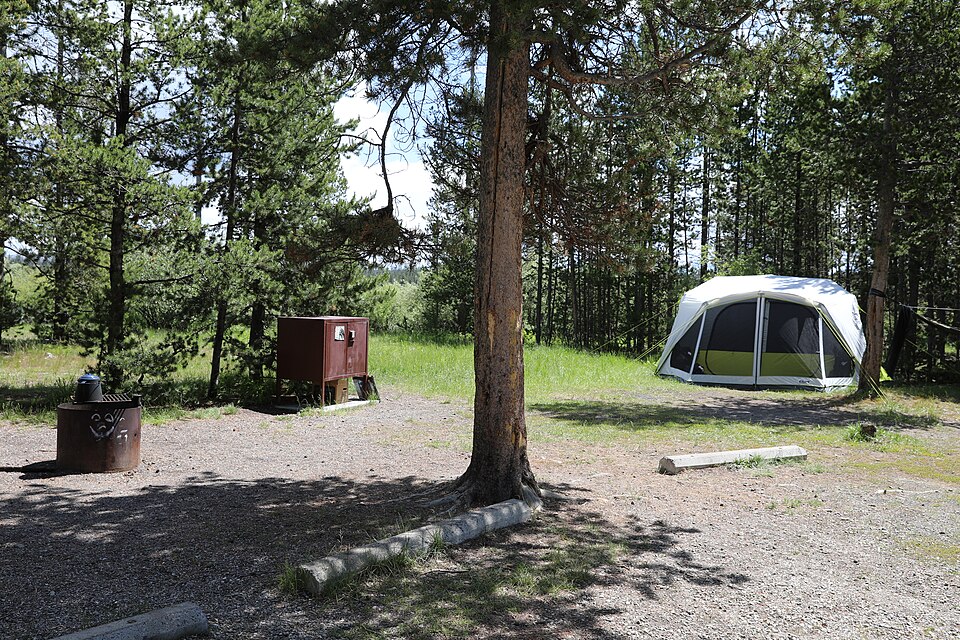
Lock in a stay for this season
Harvest Hosts stays on the way to Death Valley National Park
Partner link · Harvest Hosts
Winter: Comfortable Valley Days, Cold Nights
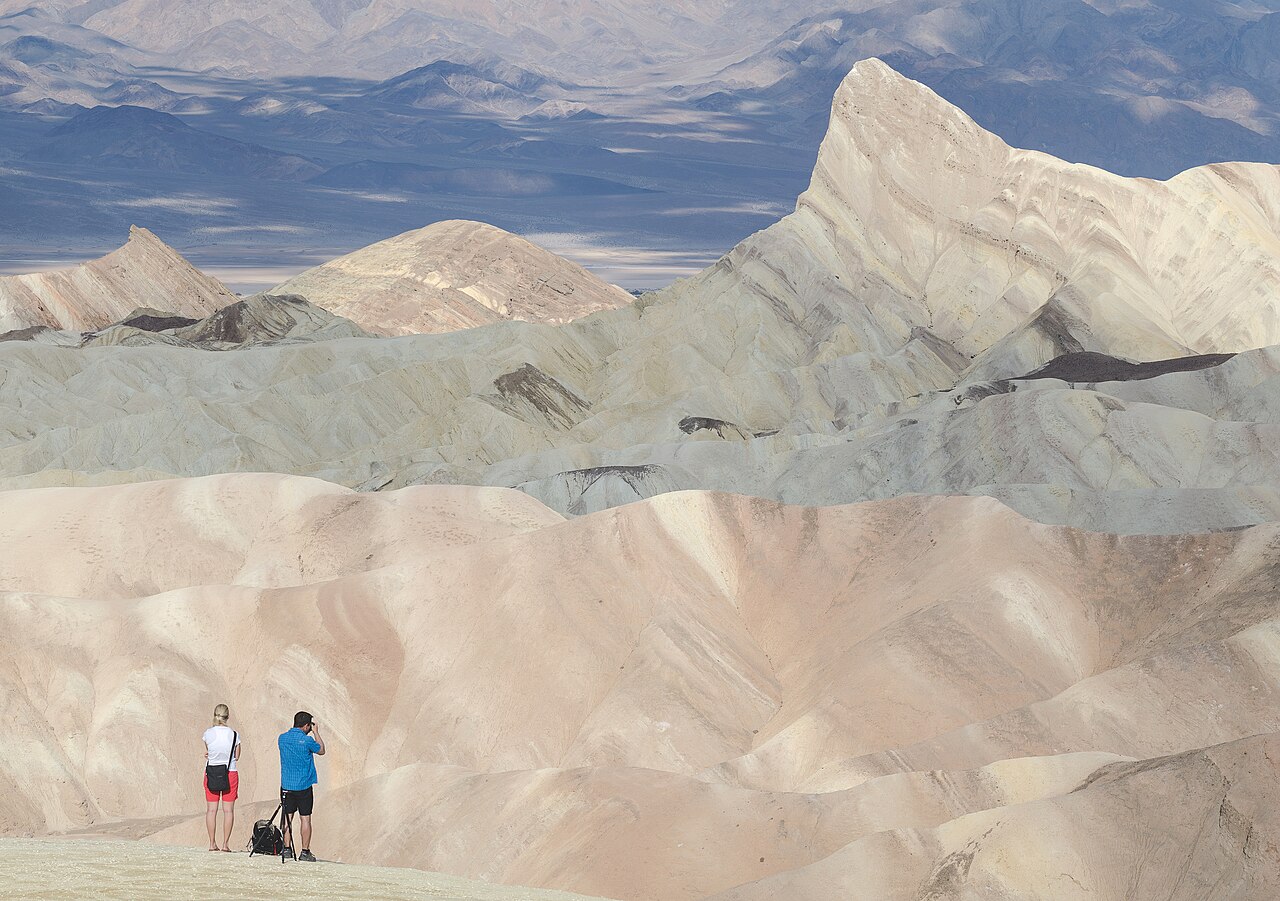
Winter is a strong choice for travelers who want scenic drives and lower-elevation walks without planning around summer heat. Badwater Basin and the dunes can be especially appealing in cooler conditions. Daylight is limited, however, so a relaxed itinerary usually works better than trying to cover distant corners of the park in one day.
Bring warm layers for mornings, evenings, and windy viewpoints. Higher elevations can experience freezing conditions, snow, or ice, and access may differ sharply from what you find on the valley floor. Winter storms can also affect roads and trails. Check the forecast and NPS alerts before driving toward higher viewpoints, and keep an alternative valley-level plan available.
Crowds and When to Make Reservations
The cooler months draw the most interest, with extra demand around holidays, spring breaks, and notable wildflower seasons. Popular viewpoints may feel busy even when the surrounding landscape looks empty. Starting early helps with parking and softer light, but it does not replace having an overnight plan in a park with long driving distances.
Reserve lodging and reservable campsites as soon as your travel dates are settled, especially for weekends in the cooler season. Campgrounds have different seasons and reservation arrangements, so do not assume every site can be booked or will be open. Use the official NPS website and its linked reservation pages for current rules, availability, entrance information, and conditions before departure.
More ways to book Death Valley National Park
 Illustrative · Tuxyso
Artist's Drive
One of the classic ways to experience Death Valley.
Varies (estimate)
Partner link · Viator