
This Death Valley itinerary groups the park's main sights into three manageable days, with an optional fourth day for a slower visit. It works best in the cooler months and assumes you have your own vehicle and overnight accommodation in or near the park. Driving distances are substantial, so treat each day's stops as a menu rather than a requirement, especially when weather, road closures, or shorter winter daylight affect your plans.
Day 1: Arrive and Get Oriented
Your airport starting point is Boulder City Municipal Airport (BLD), primarily a general-aviation airport rather than the usual commercial-flight gateway. The provided drive estimate is about 134 miles and 170 minutes; treat that as preliminary and verify the route to your actual lodging. Commercial flyers generally use Harry Reid International Airport in Las Vegas, which requires a separate route estimate.
After picking up supplies and checking road conditions, head toward your overnight base. Stop at the Furnace Creek Visitor Center if your route and its current hours allow. Add Zabriskie Point only if you have enough daylight and energy. Keep arrival day light rather than squeezing in a long hike after flying and driving.
Day 2: Badwater Basin and Colorful Canyons
Start early with Badwater Basin, allowing time to appreciate the salt-flat landscape without committing to a long exposed walk. Build the rest of the day around the Badwater Road corridor to limit backtracking. In suitable weather, add a short out-and-back in Golden Canyon, turning around before heat or fatigue becomes an issue.
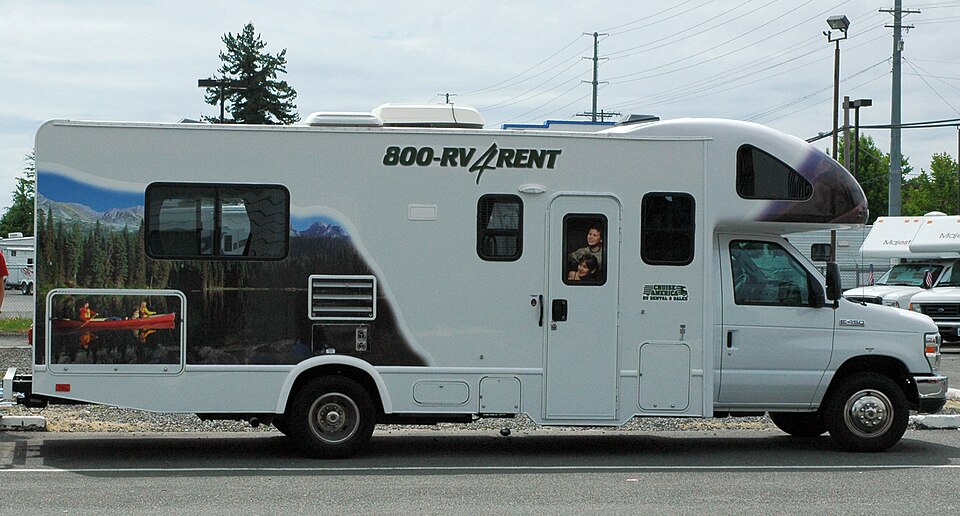
Include Artists Drive when open and appropriate for your vehicle; check its length restrictions before bringing an RV. Return to your base for a substantial break if the afternoon is warm. Travelers staying outside the park should account for the additional drive at both ends of the day. Carry lunch and drinking water rather than assuming food services will be nearby.
Day 3: Dunes and a Flexible Departure
Visit Mesquite Flat Sand Dunes near Stovepipe Wells early, when temperatures and light may be more favorable. Choose your own turnaround point rather than making the highest dune a mandatory goal. Walking in loose sand takes more effort than the same distance on pavement, and there is little shade.
Afterward, decide between another nearby stop and an unhurried departure based on your destination. Lone Pine lies west of the park, while Beatty provides an eastern gateway; Las Vegas departures need their own time allowance. These routes are not interchangeable, so check current conditions before choosing one. Avoid booking a tight flight connection after a full sightseeing day, especially when storms have affected regional roads.
Where to sleep
Harvest Hosts stays on the way to Death Valley National Park
Partner link · Harvest Hosts
Day 4: Add a Viewpoint or Simply Slow Down
With a fourth day, you can spread out the main sights instead of extending every drive. Consider Dante's View if the road is open, your vehicle meets current restrictions, and the weather is suitable. Its higher elevation can mean colder, windier conditions than the valley floor, so bring layers even when your base feels warm.
Another option is to revisit a favorite landscape in different light or take a short walk recommended by rangers for current conditions. Avoid turning the extra day into an automatic remote-road expedition. Many backcountry routes require suitable vehicles, preparation, and up-to-date information. For a two-day trip, combine only a few highlights from Days 2 and 3 and leave out the optional additions.
Practical Tips for Bases, Budgets, and Supplies
Choose your overnight base before finalizing the route. Staying inside the park can reduce commuting, while Beatty, Lone Pine, and the wider gateway region offer different approaches with extra driving. Las Vegas works well as a flight gateway but is a long commute for repeated sightseeing days. Compare total travel time, not just the nightly rate.
A rough starting budget is around $185 per person per day, but lodging style, shared costs, fuel, and season can move the total considerably. Carry water and food, refuel before long stretches, and download offline maps. Check the official NPS site for entrance requirements, campground reservations, weather alerts, and road closures shortly before travel and again during your visit.
More ways to book Death Valley National Park
 Illustrative · Diego Angel
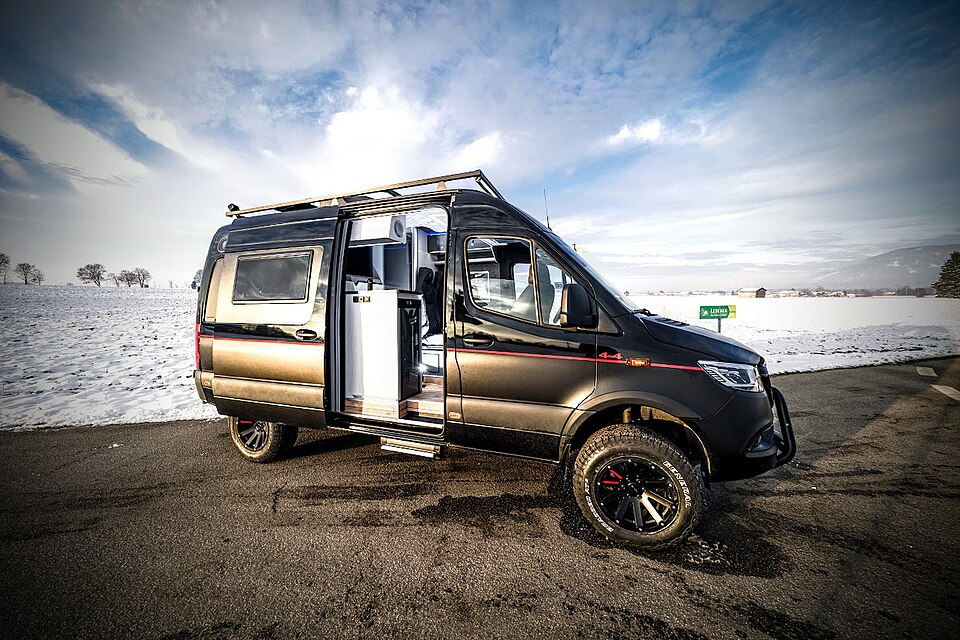
Sprinter Adventure Van
Small enough to park at the trailhead, comfy enough to sleep in.
$189/day (estimate)
Direct link · RVshare