
Chequamegon-Nicolet National Forest is a massive playground for outdoor enthusiasts, offering a diverse array of landscapes ranging from rolling hills and pine barrens to shimmering lakes and rushing rivers. Whether you are looking for a rugged backpacking adventure or a quiet afternoon of fishing with the family, the forest provides endless opportunities to reconnect with nature. Spanning across northern Wisconsin, this land is a testament to the beauty of the Northwoods, inviting visitors to explore its hidden corners and scenic vistas.
Hiking and Backpacking the North Country Trail
One of the premier things to do in Chequamegon-Nicolet National Forest is hiking a segment of the North Country National Scenic Trail. This massive trail system winds through the heart of the forest, offering everything from short afternoon strolls to multi-day backpacking treks. You can wander through stands of old-growth hemlock and cedar, crossing small wooden bridges over bubbling creeks. The terrain varies from flat, mossy lowlands to rocky ridges that offer glimpses of the surrounding canopy.
For those seeking a specific destination, the Morgan Falls and St. Peterâs Dome hike is a local favorite. The trail leads you to a delicate, 70-foot waterfall cascading down a rock face, followed by a steady climb to one of the highest points in the region. From the summit of St. Peterâs Dome, you can see all the way to Lake Superior on a clear day. Remember to wear sturdy boots, as the trails can be uneven and rocky. Always check the official Forest Service maps for trail closures or maintenance updates before you set out.
Book this experience
St. Croix National Scenic Riverway Paddling
Varies (estimate) · Partner link · Viator
Water Sports and Lake Exploration
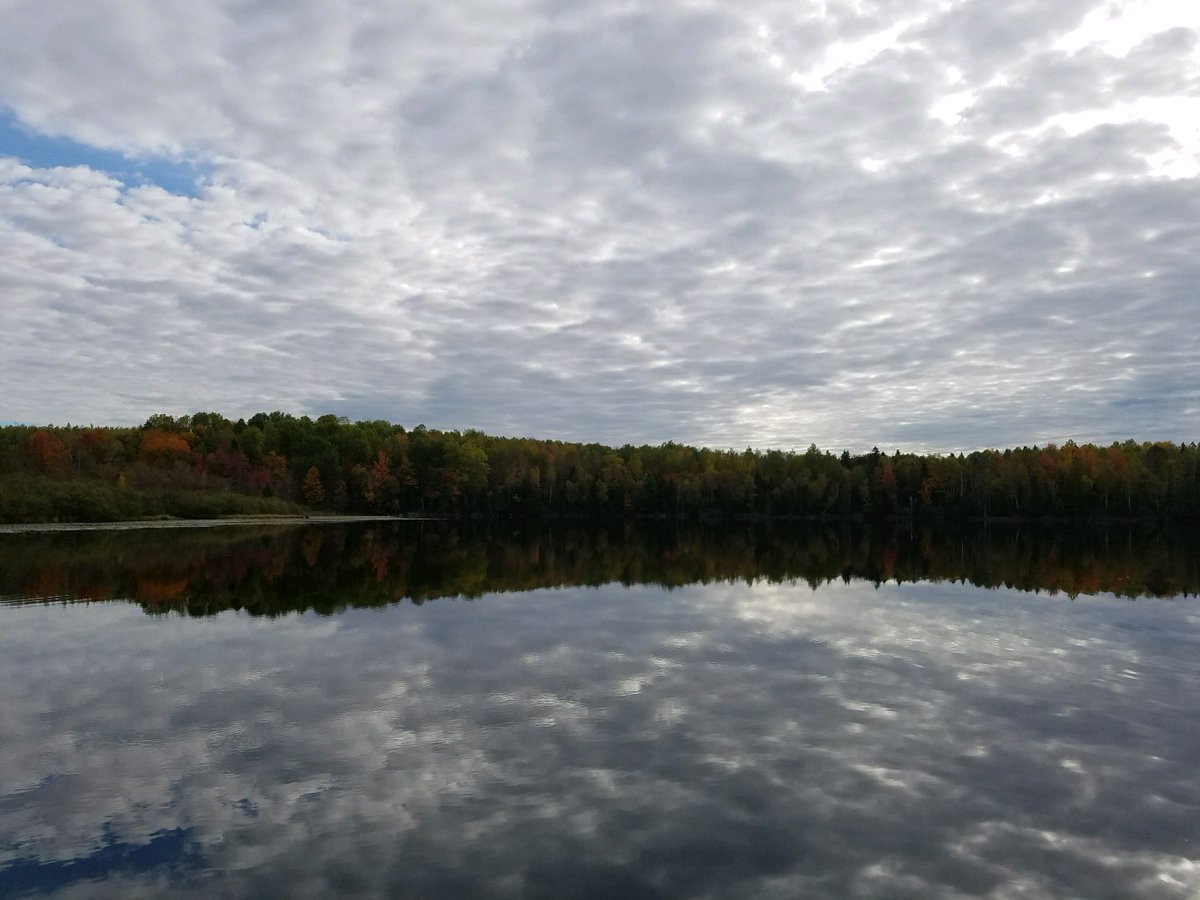
With hundreds of glacial lakes scattered throughout the forest, water recreation is a cornerstone of the Northwoods experience. Paddling a canoe or kayak on the quiet waters of the Whispering Pines or Butternut Lake offers a chance to see the forest from a different perspective. Many of the lakes are motor-free, ensuring a peaceful environment for watching loons or spotting a bald eagle soaring overhead. The clarity of the water is exceptional, making it a favorite for swimmers and snorkelers during the warm summer months.
Fishing is another major draw, with the forest's lakes and streams teeming with walleye, musky, northern pike, and bass. Whether you are casting from a boat or sitting on a quiet pier at dawn, the fishing culture here is deep-rooted. For a more moving water experience, the South Fork of the Flambeau River provides excellent opportunities for gentle tubing or more adventurous paddling through small rapids. Be sure to obtain the proper Wisconsin fishing licenses and check for any local boating regulations on the official state and forest websites.
Scenic Drives and Wildlife Viewing
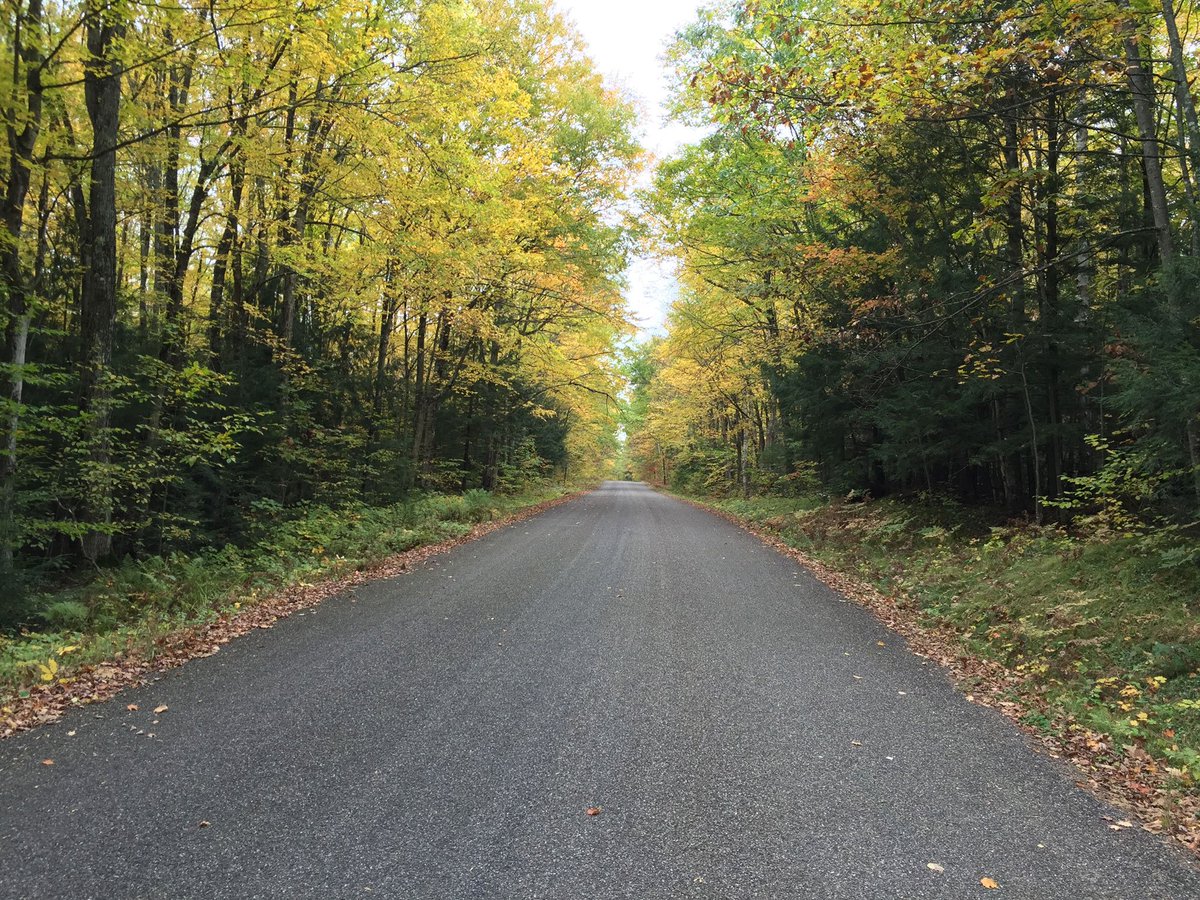
For those who prefer to see the forest from the comfort of their vehicle, the Great Divide National Scenic Byway offers nearly 30 miles of stunning vistas. This drive takes you through the heart of the Chequamegon side of the forest, passing through diverse ecosystems including pine barrens and hardwood forests. There are numerous pull-offs where you can stop to take photos, enjoy a picnic, or take a short walk to a scenic overlook. During the fall, this route is one of the best places in the state to witness the changing colors of the leaves.
Wildlife viewing is a year-round activity here. The forest is home to white-tailed deer, black bears, timber wolves, and a growing population of elk. Early morning and late evening are the best times to spot animals near the forest edges or crossing the roads. Birdwatchers will find the forest especially rewarding, with over 300 species recorded, including the rare Spruce Grouse and various migratory warblers. Always maintain a safe distance from wildlife and use binoculars or a long lens for the best viewing experience without disturbing the animals.
Family-Friendly Adventures and Recreation
Families will find plenty of accessible things to do in Chequamegon-Nicolet National Forest. Many of the developed campgrounds feature sandy swimming beaches with shallow entries, perfect for children. The Anvil Lake Trail is an excellent choice for families, offering a series of loops of varying lengths that are relatively flat and easy to navigate. Interpretive signs along several forest paths teach kids about the local ecology, the history of the logging industry, and the importance of forest conservation.
During the winter months, families can enjoy the sledding hills near the gateway towns or try their hand at ice fishing, a quintessential Wisconsin pastime. Many of the forest's recreation areas have sheltered picnic spots with grills, making it easy to spend a full day outdoors without having to head back to town for meals. For a unique educational experience, visit the forest's historic sites, such as the old logging camps or the Civilian Conservation Corps structures that helped shape the modern forest. Check the official park website for any scheduled ranger-led programs or family events during your stay.
Rainy Day Options and Nearby Attractions
If the weather takes a turn, there are still ways to enjoy the spirit of the Northwoods. The gateway cities of Ashland, Eagle River, and Rhinelander offer a variety of indoor attractions that complement your forest visit. You can explore local museums dedicated to the history of the timber industry, visit small art galleries featuring local wilderness photography, or stop by a traditional Wisconsin supper club for a hearty meal. These towns provide a warm, welcoming atmosphere and a chance to learn more about the human history of the region.
Another great rainy day activity is visiting the Northern Great Lakes Visitor Center near Ashland. The center features interactive exhibits on the natural and cultural history of the Lake Superior region, a theater, and an observation tower. Itâs an excellent resource for learning about the geology of the glacial lakes youâve been visiting. Before you head out on a rainy day, check the official Forest Service social media pages or website for alerts on road conditions, as heavy rain can occasionally make unpaved forest roads difficult to navigate for smaller vehicles.