
Choosing the best time to visit Chequamegon-Nicolet National Forest depends entirely on whether you prefer the lush canopy of a Wisconsin summer or the quiet, snow-dusted serenity of a Northwoods winter. With over a million acres spanning the northern third of the state, this massive forest offers distinct personalities across all four seasons, each requiring different gear and expectations. While summer is the most popular window for lake activities, the shoulder seasons offer their own rewards for those seeking solitude.
Summer Sun and Lake Life
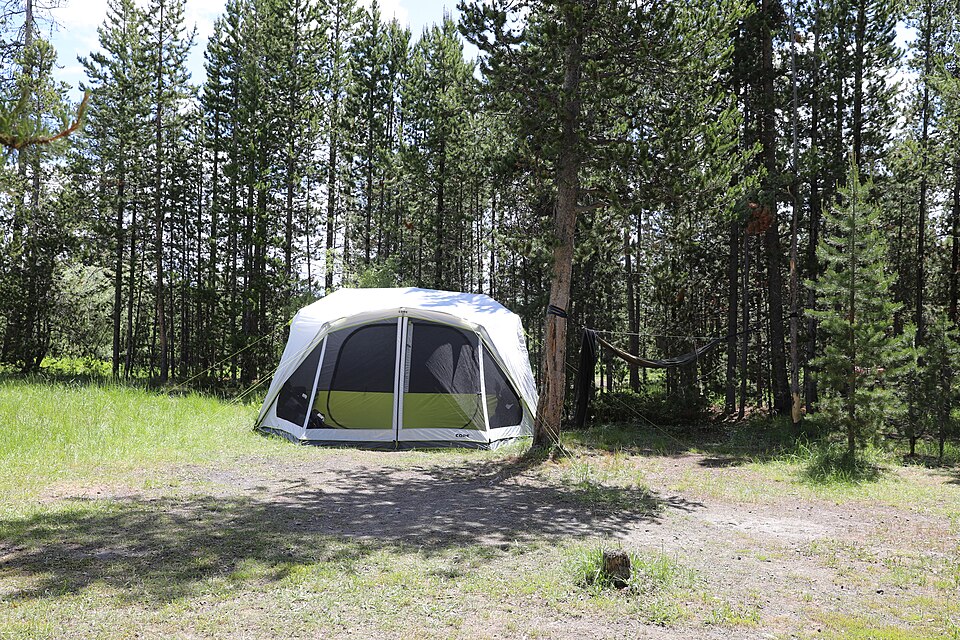
June through August is widely considered the best time to visit Chequamegon-Nicolet National Forest for traditional outdoor recreation. The weather is typically warm and pleasant, with daytime temperatures often resting in the 70s and 80s, perfect for swimming in the crystal-clear glacial lakes or paddling down the Namekagon River. This is the peak season for camping, meaning popular spots like the Boulder Lake or Chipmunk Rapids campgrounds fill up quickly.
Visitors should be prepared for the humidity and the buzzing insect life that defines a Midwestern summer. The dense canopy provides excellent shade for hiking, but you will want to pack plenty of repellent for the mosquitoes and black flies, especially near the wetlands. Evening lake breezes often provide a cooling relief, making this the ideal time for family gatherings around a campfire. Because this is the busiest time of year, it is vital to check the official National Forest website for reservation windows and site availability well in advance.
Lock in a stay for this season
RV parks near Chequamegon-Nicolet National Forest on RoverPass
Partner link · RoverPass
The Golden Glow of Autumn
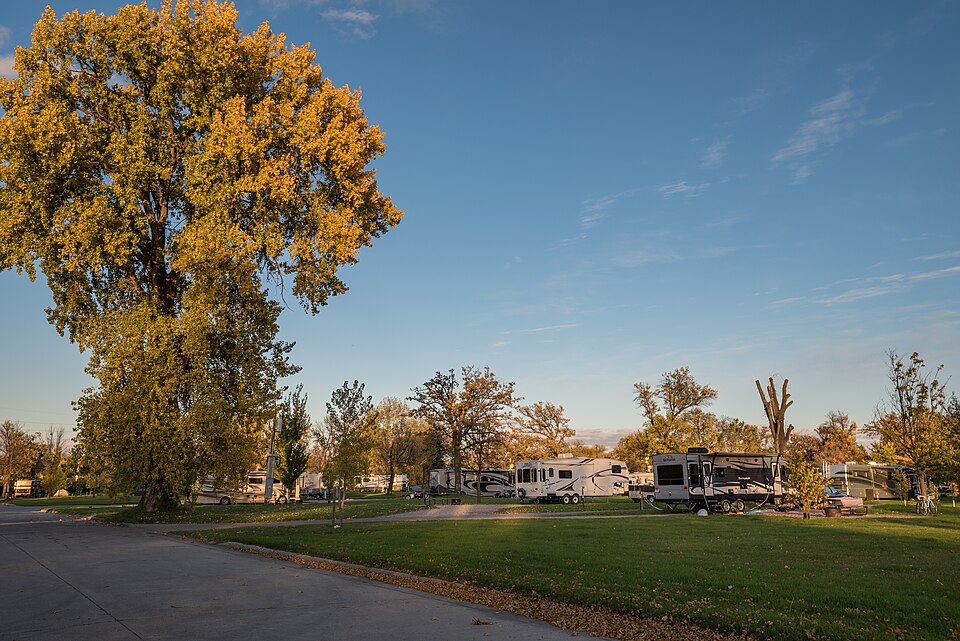
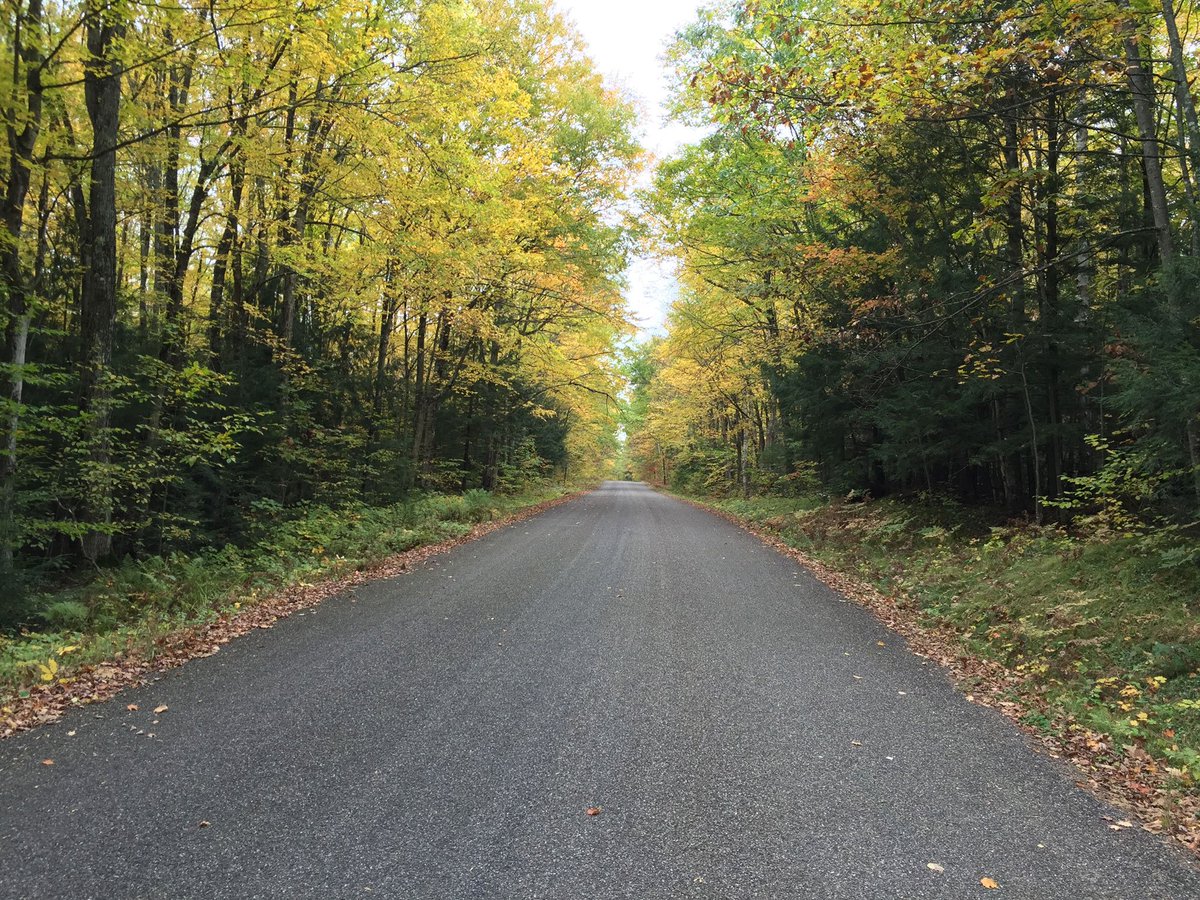
Fall is a spectacular, albeit short, season in Northern Wisconsin. From late September through mid-October, the hardwood forests transform into a vibrant tapestry of crimson maples, golden birches, and deep orange oaks. The air turns crisp and dry, creating ideal conditions for long-distance hiking on the North Country National Scenic Trail without the summer heat or bugs. Daytime temperatures drop into the 50s and 60s, while nights can become quite chilly, often dipping toward freezing.
Crowds begin to thin out significantly after Labor Day, though the peak foliage weekends can still draw leaf-peepers to scenic drives like the Great Divide Highway. This is also a busy time for local hunters and foragers looking for mushrooms or berries. If you plan to visit during this window, remember that many seasonal forest service roads and campgrounds may start closing by mid-October. Always verify current trail conditions and road access on the NPS or Forest Service websites before heading deep into the woods.
Lock in a stay for this season
Campsites near Chequamegon-Nicolet National Forest on Campspot
Partner link · Campspot
A Winter Wonderland for Silent Sports
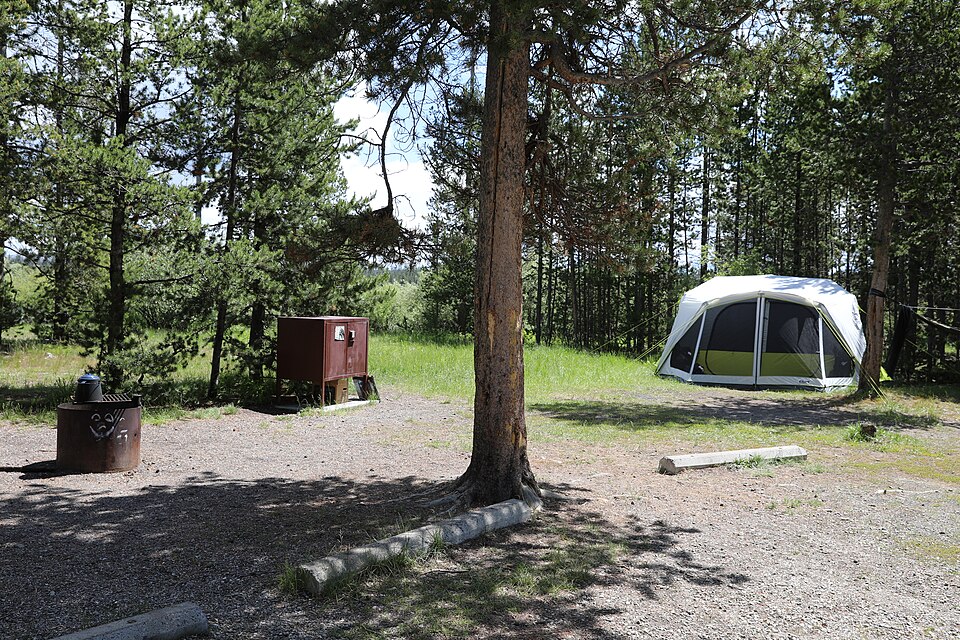
Winter in the Northwoods is not for the faint of heart, but it is a magical time for those who enjoy snow sports. January and February are the peak months for deep snow accumulation, turning the forest into a premier destination for cross-country skiing, snowshoeing, and snowmobiling. The forest manages hundreds of miles of groomed trails that wind through ancient pine stands and over frozen bogs. Temperatures frequently stay below freezing and can drop well below zero at night, requiring high-quality insulated gear and a solid understanding of winter safety.
While traditional campgrounds are closed, winter camping is available for the adventurous, and the gateway cities of Eagle River and Rhinelander become bustling hubs for snowmobile culture. The silence of the forest in winter is profound; with the leaves gone, the views through the timber are expansive, and wildlife tracking becomes much easier in the fresh powder. Always check local weather reports and snow depth charts on official sites to ensure trails are open and safe for travel.
Lock in a stay for this season
Harvest Hosts stays on the way to Chequamegon-Nicolet National Forest
Partner link · Harvest Hosts
Spring Thaw and The Awakening Forest
Spring is a time of transition in the Chequamegon-Nicolet. Known locally as 'mud season,' late March through May sees the snow melting and the forest floor coming back to life. While some trails can be messy and waterlogged, this is the best time for waterfall viewing, as the spring runoff pushes the local rivers to their maximum flow. The lack of foliage in early spring offers unique birdwatching opportunities as migratory species return to the Northwoods.
As the ground dries in May, the first wildflowers begin to bloom, including trilliums and trout lilies. However, travelers should be aware that many forest roads remain soft and may be closed to motorized vehicles to prevent damage during the thaw. This is a quiet, meditative time to visit if you don't mind navigating some damp terrain. It is the perfect season for those who want to experience the forestâs rebirth in total solitude before the summer rush begins in June.
Book this experience
St. Croix National Scenic Riverway Paddling
Varies (estimate) · Partner link · Viator
Managing Reservations and Crowds
To ensure the best experience, timing your reservations is just as important as choosing your season. For summer stays, especially at developed campgrounds with lake access, reservations should be made as early as the rolling window allows on official government booking sites. Weekends from July 4th through mid-August are the most crowded, so mid-week visits are highly recommended for those seeking peace and quiet. The forest is vast, covering 1.5 million acres, so even during peak times, you can find seclusion if you head to the more remote wilderness areas.
Budgeting for your trip is relatively straightforward, as forest access is generally affordable. You should account for modest daily fees for developed day-use areas or boat launches. A rough daily estimate of $130 covers basic campsite fees, fuel for driving between the disparate forest units, and food supplies from nearby gateway towns like Ashland. Keep in mind that cell service is spotty at best; always download maps and check for official alerts regarding fire risks or storm damage before you depart.
More ways to book Chequamegon-Nicolet National Forest
 Illustrative · US Forest Service
Morgan Falls Hike
One of the classic ways to experience Chequamegon-Nicolet National Forest.
Varies (estimate)
Partner link · Viator