
This Chequamegon-Nicolet National Forest itinerary is designed to help you maximize a three-day weekend in one of the Midwest's largest wilderness areas. Starting from Duluth International Airport, you will transition from the shores of Lake Superior into the deep, quiet woods of Northern Wisconsin. The route focuses on a balance of iconic hikes, scenic drives, and relaxing lake time, ensuring you experience the true essence of the 'Up North' lifestyle while navigating the forest's expansive geography.
Day 1: Arrival and The Great Divide
Your journey begins at Duluth International Airport (DLH). After picking up a rental carâpreferably one with decent clearance for forest roadsâyou will head east for about 90 miles, a drive of roughly two and a half hours. Your first destination is the Washburn District of the forest. As you cross into Wisconsin, the landscape shifts into dense stands of pine and birch. Stop in the gateway city of Ashland to stock up on supplies, groceries, and a local map, as cell service will quickly become unreliable once you enter the forest boundaries.
Spend your afternoon driving the Great Divide National Scenic Byway. This route offers an excellent introduction to the forest's diverse terrain. Make a stop at the Morgan Falls and St. Peterâs Dome trailhead. The hike to the falls is relatively easy, while the trek to the dome provides a rewarding vista of the forest canopy stretching toward Lake Superior. Set up your base camp at one of the nearby campgrounds, such as Day Lake or Mineral Lake, where you can enjoy your first night under a star-filled Northwoods sky. Always check the official Forest Service site for current road conditions before starting your drive.
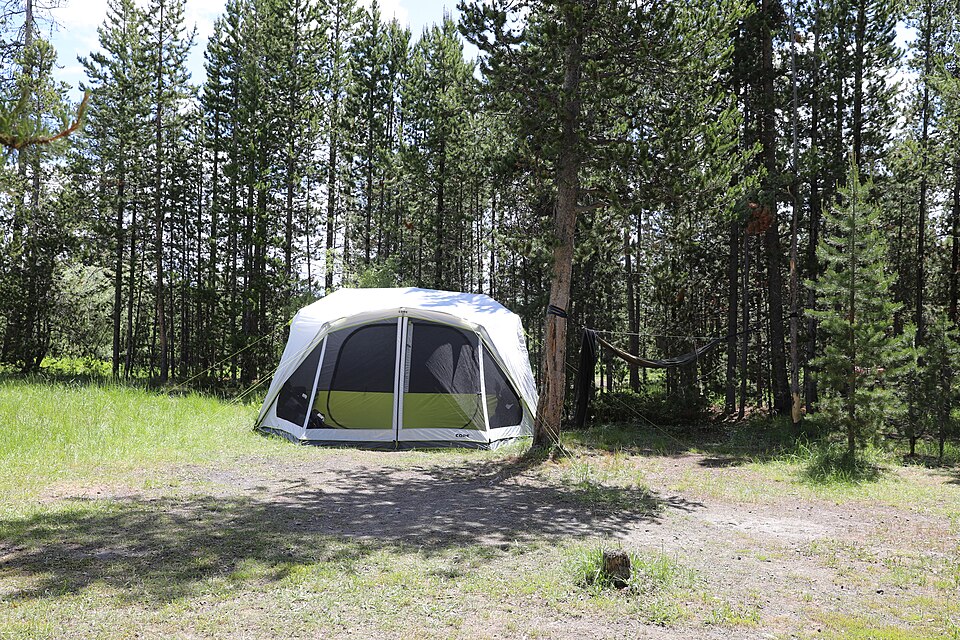
Where to sleep
RV parks near Chequamegon-Nicolet National Forest on RoverPass
Partner link · RoverPass
Day 2: Paddling and Glacial Lakes
Dedicate your second day to the water. After a campfire breakfast, head toward the center of the forest to explore its glacial lake heritage. Rent a canoe or kayak in a nearby town like Eagle River if you didn't bring your own. The calm, clear waters of the forest's lakes are perfect for a morning paddle. Areas like the Nine Mile Lake Recreation Area offer beautiful water trails where you can see loons and perhaps a bald eagle nesting in the tall pines along the shore. The peace of the water in the early morning is one of the highlights of any Chequamegon-Nicolet National Forest itinerary.
In the afternoon, head to the Anvil Lake Recreation Area for a bit of relaxation and swimming. The sandy beach is a great spot to unwind, and the surrounding hiking trails offer easy, flat loops through the hardwoods if you want to stretch your legs. As evening approaches, consider visiting a local Wisconsin supper club in one of the gateway cities for a traditional Friday night fish fry or a Saturday prime rib. This is a staple of the region's culture and a great way to meet locals who have been visiting these woods for generations. Return to your site and enjoy the quiet sounds of the forest at night.
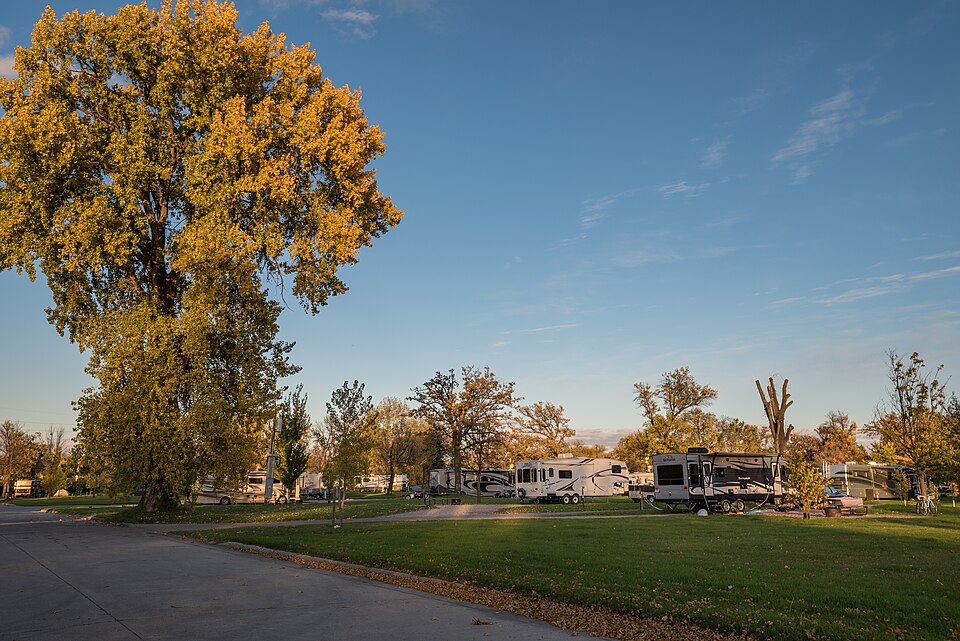
Where to sleep
Campsites near Chequamegon-Nicolet National Forest on Campspot
Partner link · Campspot
Day 3: Deep Woods and Departure
On your final day, head further east toward the Nicolet side of the forest. This area is known for its towering white pines and pristine river systems. Visit the Cathedral Pines State Natural Area to walk among some of the oldest trees in the state; these giant pines were spared from the logging era and offer a cathedral-like atmosphere that is truly humbling. The short walking paths here are tranquil and perfect for a final moment of reflection before you begin your journey home. It is a stark contrast to the younger growth found in other parts of the forest.
Before you start the 142-minute drive back to Duluth, stop by the Mountain Fire Lookout Tower. If it is open for climbing, the views from the top provide a 360-degree perspective of the 1.5 million-acre forest youâve spent the weekend exploring. Grab a final meal in a town like Rhinelander, known for its mythical 'Hodag' folklore, before heading back to the airport. Ensure you leave plenty of time for the drive, as wildlife is common on the roads, especially at dusk. Check the official NPS or Forest Service websites one last time for any travel alerts or closures that might affect your route back to the city.
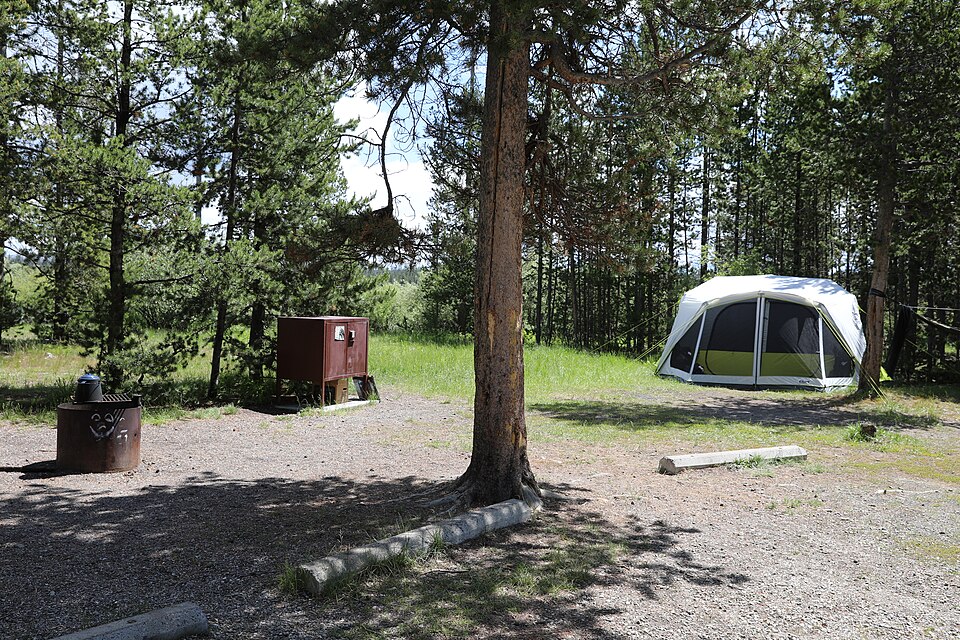
Where to sleep
Harvest Hosts stays on the way to Chequamegon-Nicolet National Forest
Partner link · Harvest Hosts
Essential Packing and Logistics
When following this itinerary, preparation is key due to the forest's size and remote nature. Pack layers of clothing, even in summer, as temperatures can drop quickly after sunset. Sturdy, waterproof hiking boots are a must, as many trails feature roots, rocks, and occasional muddy patches. You should also carry a physical map or a GPS device with pre-downloaded offline maps, as you cannot rely on a mobile signal for navigation. A basic first-aid kit, plenty of water, and bear-resistant food storage are also highly recommended for anyone staying overnight in the forest.
Budgeting for this 3-day trip is manageable. With an average daily budget of $130, you can cover your campsite fees, fuel for the significant amount of driving required between districts, and modest meals. If you plan on renting equipment like boats or ATVs, you will need to adjust your budget upward. Keep in mind that many forest facilities are seasonal; while the forest itself is open year-round, specific amenities like drinking water at campgrounds or maintained restrooms may only be available from May through October. Always verify these details on the official forest website before you arrive.
Safety and Forest Stewardship
As you travel through the Chequamegon-Nicolet, practicing Leave No Trace principles is vital to preserving this ecosystem for future visitors. Stay on marked trails to avoid damaging sensitive undergrowth and always pack out whatever you pack in. If you are building a campfire, use only locally sourced firewood to prevent the spread of invasive species like the emerald ash borer, and ensure the fire is completely extinguished before you leave or go to sleep. Fire regulations can change daily based on weather conditions, so check the official forest fire danger signs posted at entrances.
Wildlife safety is also paramount. While black bears are generally shy, they are common in the Northwoods. Keep your campsite clean and store all food, trash, and scented items in a locked vehicle or a bear-proof container. If you encounter a bear or elk on the trail, give them plenty of space and never attempt to feed them. By respecting the wildlife and the land, you contribute to the ongoing efforts to maintain the wild character of Northern Wisconsin. For the most up-to-date safety information and forest alerts, the official Forest Service website remains your best resource.
More ways to book Chequamegon-Nicolet National Forest
 Illustrative · Diego Angel
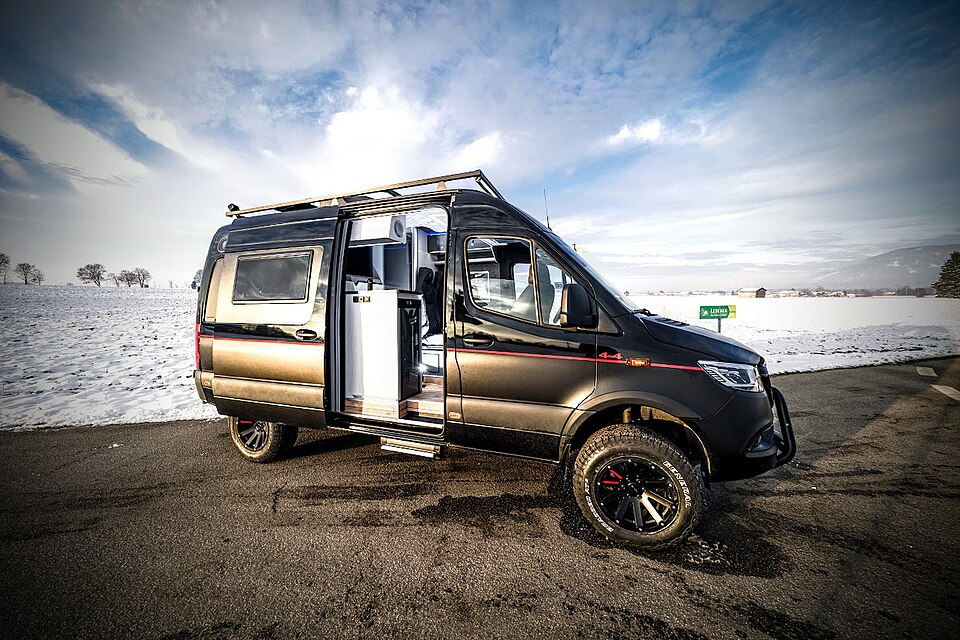
Sprinter Adventure Van
Small enough to park at the trailhead, comfy enough to sleep in.
$189/day (estimate)
Direct link · RVshare