
Chequamegon-Nicolet National Forest glamping offers a unique way to experience the rugged beauty of the Northwoods without sacrificing the comforts of home. While traditional camping remains the most common way to stay in the forest, a growing number of upscale accommodations near the forest boundaries provide a more refined outdoor experience. From heavy-canvas wall tents to modern yurts tucked away in the timber, glamping allows you to immerse yourself in nature while enjoying a comfortable bed and often a warm stove.
The Glamping Experience in the Northwoods
Glamping near the Chequamegon-Nicolet National Forest is all about 'rustic luxury.' Unlike the minimal setup of a traditional tent, glamping sites in this region often feature wooden floors, real mattresses with high-quality linens, and sometimes even small kitchenettes or wood-burning stoves for chilly Wisconsin nights. The goal is to provide a seamless connection to the outdoors, where the sound of the wind through the pines is your soundtrack, but you have a sturdy roof over your head. It is an ideal choice for those who love the idea of the forest but prefer to avoid sleeping on the ground.
Many of these sites are located on private lands immediately adjacent to the national forest, providing direct access to the trail systems and lakes while maintaining a sense of exclusivity and privacy. You might find a bell tent situated on a bluff overlooking a river or a refurbished vintage trailer parked near a secluded meadow. The aesthetic usually leans heavily into the 'cabin core' style, utilizing local timber, wool blankets, and lantern light to create a warm, inviting atmosphere that reflects the heritage of the Wisconsin woods.
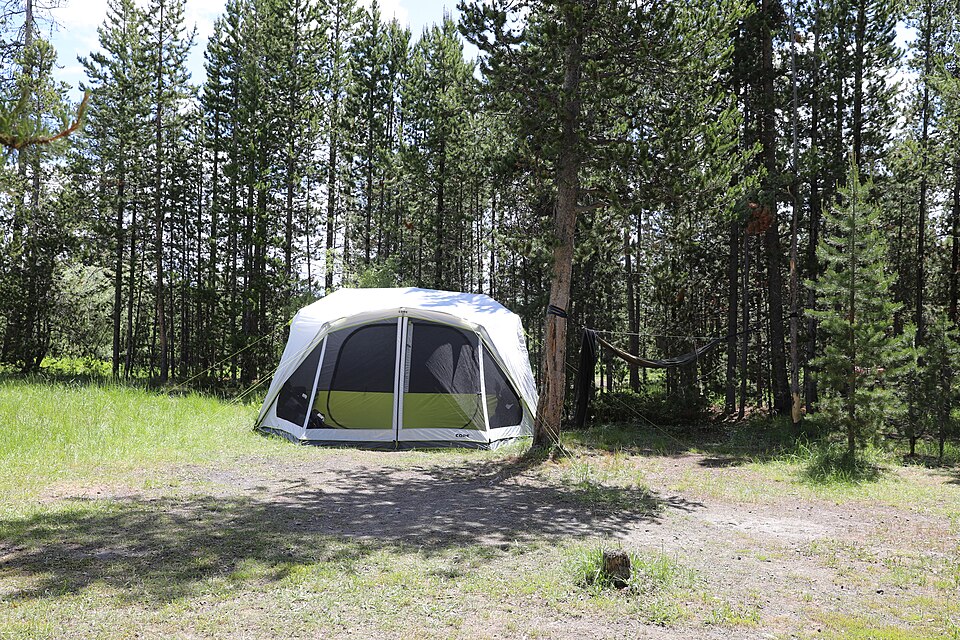
Where to sleep
RV parks near Chequamegon-Nicolet National Forest on RoverPass
Partner link · RoverPass
Where to Find Glamping Near the Forest
While the National Forest Service primarily manages traditional campsites, the gateway communities surrounding the 1.5 million acres are where you will find the best glamping options. The area around Ashland, near the northern edge of the Chequamegon unit, offers sites with views toward Lake Superior and easy access to the sea caves and forest trails. To the east, the Eagle River and Rhinelander areas are hubs for more developed outdoor stays, where you can find upscale yurts and cabin-style tents nestled among the thousands of glacial lakes that dot the region.
Bayfield, just a short drive from the forestâs northern boundary, is another popular area for high-end outdoor accommodations. Here, the glamping experience often includes views of the Apostle Islands alongside the dense forest backdrop. Because these sites are often limited in number and highly sought after during the summer and fall foliage seasons, it is essential to book your stay months in advance. These private sites complement the national forest by providing a comfortable home base for daily excursions into the deeper, more remote parts of the wilderness.
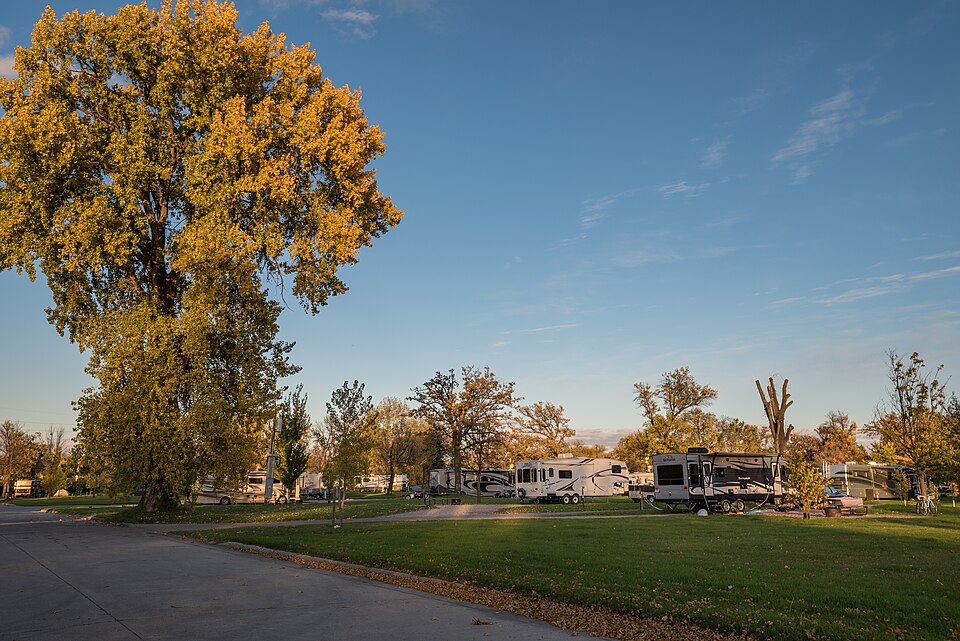
Where to sleep
Campsites near Chequamegon-Nicolet National Forest on Campspot
Partner link · Campspot
Glamping vs. Traditional Camping and RVs
Choosing between glamping, traditional camping, or an RV depends on your desired level of immersion and effort. Traditional camping in the Chequamegon-Nicolet offers the most authentic and budget-friendly experience, with daily costs often being quite low, but it requires hauling gear and setting up a site. RVing is very popular in the Northwoods, with many developed campgrounds offering electrical hookups and dump stations, providing a mobile home-away-from-home that is perfect for families. However, RVs can be limited by the narrow, winding forest roads and the size of the pads at older campgrounds.
Glamping sits in a unique middle ground. It removes the logistical hurdle of packing and setting up equipment, making it perfect for a weekend getaway or for those flying into Duluth International Airport who don't want to check heavy camping gear. It provides more space and comfort than a standard tent but feels more connected to the environment than a hard-sided RV. While the daily cost for glamping is significantly higher than a $20 campsite, many find the trade-off in comfort and saved time to be well worth the investment for a special Northwoods retreat.
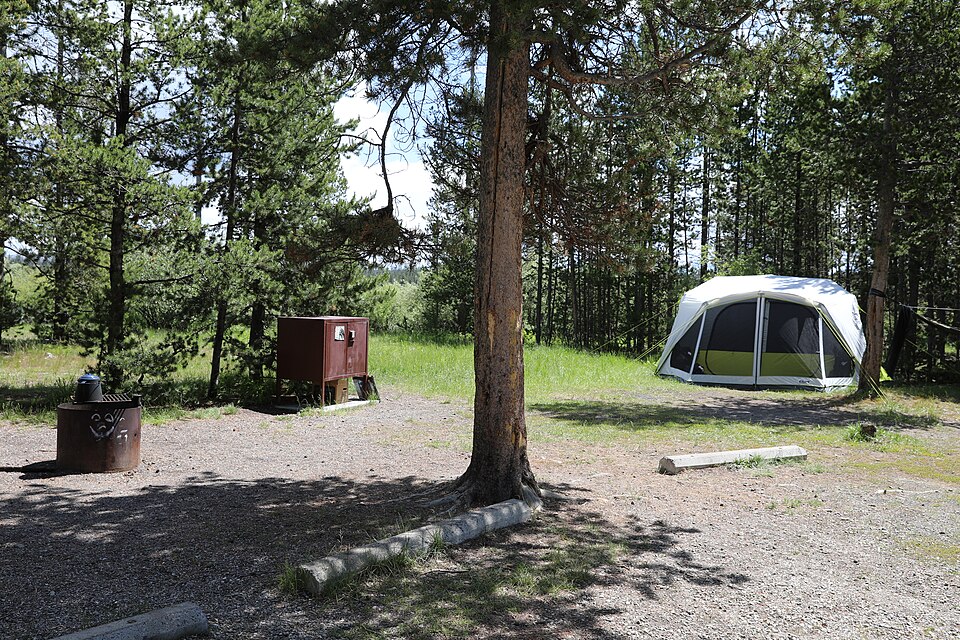
Where to sleep
Harvest Hosts stays on the way to Chequamegon-Nicolet National Forest
Partner link · Harvest Hosts
Seasonal Considerations for Your Stay
The best time for Chequamegon-Nicolet National Forest glamping is typically from June through early October. During the summer, the heavy canvas of glamping tents provides a breathable environment that stays cooler than a nylon tent, and many sites include high-quality insect screening to keep the Northwoods mosquitoes at bay. Fall glamping is arguably the peak experience, as the wood stoves found in many yurts and wall tents provide a cozy sanctuary against the crisp autumn nights, allowing you to watch the leaves change in total comfort.
Winter glamping is a growing trend for the truly adventurous. Some year-round yurts and insulated cabins offer a warm base for cross-country skiing and snowshoeing excursions. However, visitors should be aware that even 'luxury' winter glamping requires some effort, such as stoking a fire to keep the space warm and navigating snowy paths to reach the accommodation. Always check with your host regarding winter accessibility, as some sites may require a short snowshoe or sled pull to reach. Regardless of the season, checking the official forest website for weather alerts and trail conditions is a necessary part of your trip planning.
Planning and Budgeting for Glamping
When planning your glamping trip, keep in mind that these accommodations are generally priced similarly to boutique hotels. A rough daily budget of $130 per person is a good starting point, but the cost of the lodging itself can vary widely depending on the level of luxury and the time of year. Most glamping sites are operated by private businesses rather than the Forest Service, so you will need to search for local providers in the gateway cities of Ashland, Eagle River, and Rhinelander. Make sure to read reviews and confirm exactly what amenities are providedâsome may offer full kitchens and private baths, while others may be more 'off-grid.'
Beyond the lodging, you will still want to budget for forest access fees, fuel, and food. Many glampers choose to cook over an open fire or a provided grill, adding to the outdoor experience. If you are flying into Duluth, remember to factor in the rental car and the drive time to your specific site. No matter where you choose to stay, always visit the official Chequamegon-Nicolet National Forest website for the latest information on permits, fire safety, and any forest-wide regulations that might affect your daily adventures. Glamping serves as a wonderful gateway, but the real magic lies in the 1.5 million acres of forest waiting just outside your door.