
Chaco Culture National Historical Park is more than just a collection of ruins; it is a massive archaeological complex that served as the center of the Ancestral Puebloan world. Visitors come here to walk through ancient corridors, climb high mesa trails, and experience one of the darkest night skies in the United States. Whether you are a history buff, an avid hiker, or a family looking for a unique educational adventure, the canyon offers a deep connection to the past and the natural world.
Explore the Architectural Marvel of Pueblo Bonito
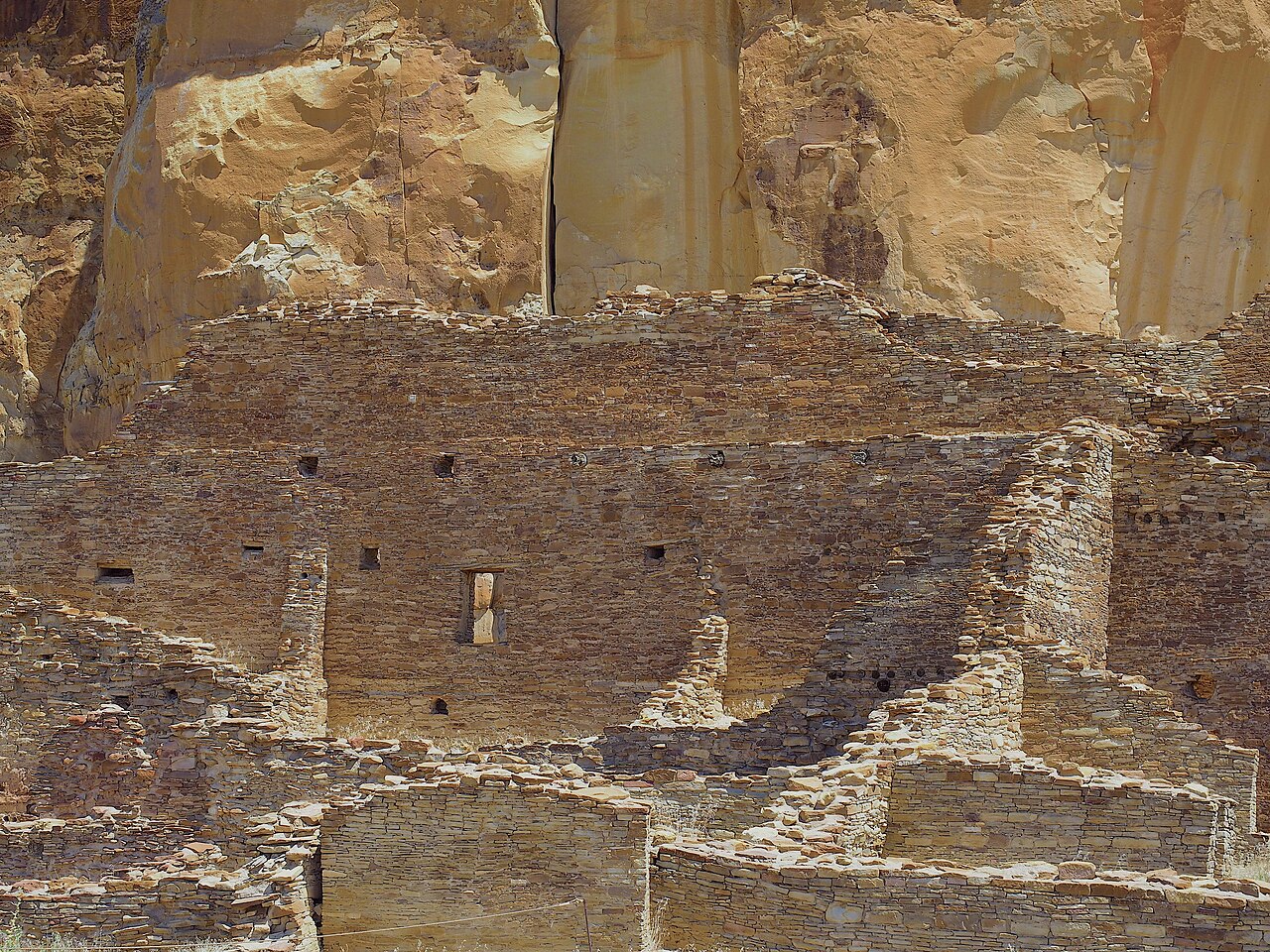
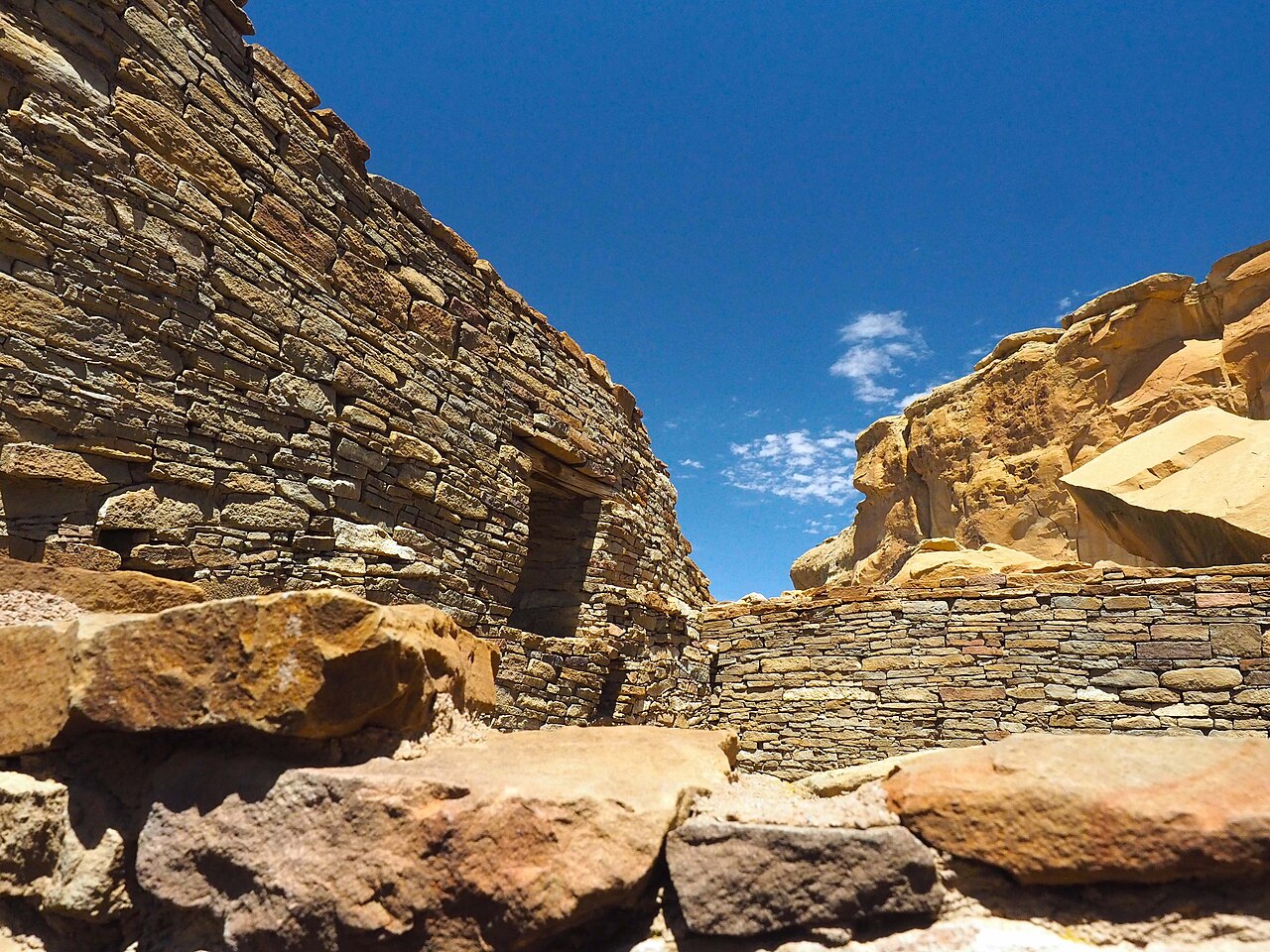
Pueblo Bonito is the most iconic of all the Chacoan Great Houses and is an absolute must-see. This D-shaped structure once stood four stories high and contained over 600 rooms. As you walk through the site, you can marvel at the precise masonry, where stones were fit together so tightly that they have survived for a millennium.
The self-guided trail through Pueblo Bonito allows you to peer into circular kivas, which were used for ceremonial purposes, and walk through interconnected rooms that show the sophistication of ancient urban planning. Pay close attention to the T-shaped doorways and the remnants of wooden beams that were hauled from mountains over fifty miles away. The sheer scale of the construction is humbling, reflecting the immense social and religious importance of this site. Most visitors spend at least an hour here, but photographers may want longer to capture the light filtering through the ancient windows.
Hike the Canyon Rim Trails
To truly understand the layout of the Chacoan world, you must leave the canyon floor and head to the rim. The Pueblo Alto Trail is a favorite, offering a strenuous but rewarding loop that takes you past ancient stairs carved directly into the rock face. Once on the mesa, you are treated to a bird's-eye view of Pueblo Bonito and Chetro Ketl, revealing the precise geometric shapes of the buildings that aren't visible from the ground.
Another excellent option is the hike to Peñasco Blanco. This is a longer trek, roughly seven miles round-trip, but it leads you to the famous Supernova Pictograph, believed by many to record the supernova of 1054 AD. These trails are exposed to the sun and wind, so carrying at least two liters of water and wearing sturdy boots is essential. Along the way, keep an eye out for elk, coyotes, and lizards that inhabit the high desert scrub.
Stargazing in an International Dark Sky Park
Chaco Culture is one of the few places in the country where the night sky looks much as it did a thousand years ago. In 2013, it was designated as an International Dark Sky Park, and the commitment to preserving the darkness is evident. The park even operates its own observatory near the visitor center.
On clear nights, the Milky Way is so bright it can cast a shadow. The park frequently hosts astronomy programs where rangers and volunteers set up telescopes to show visitors distant galaxies, nebulae, and planets. Even if a formal program isn't scheduled, simply sitting outside your tent at the Gallo Wash Campground offers a celestial display that is life-changing. The Ancestral Puebloans were master astronomers, aligning their buildings with the movements of the sun and moon, and looking at the same stars they did provides a powerful bridge across time.
Biking and Scenic Driving
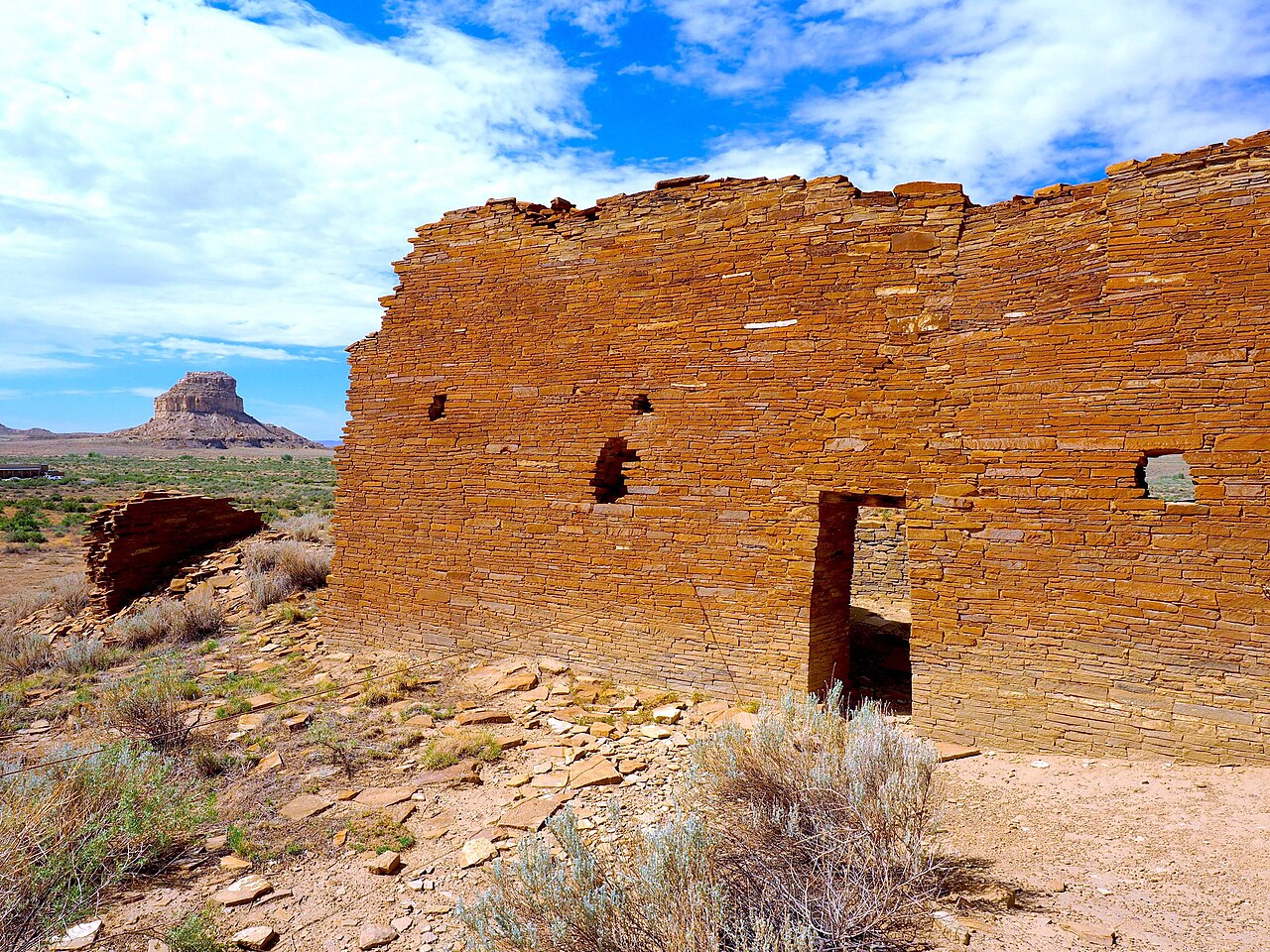
The nine-mile Canyon Loop Drive is a paved, one-way road that provides access to the major sites, including Hungo Pavi and Del Arroyo. While many people drive this loop, it is also an excellent route for bicycling. Biking allows you to travel at a slower pace, feeling the desert breeze and noticing the smaller details of the landscape that drivers often miss.
For those who want to get further off the beaten path, the Wijiji trail is open to bicycles. This relatively flat, two-mile ride leads to the Wijiji Great House, known for its symmetrical beauty and late construction date compared to other sites. Biking is a great way to avoid the minor congestion of the parking lots during peak season and is a fun activity for families with older children. Just remember that bikes are restricted to established roads and designated trails to protect the fragile archaeological resources.
Visiting with Kids and Rainy Day Tips
Traveling with children at Chaco is a wonderful way to introduce them to archaeology. The Junior Ranger program is robust here, offering booklets that guide kids through the sites with specific questions and activities. Exploring the small rooms and looking for ancient pottery shards (which must never be moved) keeps young minds engaged.
If you encounter a rainy day, your options are more limited due to the dirt roads. The Visitor Center features an excellent museum with artifacts, jewelry, and a film that explains the history of the Chacoan people. It is the best place to take cover during a brief afternoon storm. However, if heavy rain is forecasted for the day, the best thing to do is stay in a gateway city like Farmington, as the risk of getting stuck on the park's access roads is high. Always check the official NPS site for weather-related closures before heading out.