
Tucked into a remote corner of Northwest New Mexico, Chaco Culture National Historical Park is a place where the environment dictates the rhythm of your visit. Because the park is accessed via unpaved roads that can become impassable during heavy rains, timing your trip is about both comfort and logistical safety. The high-desert landscape offers dramatic shifts in temperature, making the shoulder seasons of spring and fall the most popular times for those looking to hike the canyon rim or photograph the Great Houses under a gentle sun.
Spring: The Season of Awakening
April and May are widely considered the best time to visit Chaco Culture for hikers and those planning to spend long hours outdoors. During these months, the intense heat of the summer has not yet arrived, and the biting winds of winter begin to subside. Daytime temperatures are typically mild, hovering in the 60s and 70s, which is ideal for the steep climbs required to reach overlooks like Pueblo Bonito from above.
You will notice the desert floor coming to life with hardy wildflowers and the occasional sighting of migratory birds passing through the canyon. However, spring in New Mexico is notoriously windy. Sudden gusts can kick up dust, so it is essential to bring eye protection and scarves. Even with the wind, the clear skies provide excellent visibility for miles across the San Juan Basin, allowing you to appreciate the vast scale of the Ancestral Puebloan landscape.
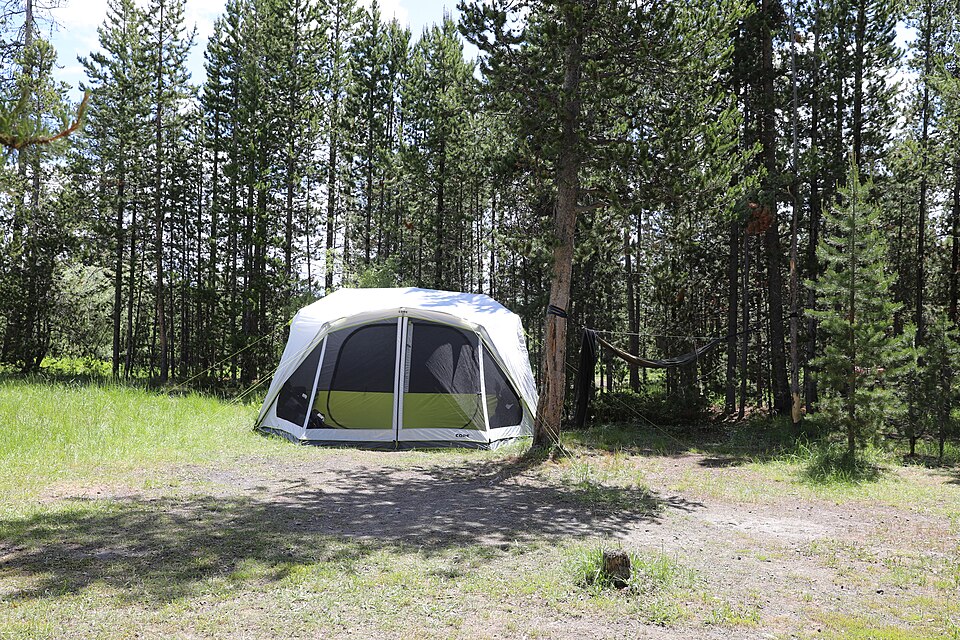
Fall: Gold Light and Crisp Air
September and October represent another peak window for visiting the canyon. The summer monsoon rains usually taper off by mid-September, leaving the dirt access roads in relatively stable condition. The light during the fall is particularly beautiful for photography; the low angle of the sun casts long, dramatic shadows across the intricate masonry of Chetro Ketl and Del Arroyo.
Temperatures during the day are crisp and refreshing, though you should be prepared for a rapid drop in temperature as soon as the sun dips below the canyon walls. It is not uncommon for temperatures to fall 30 or 40 degrees in a single evening. This season is also fantastic for those interested in the park's International Dark Sky designation. With the air losing its summer humidity, the stars appear incredibly sharp. If you plan to camp during the fall, ensure your gear is rated for freezing temperatures, as late October often sees the first frost.
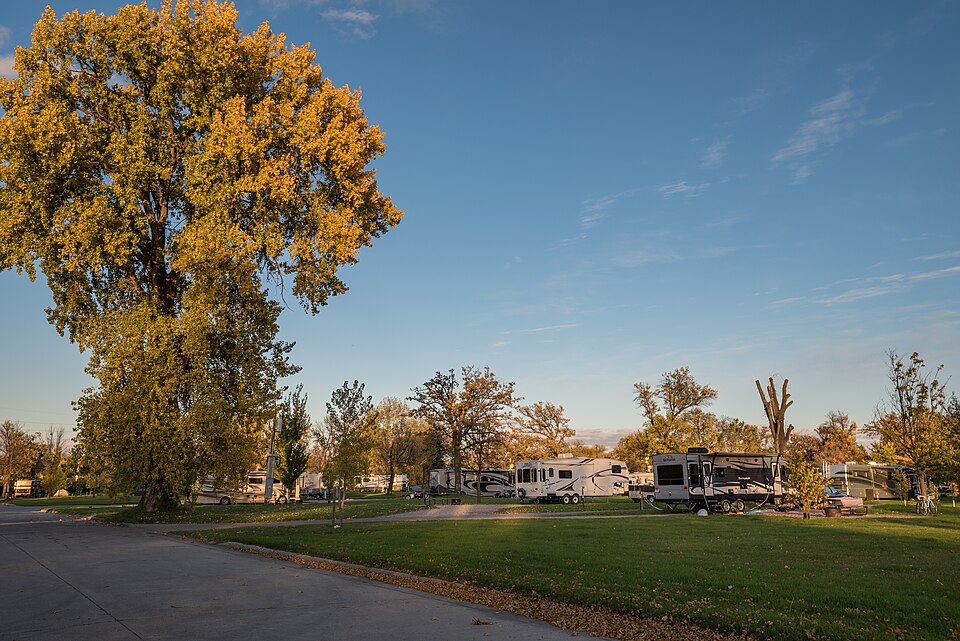
Summer: Navigating the Heat and Monsoons
Visiting during July and August requires careful planning due to extreme heat and the arrival of the North American Monsoon. Mid-day temperatures frequently soar above 90 degrees Fahrenheit, and there is very little natural shade within the canyon ruins. If you visit now, aim to start your hikes at dawn and retreat to your vehicle or a shaded area by noon.
The afternoons often bring sudden, violent thunderstorms. While these storms provide a spectacular show of lightning and temporary waterfalls cascading off the mesas, they pose a significant risk to travelers. The dirt roads leading into the park can wash out or turn into thick, impassable mud within minutes. Always check the National Park Service website for current road conditions before leaving the paved highway. Despite the weather challenges, summer nights are warm and pleasant for stargazing programs, and the park feels vibrant with the sound of cicadas and desert life.
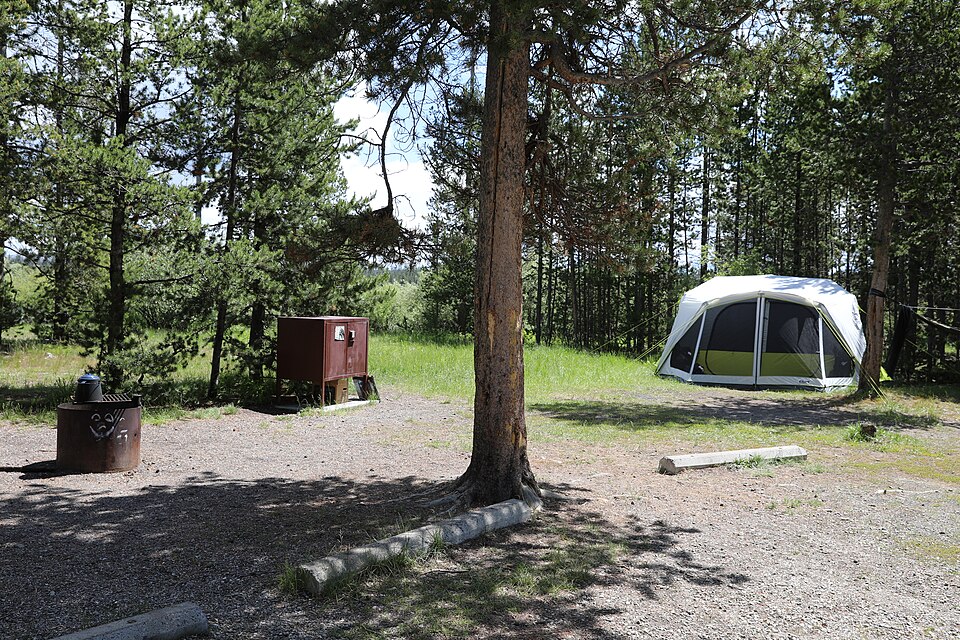
Lock in a stay for this season
Harvest Hosts stays on the way to Chaco Culture
Partner link · Harvest Hosts
Winter: Solitude and Snow
Winter is the quietest time at Chaco, offering a sense of profound solitude that is hard to find elsewhere. From November through March, the park sees very few visitors. The sight of red sandstone walls dusted in white snow is breathtaking, but the environment is harsh. Daytime highs may not break freezing, and nighttime lows can plummet well below zero.
Logistically, winter is the most difficult time to visit. Snow and ice can make the washboard roads extremely treacherous, even for four-wheel-drive vehicles. Most ranger-led programs are suspended, and you must be entirely self-sufficient. However, for the hardy traveler, the winter solstice is a significant time at Chaco, as many of the structures were built with specific astronomical alignments in mind. If you choose a winter visit, bring heavy layers, extra fuel, and plenty of water, as pipes in the region are prone to freezing, potentially limiting onsite water availability.
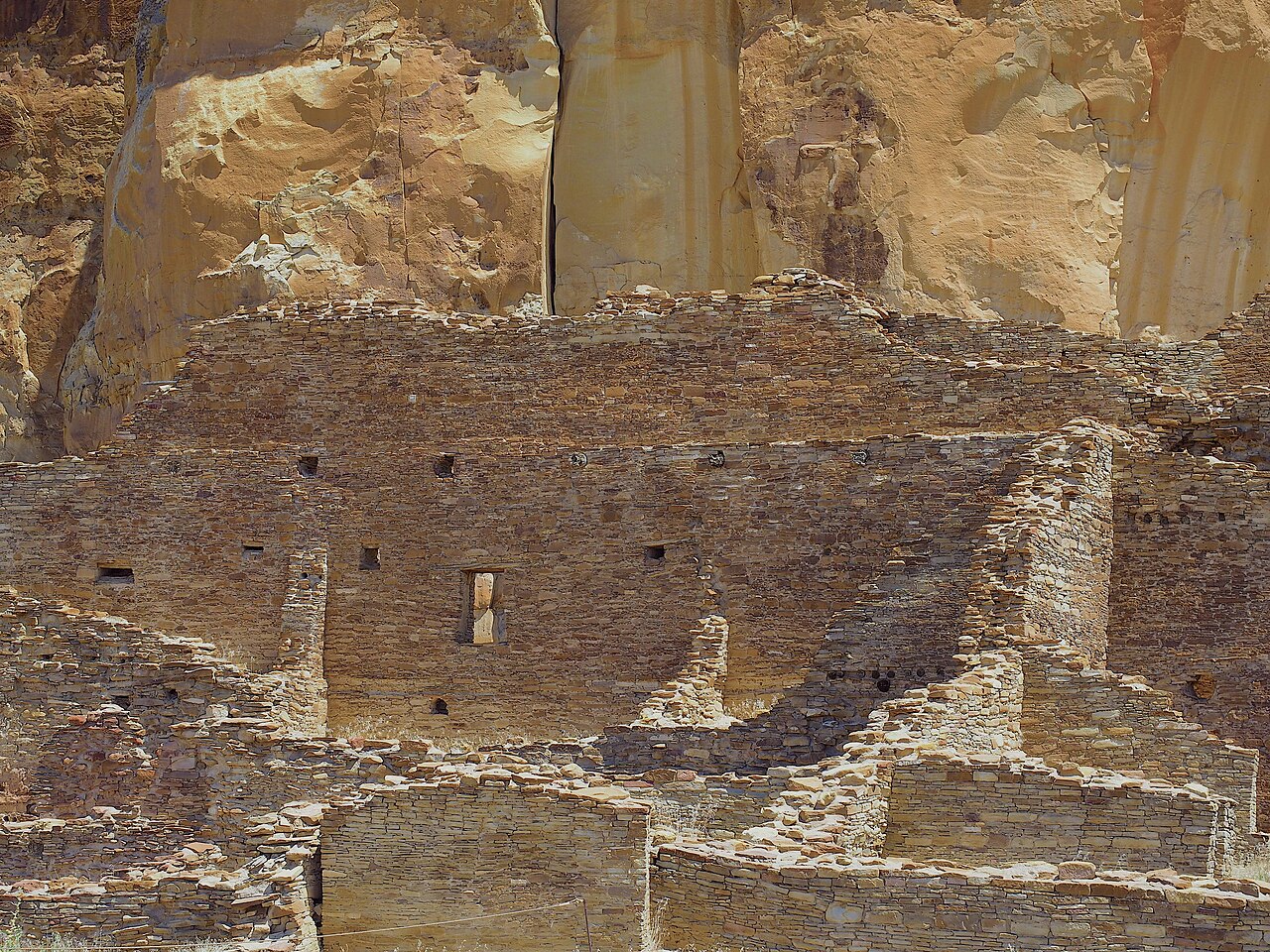
Crowds and Reservation Planning
While Chaco Culture is remote enough that it rarely feels congested compared to parks like Zion or the Grand Canyon, its small campground at Gallo Wash fills up very quickly. For the best experience, you should look into camping reservations several months in advance, especially for holiday weekends in the spring and fall. The park does not have a lodge, so if the campground is full, your nearest options are in Farmington or Bloomfield, which are significant drives away.
During the spring and fall equinoxes, the park attracts larger crowds due to the famous solar alignments in structures like Casa Rinconada. If you want to witness these events, you should plan your logistics a year out. For those seeking quiet, mid-week visits in May or September offer the perfect balance of manageable weather and thin crowds, allowing you to sit in a 1,000-year-old plaza in near-total silence.
More ways to book Chaco Culture
 Illustrative · AlisonRuthHughes
Night Sky Program
One of the classic ways to experience Chaco Culture.
Varies (estimate)
Partner link · Viator