
For those who want to experience the rugged beauty of Northwest New Mexico without sacrificing the comforts of home, glamping is an increasingly popular choice. While Chaco Culture National Historical Park itself offers only primitive camping at Gallo Wash, the surrounding region provides a variety of elevated outdoor stays. From bell tents under the stars to fully-equipped vintage trailers, glamping near Chaco allows you to recharge after a long day of hiking the dusty trails of the Ancestral Puebloans.
What Glamping Looks Like in the San Juan Basin
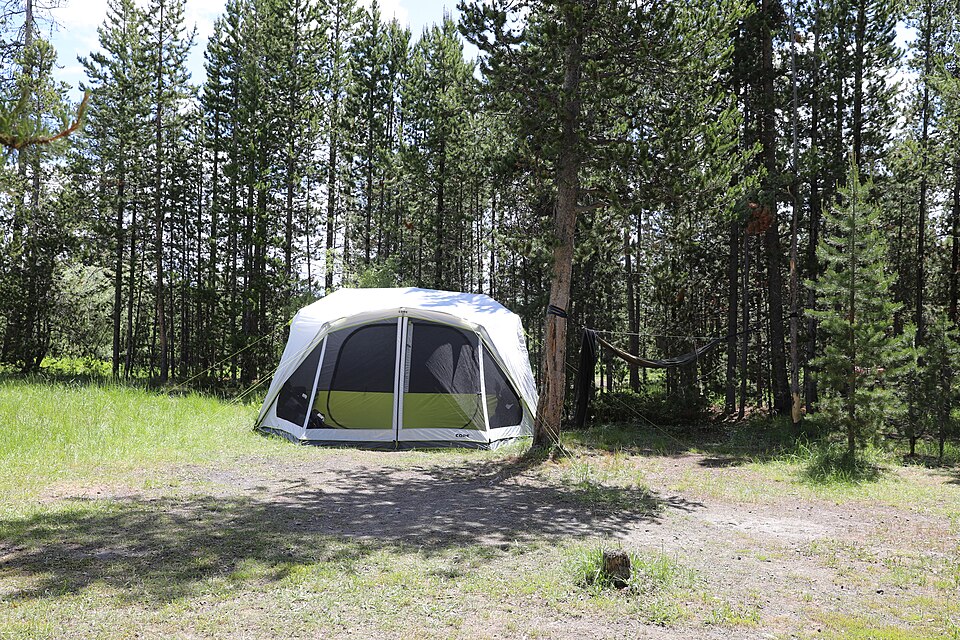
In the vast landscape surrounding Chaco, glamping typically takes the form of outfitted wall tents or luxury yurts located on private land or near the gateway towns of Farmington and Aztec. Unlike the traditional camping inside the park, where you must bring every piece of gear, glamping sites often provide comfortable queen-sized beds, high-quality linens, and sometimes even small wood-burning stoves for chilly desert nights.
Many of these sites are designed to maximize the view of the sky, featuring clear roof panels or large outdoor lounging areas. You can expect a focus on 'off-grid' luxury, meaning you might have solar-powered lighting and composting toilets rather than a full hotel bathroom. This style of accommodation fits perfectly with the spirit of Chaco, offering a deep connection to the environment while providing a soft place to land after navigating the washboard roads of the canyon.
Top Areas for Glamping Stays
Because the park is so remote, you won't find glamping right at the gates. Instead, look for options in the gateway areas about an hour to ninety minutes away. The area around Farmington is the most common hub, offering stays that overlook the Animas River or are tucked into the unique rock formations of the high desert.
Another excellent area to search is near the Bisti/De-Na-Zin Wilderness, which is located between Farmington and Chaco. Some private landowners in this region offer remote campsites with pre-pitched tents and basic amenities, providing a perfect base camp for exploring both the ruins and the alien-like hoodoos of the Bisti. Staying in these areas allows you to enjoy the services of a townâlike restaurants and grocery storesâduring the day, while retreating to a private, quiet desert spot at night.
Seasonality and the Glamping Experience
The best time for glamping near Chaco mirrors the best time to visit the park: late spring and early fall. During May, September, and October, the nighttime temperatures are cool enough to enjoy a campfire and a cozy bed, but not so cold that you'll be uncomfortable in a canvas-walled structure.
In the height of summer, glamping can be challenging because many tents and yurts lack air conditioning. If you choose to glamp in July or August, look for sites that offer evaporative coolers or those situated at slightly higher elevations. Conversely, winter glamping is only for the very brave. While some high-end yurts offer heavy insulation and heaters, the plummeting temperatures of the New Mexico desert mean you will still be spending much of your time bundled up. Always check with your host about what kind of heating or cooling is provided before booking.
Glamping vs. Traditional Camping vs. RVs
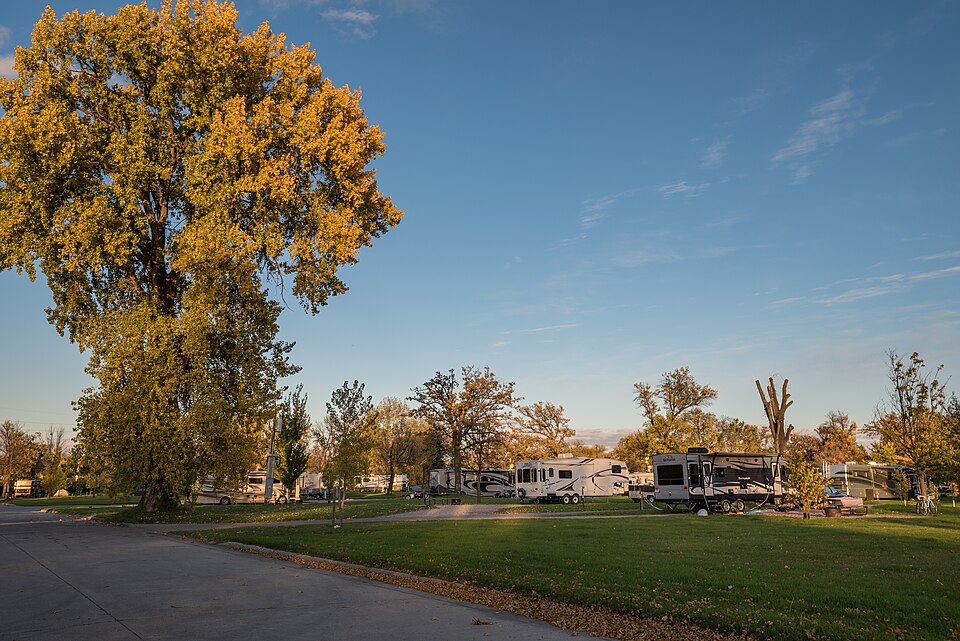
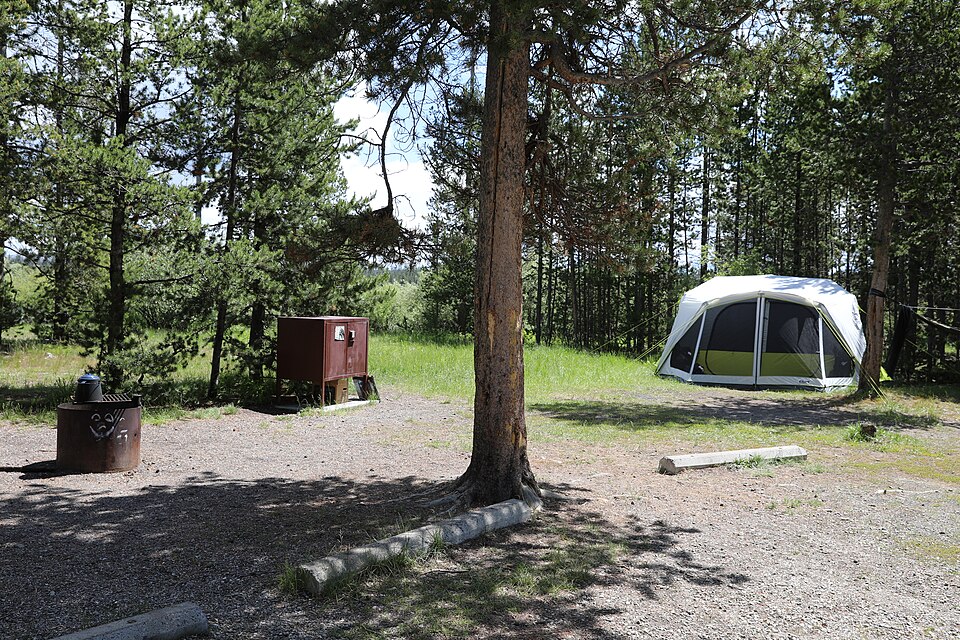
Choosing between glamping and other forms of stay depends on your vehicle and your comfort needs. Traditional camping at Gallo Wash inside the park is the most immersive way to see Chaco, but it requires a full set of gear and a reservation that can be hard to get. RVing is a popular middle ground, but the 20 miles of rough dirt road into the park can be very hard on large rigs; many travelers prefer to leave their RVs in paved parks in Bloomfield and drive a tow vehicle into the canyon.
Glamping offers a unique advantage: you get the 'outdoor' feeling of camping without the logistical headache of hauling gear over rough roads. It is an ideal choice for fly-in travelers who are arriving at the Durango airport and don't want to check extra bags filled with tents and sleeping bags. It provides a curated experience that focuses on the scenery and the stars, which are the main attractions of the region.
Preparing for Your Desert Glamping Trip
Even if you are staying in a luxury tent, the desert environment requires preparation. Pack layers, as even the warmest days end in cool nights. Bring a headlamp for walking between your tent and any common areas, and always have plenty of water on hand. Many glamping sites in this part of New Mexico are remote, so you should treat your arrival like a mini-expeditionâbring snacks, a good book, and perhaps a pair of binoculars for bird watching or stargazing.
Finally, always check the current conditions on the official National Park Service website for Chaco Culture before you head out from your glamping base. A sudden rainstorm can make the roads to the park impassable, even if the weather at your glamping site seems fine. Having a comfortable home base in a nearby town ensures that if the park is inaccessible for a day, you still have a relaxing place to enjoy the New Mexico landscape.