
Planning a trip to Chaco Culture requires a bit more coordination than your average national park visit. Because of its remote location in the San Juan Basin, most visitors arrive from gateway cities like Farmington or Grants. This three-day itinerary is designed to help you see the most impressive architectural sites, tackle the best hikes, and experience the famous dark skies, all while accounting for the significant drive times involved in reaching this secluded canyon.
Arrival and Introduction to the Great Houses
Assuming you fly into Durango La Plata County Airport (DRO), you will have about a three-hour drive ahead of you. After picking up your rental vehicleâpreferably one with high clearanceâhead south through Farmington and Bloomfield. Your first day should focus on the accessible sites along the main Canyon Loop Drive. Stop first at the Visitor Center to pay your fees, check the weather forecast, and watch the introductory film.
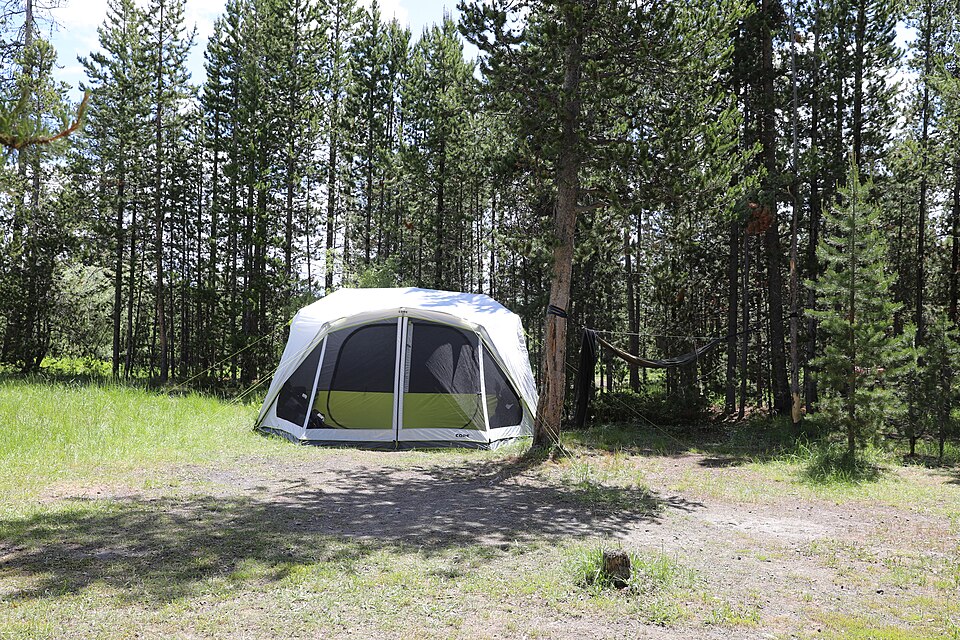
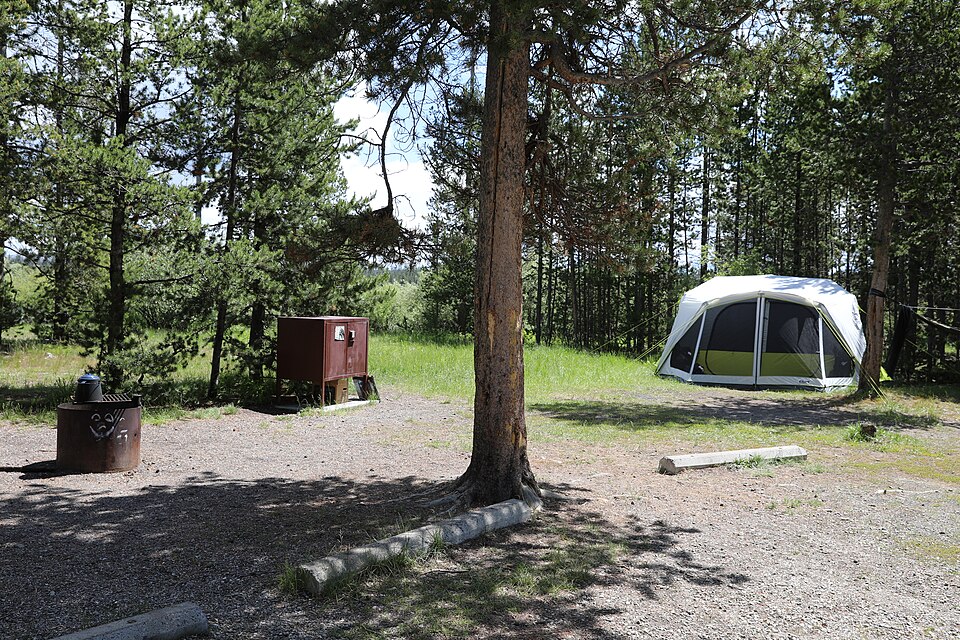
Spend your afternoon at Pueblo Bonito and Chetro Ketl. These are the crown jewels of Chaco. Walk the 0.6-mile loop through Pueblo Bonito, then take the short connecting trail to Chetro Ketl to see its massive Great Kiva and unique colonnade. These sites provide a perfect introduction to the scale of Chacoan ambition. If you are staying at the Gallo Wash Campground, finish your day by setting up camp and enjoying the sunset against the canyon walls. If you are staying in a gateway city, remember to leave the park before the gates close in the evening.
Day 2: Mesa Vistas and Ancient Roads
Dedicate your second day to seeing the canyon from above. Start early to beat the heat and head to the Pueblo Alto Trail. This 5.4-mile loop is one of the most rewarding hikes in the Southwest. You will climb through a narrow rock crevice to reach the top of the mesa, where you can see the remains of the Chacoan road systemâstraight lines etched into the desert that once connected distant communities.
From the rim, you will have a spectacular view of Pueblo Bonito, allowing you to see its D-shape in its entirety. After lunch, visit Casa Rinconada, the largest isolated Great Kiva in the park. It is a place of immense quiet and spiritual significance. In the late afternoon, drive to the trailhead for Hungo Pavi, an unexcavated site that shows what many of these buildings looked like before archaeologists began their work. This provides a fascinating contrast to the cleared sites you saw on Day 1.
Day 3: Remote Ruins and Departure
On your final morning, consider a visit to Wijiji or the more remote Peñasco Blanco if you have the energy for one last long hike. Wijiji is a flatter, easier trail that is great for a morning stroll before the drive out. It is known for its late-period architecture and its alignment with the winter solstice. If you opt for Peñasco Blanco, allow at least four hours to see the ruins and the famous pictographs.
After your morning exploration, begin the drive back toward Durango or your next destination. Since the road out is over 20 miles of washboard dirt, take it slow to avoid flat tires. Stop in the town of Bloomfield for a late lunch to refuel before heading to the airport. Before leaving the area, consider a quick stop at the Salmon Ruins or Aztec Ruins National Monument nearby to see how Chacoan influence spread throughout the region. This helps put the scale of the Chacoan 'outliers' into perspective.
Travel Logistics and Vehicle Tips
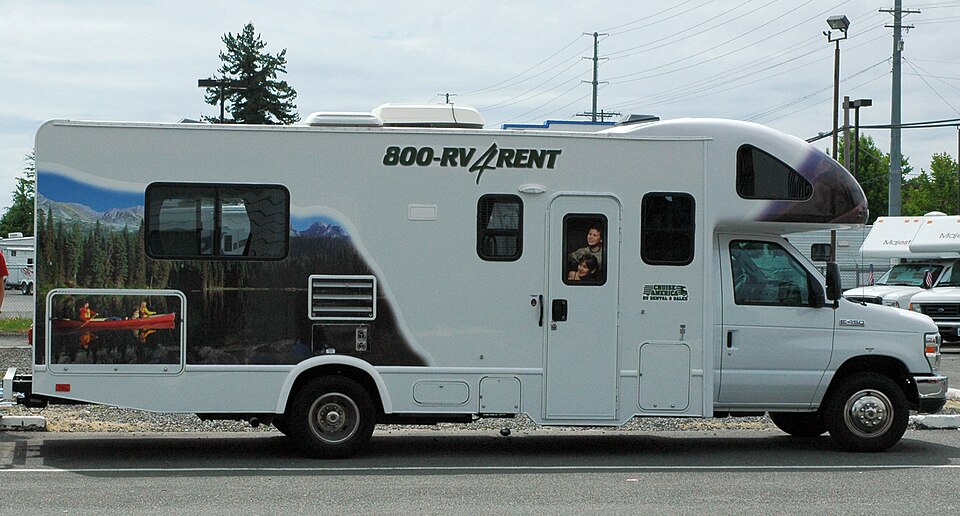
Getting to Chaco is half the adventure. The most common route is via Hwy 550, turning off onto CR 790 and CR 795. The final 20 miles are unpaved and can be extremely rough. While many people make it in passenger cars during dry weather, a vehicle with higher clearance is strongly recommended to handle the deep ruts and washboard sections.
There is no fuel, food, or lodging inside the park. You must arrive with a full tank of gas and all the food you need for your entire stay. The nearest full-service grocery stores are in Farmington or Bloomfield, over an hour away. Fill your water jugs at the Visitor Center, but always carry a backup supply in your car. Because cell service is almost non-existent in the canyon, download your maps for offline use and let someone know your expected return time before you enter the park boundaries.
Pro-Tips for a Successful Trip
To make the most of your Chaco Culture itinerary, pack for all four seasons regardless of when you go. High-desert weather is unpredictable. Bring a wide-brimmed hat, high-SPF sunscreen, and a windbreaker. If you are interested in the astronomical aspects of the park, check the moon phases before booking; a new moon is best for seeing deep-sky objects, while a full moon illuminates the canyon ruins in a ghostly, beautiful glow.
Lastly, respect the site. The ruins are fragile and sacred to modern Pueblo, Hopi, and Navajo people. Stay on marked trails, never touch the ancient masonry, and leave every pottery shard exactly where you find it. Checking the official NPS website the morning of your trip is mandatory, as sudden rains can close the park access roads without warning, requiring you to pivot your plans to nearby paved attractions like the Bisti/De-Na-Zin Wilderness.

More ways to book Chaco Culture
 Illustrative · Diego Angel
Sprinter Adventure Van
Small enough to park at the trailhead, comfy enough to sleep in.
$189/day (estimate)
Direct link · RVshare