
Buffalo National River is a place to slow down around a free-flowing river, tall limestone bluffs, wooded trails, and gravel bars that change with the water. You can build a two- to four-day trip around hiking and camping alone, or add a guided or outfitter-supported float when conditions are suitable, using one part of the park as your base instead of trying to cover every river access point.
Paddle Beneath the Bluffs
A canoe or kayak trip gives you a different perspective on the Buffalo's limestone bluffs and wooded banks. Select a stretch based on current water levels, your experience, and the time you actually want to spend paddling. The upper, middle, and lower river can offer different conditions, and a popular route is not necessarily the right route for every visit.
An authorized outfitter can help arrange rental equipment and a vehicle shuttle. Confirm the launch, takeout, expected trip length, and cancellation arrangements before booking. Wear a properly fitted life jacket and secure anything you cannot afford to lose. Check official NPS river information and local weather, and skip the float when conditions are outside your group's abilities.
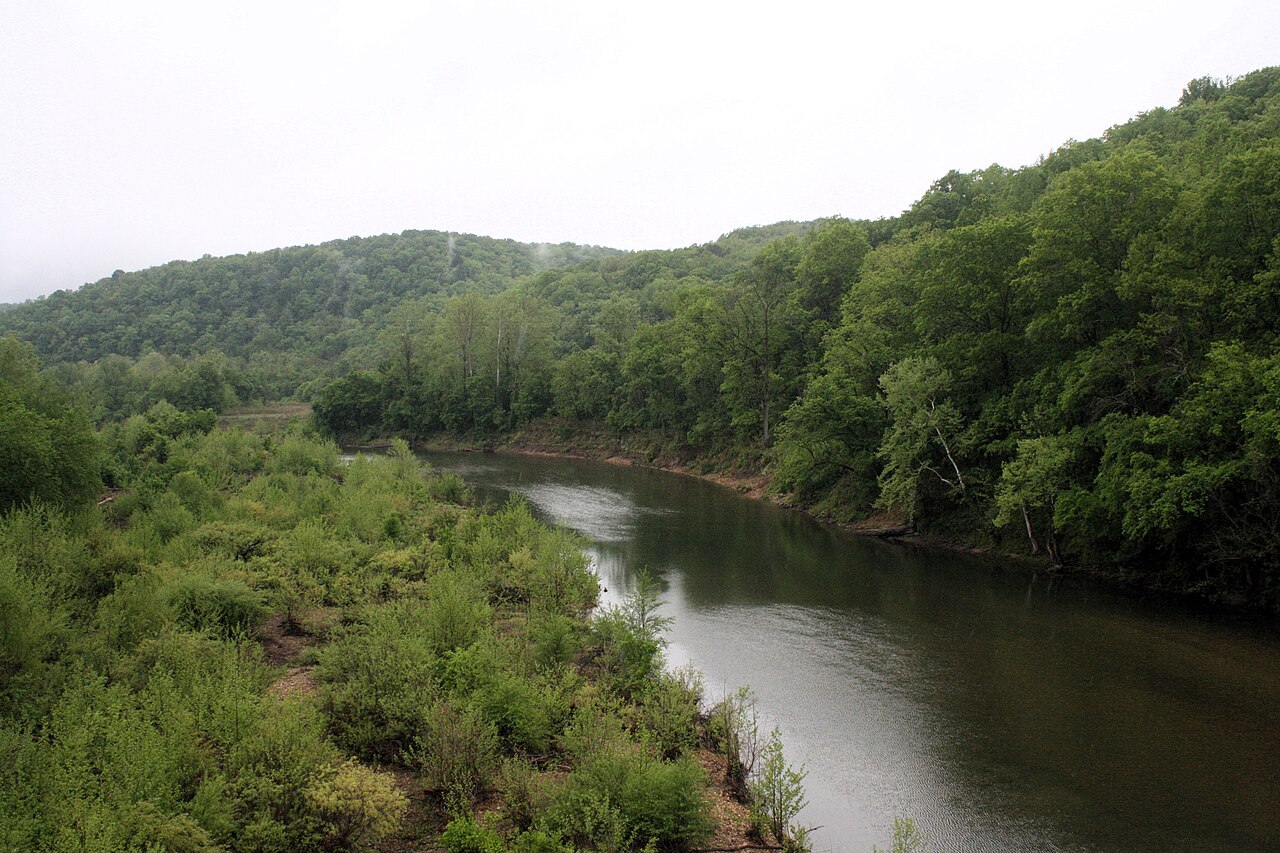
Hike to Historic Places and Bluff Views
The upper river is a useful base for combining several recognizable landscapes. Lost Valley is known for its wooded setting and rock formations, while the trail to the historic Parker-Hickman Farmstead near Erbie offers a look at the area's agricultural past. For longer outings, sections of the Buffalo River Trail explore more rugged terrain.
Choose hikes by distance, elevation change, and footing rather than photographs alone. Trails can include slick rock, creek crossings, steep climbs, and exposed edges. Stay back from cliffs and do not enter caves unless current park guidance explicitly allows access. Scenic drives around Ponca, Jasper, and the surrounding Ozark roads can fill the rest of the day, but allow time for curves and avoid relying on mileage alone.

Watch Wildlife and Spend Time by the Water
The river corridor supports birds and other wildlife, and the Boxley Valley area is well known for elk viewing. Early morning or evening can be rewarding times to look, although sightings are never guaranteed. Bring binoculars so you can watch without approaching animals or crowding them against roads and fences.
Use designated parking or appropriate pullouts, respect private property, and keep traffic lanes clear. Along the river, a quiet gravel-bar stop can be just as memorable as a formal wildlife outing. Watch birds, sketch the bluffs, or photograph reflections from shore. Water depth and current vary, and there are no guarantees that a familiar swimming spot will have the same conditions on your next visit.
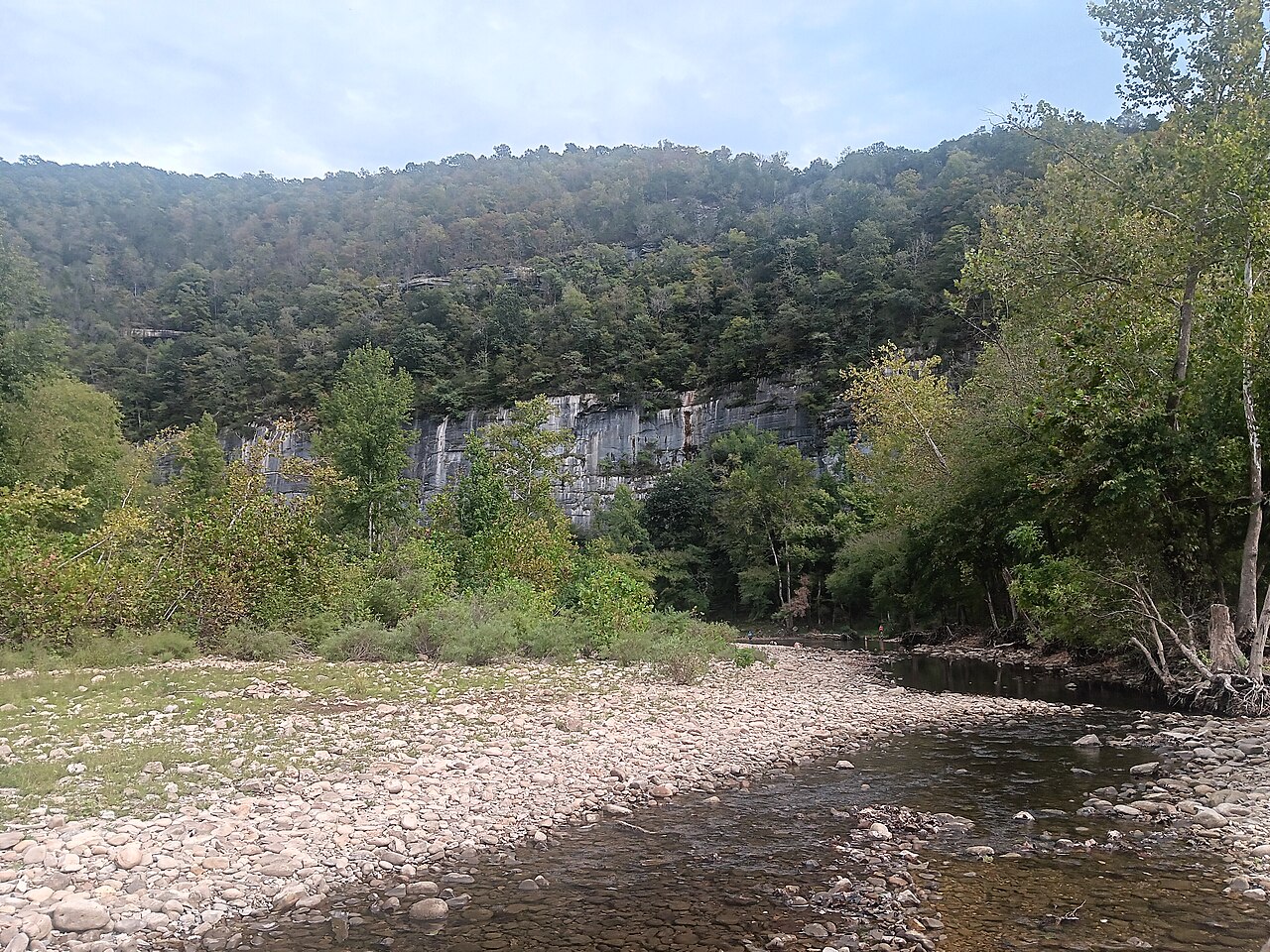
Keep Family Outings Short and Flexible
With kids, one short hike and one relaxed river stop often work better than a packed sightseeing list. Choose a developed access area with the facilities your family needs, then verify those facilities are operating before you go. Bring snacks, sun protection, extra clothes, and enough drinking water for the whole outing.
Ask about current Junior Ranger materials through the park, and turn walks into simple observation games focused on leaves, birds, and bluff shapes. Keep children close around water and away from cliff edges; life jackets are important for water activities. For a family float, discuss ages, experience, and river conditions with an outfitter rather than choosing only by advertised trip length. Leave room for an early return to camp.
Use Rainy Days for a Slower Change of Plans
Rain can make trails muddy and rock surfaces slippery, while heavy rain can quickly change river conditions. Do not treat a wet forecast as an automatic waterfall-hunting opportunity, especially when an outing involves creek crossings, caves, or narrow drainage areas. Check NPS alerts before leaving your base and be willing to cancel outdoor plans.
When roads are open and weather allows, a short town visit to Jasper or another nearby community can provide a meal and a break from camp. The Tyler Bend visitor center may offer an indoor orientation option; verify current access and hours through NPS. A cabin afternoon with maps and books is also a reasonable choice. Avoid scenic drives during severe weather or flooding.