
Buffalo National River glamping usually means looking beyond standard park campsites for a furnished stay in the surrounding Ozark communities, whether that is a cabin or a tent-style accommodation with added comforts. Availability and amenities vary by property, so use the label as a starting point rather than a promise, and choose your base according to the hikes, river access points, and driving routes you expect to use most.
What Glamping Looks Like Around the Buffalo
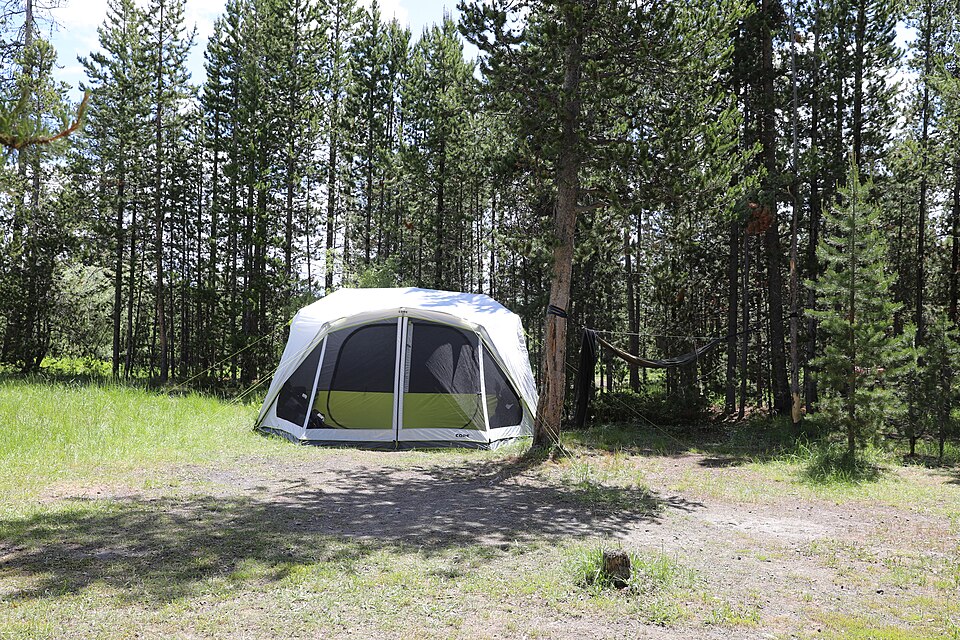
Around Buffalo National River, the most useful way to think about glamping is a comfortable outdoor-oriented stay that reduces the gear you need to bring. A furnished cabin may fit that goal as well as a canvas tent or another specialty structure. Do not assume the park's developed campgrounds provide furnished accommodations; check each lodging listing independently.
Look closely at the basics: a real bed, linens, climate control, cooking equipment, drinking water, and bathroom access. An attractive deck or fire pit does not tell you whether the toilet is private or whether the interior stays comfortable in hot weather. Ask about steps, parking distance, road access, and accessibility needs before booking. Photos alone rarely answer those practical questions.
Choose a Gateway Area That Fits Your Trip
Ponca and Jasper are useful search areas for travelers focused on Lost Valley, Boxley Valley, and the upper river. Staying in this general area can reduce driving when those places make up most of your itinerary. Compare the actual property location with your planned trailheads rather than relying on a town name in the listing.
For middle-river plans, look around St. Joe and Marshall, then map the drive to Tyler Bend or your chosen access point. Yellville can be a useful search area for lower-river trips. These are geographic starting points, not guarantees of a particular lodging type. Rural properties may sit well outside town, and a short distance on the map can involve slow, winding roads.
Match Your Stay to the Season
Spring glamping can make rainy days more manageable, especially when your accommodation has indoor cooking space and a place to dry clothing. Ask whether access roads are paved or gravel and how the host communicates weather-related access problems. A furnished tent is still more exposed to outdoor conditions than a solid cabin.
In summer, confirm cooling, shade, screens, and bathroom arrangements rather than assuming every glamping unit has air conditioning. Fall is appealing for cool evenings and hiking, but reliable heat becomes more important as nights cool. Winter requires a closer look at insulation, plumbing, and seasonal availability. In every season, check the official NPS site for park conditions separately from the lodging property's own updates.
Where to sleep
Harvest Hosts stays on the way to Buffalo National River
Partner link · Harvest Hosts
Glamping vs. Tent Camping vs. RV Camping
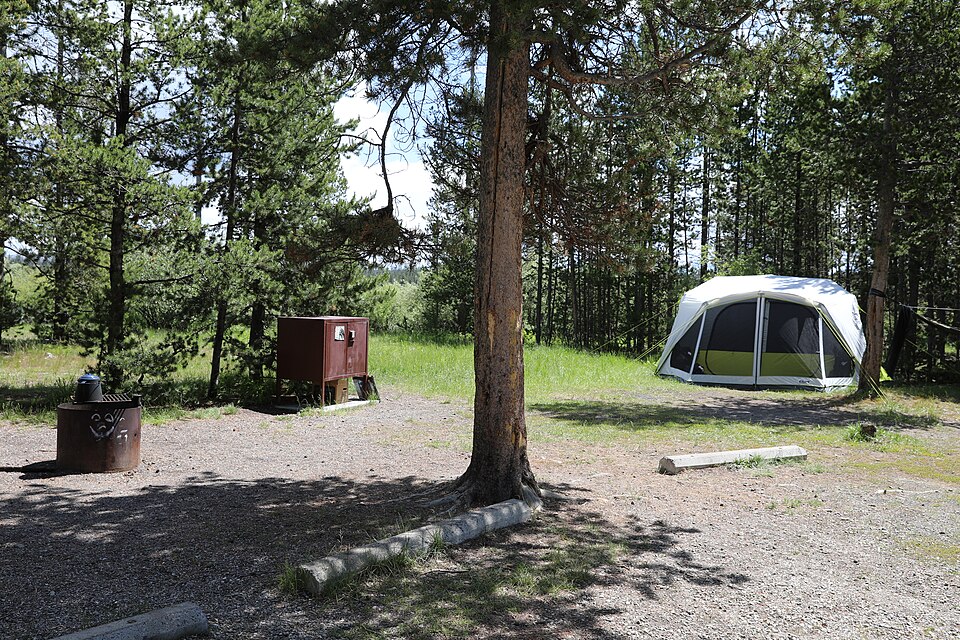
Tent camping suits travelers who already own gear and want to spend most of their time outdoors. Developed park campgrounds differ in facilities, so verify drinking water, restrooms, seasonal services, and reservation procedures for the specific campground. A campsite reservation does not imply equipment is provided.
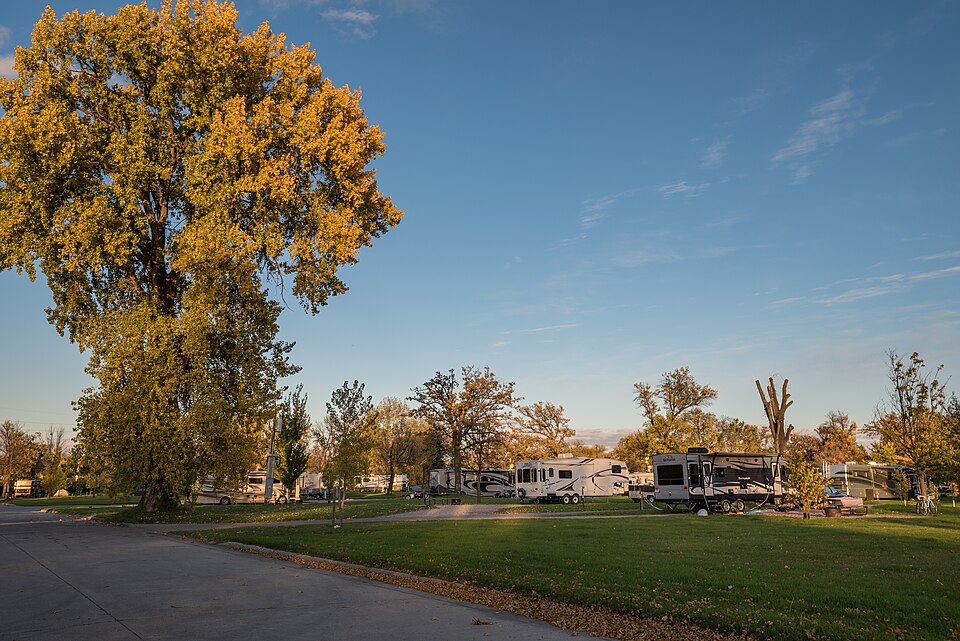
Glamping or a cabin usually costs more than a basic tent site but can simplify packing and provide a more comfortable place to wait out poor weather. RV camping gives you a familiar sleeping setup, yet hookups, site dimensions, and road access need careful checking. Not every campground can accommodate every rig. Compare the full stay, including cleaning charges, equipment needs, fuel, and driving distance, rather than judging options only by a nightly rate.
What to Check Before You Book
Start with a map, your preferred activities, and a realistic comfort checklist. Ask about minimum stays, cancellation terms, pets, kitchens, bedding, and whether bathrooms are shared. Confirm any advertised river access: being near the Buffalo does not necessarily mean you can walk to a public launch or arrange a shuttle from the property.
Treat your initial lodging budget as a rough estimate until you see the complete booking total. Reserve once your plans are firm, especially for summer weekends and popular fall dates, without assuming a particular booking window applies everywhere. Check current fire restrictions before planning campfires. For park campground reservations, closures, and river conditions, use the official Buffalo National River NPS site rather than relying on a lodging description.