
The best time to visit Buffalo National River depends on whether you want a river trip, cooler hiking weather, or long days around camp beneath the Ozark bluffs. Spring often brings better paddling opportunities, summer draws families to the water, and fall offers comfortable hiking and changing leaves, but river levels and weather matter more than the calendar when you are planning any specific stretch of the Buffalo.
Spring: Flowing Water and Greener Trails
Spring is a strong choice for travelers who want to combine hiking with a possible float trip. The surrounding hills turn green, wildflowers appear, and seasonal waterfalls are more likely to be flowing after rain. Temperatures can shift considerably, so bring layers and rain protection rather than packing for consistently warm days.
Rain also makes the river unpredictable. Higher water does not automatically mean suitable paddling conditions, and thunderstorms can disrupt camping or close access routes. Keep a land-based backup plan and avoid building your entire visit around one launch point. Check the official Buffalo National River NPS site for current alerts and river information, then confirm conditions with your outfitter before departing.
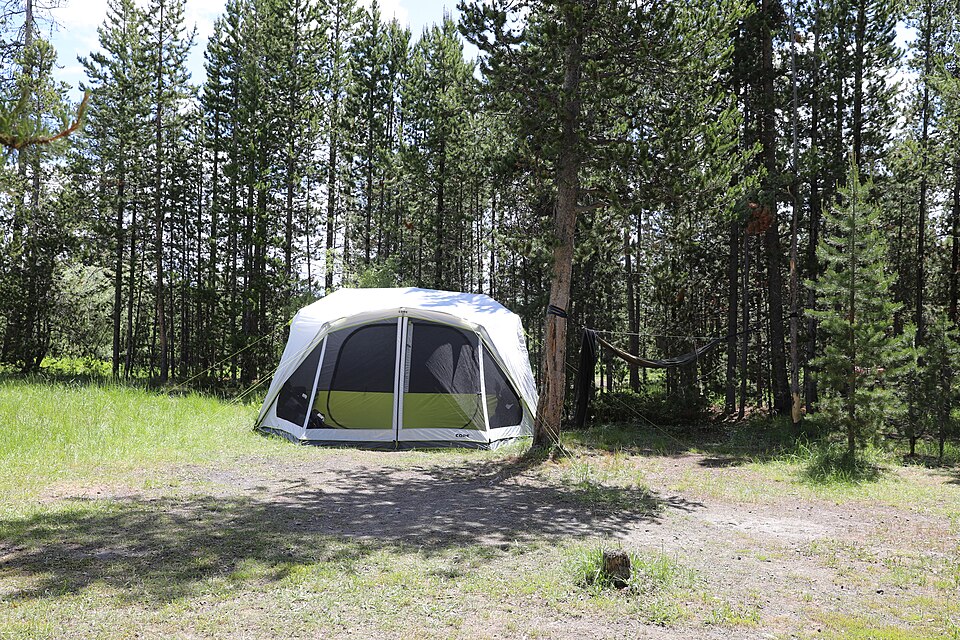
Lock in a stay for this season
RV parks near Buffalo National River on RoverPass
Partner link · RoverPass
Summer: Water Time and Busy Weekends
Summer brings long daylight hours, warm weather, and plenty of interest in swimming, paddling, and riverside camping. It is a natural fit for family trips, especially when you can start outdoor activities early and spend the hottest part of the afternoon somewhere shaded. Expect heat, humidity, insects, and the possibility of thunderstorms.
River levels often drop as summer progresses, particularly in the upper river, so a route that works in spring may be too shallow later. Ask about the actual stretch you hope to paddle rather than general river conditions. Popular access points and campgrounds are busiest on weekends and holidays. A weekday stay can make parking, launching, and finding a quieter campsite easier.
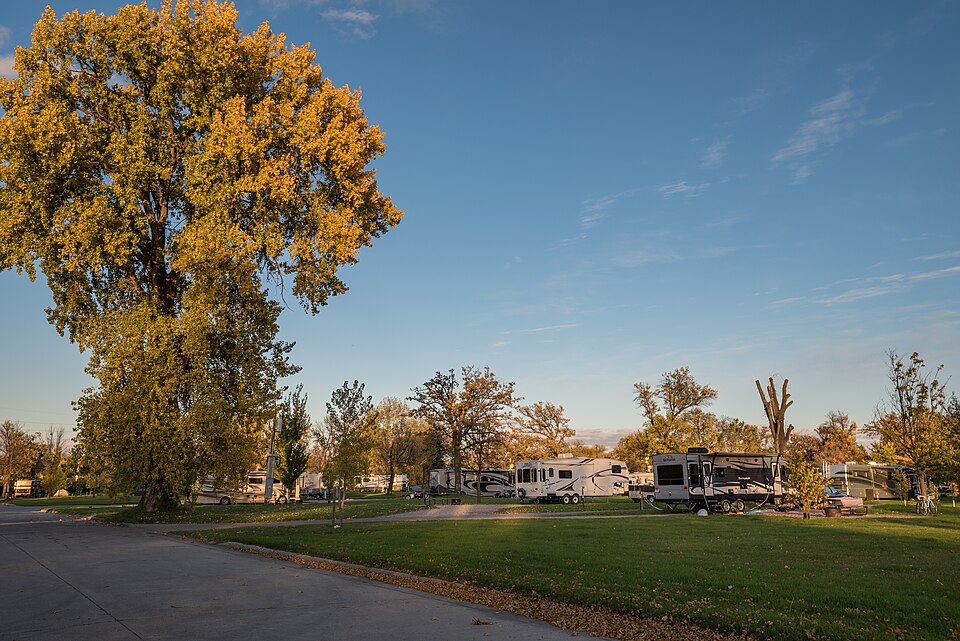
Lock in a stay for this season
Campsites near Buffalo National River on Campspot
Partner link · Campspot
Fall: Hiking, Color, and Cooler Nights
Fall is especially appealing for hiking and camping, with cooler mornings and changing foliage across the Ozark hills. Color timing varies with weather and elevation, so treat any peak-color prediction as a guide rather than a promise. Bring warm sleeping layers: a comfortable afternoon can turn into a chilly evening at camp.
Paddling may still be possible, but low water can limit options unless recent rainfall changes conditions. Plan the trip around trails and scenery, then add a float if the river cooperates. Autumn weekends can still draw substantial crowds around well-known trailheads and overlooks. Reserve lodging once your dates are firm, particularly if you want a cabin or a specific developed campsite.
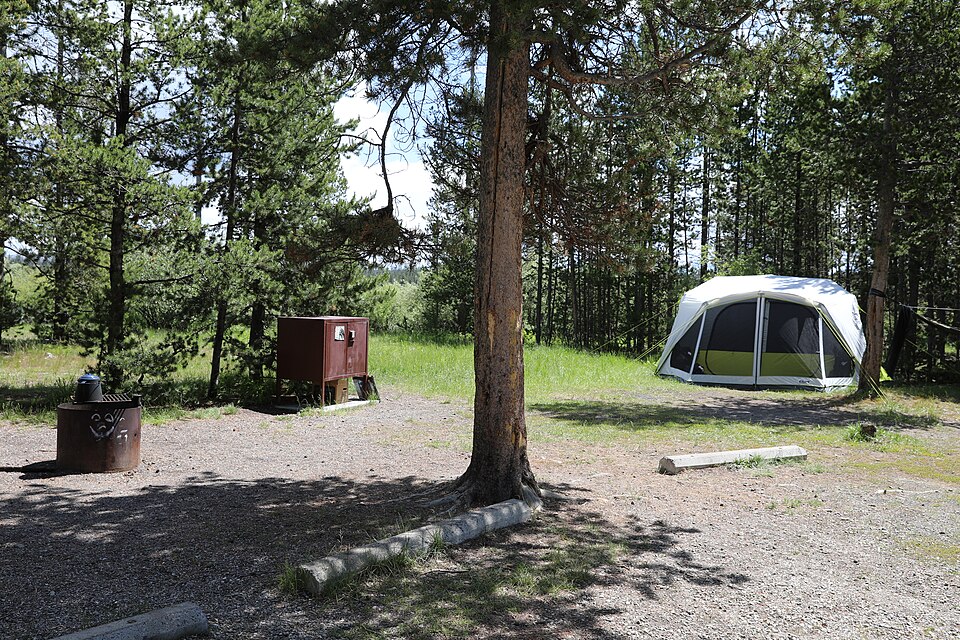
Lock in a stay for this season
Harvest Hosts stays on the way to Buffalo National River
Partner link · Harvest Hosts
Winter: Quiet Scenery with More Limitations
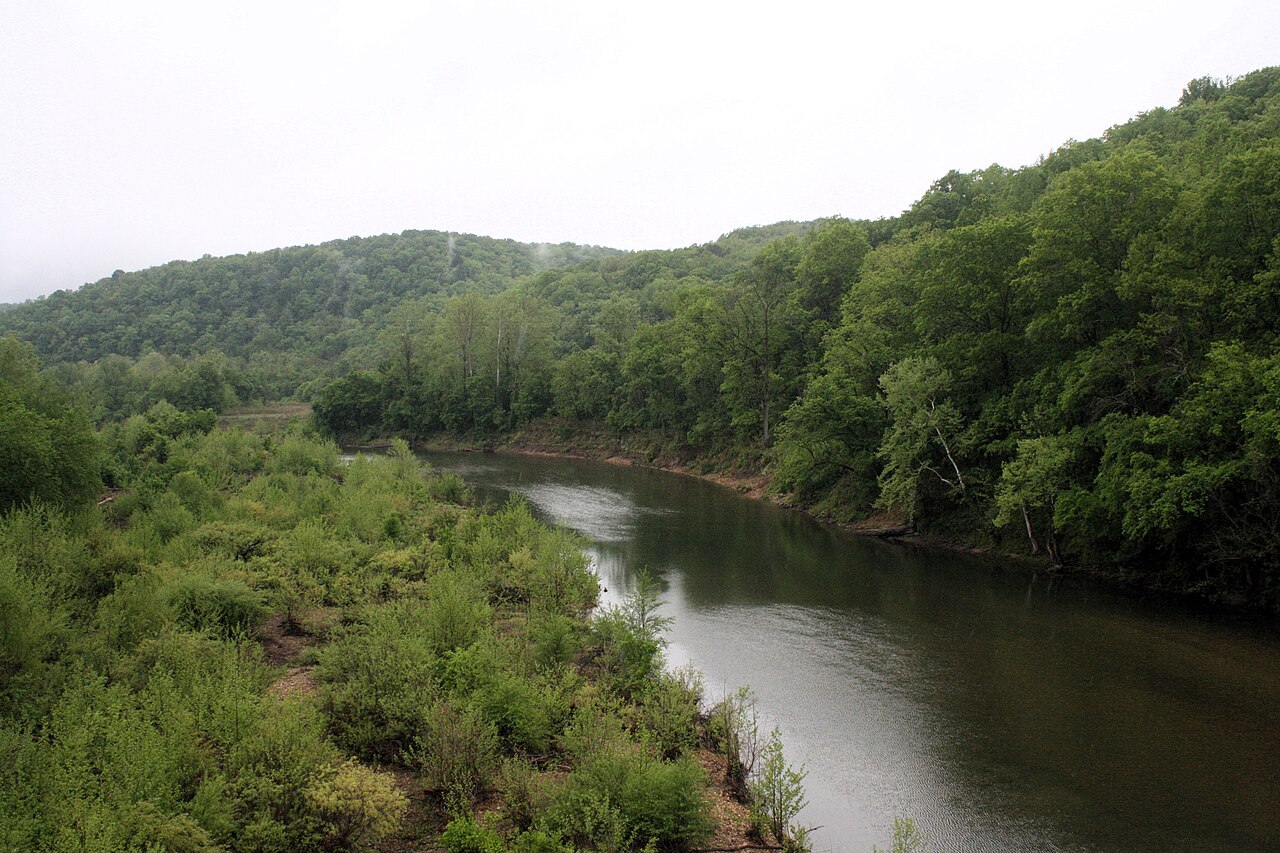
Winter offers a quieter way to experience Buffalo National River, with bare trees opening views of bluffs and hillsides. Mild days can be pleasant for hiking, but freezing temperatures, ice, and short daylight hours require more conservative planning. Wet or icy rock can make otherwise straightforward trails difficult, especially near exposed edges.
Some campground services and nearby lodging operations may be reduced seasonally. Do not assume water, restrooms, or other facilities will be available simply because a campground appears on a map. A cabin base can be more practical than tent camping for a first winter visit. Check the official NPS site for closures and facility updates, and keep extra flexibility for travel during winter weather.
When to Reserve and How to Choose Your Dates
For the easiest planning, pick your main activity first and let that guide your season. Choose spring for a trip centered on potential paddling, summer for warm-weather family time, and fall for hiking and cooler camping. None of these seasons guarantees suitable river conditions, so leave at least one day flexible.
Book lodging and any reservable campsites as soon as your dates and the applicable booking window allow. River shuttles and rental equipment also deserve advance attention on busy weekends. Reservation rules vary by campground, and not every site uses the same system. Use the official Buffalo National River NPS site to verify current campground arrangements, reservation links, weather alerts, and access conditions before committing to a detailed schedule.

More ways to book Buffalo National River
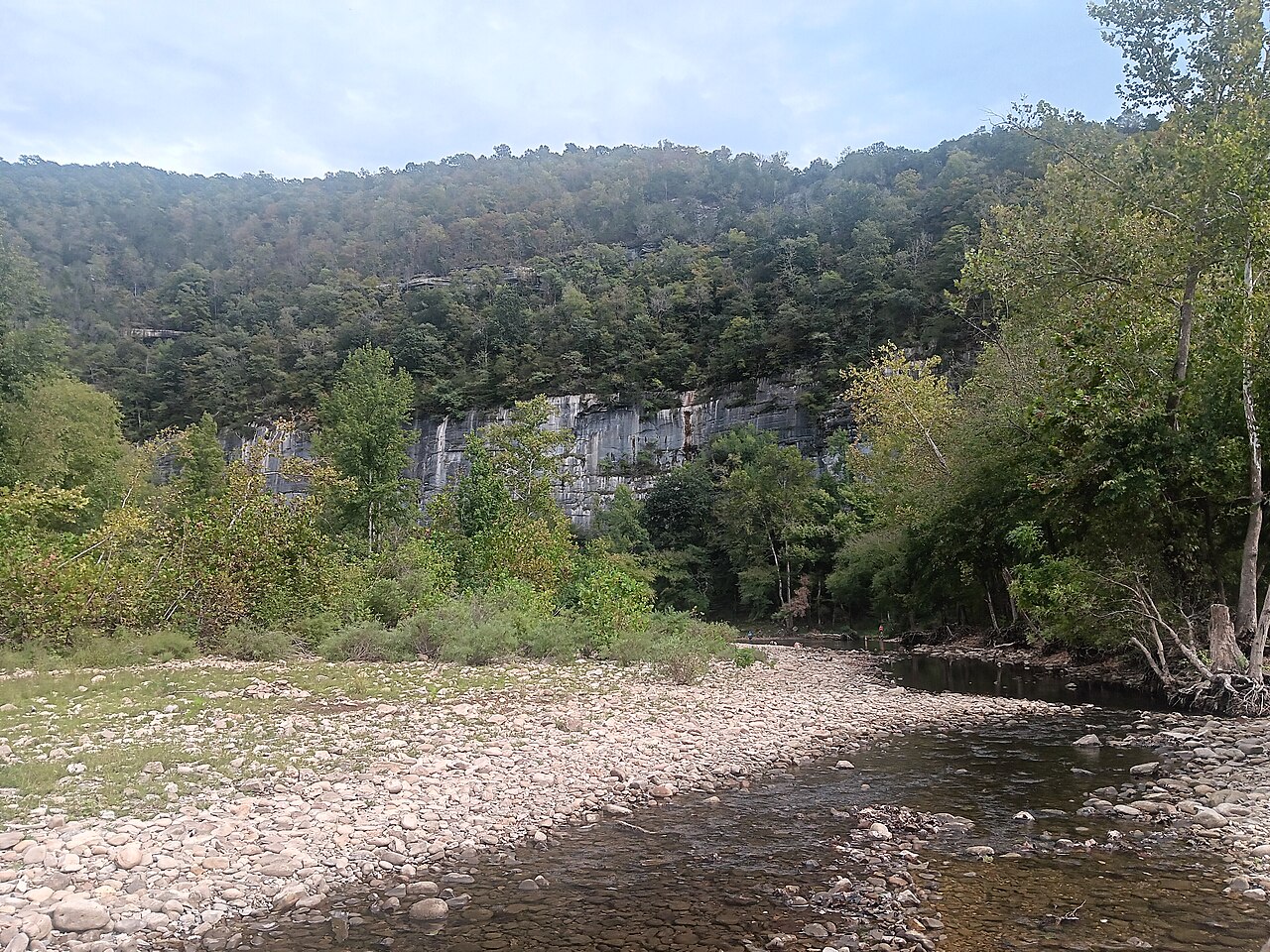 Illustrative · Brandonrush
Buffalo Point Camping
One of the classic ways to experience Buffalo National River.
Varies (estimate)
Partner link · Viator