
This Buffalo National River itinerary uses the upper river near Ponca and Jasper as a practical base for hiking, camping, and an optional float, with room to extend your stay toward the middle river. No airport or drive-time details were provided, so plan arrival around your actual flight and lodging location rather than assuming a quick transfer; the park is spread out, and winding roads make a relaxed schedule worthwhile.
Day 1: Arrive and Settle into the Upper River
Make your first day about reaching your campsite or lodging, buying supplies, and getting oriented. If you are flying, compare regional flight options with your actual base before booking a rental car; there is no single airport that is most convenient for every part of this long river corridor. Leave your transfer time open until you have mapped the complete route.
Once settled near Ponca or Jasper, choose a short river-access visit rather than a demanding hike. If daylight and energy allow, look for elk from appropriate viewing areas around Boxley Valley. Keep dinner simple and check the next day's weather and park alerts. Arriving before dark is especially helpful when locating an unfamiliar campground on rural roads.
Day 2: Hike Lost Valley and Explore Nearby Scenery
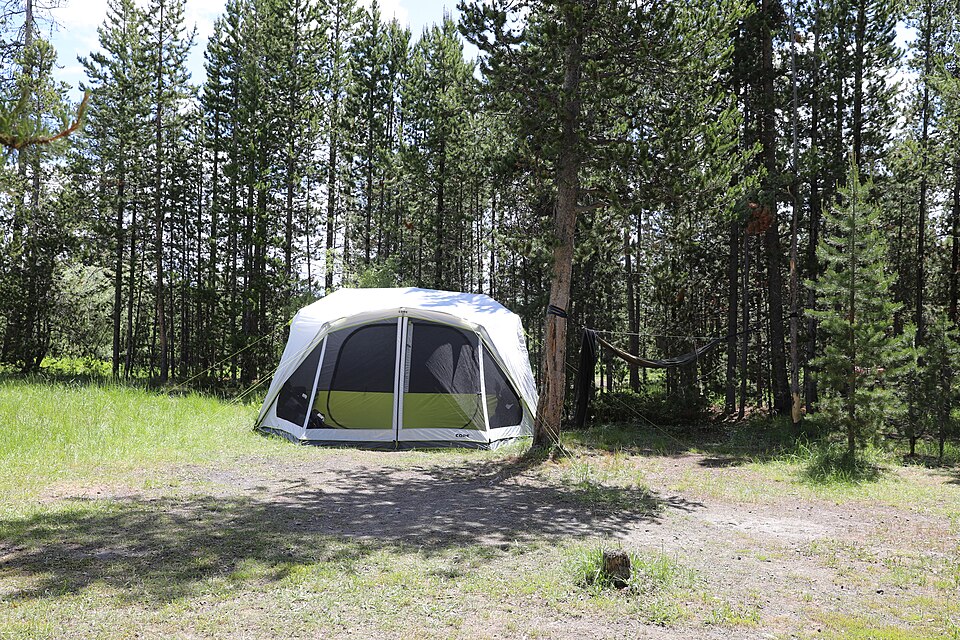
Start with Lost Valley, checking the current trail description and any closures before leaving camp. Give yourself enough time to enjoy the wooded setting without rushing toward a particular feature. Waterfall flow depends on recent weather, and wet conditions can change the difficulty of the walk. Turn around whenever footing or weather exceeds your comfort level.
After lunch, choose a nearby river stop or a scenic drive around the upper-river area. Avoid stacking several distant trailheads into the afternoon. If you have only two days, this makes a complete short visit: one base, one signature hike, and time beside the river. If staying longer, confirm tomorrow's float arrangements or choose a dry-land alternative before evening.
Day 3: Float the River or Take a Second Hike
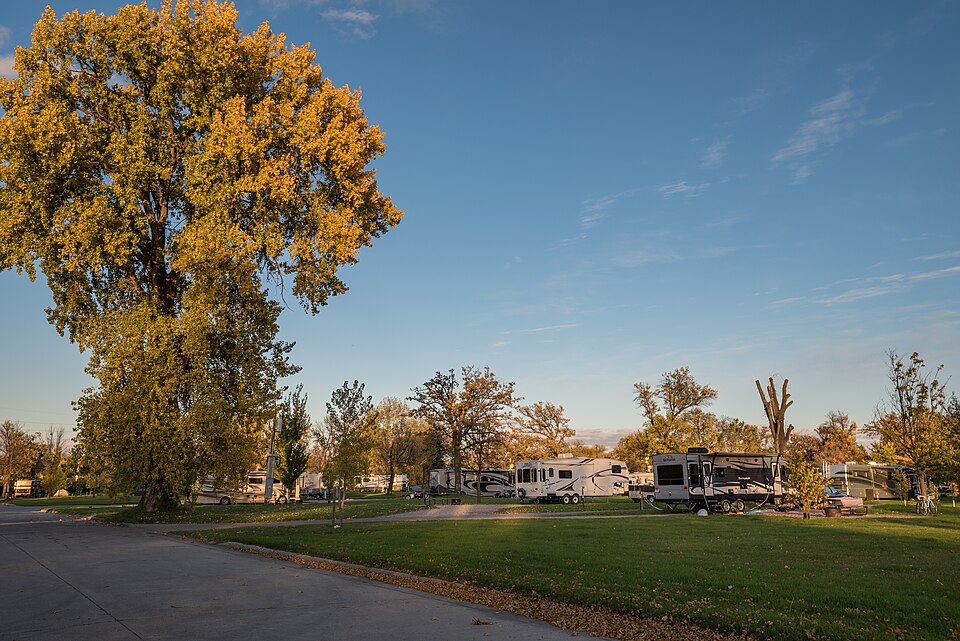
Use your third day for a float only if current water levels, weather, and your group's experience support it. Ask an authorized outfitter to recommend an appropriate stretch and arrange the shuttle. Confirm where you need to be, what equipment is included, and how much time to allow beyond the time actually spent on the water.
If conditions are unsuitable, keep the day on land. Consider the historic farmstead area near Erbie or another hike identified through current NPS trail information. This is also a good day to enjoy camp without a long drive. Keep the evening flexible, especially after paddling, when loading gear, retrieving vehicles, and drying clothing can take longer than expected.
Where to sleep
Harvest Hosts stays on the way to Buffalo National River
Partner link · Harvest Hosts
Day 4: Add Tyler Bend or Enjoy a Slow Departure
With a fourth day, consider exploring Tyler Bend in the middle-river area if it fits your onward route. It offers another perspective on the river and access to developed recreation facilities. Check the official NPS site for current visitor center availability and trail information before making the drive, and select a short outing that leaves a comfortable departure buffer.
You do not need to move downriver simply to complete the itinerary. A final morning near your original base may be more satisfying, particularly if you have a flight or a long drive home. Pack camp carefully, collect all trash, and leave time to dry or contain wet gear. Avoid scheduling a float immediately before a fixed departure.
Planning Tips: Reservations, Driving, and Costs
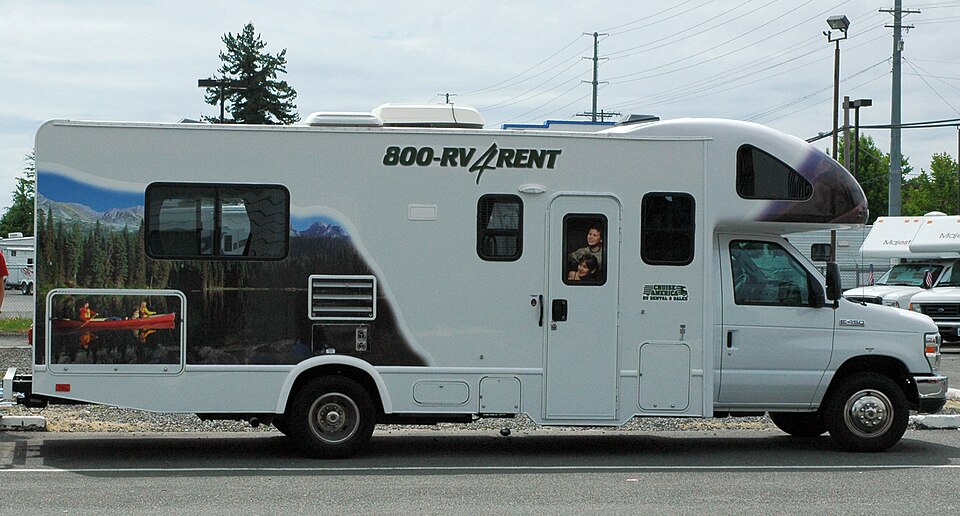
Keep most activities in one river district to reduce backtracking. Download maps before arrival, carry a paper backup, and do not assume reliable cell service at trailheads or campgrounds. Check the suitability of access roads for your vehicle, particularly after rain or when towing a trailer.
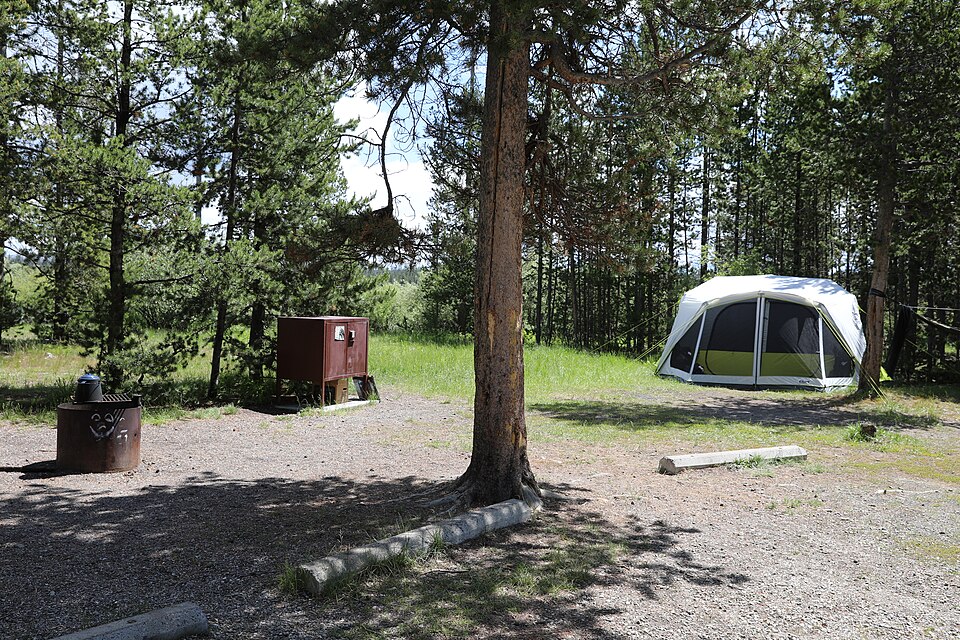
Your main expenses will likely be transportation, lodging or camping, food, and any outfitter services. Treat early budget figures as rough estimates until you have checked current rates and reservation terms. Tent camping generally keeps lodging costs lower than a furnished cabin, while rentals and shuttles add to a paddling day. Use the official Buffalo National River NPS site for current conditions, campground reservation guidance, closures, and applicable rules before finalizing your trip.
More ways to book Buffalo National River
 Illustrative · Diego Angel
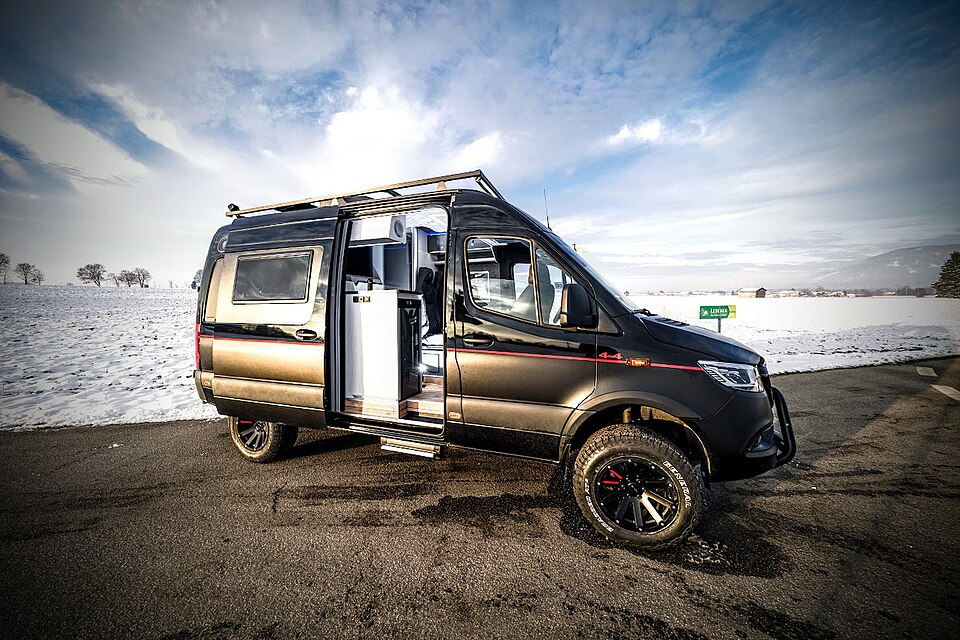
Sprinter Adventure Van
Small enough to park at the trailhead, comfy enough to sleep in.
$189/day (estimate)
Direct link · RVshare