
Bighorn Canyon National Recreation Area is a hidden gem spanning the border of Wyoming and Montana, offering a diverse array of outdoor pursuits. Whether you are gliding between thousand-foot limestone cliffs on a boat or trekking through high-desert plateaus, the landscape demands your full attention. The park is divided into two districts, each offering unique ways to connect with the rugged beauty of the West. From exploring preserved pioneer ranches to spotting wild mustangs, there is an adventure here for every type of traveler looking to escape the crowded tourist corridors.
Boating and Water Exploration
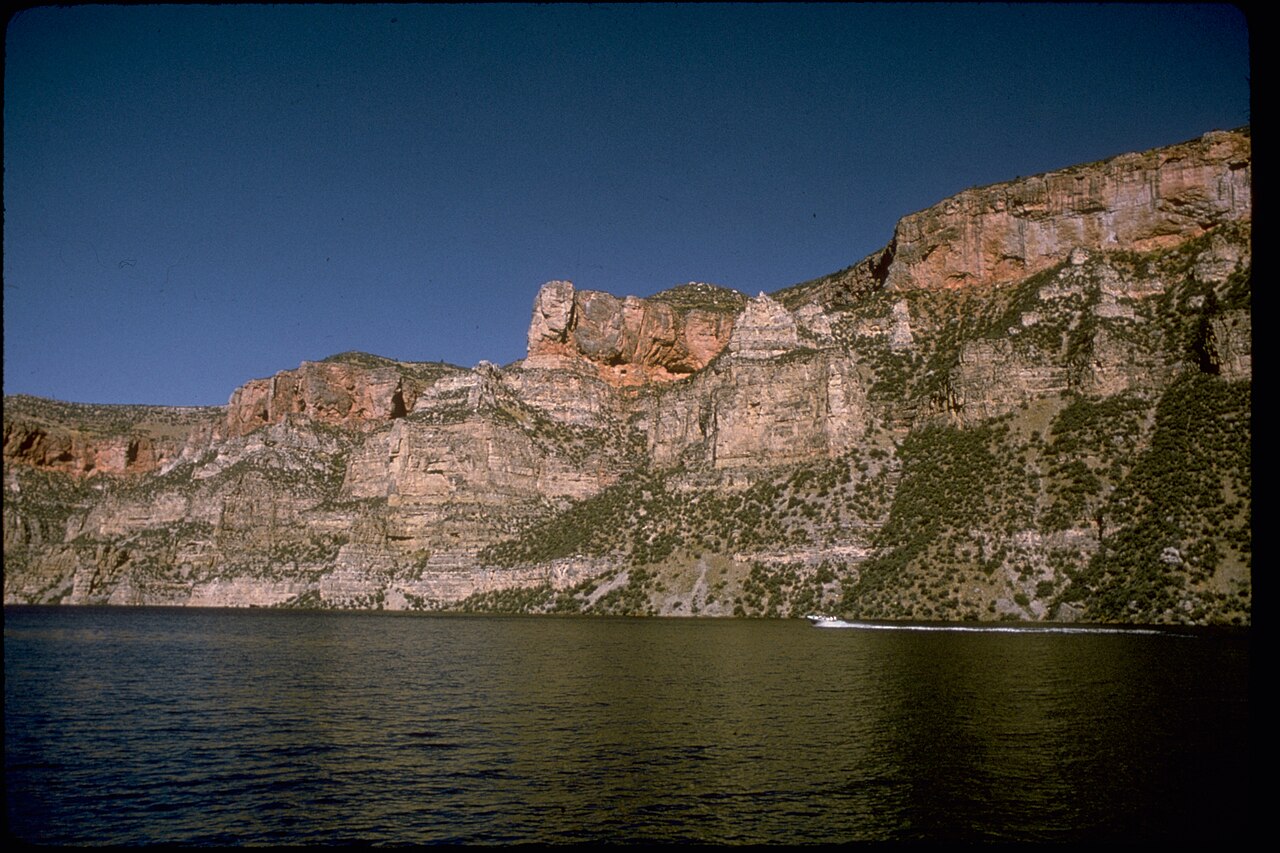
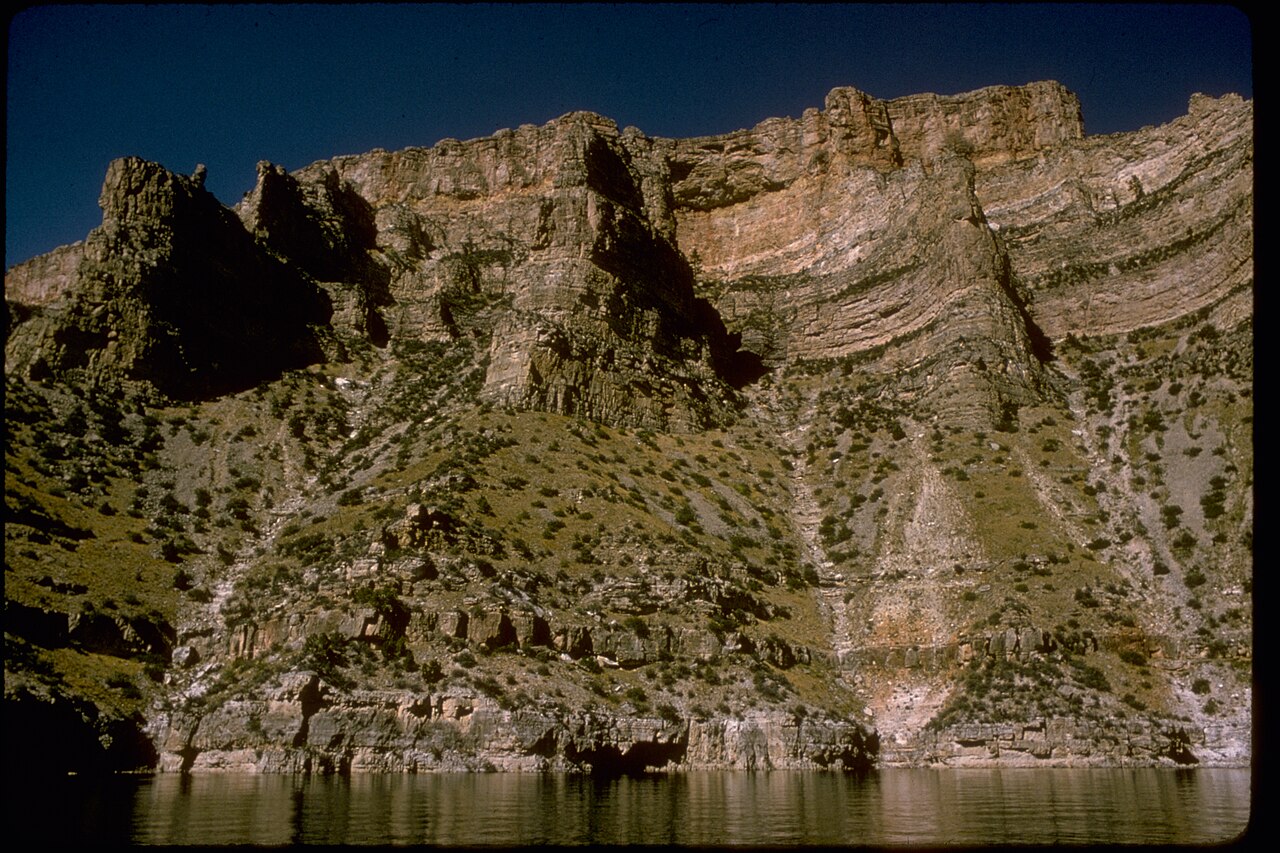
The centerpiece of the recreation area is Bighorn Lake, which stretches for over 60 miles through the winding canyon. Boating is the most popular way to experience the sheer scale of the rock walls, which rise dramatically from the water's edge. You can launch your own vessel or rent one from the marinas located in either the North or South districts. Navigating the narrow corridors of the canyon provides a unique perspective on the geological history of the region, revealing colorful layers of siltstone and limestone.
For a more intimate experience, kayaking and canoeing allow you to tuck into small inlets and hidden coves that larger motorized boats cannot reach. These quiet waters are perfect for observing the cliff-dwelling birds and the occasional Bighorn sheep coming down for a drink. Be sure to check water levels at the NPS visitor center before launching, as the reservoir height fluctuates based on dam operations, which can impact dock accessibility and hidden hazards in the water.
Hiking the Rim and Plateau
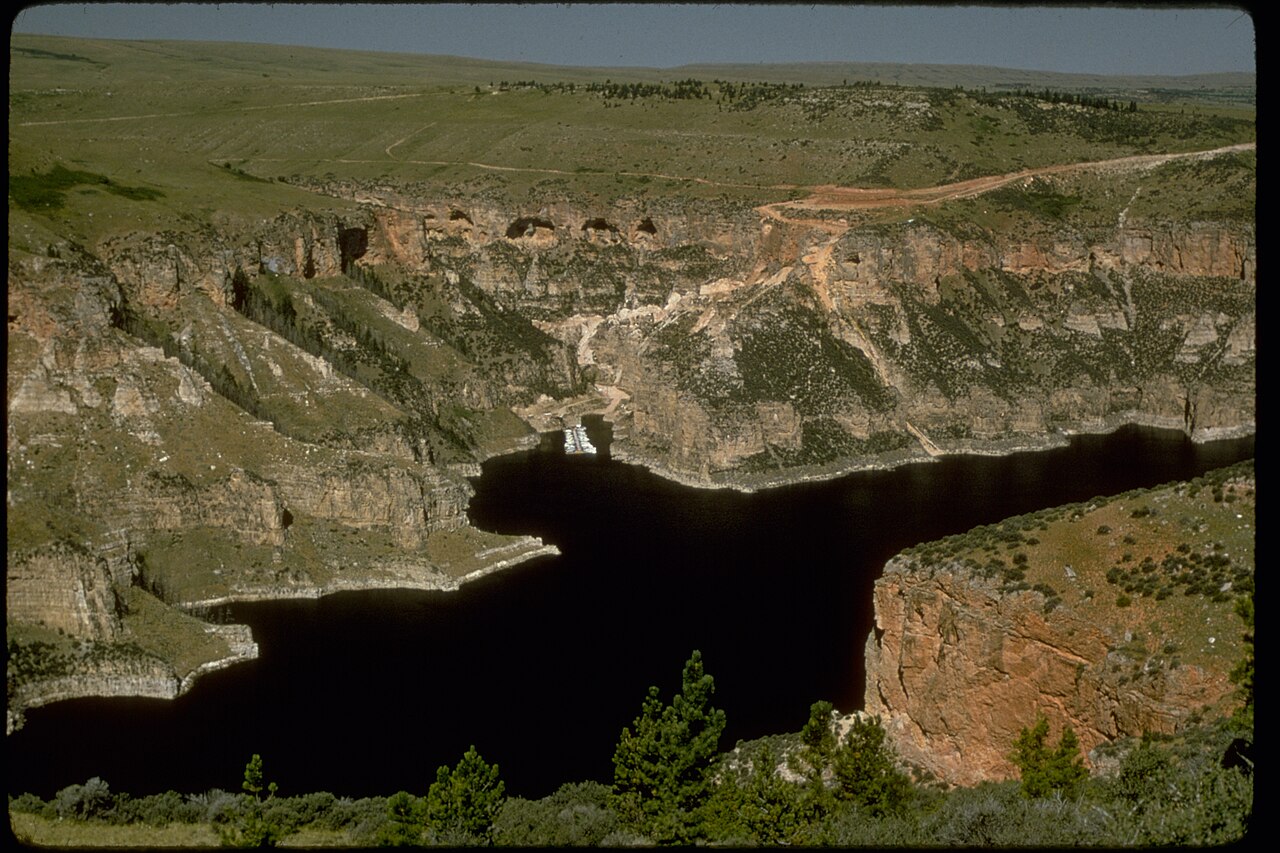
Hiking in Bighorn Canyon offers a starkly different experience than the alpine trails of the nearby Rockies. The terrain here is high desert, characterized by sagebrush, juniper, and expansive views. The Rim Trail is a must-do for anyone visiting the South District, providing a relatively flat path along the canyon's edge with multiple viewpoints into the abyss below. For those seeking more of a challenge, the Sullivan Knob Trail offers a trek to a natural acoustic amphitheater where your voice can echo across the water far below.
Wildlife viewing is a natural byproduct of hiking here. Keep a sharp eye out for the Pryor Mountain Wild Mustang herd, which often grazes on the plateaus near the park boundaries. These horses are descendants of colonial Spanish stock and are a rare sight in the modern West. Remember to carry significantly more water than you think you need, as the combination of high altitude, dry air, and lack of shade can lead to rapid dehydration even on moderately warm days.
Exploring Historic Ranches
History enthusiasts will find plenty to explore in the South District, where several historic ranches have been preserved to tell the story of early frontier life. The Mason-Lovell Ranch and the Ewing-Snell Ranch offer a glimpse into the late 19th-century cattle industry. Walking among the remaining log cabins, barns, and corrals, you can imagine the grit required to survive in this beautiful but unforgiving environment.
These sites are accessible via short walks or scenic drives and provide a fascinating contrast to the natural wonders of the canyon. The Lockhart Ranch, in particular, is a sprawling complex that was once a successful homestead run by a single woman, Caroline Lockhart, a famous journalist and novelist of her time. The park service maintains these structures to ensure the heritage of the Bighorn Basin is not lost, making them excellent spots for photography and quiet reflection on the passage of time and the resilience of the pioneers who called this canyon home.
Scenic Overlooks and Photography
If you are short on time or prefer a less strenuous visit, the scenic drives in Bighorn Canyon are world-class. The drive to Devil Canyon Overlook is perhaps the most iconic experience in the park. From this vantage point, you can look down nearly 1,000 feet to where the Bighorn River makes a sharp U-turn, creating a dramatic horseshoe bend framed by colorful cliffs. This spot is particularly breathtaking during the golden hour just before sunset, when the light hits the red rocks and reflects off the water.
Another essential stop is the Yellowtail Dam Visitor Center in the North District. Here, you can learn about the engineering marvel that created the lake and view the massive structure from above. Photographers will appreciate the diverse textures of the park, from the jagged rock formations to the soft desert light. Whether you are using a professional camera or a smartphone, the scale of the landscape makes it easy to capture stunning images that convey the raw power of the American West.
Family Activities and Rainy Days
Bighorn Canyon is an excellent destination for families, offering Junior Ranger programs that engage children with the park's geology and ecology. The visitor centers in Lovell and near Fort Smith feature interactive exhibits, fossils, and short films that provide context for what you will see in the field. If you encounter a rainy day, these centers are the perfect place to spend a few hours learning about the Apsáalooke (Crow) people and their deep ancestral connection to this land.
For a light outdoor activity with kids, the Ranger Delight trail offers an easy walk with educational signage. Fishing is another popular family pastime, with the lake and the river below the dam known for world-class trout and walleye. If the weather turns sour, the nearby town of Lovell has local museums and small-town charm to explore until the clouds break. Regardless of the weather, always check the official NPS website for daily updates on road conditions, as rain can make some of the unpaved backcountry roads impassable for standard vehicles.