
Choosing the right season to explore Bighorn Canyon is essential for experiencing its dramatic contrast between high-desert plateaus and deep reservoir waters. While the park is open year-round, the vast difference between the scorching summer sun and the biting winter winds dictates which activities are accessible. Most visitors aim for the warmer months to take full advantage of the lake, but shoulder seasons offer a quiet solitude that is hard to match in the more popular Western parks. Always consult the official National Park Service website for current water levels and road closures before finalizing your travel dates.
Summer Peaks and Water Recreation
Summer, particularly from June through August, represents the most popular window for visiting this rugged landscape. Temperatures often climb into the 90s, making the deep blue waters of Bighorn Lake the primary draw for cooling off. This is the prime season for motorized boating, kayaking, and paddleboarding through the sheer limestone corridors. Because the sun is intense and shade is scarce on the plateau, water-based activities are far more comfortable than mid-day hiking.
If you plan to visit during this peak window, you should secure your boat rentals or camping spots well in advance, as the few developed marinas become the hub of all activity. Evenings are pleasant and provide the best opportunities for stargazing under the vast, clear Montana and Wyoming skies. Be prepared for occasional afternoon thunderstorms that can roll through the canyon quickly, creating dramatic lighting but requiring boaters to seek shelter immediately to avoid high winds and choppy water.
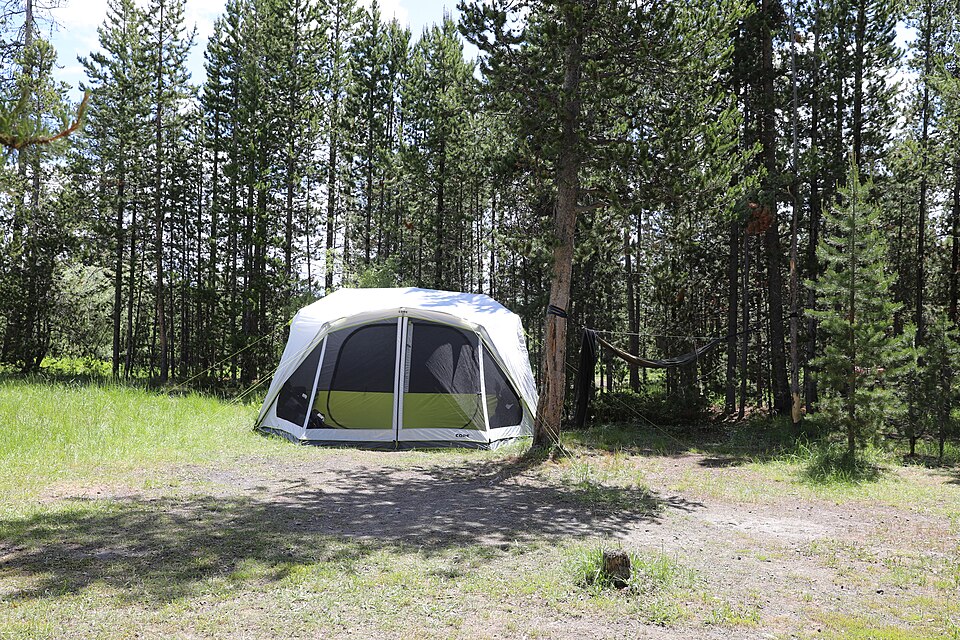
Lock in a stay for this season
RV parks near Bighorn Canyon on RoverPass
Partner link · RoverPass
Spring Blooms and Migrations
Spring in Bighorn Canyon is a season of transition, typically spanning from late April through May. As the winter snow melts from the surrounding Pryor Mountains, the high desert begins to show flashes of vibrant green and colorful wildflowers like lupine and desert cinquefoil. This is an exceptional time for birdwatchers and wildlife enthusiasts, as migratory birds return to the cliffs and the Bighorn sheep are often seen lower on the hillsides with their new lambs.
Temperatures are generally mild, ranging from the 50s to the 70s, which is ideal for hiking the Rim Trail or exploring the historic ranches without the risk of heat exhaustion. However, spring weather is notoriously unpredictable in this region; you might experience a perfect sunny day followed by a sudden spring snow shower. It is a quieter time to visit compared to the summer rush, offering a more contemplative experience of the canyonâs immense scale and prehistoric geological layers.
Fall Foliage and Cooler Hikes
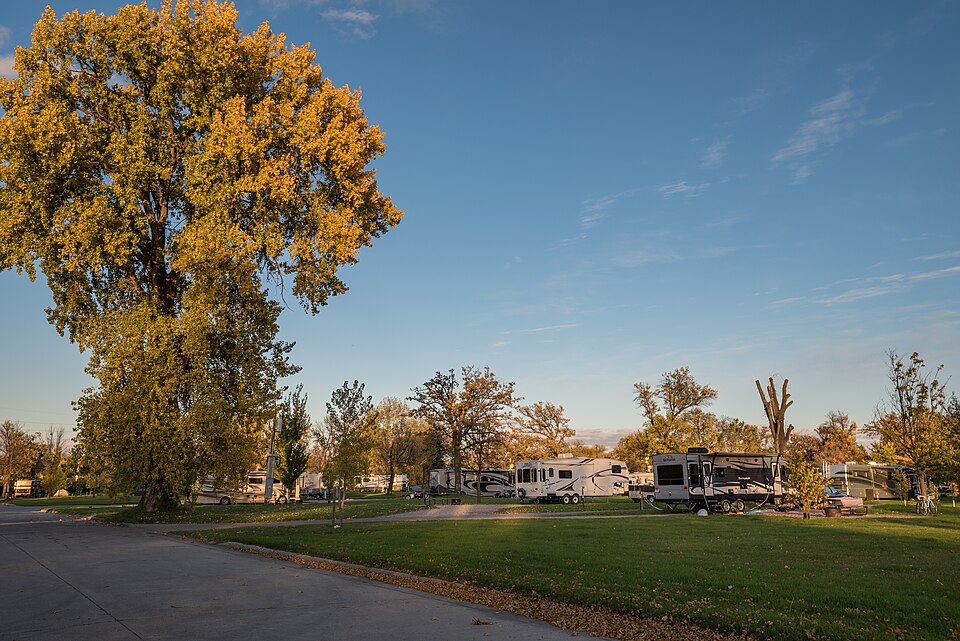
September and October are arguably the best months for those who prefer land-based exploration over water sports. As the summer heat fades, the air becomes crisp and the cottonwood trees along the riverbanks turn a brilliant gold. The cooling temperatures make long-distance hiking significantly more enjoyable, allowing for deeper treks into the backcountry areas that are too exposed during July.
Crowds thin out significantly after Labor Day, providing a sense of private ownership over the scenic overlooks. The water remains warm enough for boating through mid-September, but by October, the focus shifts toward photography and wildlife viewing. The rutting season for Bighorn sheep begins in late fall, offering a chance to witness the dramatic head-butting displays of the rams. While days are pleasant, nighttime temperatures can drop toward freezing, so those camping or traveling in RVs should be prepared with insulated gear and plenty of propane for heating.
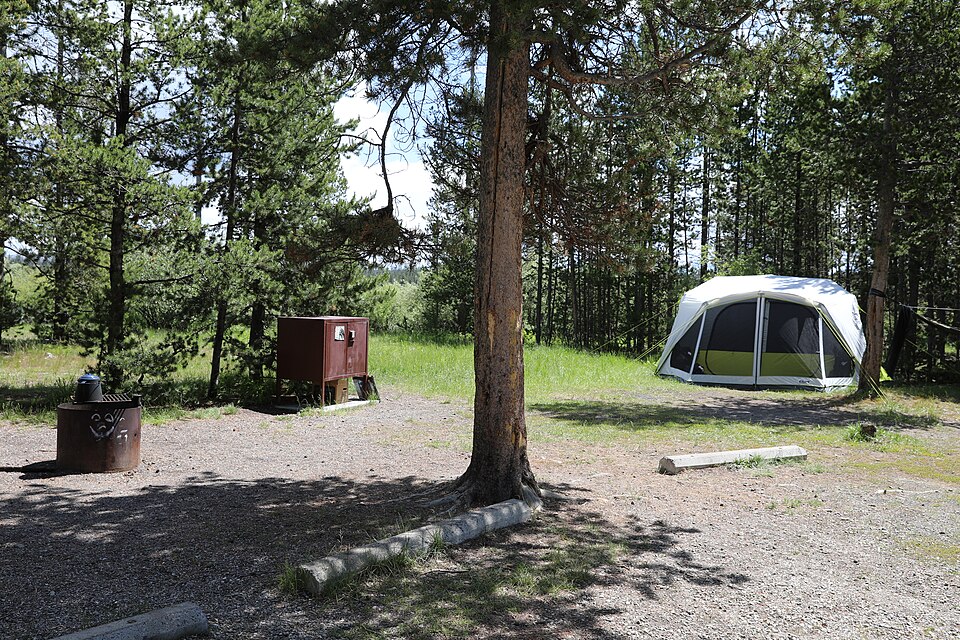
Lock in a stay for this season
Harvest Hosts stays on the way to Bighorn Canyon
Partner link · Harvest Hosts
Winter Solitude and Stark Beauty
Winter at Bighorn Canyon is characterized by harsh winds and cold temperatures, but it offers a stark, haunting beauty for the intrepid traveler. From December through March, the landscape is often dusted with snow, highlighting the red ribbons of the Chugwater Formation against the white drifts. While many facilities and secondary roads may close for the season, the main overlooks remain accessible, offering views of a partially frozen lake and frost-covered cliffs.
This is the season of total solitude; you may be one of only a handful of people in the entire park. Hiking is replaced by snowshoeing or cross-country skiing on the plateau if the snowpack is deep enough. Wildlife is easier to spot against the white backdrop, with eagles frequently perched on the canyon rims. If you visit in winter, ensure your vehicle is equipped for icy conditions and carry emergency supplies, as cell service is unreliable and help can be far away in this remote corner of the American West.
Planning for Crowds and Reservations
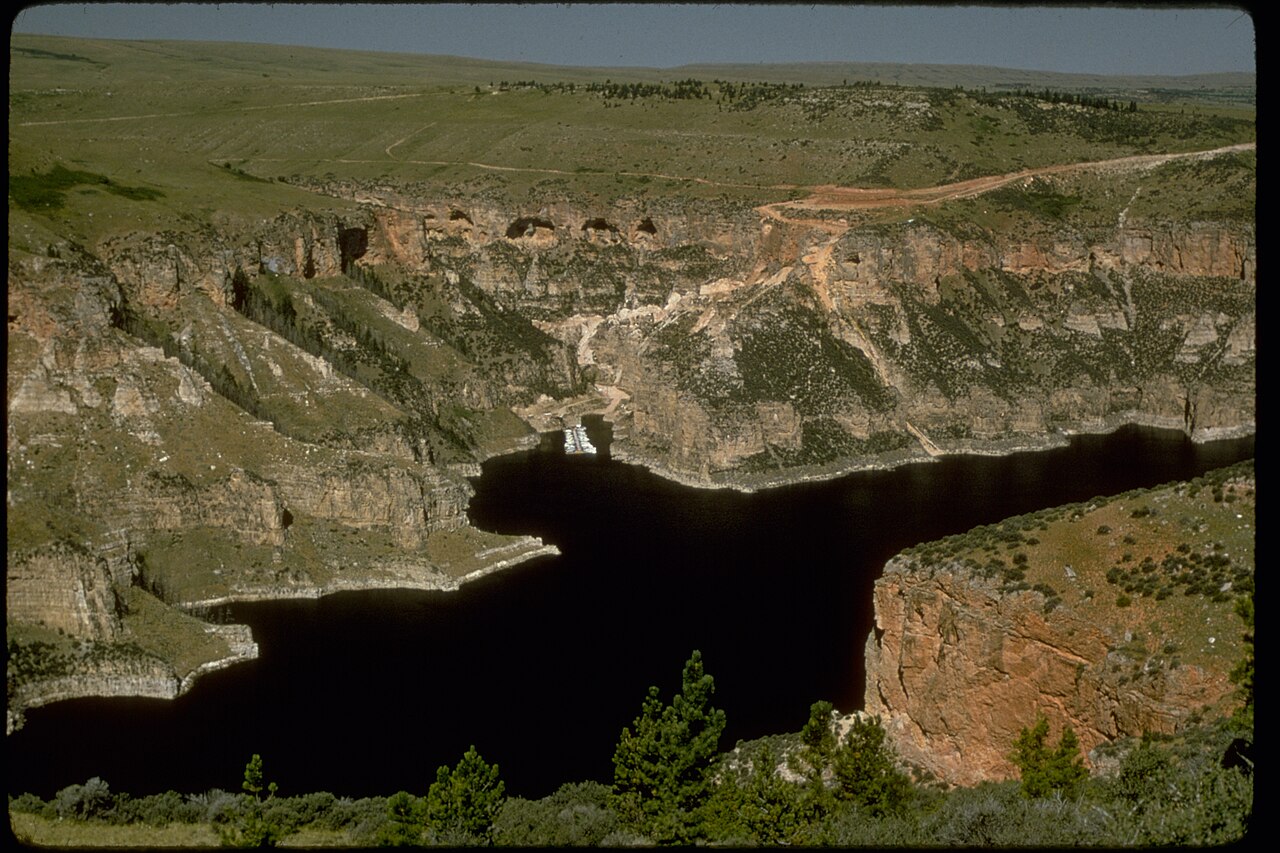
While Bighorn Canyon does not see the extreme congestion of nearby Yellowstone, it still requires strategic planning during the summer months. The marinas at Horseshoe Bend and Ok-A-Beh are the primary gateways for water access, and parking for boat trailers can fill up on holiday weekends. If you are aiming for a specific campsite, especially those with RV hookups or near the water, aim to book several months in advance through the official reservation systems.
For those seeking to avoid crowds entirely, mid-week visits in May or late September are ideal. During these windows, you can often find yourself alone at iconic spots like Devil Canyon Overlook. Keep in mind that the park is split into two distinct districtsâthe South District near Lovell, Wyoming, and the North District near Fort Smith, Montanaâwhich are not directly connected by a road within the park. Allow enough time to navigate between them, as the drive requires going around the mountain range, taking roughly three hours.
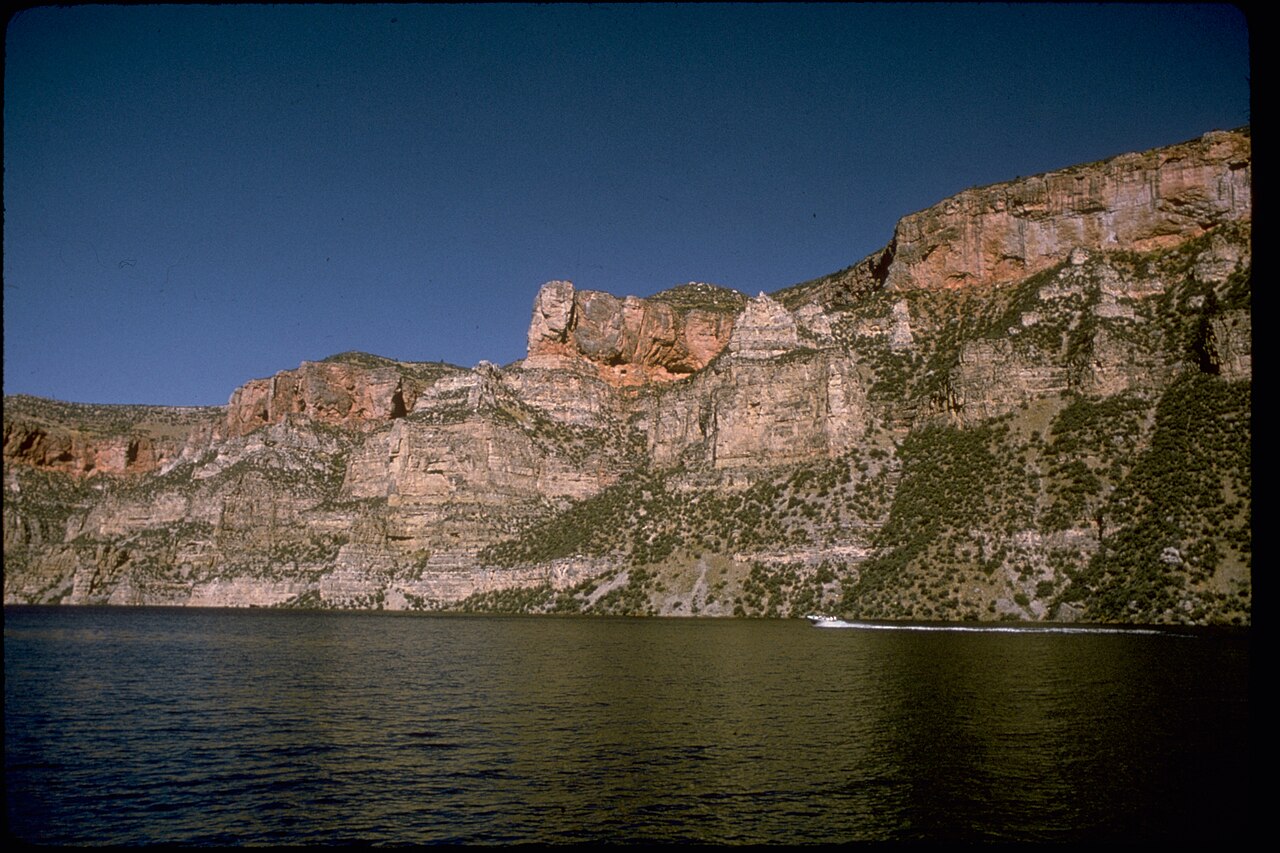
More ways to book Bighorn Canyon
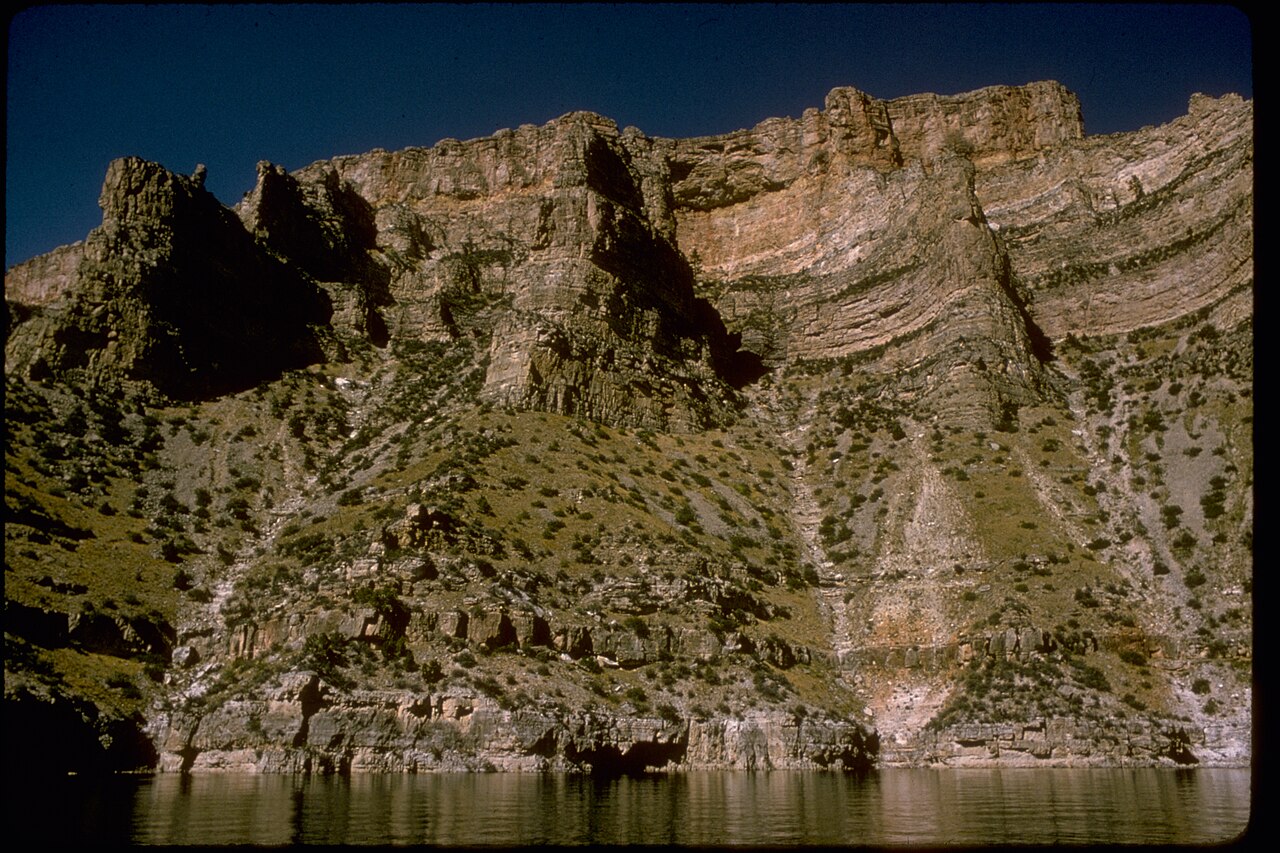 Illustrative · National Park Service Digital Image Archives
Sullivan's Knob Trail
One of the classic ways to experience Bighorn Canyon.
Varies (estimate)
Partner link · Viator