
A trip to Bighorn Canyon is a journey into one of the most rugged and underrated landscapes in the United States. This three-day itinerary focuses on the South District near Lovell, Wyoming, which offers the most accessible diversity of hiking, history, and scenic vistas. Starting from Cody, Wyoming, you will wind through the Bighorn Basin and into the heart of the canyon lands. While this plan covers the highlights, the beauty of the area lies in its slow pace; feel free to linger at an overlook or spend an extra hour watching the wild horses move across the horizon.
Arrival and the Great Abyss
Your journey begins at Yellowstone Regional Airport (COD) in Cody, Wyoming. After picking up a rental vehicleâideally one with high clearanceâyou will drive approximately 83 miles northeast to the town of Lovell. This gateway community serves as your base for the next few days. Start your exploration at the Bighorn Canyon Visitor Center in Lovell to pick up maps and check the latest weather forecasts.
From there, head into the park toward the Devil Canyon Overlook. This is the most famous view in the recreation area and provides a stunning introduction to the sheer 1,000-foot drops and the deep green water of the reservoir. Spend your first afternoon walking the nearby Rim Trail, which offers constant views of the canyon without significant elevation gain. As the sun begins to set, the colors of the limestone walls will shift from tan to a deep, glowing orange. Wrap up your day with a quiet dinner in Lovell, resting up for a more active second day on the water and the trails.
Day 2: Water, History, and Ranches
Dedicate your second day to exploring the intersection of human history and natural wonder. Start your morning at Horseshoe Bend, where you can get down to the water's level. If you have brought or rented a kayak, this is the perfect time to paddle a few miles into the canyon. The perspective from the bottom looking up at the towering walls is humbling and offers a completely different experience than the overlooks.
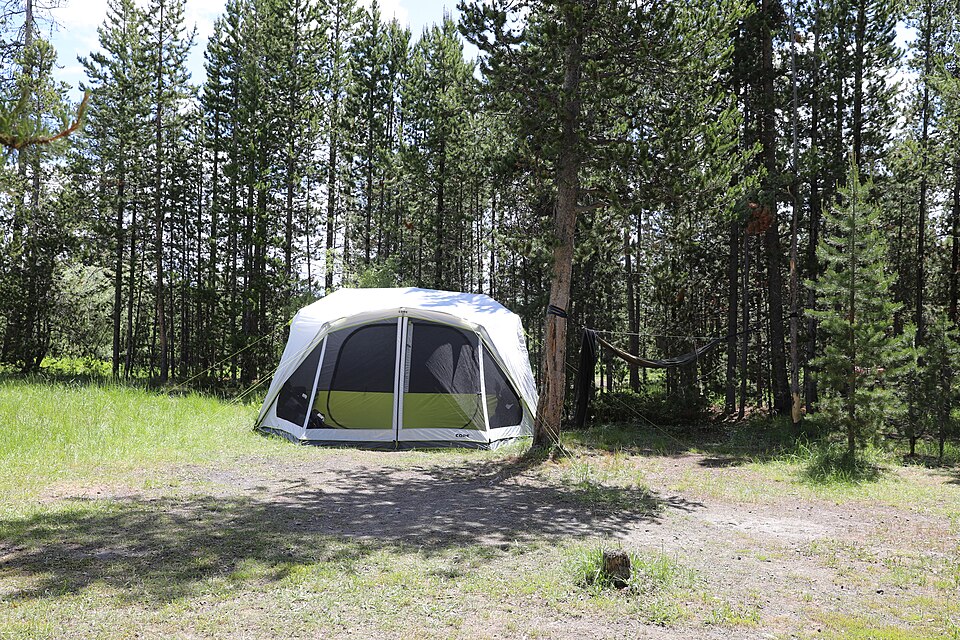
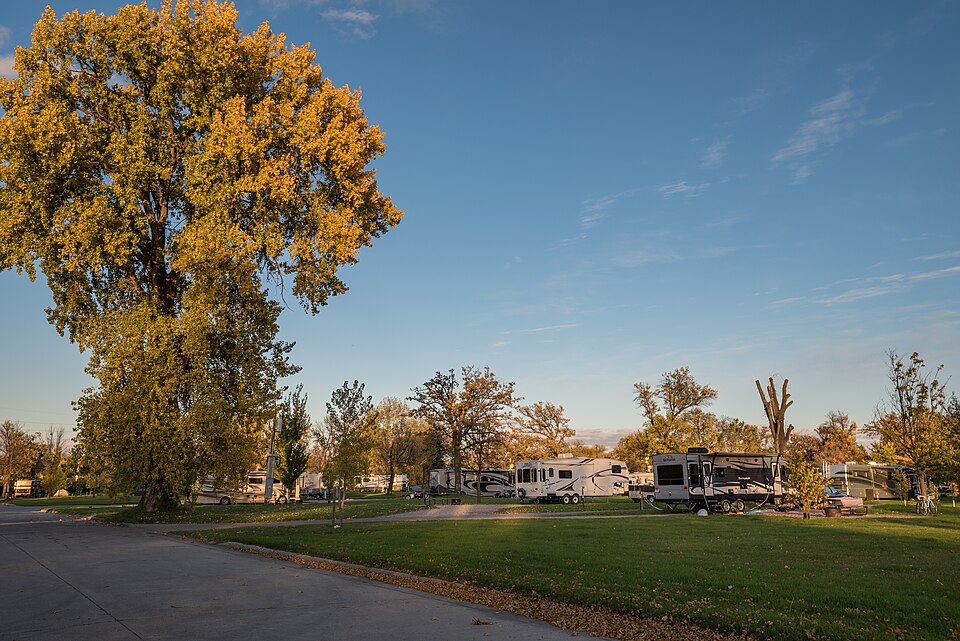
In the afternoon, drive further into the park to visit the Lockhart Ranch. This historic site features over a dozen preserved buildings and tells the story of Caroline Lockhartâs life in the early 20th century. The walk around the ranch is peaceful and offers plenty of shade under old treesâa rarity in this park. If time permits, continue to the Ewing-Snell Ranch near the park entrance. Both sites provide an intimate look at the challenges faced by early settlers. End your day at one of the parkâs campgrounds or head back to Lovell for a comfortable nightâs sleep, keeping an eye out for Bighorn sheep along the roadside as you drive.
Day 3: Wild Mustangs and High Plateaus
On your final day, turn your attention toward the Pryor Mountain Wild Horse Range, which overlaps with the park boundaries. Drive the rugged roads leading toward the hills, keeping your binoculars ready. These wild horses are famous for their unique markings and prehistoric lineage. It is a slow, methodical process to spot them among the sagebrush, so patience is key.
After your mustang safari, head to the Sullivan Knob Trail. This short but rewarding hike leads to a point where the canyon narrows, and the acoustics are so clear you can hear the ripples of the water below. It is the perfect spot for a final picnic lunch before you begin your journey back toward Cody. On the drive back, take the scenic route through the Bighorn Basin, reflecting on the vast, quiet scale of the land. This itinerary offers a mix of driving, walking, and water exploration that captures the essence of the Bighorn without feeling rushed, ensuring you leave with a deep appreciation for this remote corner of Wyoming.
Travel Tips and Logistics
Traveling in this region requires a bit more preparation than your average road trip. Fuel stations are nonexistent once you enter the park, so always top off your tank in Lovell or Cody before heading out. The distance from Cody is about 83 miles, taking roughly an hour and 45 minutes, but the drive itself is scenic and passes through unique geological formations.
Daily budgets for this trip usually hover around $140, covering your lodging, food, and park fees. While there is no permit required for general entry, some activities like backcountry camping or specific boating uses may have small fees or registration requirements. Always consult the official NPS website for the most current information on reservoir water levels, as low water can occasionally close certain boat ramps. Cell service is spotty at best once you leave the main highway, so download your maps for offline use and let someone know your daily plan before you head into the more remote sections of the canyon.
Expanding the Trip: The North District
If you have more than three days, consider making the long drive around the mountains to the North District near Fort Smith, Montana. This side of the park offers access to the Yellowtail Dam and some of the best fly-fishing in the lower 48 states on the Bighorn River. The North District is more focused on water recreation and fishing than the South District, but it still features spectacular views and the impressive Afterbay area where eagles are frequently spotted.
Note that there is no road connecting the two ends of the park internally; you must drive around the western side of the Bighorn Mountains through the Crow Reservation. This drive takes about three hours but offers a completely different perspective of the surrounding plains and mountain ranges. If you choose to visit both districts, you will truly experience the full scope of the Bighorn Canyon National Recreation Area, from its arid Wyoming beginnings to its lush Montana tailwaters.
More ways to book Bighorn Canyon
 Illustrative · Diego Angel
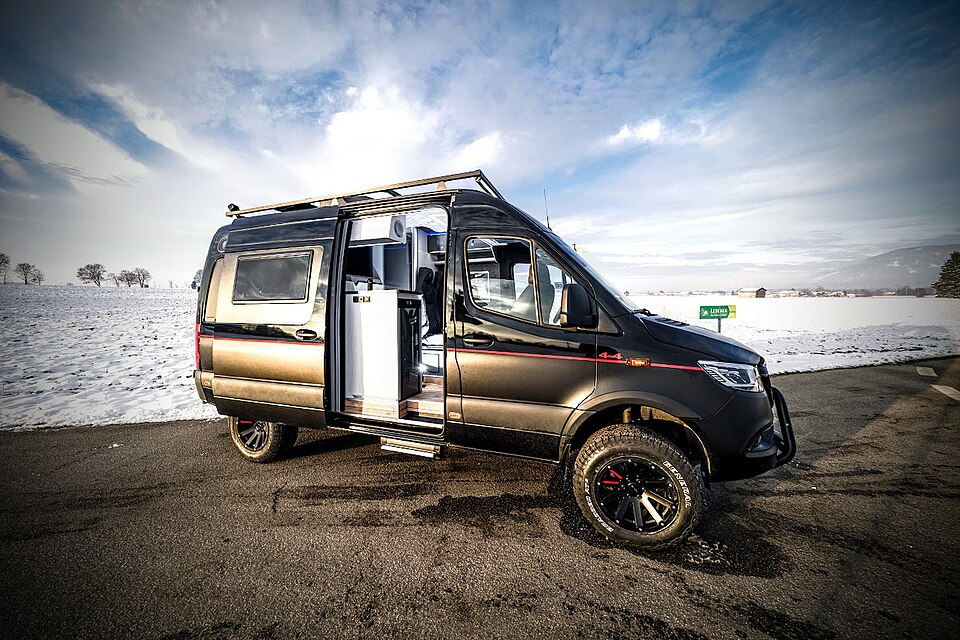
Sprinter Adventure Van
Small enough to park at the trailhead, comfy enough to sleep in.
$189/day (estimate)
Direct link · RVshare