
Bighorn Canyon National Recreation Area is located in a remote stretch of the Montana-Wyoming border, where the tradition of sleeping under the stars is being elevated by new ways to stay. Glamping in this region offers a bridge between the raw, rugged beauty of the high desert and the comforts of modern amenities. Whether you are looking for a wall tent with a real bed or a vintage trailer parked near the canyon rim, the gateway areas offer several ways to experience the outdoors without the hassle of traditional tent camping.
The Glamping Experience in the High Desert
Glamping near Bighorn Canyon is all about the environment. Because the landscape is characterized by wide-open spaces and dramatic red rock formations, accommodations are often designed to maximize the view. Instead of a standard hotel room, you might find yourself in a canvas safari tent equipped with high-quality linens, a wood-burning stove for cool nights, and a private deck perfect for watching the sunrise over the canyon walls.
This style of lodging allows you to remain connected to the sounds of the desertâthe wind through the sagebrush and the distant call of a coyoteâwhile ensuring a good night's sleep on a comfortable mattress. Most glamping sites in the area are located in the gateway communities of Lovell, Wyoming, or Fort Smith, Montana, rather than within the park boundaries itself. This provides a convenient basecamp where you can enjoy local dining in the evening before retreating to your luxury outdoor setup. It is an ideal middle ground for those who want the adventure of the Wyoming wilderness without sacrificing comfort.
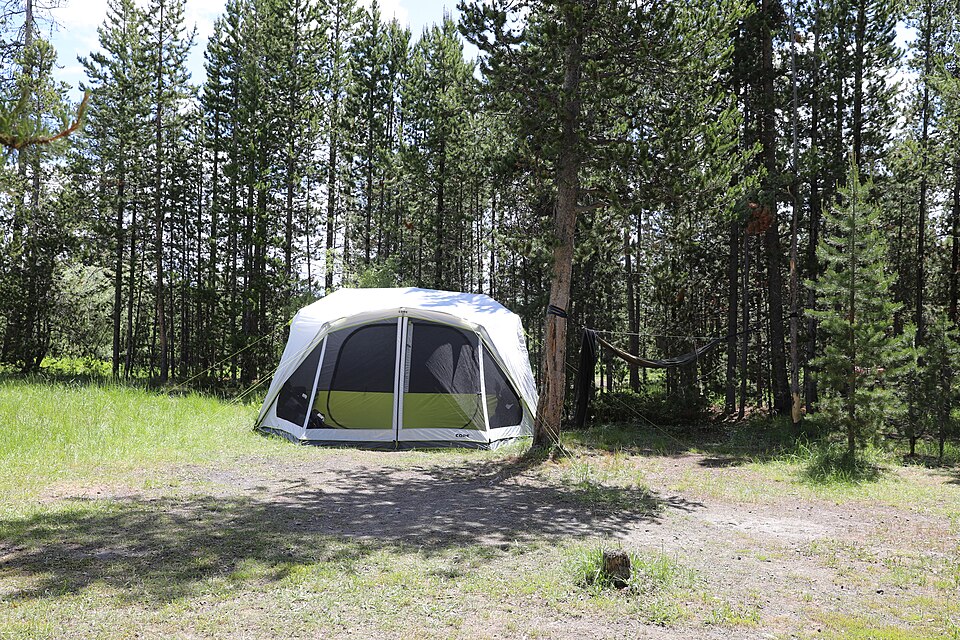
Where to Find Glamping Near the Canyon
The primary hubs for finding unique accommodations are the small towns surrounding the park. In Lovell, you may find private properties offering yurt stays or upscale cabins that lean into the western aesthetic. These sites often provide shared amenities like communal fire pits, outdoor kitchens, and sometimes even hot tubs for soaking after a long day of hiking the Rim Trail.
Further west toward Cody, the options for glamping expand significantly, featuring everything from renovated sheep wagons to luxury teepees. While Cody is about an hour and a half away, many visitors choose to stay there for a night or two to enjoy the broader range of high-end outdoor lodging before moving closer to the canyon for a more rustic experience. When searching for these stays, look for properties that emphasize their proximity to the Pryor Mountains or the Shoshone River, as these locations offer the best natural scenery outside of the National Recreation Area itself. Always book these specialized accommodations well in advance, as their limited numbers make them highly sought after during the summer months.
Glamping vs. Traditional Camping
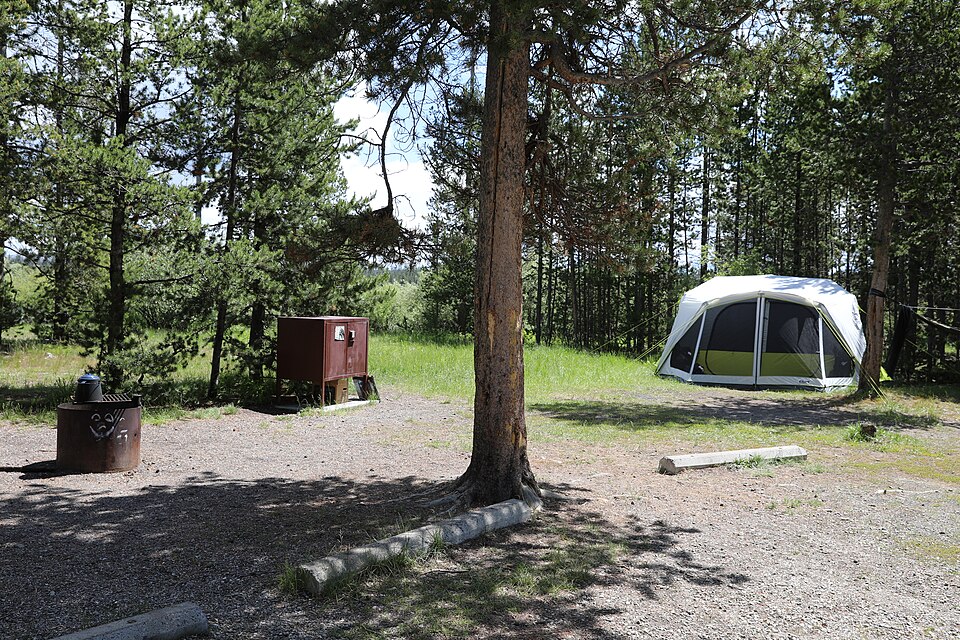
Understanding the difference between the available stay types is crucial for planning your trip. Traditional camping is available within the park at spots like Horseshoe Bend, offering basic sites for tents with minimal amenities. This is the most affordable way to stay and puts you right in the heart of the action, but it requires you to bring all your own gear, including stoves, sleeping bags, and water storage.
Glamping, by contrast, removes the logistical burden. You don't need to pack a tent or worry about setting up camp in the dark. It is particularly suited for Bighorn Canyon because the desert environment can be harsh; having a solid structure or a heavy-duty canvas tent provides better protection from the high winds that frequently sweep through the basin. Furthermore, glamping sites often provide electricity or solar power, allowing you to keep your camera gear charged for capturing the canyon's beauty. For those who aren't regular campers but love the outdoors, the slightly higher cost of glamping is often worth the significant increase in convenience and comfort.
RV Travel and Mobile Glamping
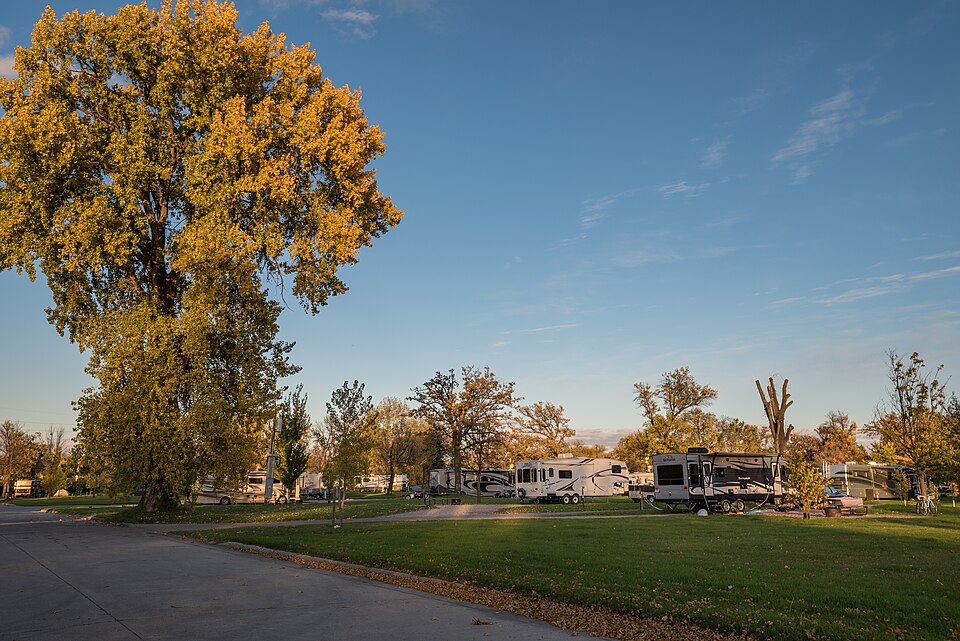
For many, the ultimate way to 'glamp' in Bighorn Canyon is by bringing a luxury RV or camper van. This allows you to have your own private, climate-controlled space that you can move between the North and South districts. Several campgrounds within the park and in the nearby gateway towns cater specifically to RVs, providing hookups for water and electricity.
Traveling in an RV gives you the freedom to cook your own gourmet meals while parked overlooking the lake, essentially creating your own glamping experience wherever you go. The roads leading into the main overlooks are generally well-maintained and wide enough for larger rigs, though you should always check the NPS site for specific length restrictions on certain backcountry routes. If you don't own an RV, there are many rental services in Billings or Cody that offer fully-equipped vans, allowing you to experience the nomadic lifestyle with all the modern bells and whistles. This is a particularly popular choice for families who want to stay together in one mobile unit while exploring the vast distances of the American West.
Best Seasons for Luxury Stays
The window for glamping in the Bighorn region is somewhat narrower than for traditional hotel stays. Most glamping operators open their doors in late May and close by the end of September. This coincides with the most pleasant weather in the canyon, as the structures are often not winterized for the sub-zero temperatures and heavy snows that can hit Wyoming in the winter.
Late spring and early fall are the 'sweet spots' for glamping. In June, you get the benefit of long daylight hours and blooming desert flowers. In September, the cool evenings make the warmth of a luxury tent's bedding feel particularly cozy. During the height of July and August, make sure your chosen glamping site offers some form of cooling, like a swamp cooler or heavy-duty fans, as the high desert sun can warm up tents significantly during the day. Regardless of when you go, glamping provides a memorable way to connect with the landscape, ensuring that your time at Bighorn Canyon is as relaxing as it is adventurous.