
Big South Fork National River & Recreation Area is a hidden gem in Tennessee, boasting a landscape defined by massive sandstone arches and deep river gorges. Whether you are an avid backpacker, a casual hiker, or a family looking for a weekend adventure, the park offers a diverse range of activities. From the towering heights of the Twin Arches to the historic depths of the Blue Heron Mining Community, there is a deep sense of history and geology waiting to be explored in every corner of this rugged plateau.
Iconic Hikes and Sandstone Arches
One of the most essential things to do in Big South Fork is visiting the Twin Arches. This trail leads to two of the largest natural bridges in the world, North and South Arch. The hike is relatively short but includes steep stairs, making it a rewarding challenge for most skill levels. Walking beneath these massive sandstone structures gives you a true sense of the geological forces that shaped the Cumberland Plateau over millions of years. For those seeking more distance, the Loop Trail extends the hike into the backcountry, passing through impressive rock shelters.
Another must-see is the Slave Falls and Needle Arch trail. This route combines a beautiful waterfall tucked into a deep cove with a remarkably thin, delicate natural arch nearby. The trails in this area are well-marked and provide a great introduction to the unique flora of the region. Always remember to carry a map and plenty of water, as the terrain can be rugged and cellular service is spotty once you descend into the gorges or enter the deeper forest sections.
River Adventures and Whitewater Rafting
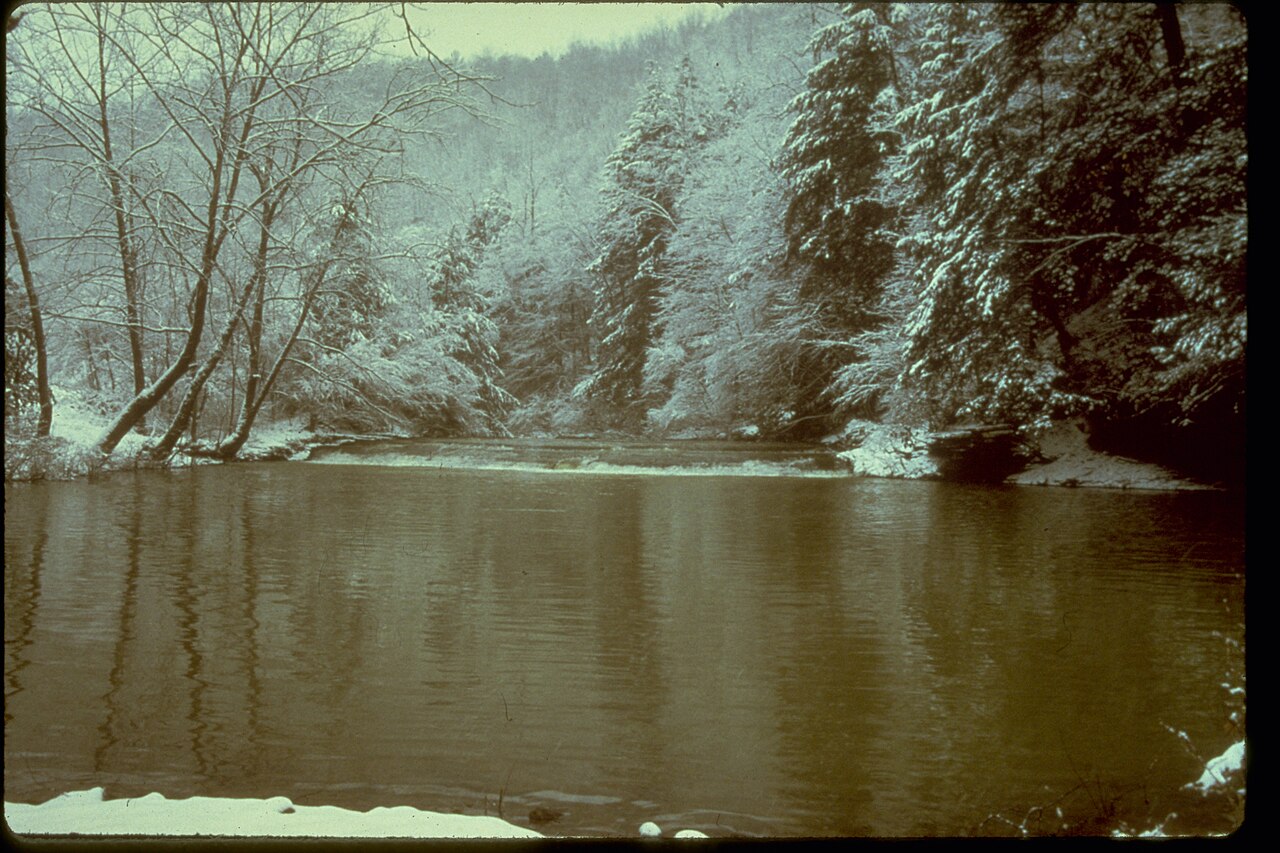
The Big South Fork of the Cumberland River is the lifeblood of the park and offers some of the best whitewater in the Southeast. Depending on the water levels, which are generally highest in the spring, the river provides everything from gentle floats to technical Class IV rapids. The 'Big Three' rapidsâAngel Falls, Devil's Jump, and the Ellâare legendary among paddlers. Even if you aren't an expert, there are local outfitters in the gateway cities who can help arrange guided trips or provide shuttle services for experienced boaters.
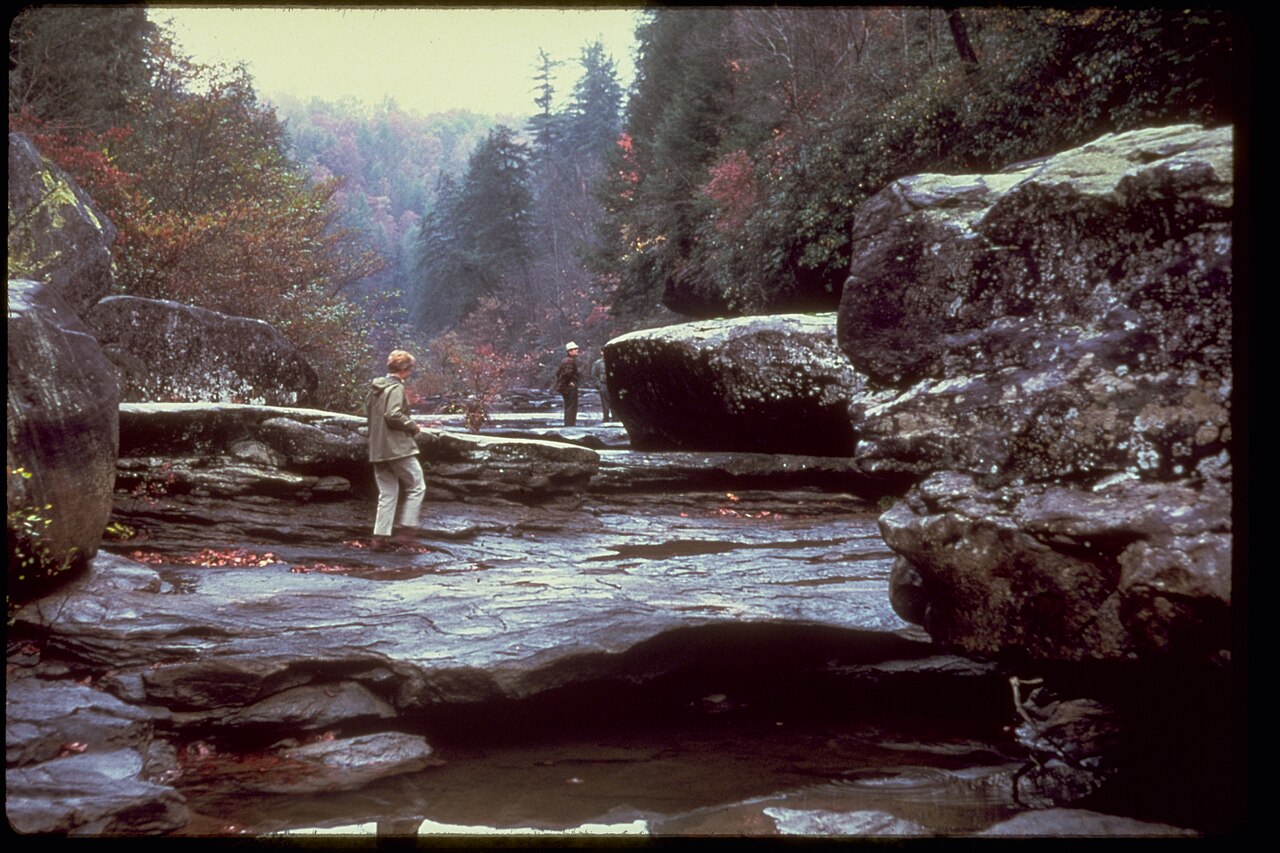
For a more relaxed water experience, many visitors head to the Leatherwood Ford area. This location provides easy access to the riverbank for fishing or simply dipping your toes in the water on a hot summer day. The river is home to a variety of fish species, including smallmouth bass and walleye, making it a popular spot for anglers. Be sure to check state fishing regulations and obtain the necessary licenses before casting a line. The sound of the rushing water against the massive boulders is a quintessential part of the Big South Fork experience.
Scenic Drives and Overlooks
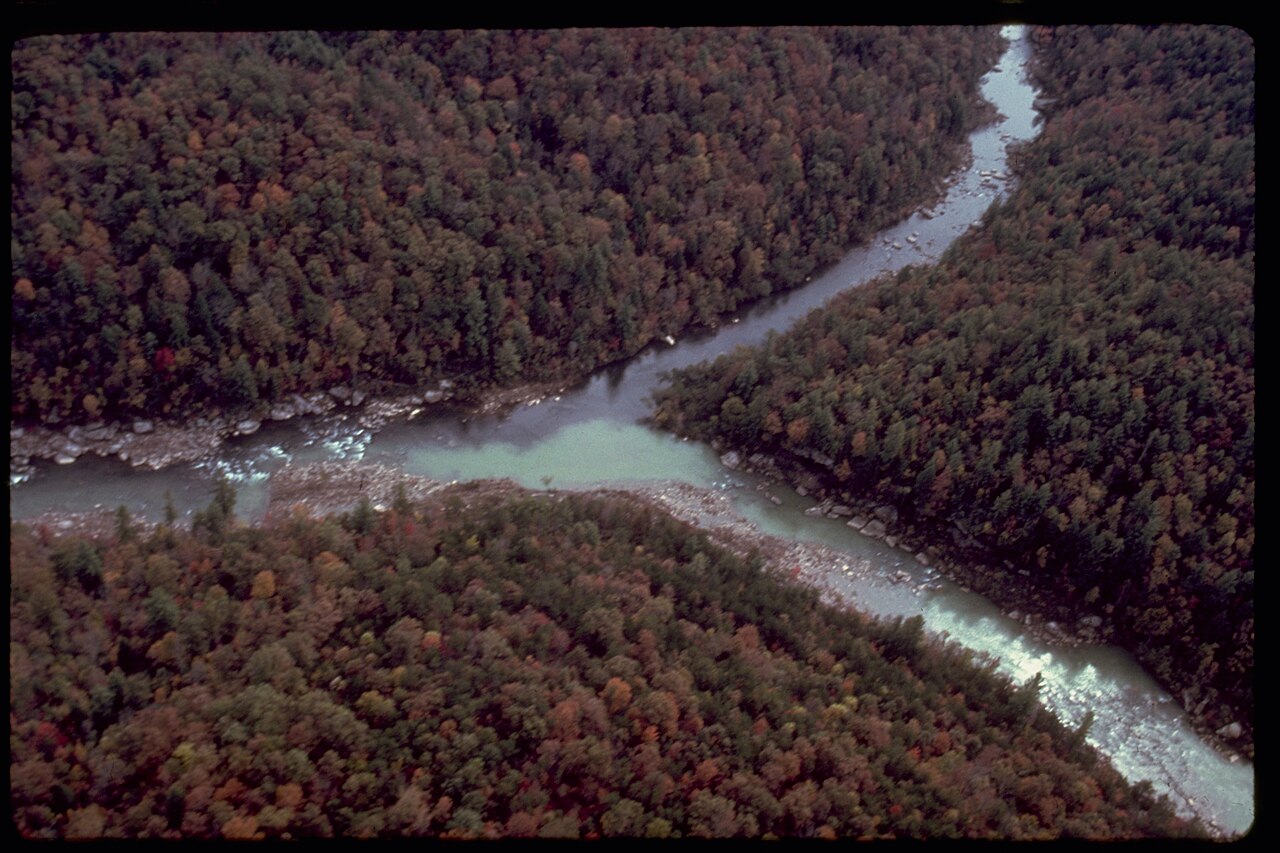
If you prefer to see the sights from the comfort of your vehicle, the park offers several spectacular scenic drives. The road to the East Rim Overlook is a short, paved drive that leads to one of the most famous views in Tennessee. From the observation deck, you can look down hundreds of feet into the river gorge, seeing the water snake around the base of the cliffs. It is especially breathtaking during the morning hours when fog often fills the valley, or during the peak of autumn when the colors are at their most vibrant.
Another great drive takes you to the Blue Heron Mining Community. This historic site is accessible by road or by the Big South Fork Scenic Railway, which departs from nearby Stearns. The drive features winding roads through dense forest and leads to an outdoor museum where you can learn about the coal mining history of the region. The overlooks along the way provide different angles of the river and the plateau, offering plenty of opportunities for photography without requiring miles of hiking. It is an excellent way to see the park's diversity in a single afternoon.
Family-Friendly Activities and Education
Families traveling with children will find plenty of engaging activities in the park. The Bandy Creek Visitor Center is a great starting point, offering exhibits on the local wildlife and geology, as well as Junior Ranger programs that help kids connect with nature. The nearby swimming pool at Bandy Creek is a popular summer spot for families to cool off after a morning of exploration. Many of the trails near the visitor center are relatively flat and suitable for younger hikers who may not be ready for the steeper gorge descents.
For an educational twist, a visit to the Blue Heron Mining Community provides a 'ghost structures' experience where children can listen to recordings of former residents telling stories about life in the mining camp. This interactive approach to history is both engaging and informative. Additionally, the park's dark skies make it an excellent place for stargazing. On clear nights, families can gather at an overlook or a clearing in the campground to view the Milky Way, a sight that is increasingly rare in more developed parts of the country.
Rainy Day Options and Wildlife Viewing
Rainy days don't have to ruin a trip to Big South Fork. The forest takes on a mystical quality in the rain, and the many rock shelters and overhangs provide natural cover where you can sit and watch the storm. A drive to the historic Stearns area to visit the museum or take a sheltered train ride on the scenic railway is a great alternative when the trails are too muddy. The increased moisture also brings out the amphibians; you might spot colorful salamanders crossing the paths or hear the chorus of frogs near the riverbanks.
Wildlife viewing is a year-round activity. The park is home to black bears, white-tailed deer, and a variety of birds including wild turkeys and pileated woodpeckers. The best time for wildlife spotting is usually early morning or late evening near the edges of clearings or along the river. While bears are present, they are generally elusive, but it is essential to practice proper food storage in campgrounds and backcountry sites. Whether you are watching a hawk soar over an overlook or spotting a deer in a meadow, the park's biodiversity is always on display.