
The Upper Cumberland Plateau offers a dramatic backdrop that shifts significantly with the seasons. Choosing the best time to visit Big South Fork depends on whether you prefer the vibrant greens of spring, the lush warmth of summer, or the fiery colors of a Tennessee autumn. While the park is open year-round, timing your visit ensures you experience the river gorges and sandstone arches at their most photogenic while navigating the region's moderate permit requirements and weather shifts.
Spring Bloom and River Rushes
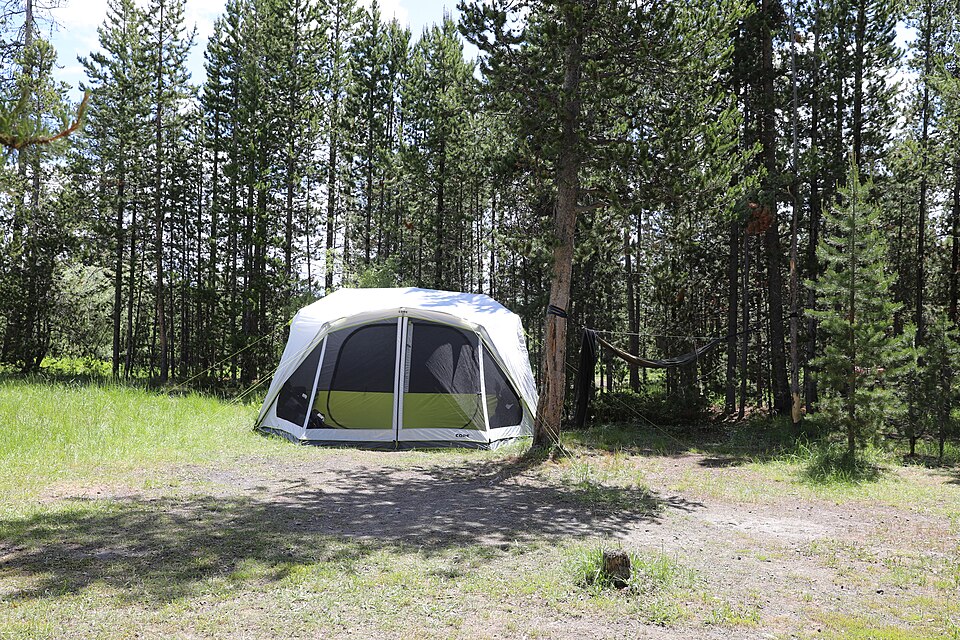
Spring is widely considered the best time to visit Big South Fork for those who enjoy active recreation. Starting in April, the plateau awakens with a massive display of wildflowers, including trillium, lady's slippers, and rhododendrons that line the hiking trails. This is also the prime season for whitewater enthusiasts. As the winter snow melts and spring rains arrive, the Big South Fork of the Cumberland River swells, creating challenging conditions for kayakers and rafters.
Temperatures during this period are generally mild, often hovering between the 50s and 70s, making it ideal for long-distance hiking without the oppressive humidity of the deep south. However, spring weather in the Cumberland Plateau can be unpredictable. Frequent rain showers are common, and the gorge can retain moisture, making some sandstone surfaces slippery. If you plan to visit during these months, it is wise to pack waterproof layers and sturdy boots to navigate the muddy sections of the trail system.
Lock in a stay for this season
RV parks near Big South Fork on RoverPass
Partner link · RoverPass
Autumn Foliage and Crisp Air
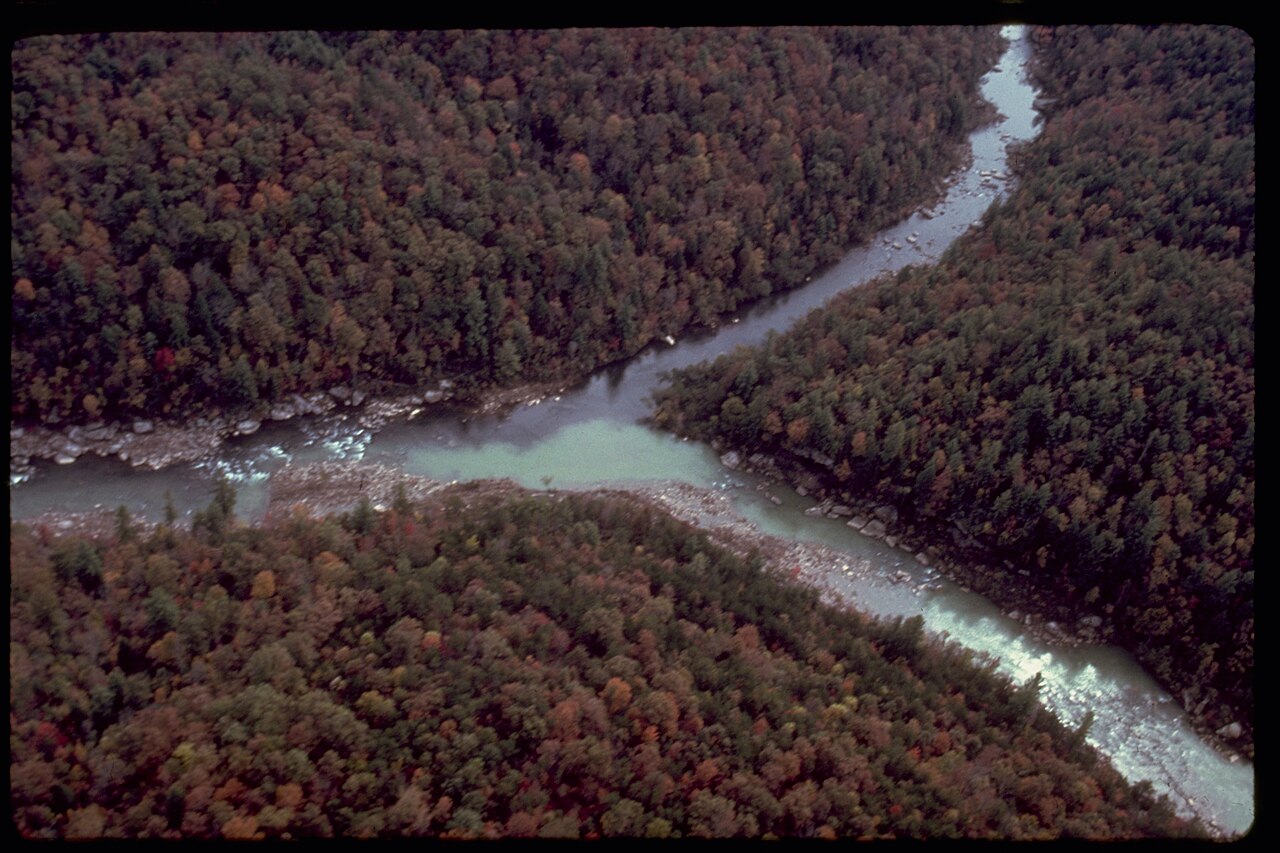
Fall is arguably the most visually stunning season in the region. From late September through November, the hardwood forests transform into a mosaic of gold, orange, and deep red. The crisp, dry air provides excellent visibility for the many overlooks, such as the East Rim Overlook, where you can see for miles across the river gorge. This is a favorite time for photographers and horseback riders who want to enjoy the scenery in cooler temperatures.
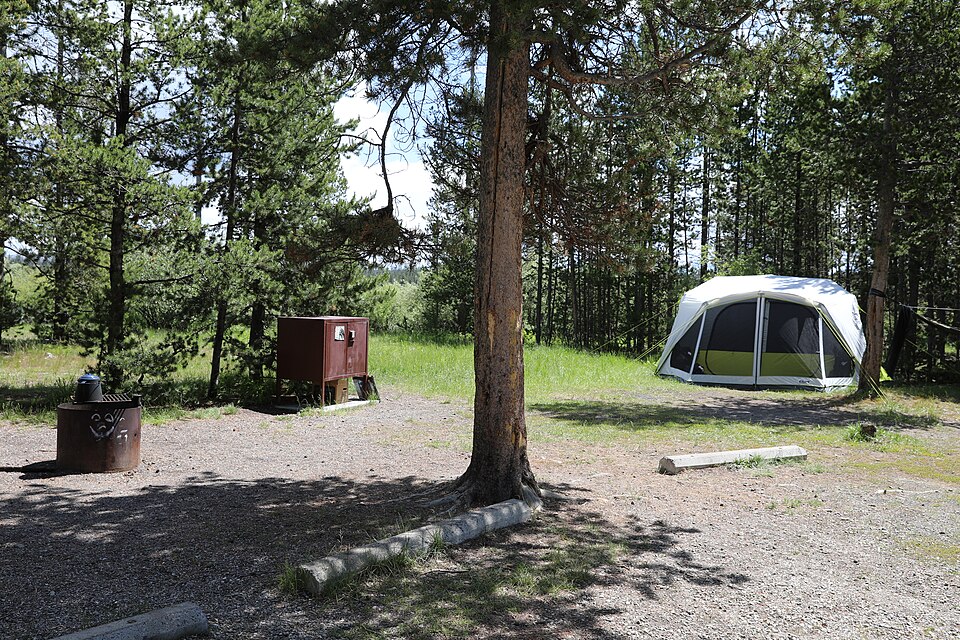
Because fall is such a popular time for visitors, campsites at Bandy Creek or Blue Heron often fill up quickly. You should check the official NPS site for reservation windows, as weekend spots during the peak foliage weeks are highly sought after. Daytime highs usually sit in the comfortable 60s, though night temperatures can drop significantly. It is the perfect climate for evening campfires, but you will need to prepare with warm sleeping gear if you are staying in the backcountry or at a developed campground.
Summer Heat and Water Activities
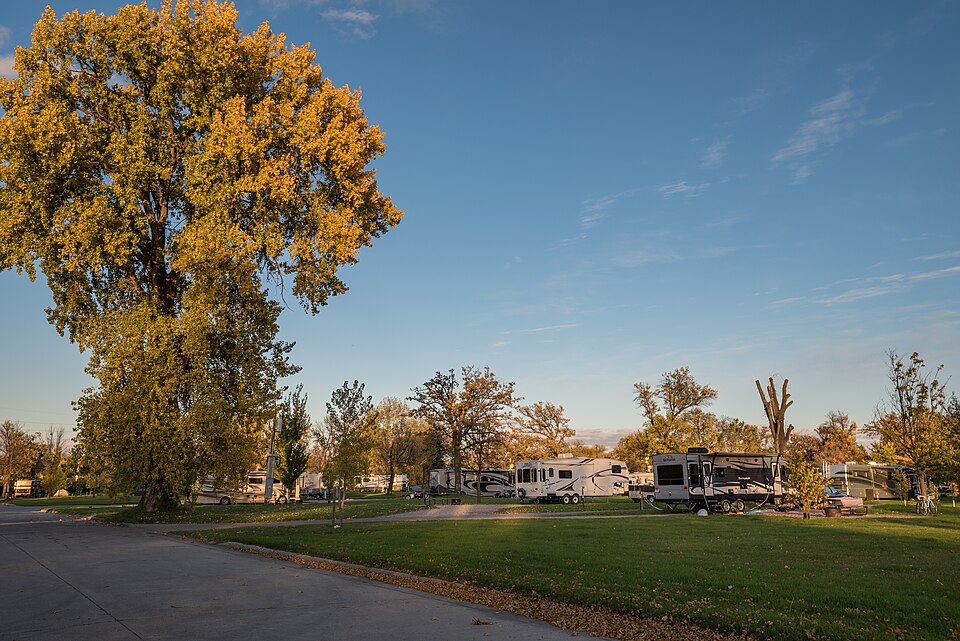
Summer in Tennessee is characterized by high humidity and warm temperatures, often reaching into the high 80s or 90s. While the heat can make strenuous uphill climbs challenging, the dense forest canopy provides a surprising amount of shade. Many visitors spend their summer days near the water, exploring the swimming holes or paddleboarding on the calmer sections of the river. The lush greenery is at its peak, and the long daylight hours allow for extended exploration of the park's more remote arches.
Insects are more active during the summer, so bringing reliable repellent is a must for any forest excursion. Summer also brings the occasional afternoon thunderstorm, which can be intense but usually passes quickly. If you are camping during these months, prioritize sites with good airflow or proximity to the river. While summer is busy, the vast acreage of the park means you can still find solitude if you venture away from the most popular trailheads like Twin Arches or the Leatherwood Ford area.
Lock in a stay for this season
Harvest Hosts stays on the way to Big South Fork
Partner link · Harvest Hosts
Winter Solitude and Clear Vistas
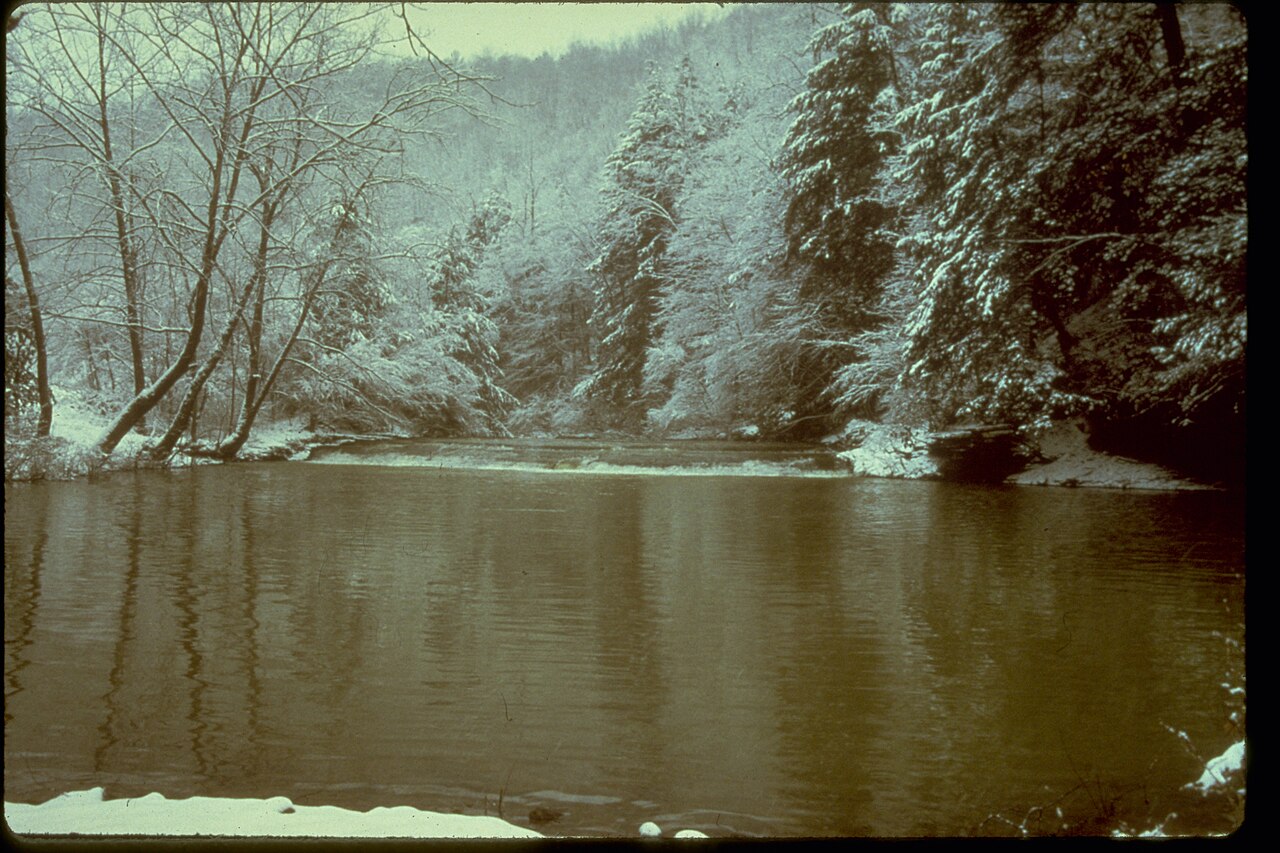
Winter is the quietest time at Big South Fork, offering a completely different perspective of the landscape. Without the leaves on the trees, the intricate geological formations and sandstone cliffs are much more visible from the roads and trails. You might even catch a glimpse of frozen waterfalls or ice formations hanging from the rock shelters. Snow is possible but usually doesn't stay on the ground for long, though the higher elevations of the plateau can be several degrees cooler than the surrounding lowlands.
Most of the park's facilities remain open, though some secondary roads may close due to ice or snow. Winter is the ideal time for those seeking true solitude, as visitor numbers drop significantly. You will likely have popular landmarks to yourself. However, be prepared for shorter days and fewer daylight hours for hiking. Always verify current conditions on the official park website before heading out, as winter storms can occasionally impact access to more remote trailheads and backcountry camping areas.
Managing Crowds and Reservations
While Big South Fork does not see the extreme crowds of the Great Smoky Mountains, it still experiences peak periods during spring break and fall color weekends. To secure the best experience, aim for mid-week visits if your schedule allows. Reservations for developed campgrounds are highly recommended at least several months in advance for peak weekends. The park uses a permit system for backcountry camping, which is relatively straightforward but requires planning ahead to ensure you are following all regulations for site selection and waste disposal.
If you are traveling from gateway cities like Oneida or Jamestown, keep in mind that local events can also influence traffic and lodging availability. Checking the NPS site for scheduled maintenance or temporary trail closures is essential, especially during the shoulder seasons when weather-related repairs are most frequent. By timing your visit to avoid holiday weekends, you can enjoy the rugged wilderness of the Cumberland Plateau with minimal interruptions, allowing for a deeper connection with the natural surroundings and the unique geology of the area.
More ways to book Big South Fork
 Illustrative · National Park Service Digital Image Archives
Bandy Creek Camping
One of the classic ways to experience Big South Fork.
Varies (estimate)
Partner link · Viator