
For those who love the idea of waking up in the heart of the Tennessee wilderness but prefer a comfortable bed over a thin sleeping pad, Big South Fork glamping is an excellent compromise. The region surrounding the Upper Cumberland Plateau has seen a rise in unique accommodations that blend luxury with the great outdoors. From refurbished cabins to safari-style tents, these stays allow you to enjoy the sounds of the forest and the brilliance of the stars without sacrificing modern amenities.
The Glamping Experience on the Plateau
Glamping in the Big South Fork area typically means staying in a structure that offers a solid roof, a real mattress, and often a small kitchenette or climate control. Unlike traditional camping, where you spend time setting up tents and managing gear, glamping allows you to arrive and immediately start relaxing. Many of these sites are located on large private properties bordering the park, providing direct access to hiking or riding trails. You can expect a rustic aesthetic that reflects the local culture, often featuring reclaimed wood, stone fireplaces, and spacious decks for morning coffee.
Costs for these stays are higher than standard campsites but generally reflect the added amenities and the privacy of the locations. Because this is a popular way to experience the area, especially for couples and families, it is wise to book your stay well in advance. During the fall foliage season, these unique rentals can be reserved up to a year out. Whether you are looking for a romantic getaway or a comfortable base for a week of hiking, the glamping options near Oneida and Jamestown provide a high-quality alternative to traditional lodging.
Glamping vs. Traditional Camping and RVs
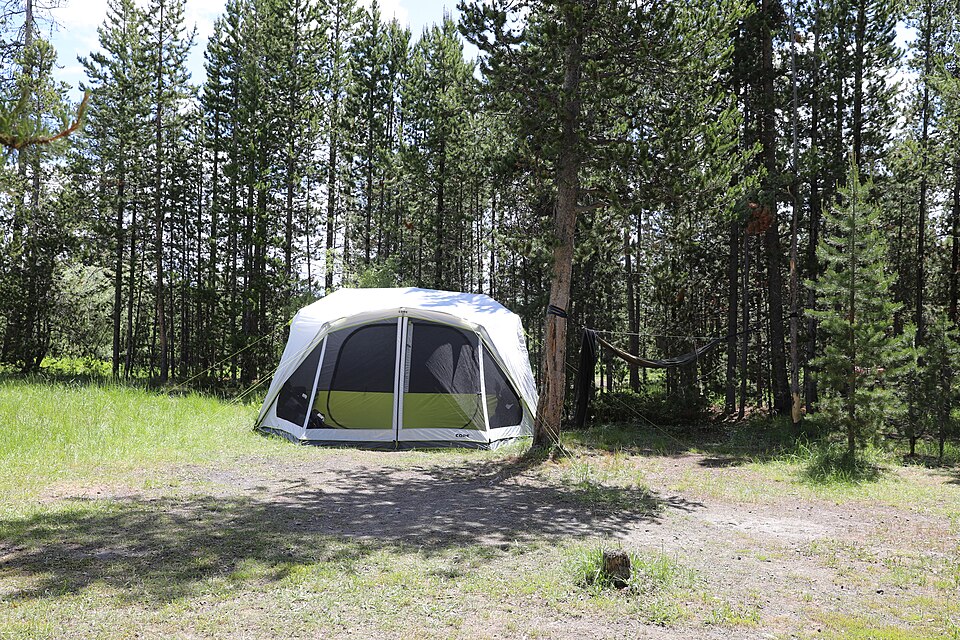
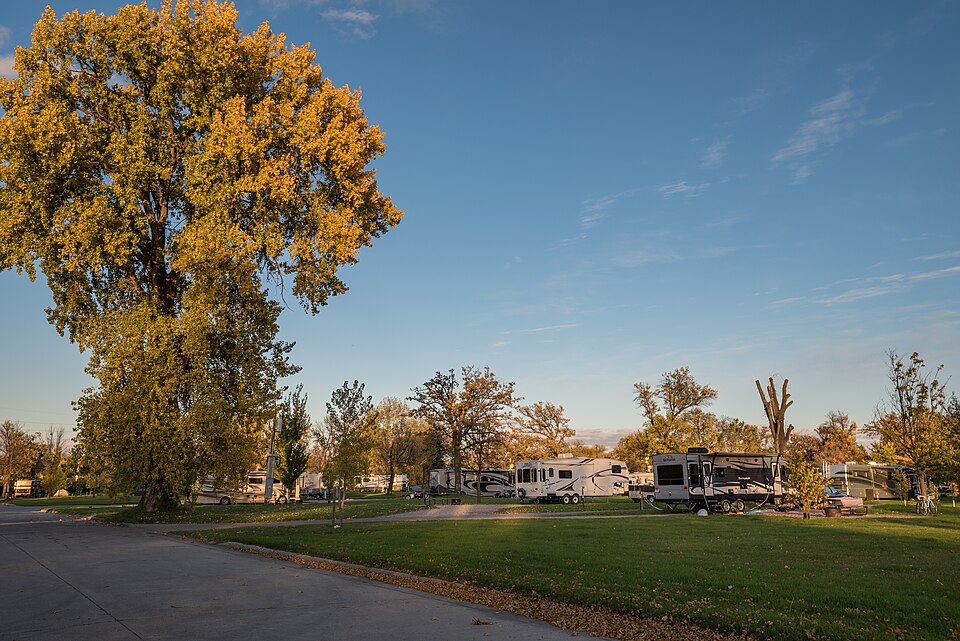
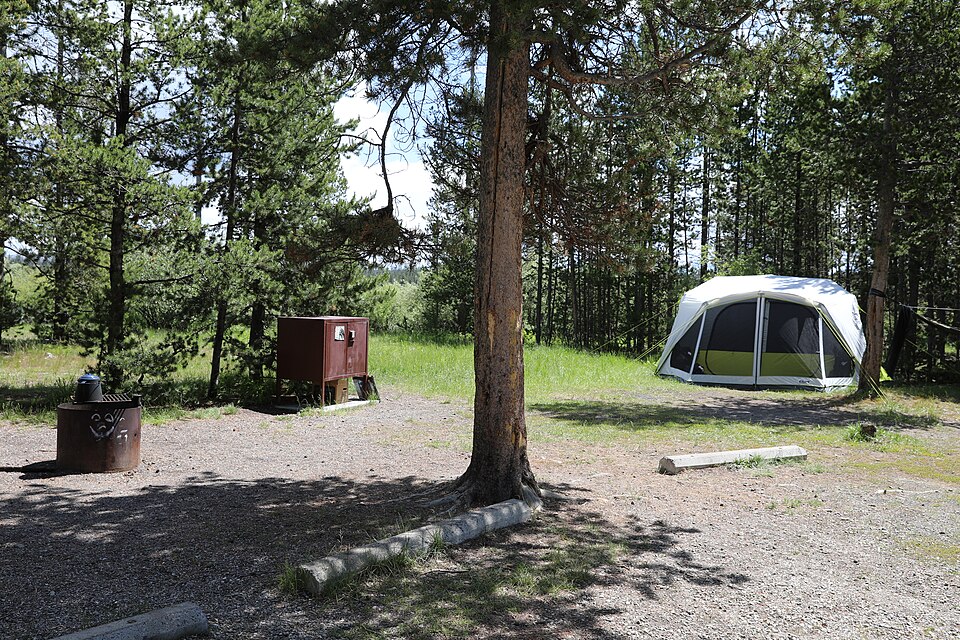
Choosing between glamping, RVing, or traditional camping at Big South Fork depends on your desired level of immersion and effort. Traditional camping at places like Bandy Creek offers a classic experience with fire pits and communal bathhouses, ideal for those who want to be closest to the trailheads at a lower daily budget. RV camping provides more comfort and mobility, with many sites offering hookups for electricity and water. However, RVs can be limited by the narrow, winding roads that lead into some of the park's more remote sections.
Glamping sits at the top of the comfort scale. It eliminates the need to own and transport expensive camping gear or a large vehicle. It is particularly appealing for travelers flying into McGhee Tyson Airport who don't want to pack a full suite of camping equipment. While you lose some of the mobility of an RV, you gain a stationary, curated environment that often includes luxury linens, private fire pits, and sometimes even hot tubs. For many, the ability to return to a hot shower and a plush bed after a ten-mile hike to the Twin Arches is the ultimate way to enjoy the park.
Top Gateway Areas for Luxury Stays
The primary areas to look for glamping-style accommodations are the gateway cities of Oneida, Jamestown, and Stearns. Jamestown is particularly known for its equestrian-friendly glamping, where luxury cabins or outfitted barn-stays allow visitors to bring their horses and enjoy the park's extensive trail system. Oneida offers a variety of cabin rentals that lean toward the glamping end of the spectrum, with modern interiors and scenic views of the surrounding hills. Across the border in Stearns, Kentucky, you can find historic-themed stays that lean into the area's rich railroad and mining history.
These gateway areas provide the benefit of being close to local restaurants and shops while still feeling secluded. When searching for these properties, look for terms like 'luxury cabin,' 'safari tent,' or 'yurt' in the local listings. Many hosts pride themselves on providing a unique experience, such as outdoor kitchens or guided tours of the nearby forest. Being located just outside the federal park boundaries means these sites often have fewer restrictions on amenities like Wi-Fi or hot tubs compared to the developed campgrounds within the National River & Recreation Area itself.
Seasonal Considerations for Glampers
While traditional camping can be weather-dependent, many glamping options are designed to be comfortable year-round. In the winter, a glamping cabin with a wood-burning stove or central heating allows you to enjoy the stark beauty of the plateau without the risk of freezing temperatures at night. Spring and fall are the most popular seasons for glamping, as the moderate temperatures are perfect for enjoying the outdoor spaces, such as wrap-around porches or outdoor fire pits, that are central to the glamping experience. The crisp air of an October night is much more enjoyable when you know a warm bed awaits you.
Summer glamping often requires looking for units with air conditioning or good ventilation, as the Tennessee humidity can be intense. Even in a luxury tent, the midday heat can be significant, so plan to spend your afternoons at the river or in the shade of the gorge. Regardless of the season, always check the specific amenities listed for your accommodation. Some glamping sites are 'off-grid' and may use solar power or compost toilets, while others are fully connected to modern utilities. Knowing what to expect will help you pack appropriately for your stay.
Planning Your Glamping Retreat
When planning your Big South Fork glamping trip, start by deciding which part of the park you want to explore most. If you are focused on the river and whitewater, staying near Oneida or Leatherwood Ford is ideal. If you are interested in the historic sites and the railway, look toward Stearns. Because these accommodations are often private, they provide a sense of quietude that you might not find in a busy national park campground. Itâs a great way to disconnect from technology and reconnect with nature without the 'roughing it' aspects of traditional wilderness travel.
Be sure to read reviews and check the official NPS site for any park-wide alerts that might affect your travel to and from your glamping site. Even though you are staying in luxury, you are still in a rugged environment. Roads can be steep, and wildlife like bears and deer are active in the area. Most glamping hosts will provide specific directions and tips for navigating the plateau. By combining the comfort of a high-end stay with the raw beauty of Big South Fork's arches and gorges, you can create a memorable Tennessee adventure that caters to both your adventurous spirit and your desire for relaxation.