
The Allagash Wilderness Waterway is a legendary destination for those who seek to disconnect from the modern world and immerse themselves in the raw beauty of the Maine North Woods. Spanning nearly 100 miles of interconnected lakes, ponds, and river stretches, it offers a variety of experiences ranging from adrenaline-pumping whitewater to quiet historical exploration. Whether you are an expert paddler or a nature enthusiast looking for a remote escape, the things to do in Allagash Wilderness will challenge your skills and restore your spirit.
Paddling the Legendary Water Trail
Canoeing is the primary way to experience the Allagash, and it remains the most iconic activity in the region. The trail typically begins at Telos Lake or Chamberlain Lake and winds northward toward the town of Allagash. Along the way, you will navigate through expansive lakes that require strong paddling skills when the wind picks up, creating challenging waves.
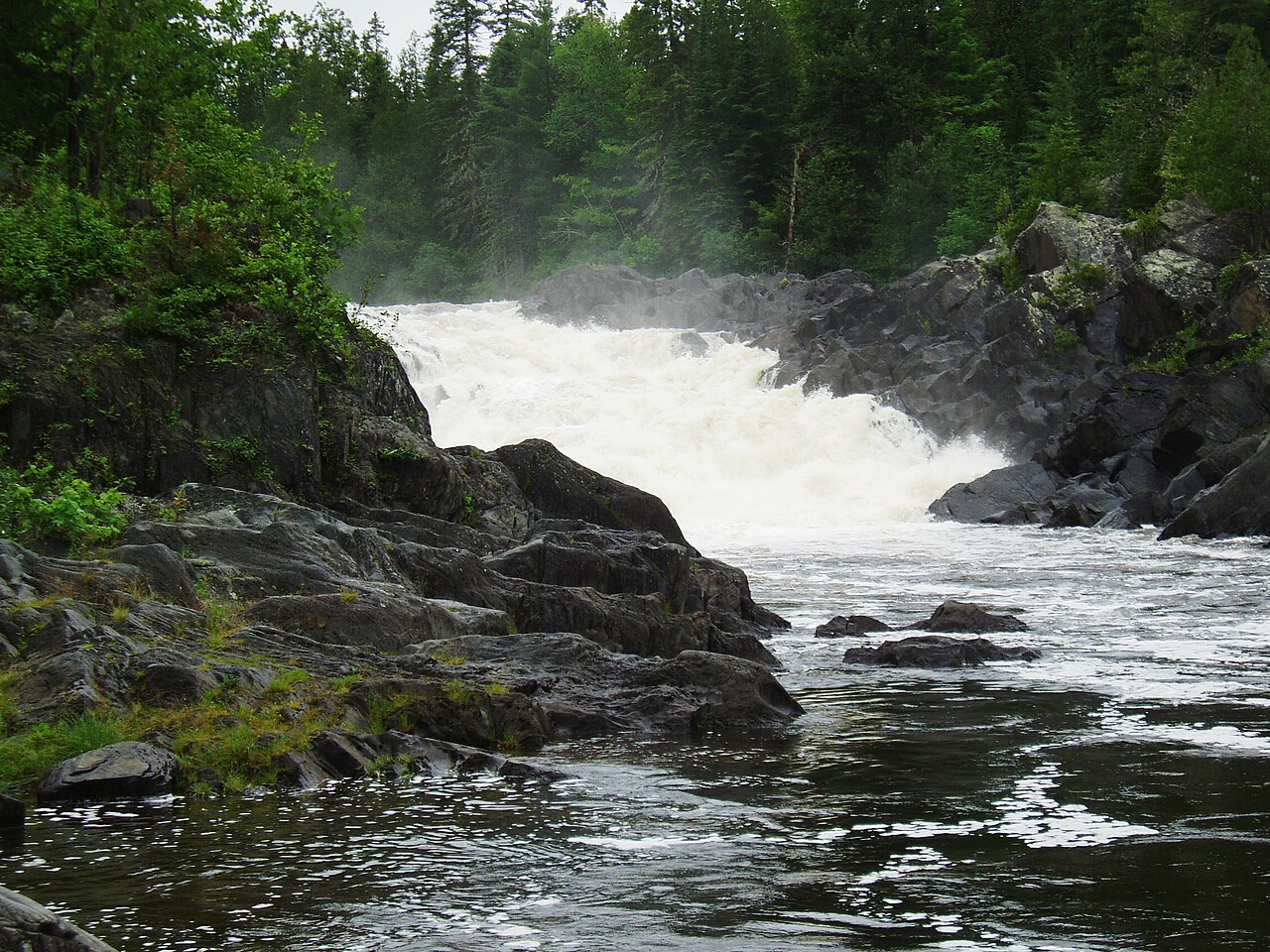
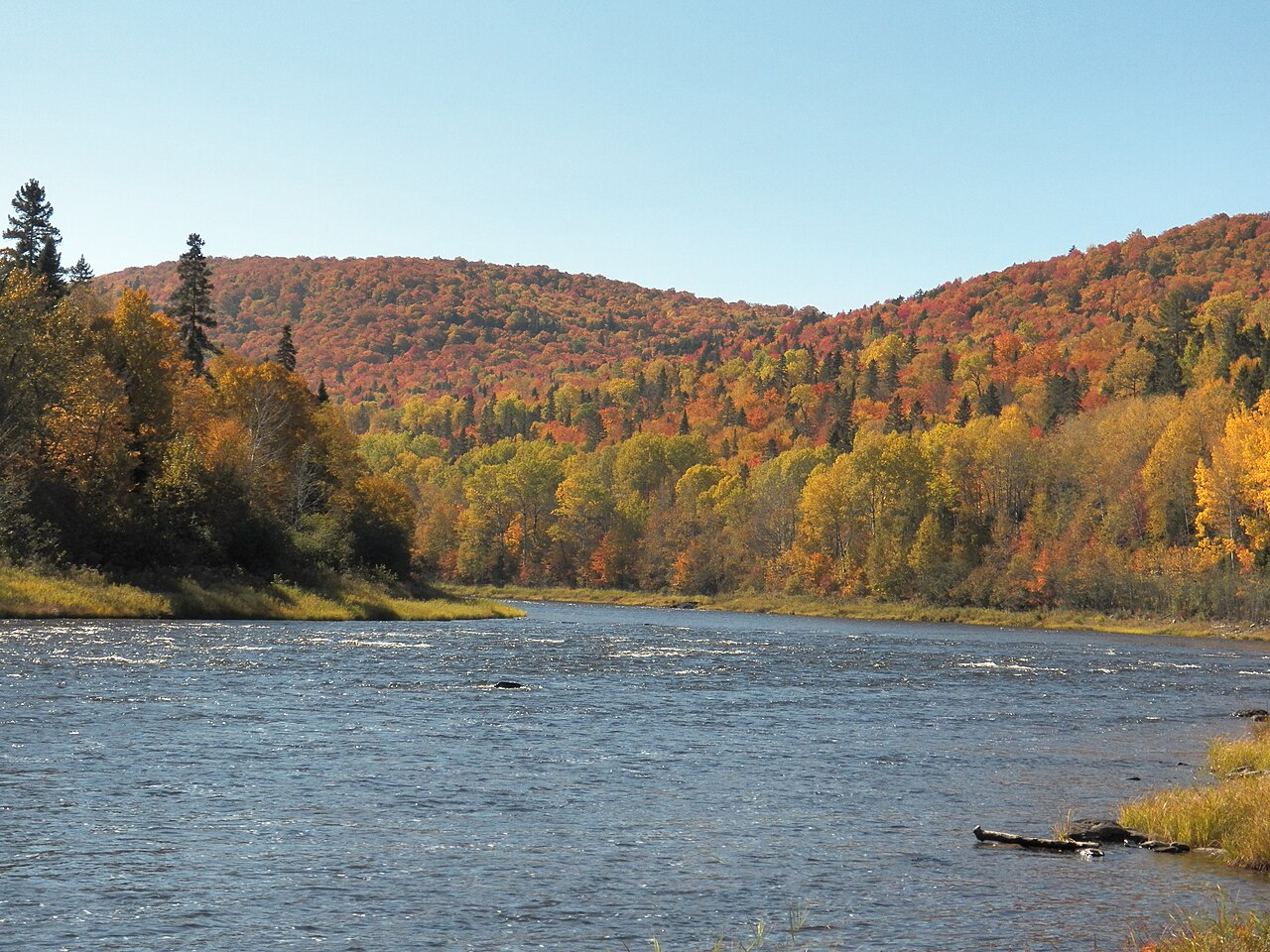
The river sections offer a different kind of excitement, most notably at Chase Rapids. This several-mile stretch of Class II whitewater provides a thrilling ride for those comfortable with river reading and maneuvering. For those who prefer a more relaxed pace, the rangers at Churchill Dam can often provide a portage service for gear, allowing you to run the rapids with a lighter boat or skip them entirely. The diversity of the waterâfrom the mirror-like surface of Umsaskis Lake to the moving currents of the lower Allagashâensures that every day on the water brings a fresh perspective and a new challenge for your paddling team.
Exploring North Woods History and Relics
The Allagash is not just a natural wonder; it is a landscape steeped in the history of the Maine logging industry. One of the most fascinating stops is the Eagle Lake Tramway and the Lombards. Here, you can walk among the rusted remains of massive steam locomotives that were used in the early 20th century to haul timber between lakes. Seeing these giant machines slowly being reclaimed by the forest is a haunting and educational experience.
Further down the waterway, you can visit the site of the Churchill Depot, once a bustling hub for logging operations. There is a small museum there that houses artifacts and photographs detailing the lives of the rugged woodsmen who worked this land. These historical markers provide a sense of scale and history, reminding visitors that while the area feels like an untouched wilderness today, it was once a site of significant industrial effort. Exploring these ruins offers a great break from the canoe seat and a chance to stretch your legs on the wooded trails surrounding the sites.
Wildlife Viewing and Birding
For many, the primary draw of the Maine North Woods is the chance to see a moose in its natural habitat. The Allagash is one of the best places in the United States for this, as the quiet nature of canoe travel allows you to drift toward these giants as they graze on aquatic plants. Early morning and dusk are the prime times to spot them in the marshy coves of the lakes or along the riverbanks.
Beyond moose, the area is a haven for a variety of wildlife. You might spot bald eagles soaring overhead or perched in tall white pines, while the haunting call of the loon provides the nightly soundtrack to your campsite. Keep an eye out for river otters playing in the currents and black bears wandering the distant shorelines. For birdwatchers, the dense forests are home to spruce grouse, boreal chickadees, and various warblers. Bringing a pair of binoculars and a camera is essential, as the opportunities for wildlife photography are frequent and often unexpected in this deep wilderness.
Fishing for Brook Trout and Lake Trout
The Allagash has long been a premier destination for anglers seeking native brook trout and lake trout (togue). The cold, oxygen-rich waters of the upper lakes and the moving sections of the river provide the perfect habitat for these species. Spring is particularly productive for fly fishing in the stream sections, while the deep holes in the lakes are better suited for trolling during the warmer summer months.
Fishing here requires a valid Maine fishing license, which should be purchased in advance. It is also important to be aware of the specific regulations for the waterway, which are designed to protect the native fish populations. Many anglers practice catch-and-release to ensure the sustainability of the fishery. Even if you aren't a serious fisherman, casting a line from the shore of your campsite as the sun sets is a peaceful way to end the day. The thrill of a wild brook trout taking a fly in such a remote setting is an experience that stays with you long after the trip is over.
Hiking and Rainy Day Strategies
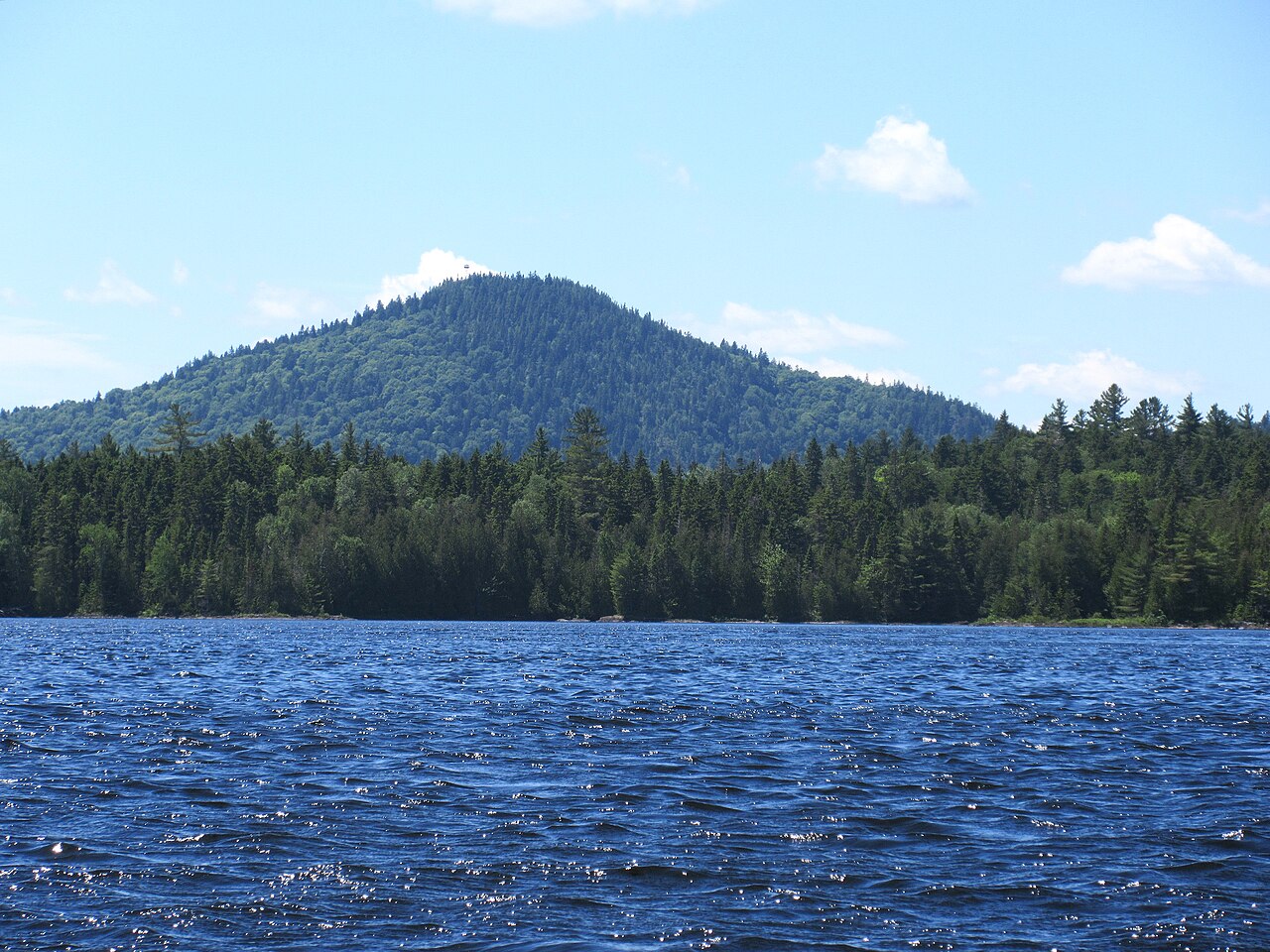
While the Allagash is centered on water, there are several hiking opportunities that provide stunning views of the surrounding forest. The hike up Allagash Mountain is a highlight, featuring a fire tower at the summit that offers a 360-degree panorama of the lakes and the distant peaks of Baxter State Park. It is a moderately steep climb but well worth the effort for the perspective it gives you on the vastness of the Maine North Woods.
On rainy days, your activities will naturally shift toward camp craft and survival skills. A sturdy tarp is an essential piece of gear, providing a dry space to cook, read, or play cards while the weather passes. Rainy days are also a good time to visit the indoor exhibits at Churchill Depot if you are nearby. Embrace the dampness as part of the wilderness experience; the forest takes on a different, more hushed character in the rain, and the mist rising off the river can be incredibly photogenic. Checking the official NPS or state waterway sites for weather alerts is always a smart move before heading out.