
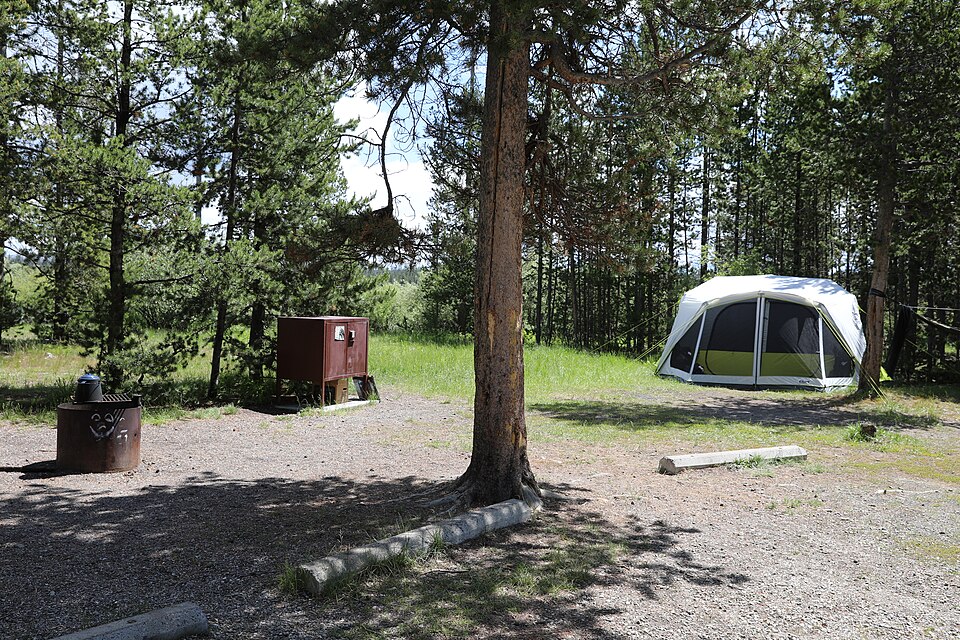
The Allagash Wilderness Waterway is defined by its primitive, 'leave no trace' camping philosophy, where amenities are limited to a fire ring and a pit toilet. However, for those who want to experience the majesty of the Maine North Woods without sacrificing comfort, Allagash Wilderness glamping and lodge-based stays offer a perfect alternative. These accommodations allow you to explore the rugged beauty of the region by day while returning to a comfortable bed, a hot meal, and modern conveniences by night.
The Glamping Experience in Northern Maine
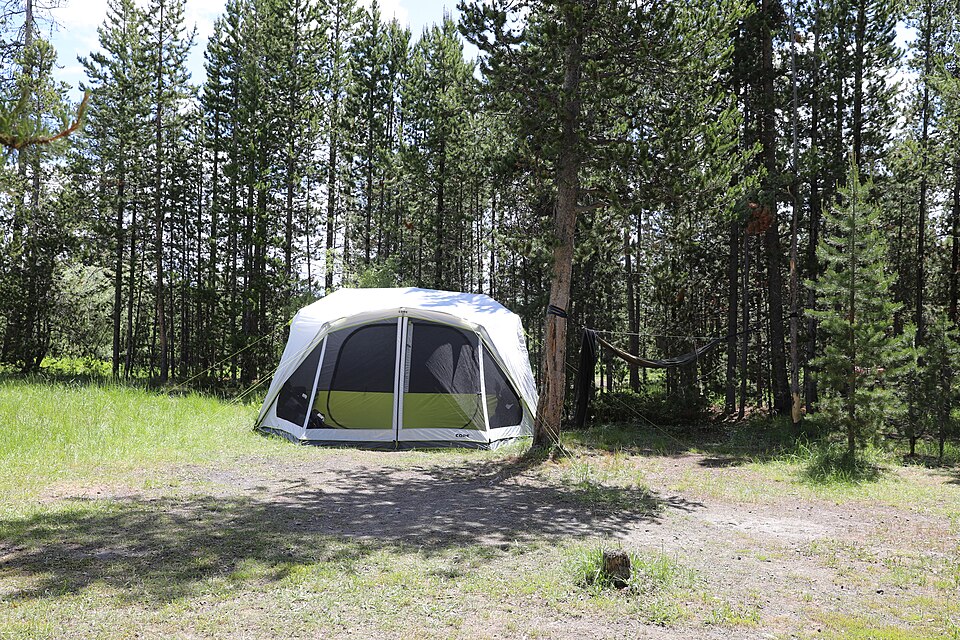
Glamping in the vicinity of the Allagash typically means staying in well-appointed wall tents, yurts, or boutique cabins located in the gateway regions like Millinocket, Greenville, or the outskirts of Fort Kent. Unlike the primitive sites inside the waterway, these locations often feature comfortable mattresses, high-quality linens, and sometimes even wood-burning stoves or small kitchenettes.
The goal of glamping here is to provide a 'basecamp' experience. You might spend your day driving into the North Maine Woods for a hike or a day-paddle on one of the lakes, but you return to a structured shelter that protects you from the elements and the legendary Maine insects. This is an excellent option for those who are new to the outdoors or for travelers who want to enjoy the scenery of the Allagash without the physical demands of a multi-day canoe expedition. It blends the rustic charm of the woods with the luxury of a relaxing vacation, making the wilderness accessible to a wider range of visitors.
Lodges and Sporting Camps
A long-standing tradition in the Maine North Woods is the 'sporting camp.' While not glamping in the modern, minimalist sense, these historic establishments offer a similar blend of wilderness access and comfort. Located on the shores of lakes just outside the waterway boundaries, these camps often provide private cabins and communal dining halls where hearty, home-cooked meals are served.
Staying at a sporting camp allows you to engage with local guides who know the hidden fishing spots and the best places to view wildlife. Many of these camps have been operating for over a century and provide a sense of place and history that you won't find in a standard hotel. They are often located down miles of private logging roads, ensuring that even though you have a roof over your head, you are still very much in the heart of the wilderness. This is a fantastic middle ground between the total self-sufficiency of backcountry camping and the luxury of a high-end glamping resort.
Gateway Towns: Millinocket and Fort Kent
If you are looking for more traditional accommodations with a glamping flare, the gateway towns are your best bet. Millinocket, known as the gateway to Baxter State Park and the southern Allagash, has seen a rise in eco-lodges and upscale cabin rentals that cater to the modern adventurer. Here, you can find stays that emphasize sustainable living and proximity to nature while providing high-speed internet and gourmet coffee.
To the north, Fort Kent serves as the terminus for many Allagash trips. The area around Fort Kent and the town of Allagash itself offers small, family-run guesthouses and riverside cabins. These spots are perfect for the beginning or end of your trip, allowing you to reorganize your gear in comfort. While you won't find large luxury hotel chains, the local hospitality is warm and deeply connected to the land. Choosing a stay in these towns supports the local economy and provides a soft landing after a week in the woods.
Where to sleep
Harvest Hosts stays on the way to Allagash Wilderness
Partner link · Harvest Hosts
Glamping vs. Primitive Camping vs. RVs
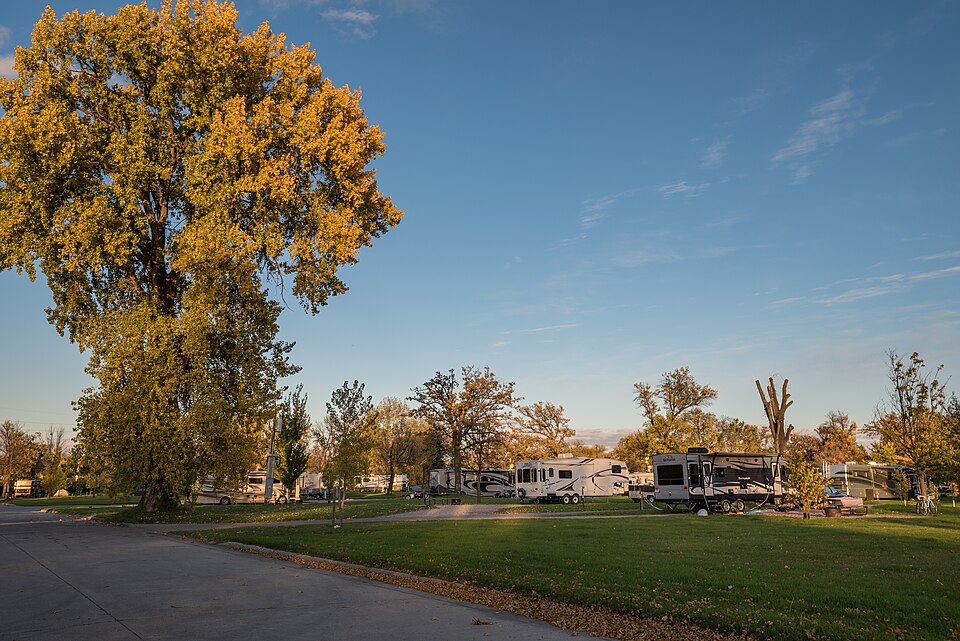
Understanding the difference between these stay styles is crucial for a successful Allagash trip. Within the Waterway itself, RVs and trailers are generally not permitted at the water-access campsites; camping is strictly tent-based at designated primitive sites. If you are traveling in an RV, you will need to stay at commercial campgrounds located along the logging roads or in the gateway towns. These campgrounds often provide hookups and flat pads, but they lack the seclusion of the river sites.
Glamping offers a level of curated comfort that neither RVing nor primitive camping can match, often focusing on the aesthetic and sensory experience of the woods. For many, a hybrid trip is the best approach: spend several nights glamping in Greenville to soak in the atmosphere, followed by a few nights of rugged camping on the waterway for the full wilderness immersion. This allows you to experience the 'best of both worlds'âthe raw challenge of the river and the restorative luxury of a comfortable bed.
Planning Your Stay and Estimated Costs
When planning your comfortable stay near the Allagash, keep in mind that the season is short, running primarily from June through September. Due to the limited number of high-quality glamping and lodge options, reservations should be made six months to a year in advance. Costs for these accommodations vary widely but generally range from a moderate nightly rate for a basic cabin to a more significant investment for a full-service sporting camp that includes meals and guided outings.
Expect to spend roughly $65 per day on basic wilderness supplies and fees if you are camping, but glamping or lodge stays will increase your daily budget significantly. Always check the official Maine Bureau of Parks and Lands site for any regulations regarding access to the North Maine Woods, as even glamping guests must pass through the private road gatehouses. Regardless of where you sleep, the Allagash region offers a profound connection to nature that is well worth the logistical effort of planning a remote Maine getaway.