
Embarking on a full trip through the Allagash Wilderness Waterway is a rite of passage for outdoor enthusiasts. This 92-mile route takes you from the deep lakes of the south to the rushing river sections of the north, ending near the Canadian border. This itinerary covers the classic full-length journey, requiring careful preparation, physical stamina, and a spirit of adventure. You will experience the transition from vast open water to narrow, forested corridors, all while camping under the stars in one of the most remote areas of the eastern United States.
Arrival and Logistics in Bangor and Greenville
Your journey begins at Bangor International Airport (BGR). After landing, you will need to pick up a rental vehicle or arrange for a pre-booked shuttle service. The drive to the gateway towns like Greenville or Millinocket takes about two and a half to three hours. Use this time to double-check your gear and pick up any last-minute supplies, especially fresh food and fuel, which will be unavailable once you enter the North Woods.
Most paddlers spend their first night in a local lodge or bunkhouse in Greenville or Millinocket. This allows for an early morning departure into the North Maine Woods, a vast tract of privately owned timberland. You will pass through a staffed gatehouse where you will pay your entry and camping fees. The drive from these towns to the put-in at Telos Lake or Chamberlain Lake involves miles of unpaved logging roads, so ensure your vehicle is equipped with a full-size spare tire and that you have plenty of fuel.
Days 1-3: The Great Lakes of the South
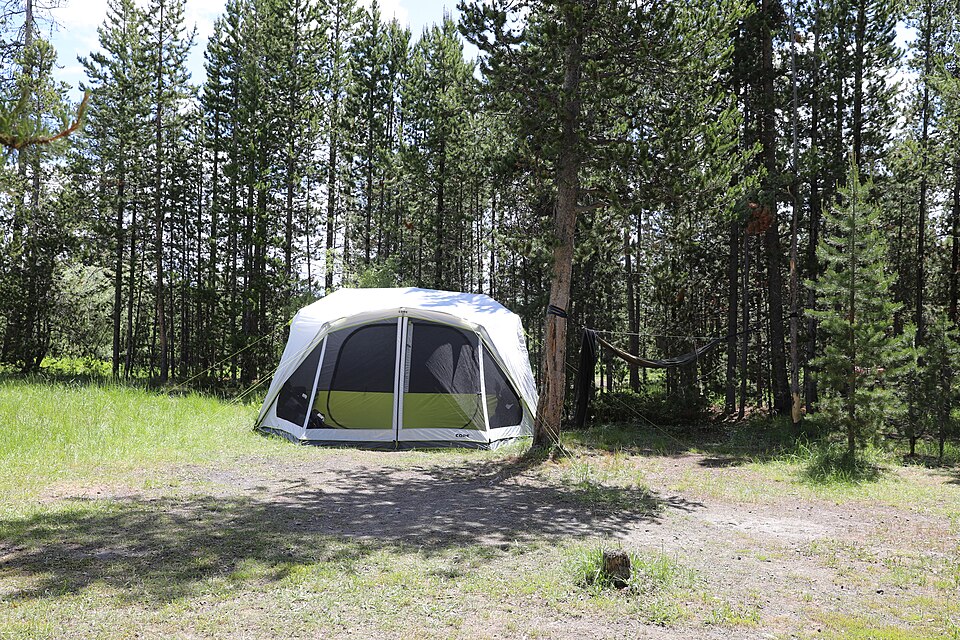
Launch your canoes at Telos Landing or Chamberlain Thoroughfare. The first few days are dominated by the large lakes. Chamberlain Lake is massive and can be prone to high winds; it is often best to paddle early in the morning when the water is calm. Spend your first night at a site on Chamberlain, enjoying the expansive views and the call of the loons.
On day two, navigate through the 'Lock Dam' area. You will need to portage your gear around the historic dam structures. Continue into Eagle Lake, where you should plan to spend day three. This area is home to the famous abandoned steam locomotives. Set up a base camp and take a half-day to hike into the woods to see these massive relics of the logging era. The campsites on the islands of Eagle Lake offer some of the best sunset views on the entire waterway. Be sure to secure your food properly, as black bears are active in this region.
Days 4-6: Churchill Lake and the Chase Rapids
Paddle north from Eagle Lake through Round Pond (the southern one) and into Churchill Lake. This section is generally protected and offers beautiful winding passages. By day five, you will reach Churchill Depot. This is a great place to stop, visit the small museum, and check in with the rangers. This is also the staging area for Chase Rapids.
If you are experienced in whitewater, day six will be a highlight as you navigate the Class II rapids. If you prefer to avoid the technical water, the rangers at the depot can often provide a vehicle shuttle for your gear and canoes for a small fee. After the rapids, the river opens up again into Umsaskis Lake and Long Lake. These waters are surrounded by dense forests and offer excellent opportunities for moose sightings in the marshy fringes. The transition from the large lakes to the more intimate river environment is one of the most rewarding parts of the trip.
Where to sleep
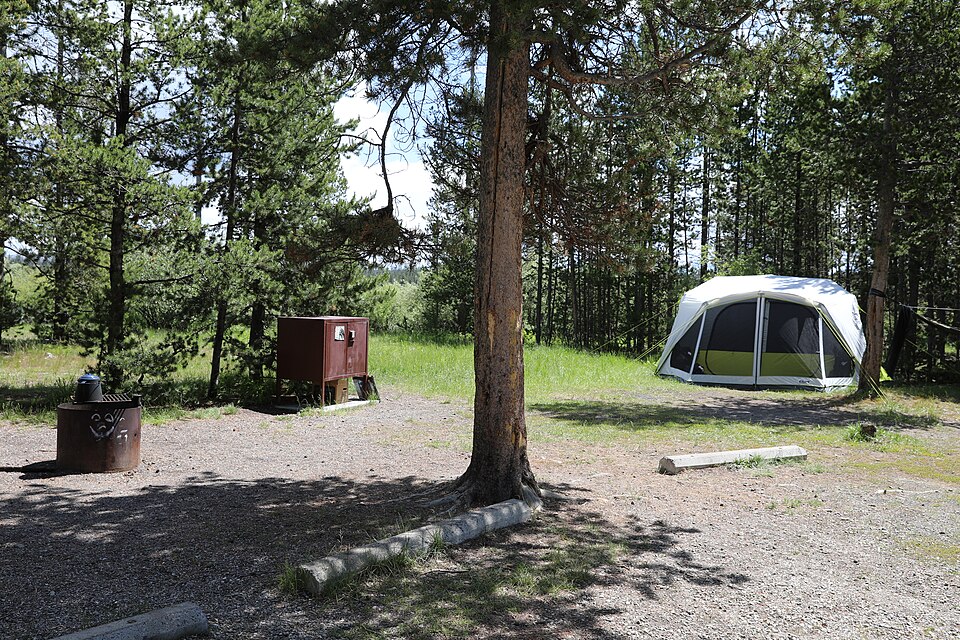
Harvest Hosts stays on the way to Allagash Wilderness
Partner link · Harvest Hosts
Days 7-9: The Allagash River and Falls
As you leave Long Lake, the current of the Allagash River becomes more apparent. The paddling becomes easier as the river carries you northward. Day seven and eight are spent winding through the forest, passing through Round Pond (the northern one) and navigating the 'Five Finger Rapids,' which are generally milder than Chase Rapids but still require attention.
On day nine, you will reach the spectacular Allagash Falls. This is a mandatory portage. The trail around the falls is well-maintained but requires carrying all your gear and canoes approximately one-third of a mile. Many groups choose to camp at the falls, as the sound of the rushing water and the misty atmosphere make for a memorable final night in the wilderness. It is a place of immense natural power and beauty, serving as the grand finale of the wild sections of the waterway. Take time here to reflect on the miles you have covered and the rhythm of the woods you have adopted.
Day 10: The Final Push to Allagash Village
The final day of your itinerary covers the stretch from Allagash Falls to the confluence of the Allagash and St. John Rivers. The river is broad and the current remains steady, making for a pleasant final few hours of paddling. You will eventually see the bridge at Allagash Village, marking the end of your 92-mile journey.
Your shuttle vehicle or driver should be waiting for you at the designated take-out point. From here, it is a long drive back to Bangor or your starting point, often taking four to five hours on a mix of paved and unpaved roads. The transition back to civilization can be jarring after ten days in the wild. We recommend booking a hotel in Bangor for your final night to enjoy a hot shower and a prepared meal before flying out the next day. Always check the official NPS or Maine state parks website for any late-breaking trail closures or water level warnings before you set out on this epic Maine adventure.
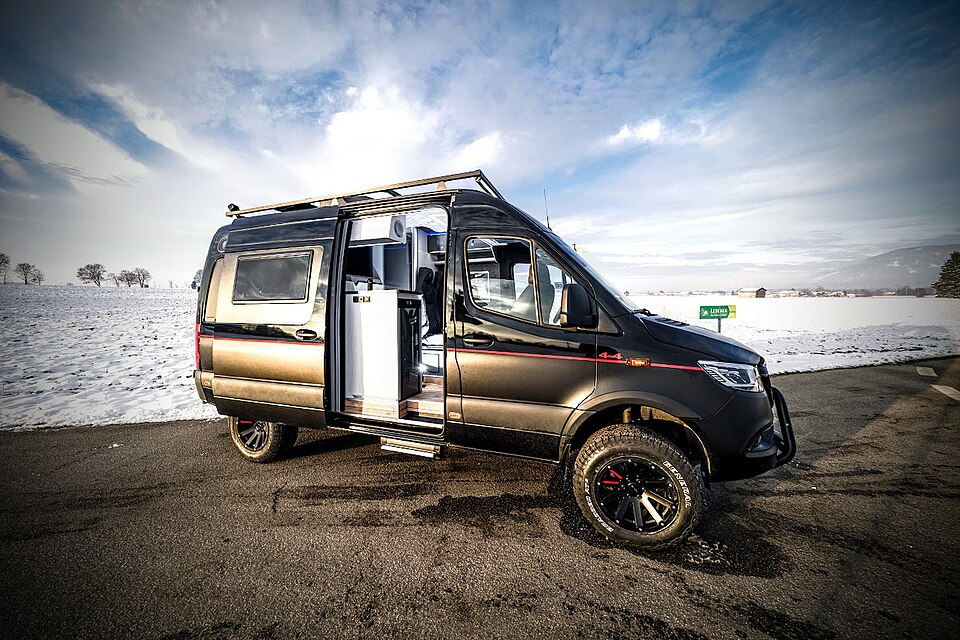
More ways to book Allagash Wilderness
 Illustrative · Diego Angel
Sprinter Adventure Van
Small enough to park at the trailhead, comfy enough to sleep in.
$189/day (estimate)
Direct link · RVshare