
The Allagash Wilderness Waterway is a remote treasure that changes dramatically with the shifting Maine seasons. Determining the best time to visit Allagash Wilderness depends on your tolerance for bugs, your desire for high water levels, and your love for vibrant foliage. Most travelers arrive between late May and early October to take advantage of the navigable waters and manageable temperatures, as the winter months turn this vast landscape into an inaccessible frozen expanse reserved only for the most experienced winter survivalists.
Late Spring and Early Summer Runoff
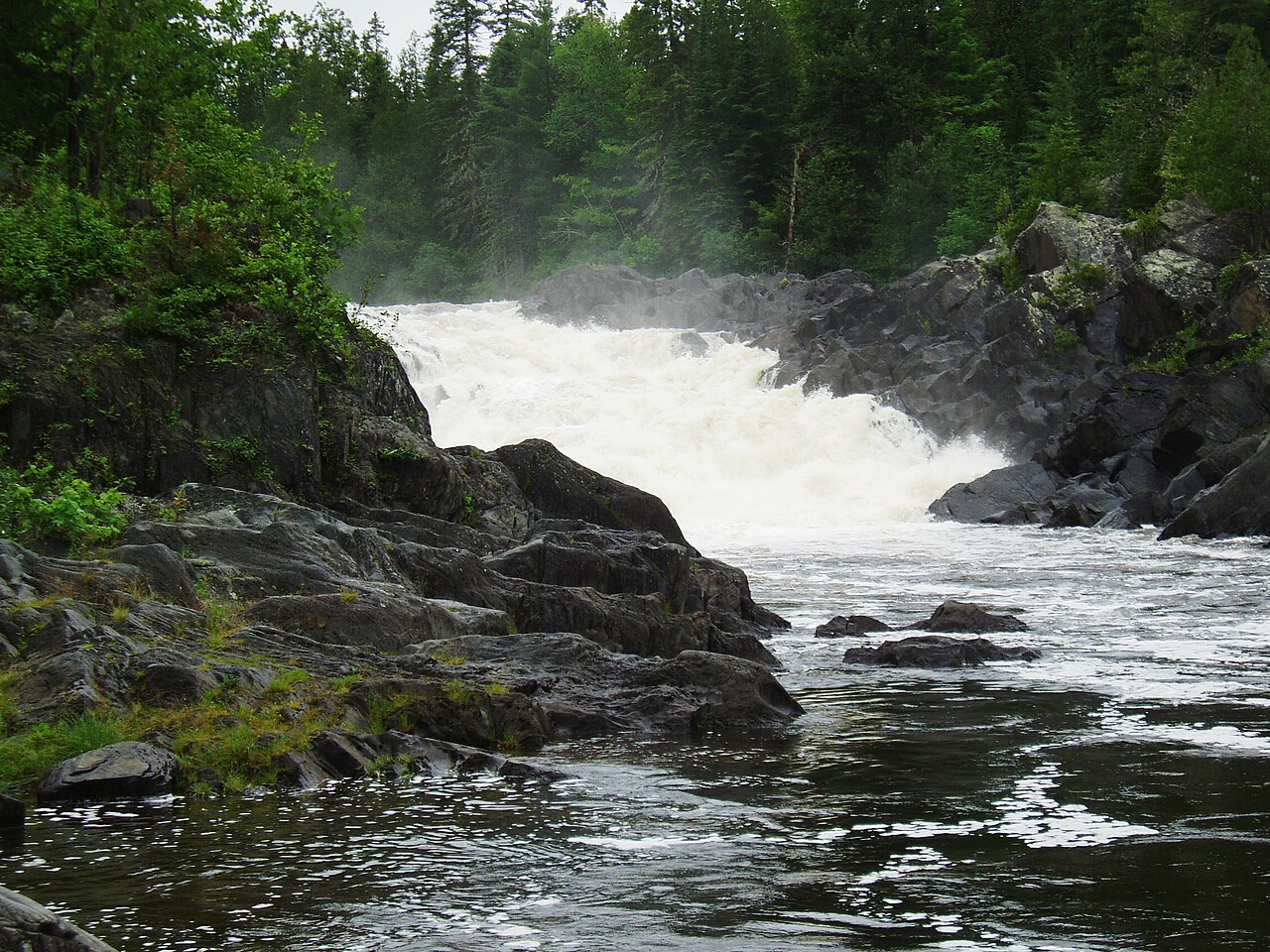
Late May and June represent the start of the paddling season, characterized by high water levels that make navigating the river sections and rapids much easier for fully loaded canoes. This is arguably the best time for those who want to avoid dragging their boats over shallow rocks. However, this period is also the peak of black fly and mosquito season in the North Woods.
Visitors during these weeks should come prepared with head nets, bug jackets, and heavy-duty repellents. The weather can be unpredictable, with frequent rain showers and cool evenings that require high-quality synthetic or wool clothing. Despite the insects, the sense of renewal in the forest is palpable, with bright green buds appearing on the hardwoods and moose frequently seen feeding on new aquatic growth along the shorelines. It is a time of high energy and rushing water, perfect for seasoned paddlers who prioritize river flow over comfort.
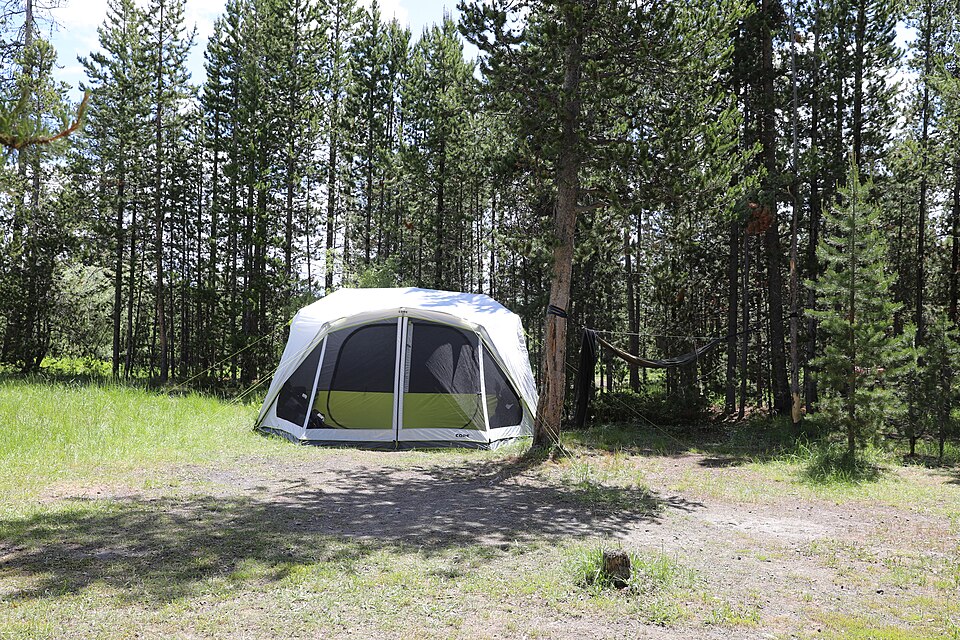
Lock in a stay for this season
RV parks near Allagash Wilderness on RoverPass
Partner link · RoverPass
Warm Summer Days in July and August
July and August are the most popular months for families and groups seeking a classic summer camping experience. During this window, the weather is at its most stable, with warm days perfect for swimming in the deep, clear lakes like Chamberlain or Eagle Lake. The bug population begins to dwindle significantly by mid-July, making the evenings around a campfire much more enjoyable.
However, the trade-off for better weather is lower water levels. In dry years, the Allagash River sections can become shallow, requiring paddlers to read the water carefully or even get out and pull their canoes through bony sections of the stream. It is essential to check the official National Park Service or state waterway reports for current flow rates before departing. Because this is the peak season, you are more likely to encounter other groups at popular campsites, though the sheer scale of the 92-mile waterway ensures that you will still find plenty of solitude in the deep woods.
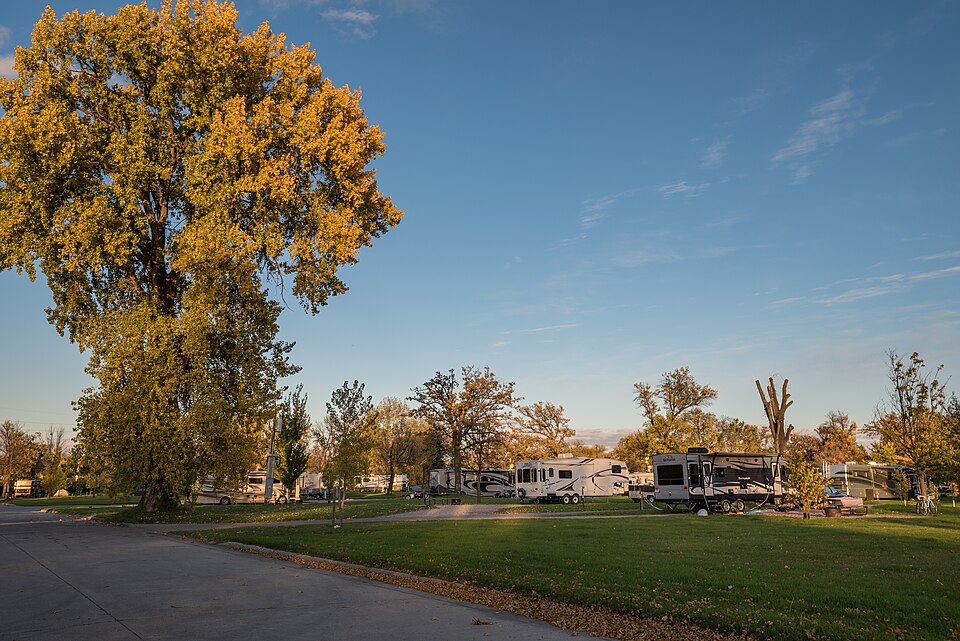
Lock in a stay for this season
Campsites near Allagash Wilderness on Campspot
Partner link · Campspot
The Quiet Beauty of September Fall Foliage
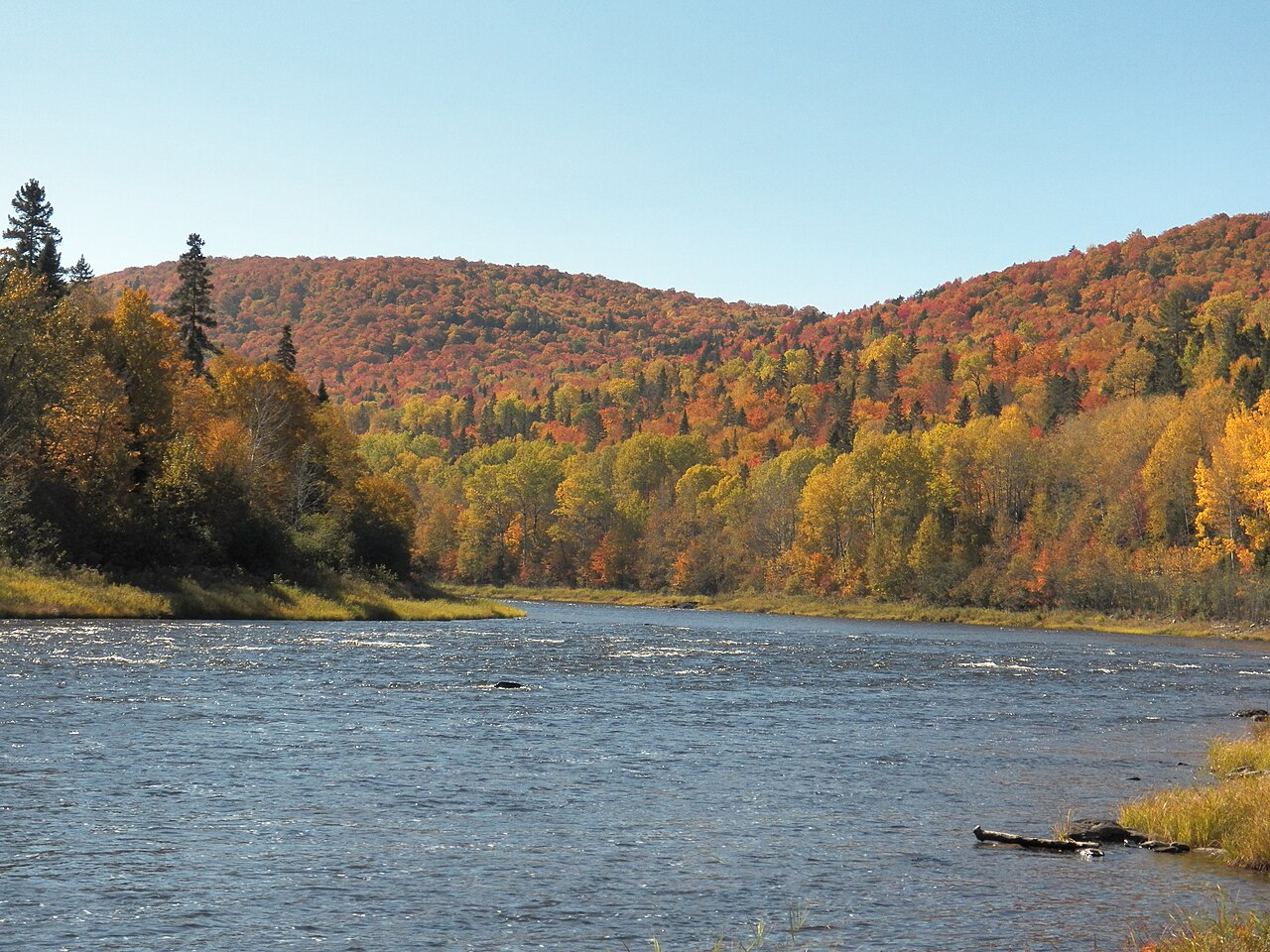
September is widely considered by locals to be the hidden gem of the Allagash season. As the air turns crisp and the first frosts hit the northern reaches of Maine, the maple, birch, and beech trees erupt in a spectacular display of reds, oranges, and golds. The mosquitoes and black flies are completely gone by this time, providing a peaceful environment for long days on the water.
Daylight hours begin to shorten, so you will need to plan for earlier camp setups and longer, cooler nights. The water levels often rise slightly with autumn rains, though they rarely reach the heights of the spring runoff. This is also a prime time for wildlife viewing, as bull moose are in rut and are frequently heard crashing through the underbrush or calling near the waterâs edge. If you enjoy wearing a warm flannel shirt by a morning fire and paddling through misty, colorful mornings, September is the ideal window for your wilderness journey.
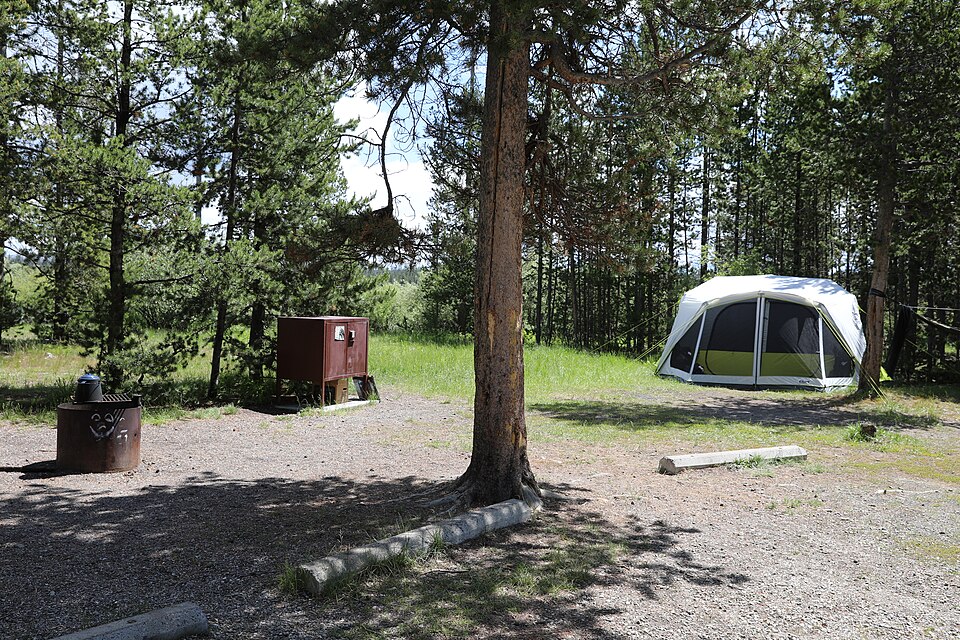
Lock in a stay for this season
Harvest Hosts stays on the way to Allagash Wilderness
Partner link · Harvest Hosts
Navigating Crowds and Campsite Availability
While the Allagash never feels crowded in the sense of a metropolitan park, certain popular entry points and campsites near historic landmarks, like the Eagle Lake Tramway, can see higher traffic during holiday weekends in July and August. The waterway operates on a first-come, first-served basis for its established primitive campsites. Because you cannot reserve a specific site in advance, it is wise to start your paddling day early to ensure you reach your desired destination by mid-afternoon.
Groups larger than 12 people are subject to specific regulations to preserve the wilderness character of the area. If you are planning a trip during the busy mid-summer months, try to launch on a weekday rather than a Saturday to get ahead of the main flow of traffic. Remember that the vastness of the Maine North Woods means that even during the 'busy' season, you may go hours or even an entire day without seeing another soul, maintaining that authentic wilderness feel.
Planning for Logistics and Reservations
Planning your trip requires more than just picking a date; it involves coordinating shuttles and understanding the permit system. While you don't need a lottery-style permit for general access, you must register at one of the entry gates, such as Telos or Churchill Dam, and pay the nightly camping fees. Fees are generally modest, but they must be paid in cash or through specific arrangements at the gatehouses.
For the best experience, you should finalize your logistics at least three to four months in advance, especially if you require a commercial shuttle service to move your vehicle from the put-in to the take-out point. These local services are limited and fill up quickly during the peak summer weeks. Always check the official Maine Bureau of Parks and Lands website for the latest updates on road conditions, as the private logging roads used to access the waterway can be affected by weather or active timber harvesting operations, which may alter your arrival timing.
More ways to book Allagash Wilderness
 Illustrative · Nannochloropsis
Chase Rapids Running
One of the classic ways to experience Allagash Wilderness.
Varies (estimate)
Partner link · Viator