
Entering Yellowstone through the Montana gateways of Gardiner or West Yellowstone puts you at the doorstep of some of the most iconic landscapes in the American West. Beyond the famous geysers and hot springs, these areas offer a wealth of recreation ranging from world-class fly fishing to high-alpine hiking. Whether you are traveling with family or seeking a quiet retreat into the wilderness, the Montana side of the park provides a diverse array of experiences to fill your itinerary.
Wildlife Watching in Lamar Valley
Often referred to as the 'Serengeti of North America,' the Lamar Valley is easily accessible from the North Entrance at Gardiner. This expansive valley is the premier location for spotting gray wolves, grizzly bears, and massive herds of bison. The best time for wildlife viewing is during the dawn and dusk hours when animals are most active. Professional spotting scopes are helpful, but even with binoculars, the sight of a wolf pack on the move is unforgettable.
Driving through the valley toward Cooke City offers numerous pullouts where you can safely observe the animals from a distance. Remember to follow park regulations by staying at least 100 yards away from bears and wolves. During the spring, the valley is filled with young calves and cubs, while the winter months make the dark shapes of bison stand out starkly against the white snow, providing excellent photographic opportunities year-round.
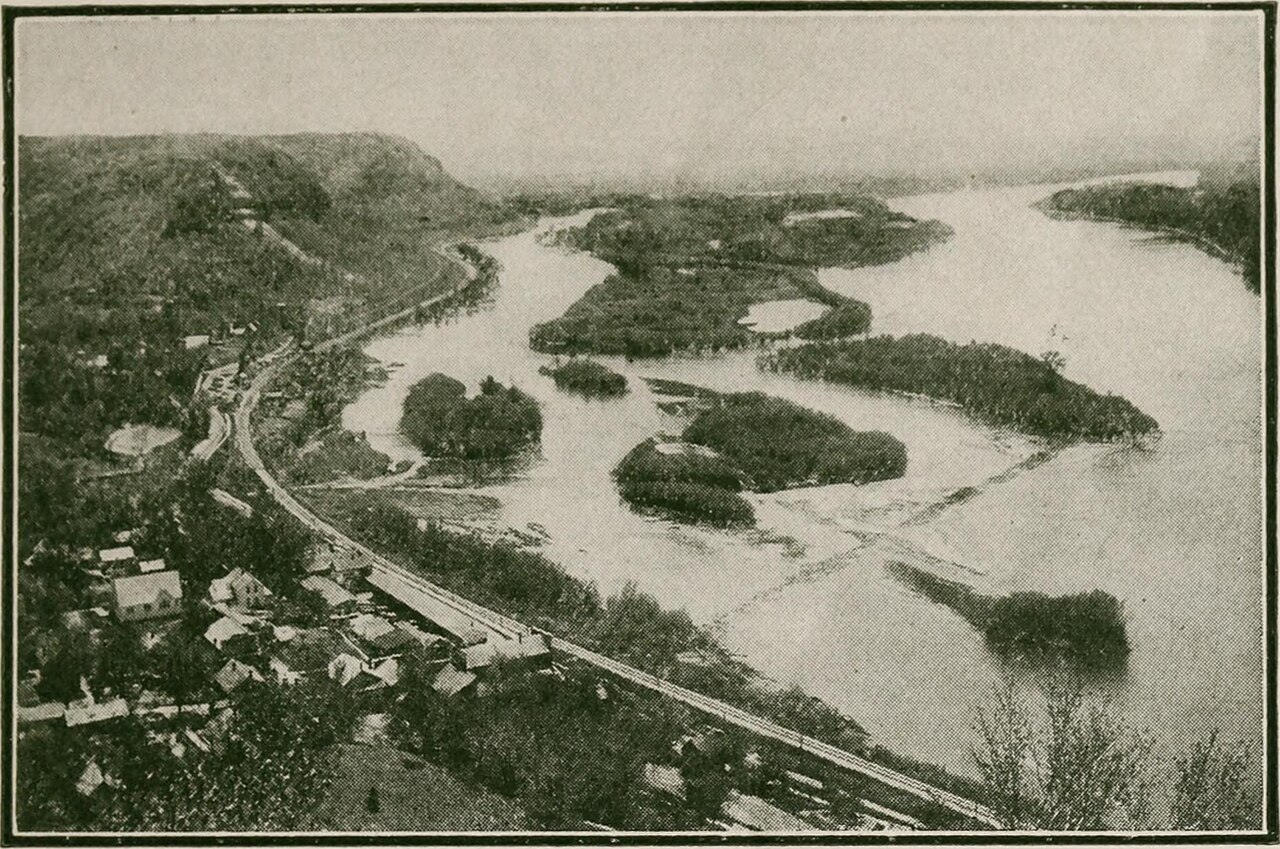
Exploring Geyser Basins and Boardwalks
West Yellowstone serves as the primary gateway to the park's famous thermal features. A short drive from the entrance leads you to the Lower, Mid, and Upper Geyser Basins. Here, you can witness the power of Old Faithful or marvel at the vibrant turquoise and orange rings of the Grand Prismatic Spring. The boardwalk systems are well-maintained and provide a safe way to explore these fragile environments.
For a slightly less crowded experience, head to the Norris Geyser Basin, the hottest and most acidic thermal area in the park. Walking the Porcelain Basin loop offers a surreal landscape of milky blue pools and hissing vents. These areas are fascinating for children and adults alike, offering a literal window into the volcanic forces beneath the Earth's crust. Be sure to stay on the designated paths at all times, as the ground in these areas is extremely thin and dangerous.
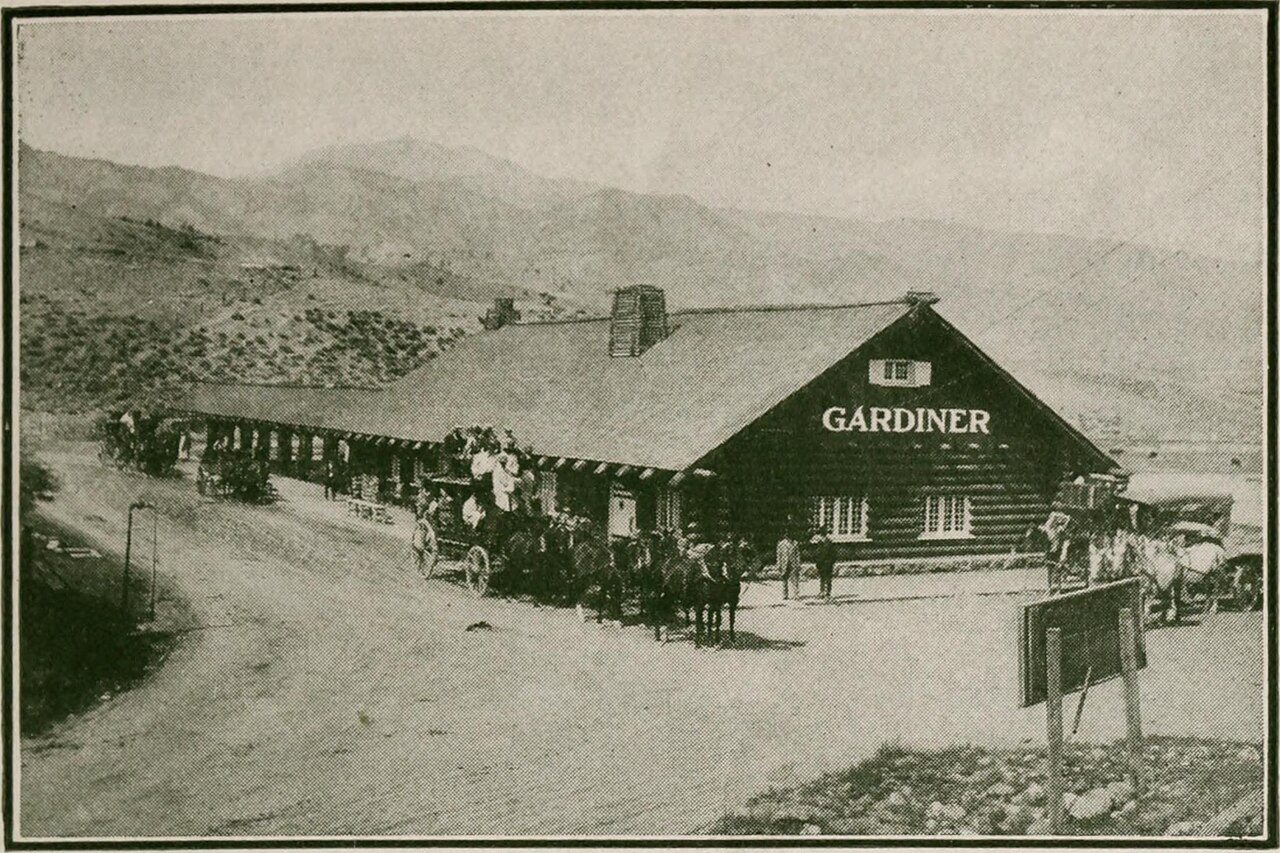
Hiking and Scenic Vistas
The Montana gateway regions offer access to some of the park's most rewarding hiking trails. Near the North Entrance, the hike to the top of Mount Everts provides sweeping views of the Gardner River and the surrounding mountain ranges. For those entering through West Yellowstone, the trail to Fairy Falls offers a stunning look at one of the park's tallest waterfalls, with an optional climb to a viewpoint overlooking the Grand Prismatic Spring.
If you prefer a scenic drive over a hike, the road between Gardiner and Mammoth Hot Springs climbs steeply, offering dramatic views of the 'Devil's Slide' rock formation. The drive along the Madison River toward the park interior is equally beautiful, especially in the evening when the light hits the canyon walls and elk often graze along the riverbanks. Always carry bear spray while hiking and be prepared for sudden changes in weather, even during the height of summer.
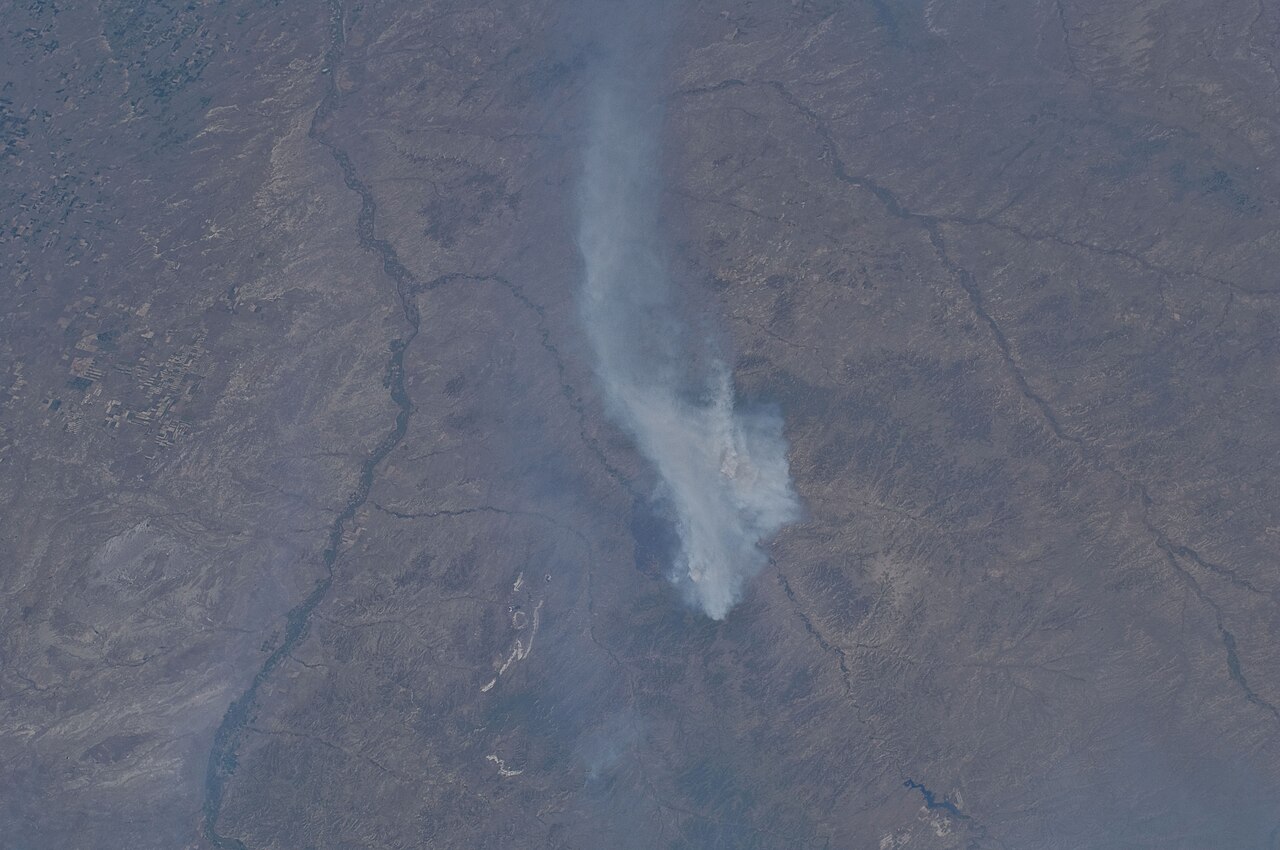
Water Activities and Fly Fishing
The rivers flowing through and near the Montana gateways are legendary among anglers. The Madison, Gallatin, and Yellowstone Rivers offer world-class fly fishing for rainbow, brown, and cutthroat trout. Many local outfitters in West Yellowstone and Gardiner offer guided trips, which are highly recommended for those unfamiliar with the local waters.
For a different pace, consider a rafting trip on the Yellowstone River just outside the park boundary near Gardiner. Various levels of rapids are available, from calm scenic floats perfect for families to more adventurous whitewater sections. Inside the park, Hebgen Lake, located just west of the park boundary, is a popular spot for boating and kayaking. While swimming in the park's thermal features is strictly prohibited and dangerous, the Boiling River (when open) near the North Entrance has historically been a place where visitors could soak in the mix of cold river water and warm thermal runoff.
Rainy Day and Indoor Options
If the weather turns sour, the Montana gateway towns offer excellent indoor attractions. In West Yellowstone, the Grizzly and Wolf Discovery Center is a non-profit park where you can observe rescued bears and wolves in a naturalistic setting. It is an educational experience that guarantees a close-up look at these predators, even if you didn't spot them in the wild. The nearby Yellowstone Giant Screen Theatre shows immersive films about the park's history and geology.
In Gardiner, the Yellowstone Heritage and Research Center houses a massive collection of park archives and artifacts, offering a deep dive into the human and natural history of the region. Many of the historic lodges within the park, such as the Mammoth Hot Springs Hotel, have beautiful common areas where you can relax by a fireplace and wait for the clouds to clear. Visiting the local museums and shops in these gateway towns is a great way to support the local community while staying dry.