
Choosing the right season to enter Yellowstone through its Montana gateways, such as West Yellowstone or Gardiner, significantly shapes your experience. While summer offers full access to the Grand Loop Road, the shoulder seasons bring a quiet beauty and unique wildlife opportunities that few travelers get to witness. Whether you are looking for snow-covered landscapes or alpine wildflower meadows, timing your visit requires balancing weather expectations with the park's operational schedule.
Summer Peak and Crowds
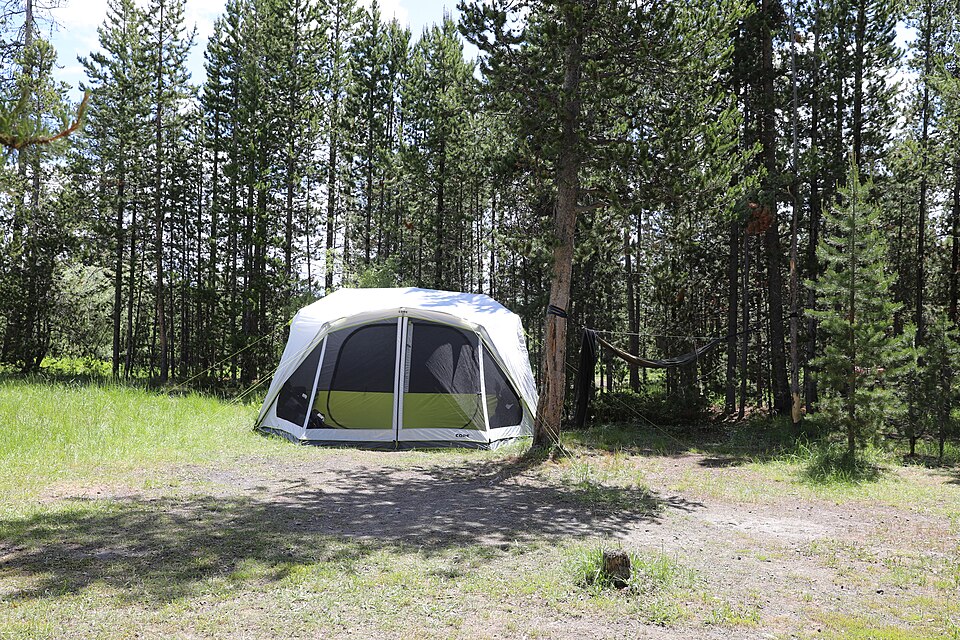
July and August represent the peak of the travel season for those entering through Montana. During these months, all interior park roads are open, and the weather is generally mild, with daytime temperatures reaching the 70s or 80s. This is the best time for hiking high-elevation trails like Mount Washburn, as the snow has finally melted away. However, visitors should be prepared for significant traffic at the West Yellowstone entrance, which is the busiest gateway to the park.
To navigate the crowds, plan to enter the park before sunrise or later in the afternoon. Lodging in gateway towns fills up months in advance, so securing your stay early is essential. The long daylight hours allow for extensive sightseeing, but you will share the boardwalks at Old Faithful and Grand Prismatic Spring with many others. Despite the bustle, summer provides the most reliable access to all visitor centers and services.
Lock in a stay for this season
RV parks near Yellowstone - Montana gateway on RoverPass
Partner link · RoverPass
Fall Colors and the Elk Rut
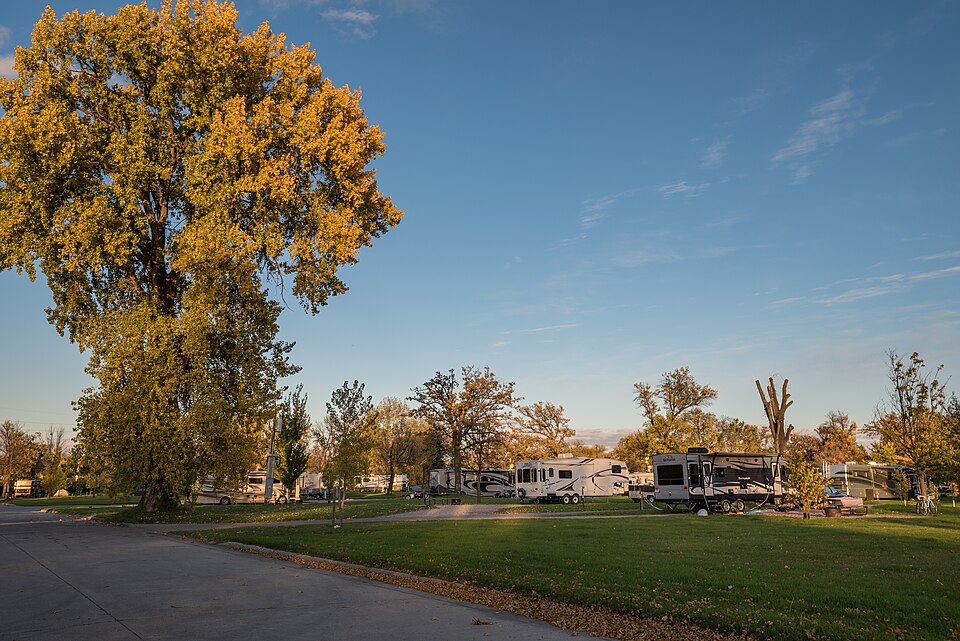
September and October are often considered the prime window for photographers and wildlife enthusiasts. As the cottonwoods and aspens turn gold along the Madison and Yellowstone Rivers, the air turns crisp, and the summer crowds begin to thin. This is the season of the elk rut, where the bugling of bull elk echoes through the town of Gardiner and the Mammoth Hot Springs area.
While the weather remains pleasant during the day, nighttime temperatures frequently drop below freezing, so packing layers is a necessity. Many park facilities begin to close in late September, and road closures typically start in early November to prepare for winter. If you visit during this time, you will experience a more serene side of the landscape, though you must monitor the NPS site for sudden weather-related road closures that can occur as early as October.
Lock in a stay for this season
Campsites near Yellowstone - Montana gateway on Campspot
Partner link · Campspot
Winter's Snowy Transformation
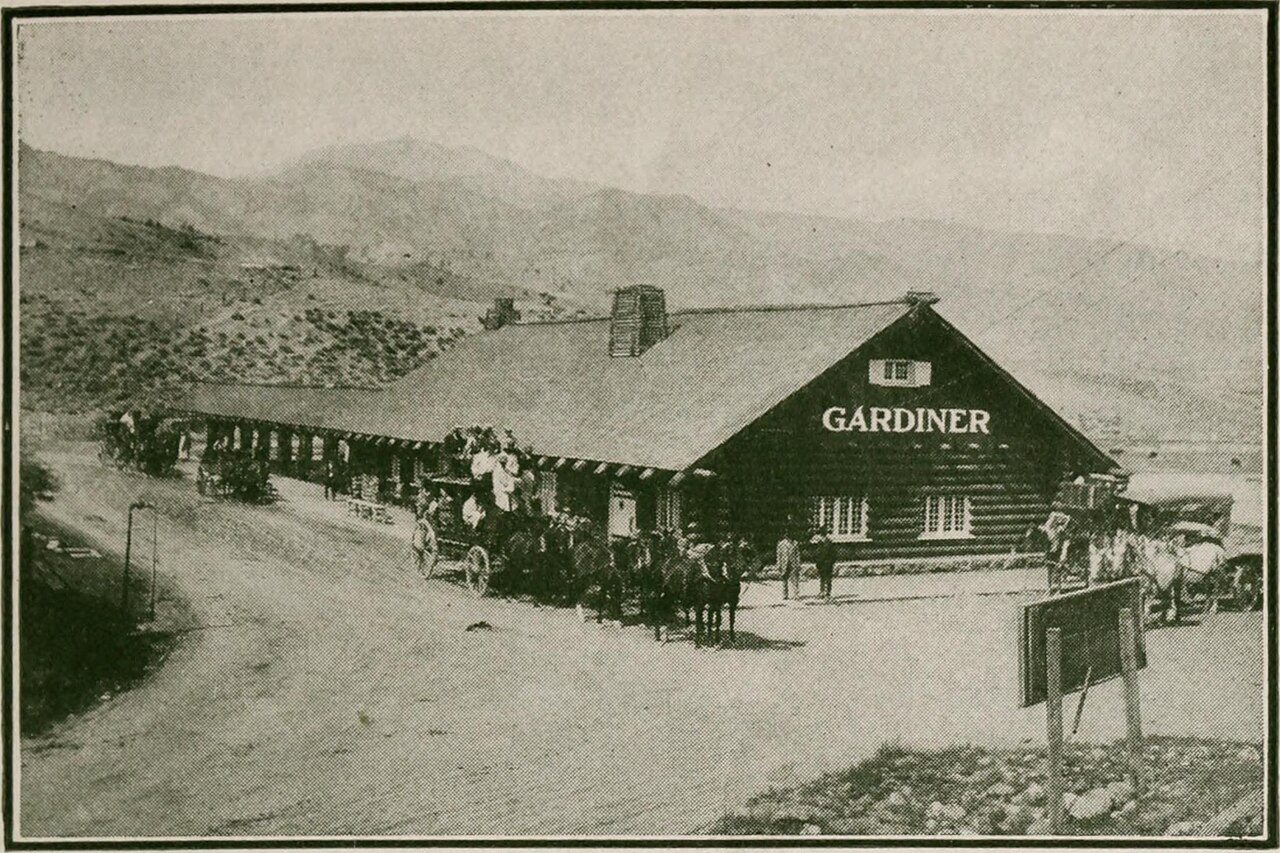
Winter transforms the Montana gateways into a snowy wonderland, but the experience differs greatly between towns. The North Entrance at Gardiner remains the only entrance open to wheeled vehicles year-round, allowing drive-in access to Mammoth Hot Springs and the wildlife-rich Lamar Valley. In contrast, the West Yellowstone entrance transitions to over-snow travel only, where visitors must book snowcoach tours or snowmobile excursions to see the park interior.
Skiing and snowshoeing become the primary activities, with miles of groomed trails available just outside the park boundaries. The contrast of steam rising from thermal features against the deep white snow is breathtaking. While temperatures can plummet well below zero, the lack of crowds provides a profound sense of solitude. Be sure to check availability for winter tours well in advance, as these specialized trips are popular and have limited daily capacities.
Lock in a stay for this season
Harvest Hosts stays on the way to Yellowstone - Montana gateway
Partner link · Harvest Hosts
Spring Awakening and Wildlife
Spring in the Montana gateway areas is a season of transition known locally as 'mud season.' In April and May, the snow begins to recede, and the park slowly reopens its gates to vehicle traffic. This is an extraordinary time for wildlife viewing, as grizzly bears emerge from hibernation and bison calves, known as 'red dogs,' are born. The Lamar Valley, accessible from the North Entrance, is particularly vibrant during this time.
However, spring weather is highly unpredictable. A sunny morning can quickly turn into a heavy snowstorm, and many hiking trails remain muddy or snow-packed until late June. Services in the gateway towns are just beginning to open for the season, so options for dining and shopping may be more limited than in mid-summer. For those who don't mind the damp weather, the reward is a front-row seat to the cycle of rebirth in the Rockies.
Reservations and Planning Tips
Regardless of when you choose to visit, planning ahead is the most important factor for a successful trip to the Montana side of Yellowstone. For summer visits, booking lodging and rental cars six to twelve months in advance is standard. If you are planning a winter snowcoach trip from West Yellowstone, those reservations also fill up quickly due to strict daily quotas.
Always consult the official National Park Service website for the most current information on road construction, seasonal opening dates, and any permit requirements for backcountry use. The cost of visiting varies by season, with winter often being more expensive due to the necessity of guided tours for park entry. Budgeting for a multi-day park pass is recommended, as it allows you to come and go through the Montana gates as much as you like over a seven-day period.
More ways to book Yellowstone - Montana gateway
Old Faithful Geyser Observation
One of the classic ways to experience Yellowstone - Montana gateway.
Varies (estimate)
Partner link · Viator