
Glamping offers a unique way to experience the rugged beauty of Montana while maintaining the comforts of a boutique hotel. Near the West Yellowstone and Gardiner entrances, you can find upscale canvas tents, refurbished sheep wagons, and luxury cabins that allow you to fall asleep to the sound of the wind through the pines without the hassle of setting up a tent. It is the perfect middle ground for travelers who want an authentic outdoor connection with a touch of modern luxury.
The West Yellowstone Glamping Scene
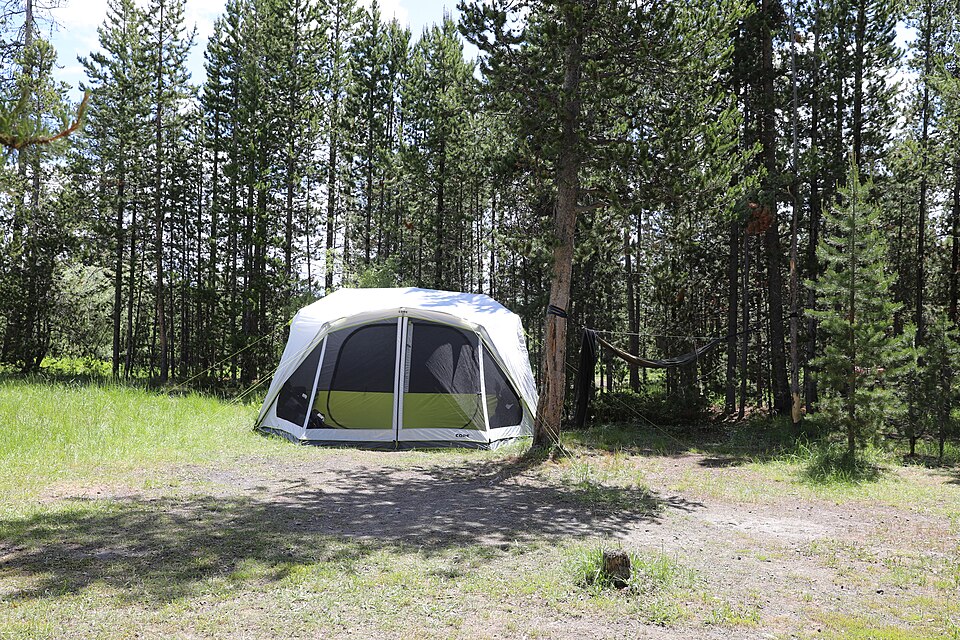
West Yellowstone is a hub for high-end outdoor hospitality. Just outside the town limits, several sites offer large safari-style canvas tents mounted on wooden platforms. These accommodations often feature real king-sized beds, high-quality linens, and even wood-burning stoves to keep you warm during the cool Montana nights. Many of these sites are located along the banks of the Madison River or tucked into the forest, providing a sense of seclusion despite being only minutes from the park entrance.
Common amenities at these West Yellowstone locations include communal fire pits where guests gather for s'mores, on-site dining options serving locally sourced trout and bison, and modern bathhouses that feel more like a spa than a campground. Some luxury sites even offer private en-suite bathrooms within the tent. This area is ideal for those who want to be close to the park's main thermal attractions while enjoying a resort-like atmosphere in the evenings.
Riverside Retreats Near Gardiner
Gardiner and the surrounding Paradise Valley offer a different glamping vibe, often focused on the dramatic views of the Yellowstone River and the Absaroka Range. Here, glamping sites might include stylishly converted Airstreams or wall tents that overlook the water. Staying in this area provides easy access to the North Entrance of the park, making it a great choice for those focused on wildlife watching in the Lamar Valley.
Because Gardiner is situated in a high-desert environment, the glamping experience here often feels more open and expansive than the forested sites in West Yellowstone. You might find yourself watching elk graze right past your porch or listening to the river rush by as you enjoy a morning coffee. These sites frequently emphasize a 'quiet luxury,' focusing on the natural landscape rather than organized activities. It is a fantastic option for couples looking for a romantic getaway or photographers who want to be near the best morning light.
Seasonality and Weather Considerations
Glamping in Montana is primarily a seasonal endeavor. Most sites operate from late May through late September or early October. Because these structures are typically canvas-walled, they are not suited for the harsh Montana winters. Even in July, temperatures at this elevation can drop into the 40s at night, so the presence of a heater or a high-quality duvet is a significant advantage of glamping over traditional camping.
When booking, consider the specific months. June can be rainy, which adds a cozy element to staying in a sturdy glamping tent, while August is dry and clear, perfect for stargazing from your deck. If you are visiting in the shoulder months of May or September, verify that your chosen site provides adequate heating, as mountain weather can be unpredictable. Rates will fluctuate based on the season, with peak summer months commanding the highest prices due to high demand and the short operating window.
Where to sleep
Harvest Hosts stays on the way to Yellowstone - Montana gateway
Partner link · Harvest Hosts
Glamping vs. Camping and RVs
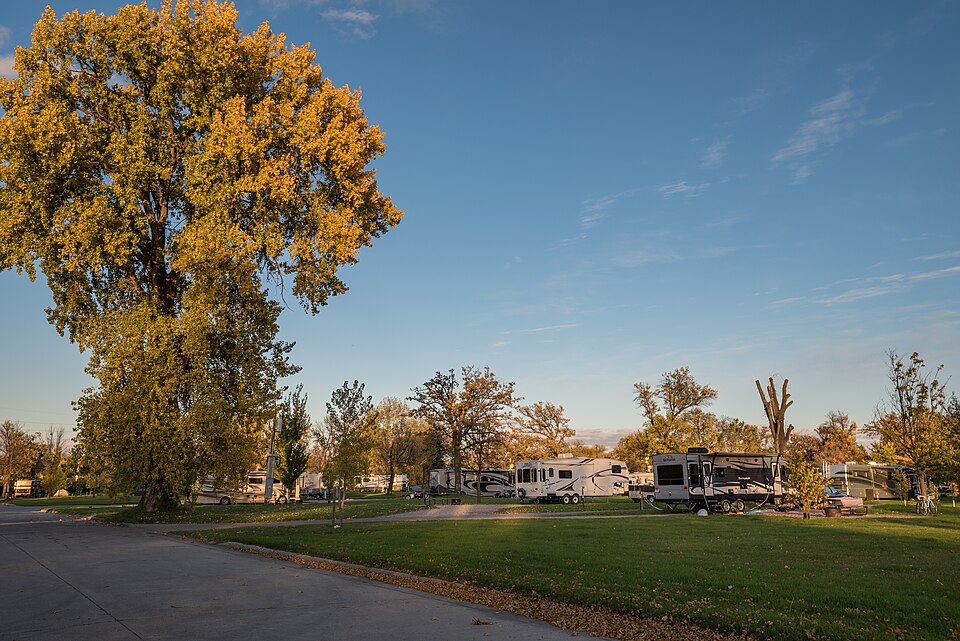
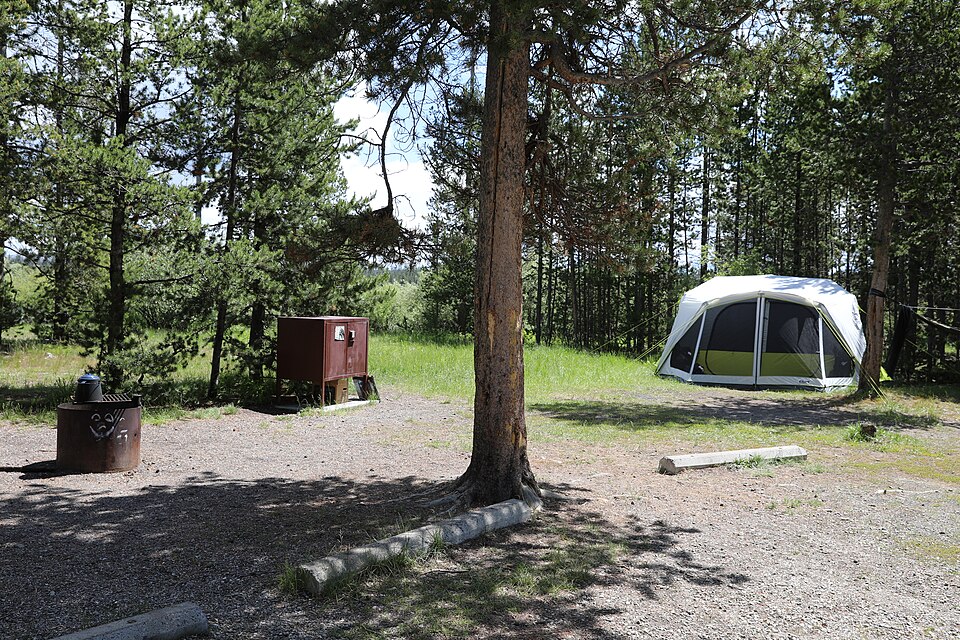
Choosing between glamping, traditional camping, and RVing depends on your desired level of comfort and involvement. Traditional camping in the parkâs campgrounds is much more affordable but requires you to bring all your own gear and manage food storage in bear-proof containers. RVing offers more mobility and protection from the elements, but navigating large vehicles through park traffic and finding available hookups can be stressful.
Glamping removes the logistical hurdles of camping while providing a more immersive nature experience than a standard hotel room. You don't have to worry about hauling a trailer or pitching a tent in the rain. Instead, you arrive to a fully prepared space. While the cost of glamping is significantly higher than a standard campsiteâoften rivaling or exceeding the price of a hotelâthe value lies in the unique atmosphere and the ability to enjoy the Montana wilderness without sacrificing a good night's sleep on a real mattress.
Planning Your Glamping Stay
Because glamping has become incredibly popular near Yellowstone, you should look into reservations at least six months in advance, especially for sites with private bathrooms or river views. When selecting a site, check the proximity to the park gates; some 'Yellowstone area' glamping spots can be an hour's drive from the actual entrance. Look for locations in West Yellowstone or Gardiner to minimize your commute.
Most glamping resorts provide basic essentials, but you should still pack layers, sturdy hiking boots, and bear spray if you plan to explore the trails near your site. Check the specific amenities offered, as some focus on a 'digital detox' and may not provide Wi-Fi in the tents. Always refer to the official National Park Service website for current park conditions, as your glamping host will likely follow park guidelines for safety and environmental protection. Embracing the glamping lifestyle allows you to experience the 'Big Sky State' with ease and elegance.