
Wrangell-St. Elias National Park offers a scale of wilderness that is difficult to comprehend until you are standing in the shadow of a 16,000-foot peak. As the largest unit of the U.S. National Park System, the things to do in Wrangell-St. Elias range from exploring the industrial ruins of a copper mining empire to trekking across literal rivers of ice. Whether you are a casual traveler looking for a scenic drive or a dedicated mountaineer, the park provides a raw, unfiltered Alaskan experience that stays with you long after you leave.
Glacier Trekking on the Root Glacier
One of the most iconic experiences in the park is walking on the Root Glacier. Accessible via a two-mile trail from the historic town of Kennecott, this massive ice flow allows visitors to see deep blue pools, moulins, and spectacular ice formations up close. While you can hike to the edge of the ice on your own, it is highly recommended to hire a local guide for a crampon-assisted trek onto the glacier itself. Guides provide the necessary safety equipment and knowledge to navigate the slippery surface and avoid hidden crevasses.
As you walk across the ice, you can hear the glacier 'groaning' and water rushing beneath the surface. It is a physical experience that connects you to the geological forces shaping the landscape. For those with more stamina, full-day treks can lead you further up the glacier to view the 'Stairway Icefall,' a massive frozen cascade that drops thousands of feet from the upper snowfields. Remember to dress in layers, as the air temperature above the ice is significantly cooler than in the forest.
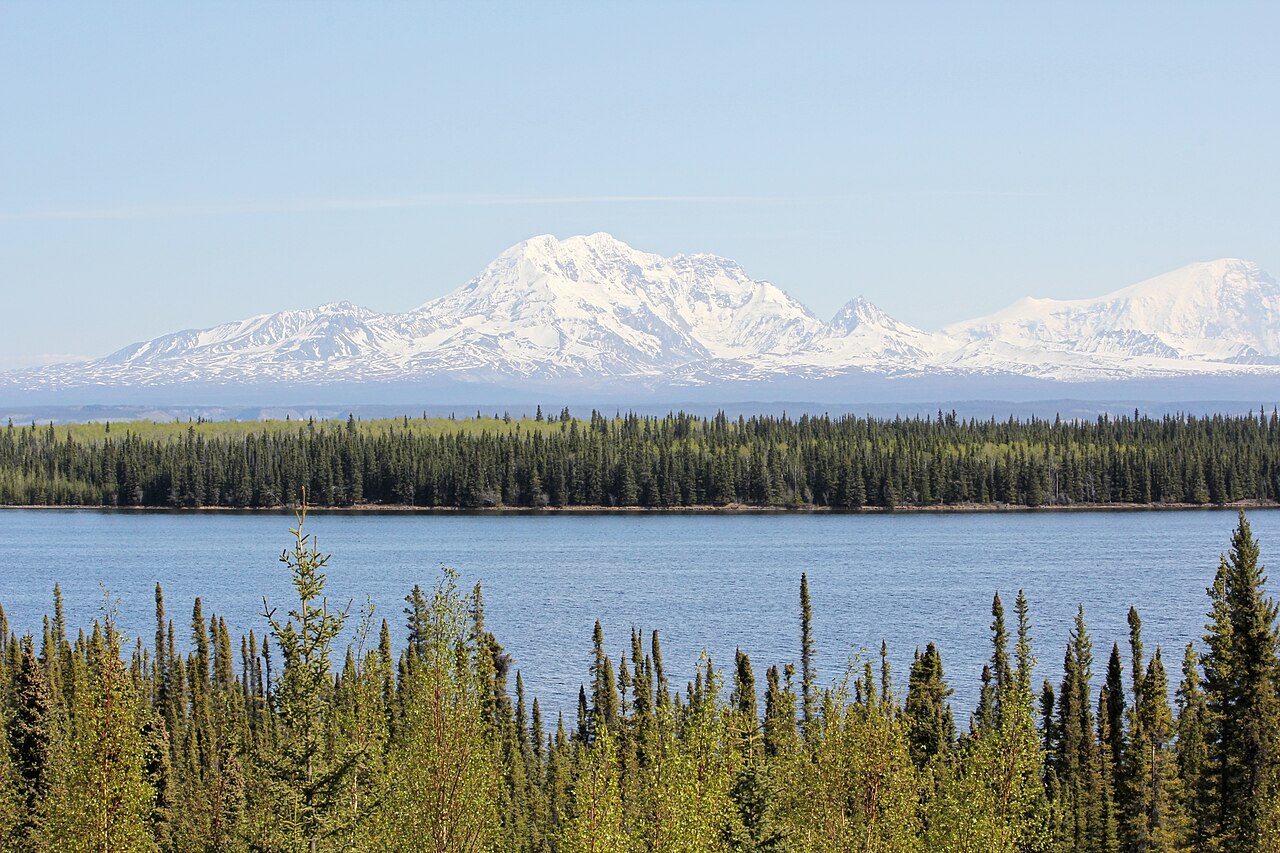
Exploring the Kennecott Mines and Mill
The Kennecott Mines National Historic Landmark is a window into a vanished world of early 20th-century industrial ambition. The towering, red-painted wood buildings of the copper mill stand as a stark contrast to the surrounding wilderness. Taking a guided tour of the 14-story concentration mill is a highlight for many, as it allows you inside the structure to see the massive machinery once used to process ore. The history of the workers who lived in this remote company town is fascinating, offering a glimpse into the hardships and triumphs of the copper boom.
If you prefer to explore at your own pace, many of the smaller buildings have interpretive signs explaining their former functions, such as the general store, the post office, and the refrigeration plant. Walking the 'Silk Stocking Row' where the managers lived provides a different perspective on the social hierarchy of the mining camp. The juxtaposition of decaying industrial infrastructure and the encroaching forest makes this one of the most photogenic spots in all of Alaska.
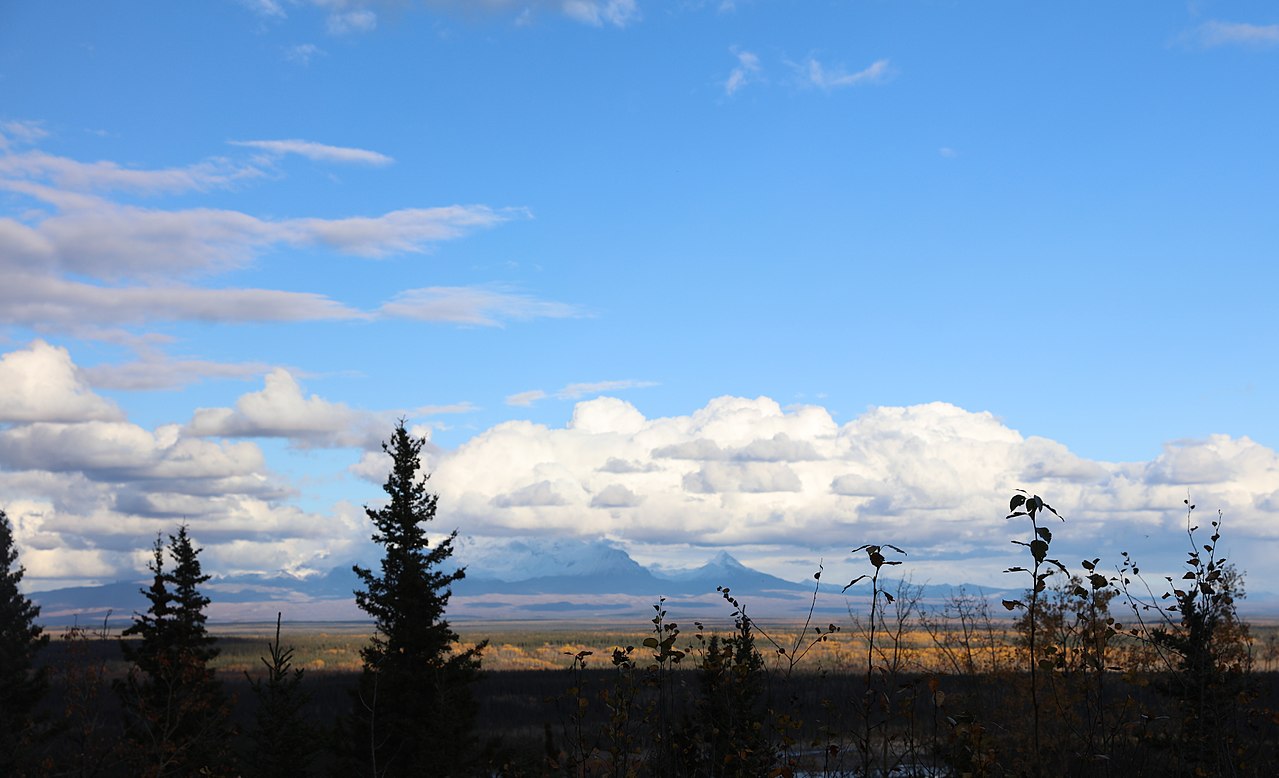
Scenic Drives: McCarthy and Nabesna Roads
For those who enjoy the journey as much as the destination, the park features two legendary dirt roads. The McCarthy Road stretches sixty miles from Chitina to the Kennicott River, following the path of the old Copper River and Northwestern Railway. It is a slow, bumpy ride that requires a high-clearance vehicle and a spare tire, but it offers stunning views of the Wrangell Mountains and the Kotsina River. You will cross the high bridge over the Gilahina River, where the remains of a massive wooden railroad trestle still stand.
On the northern side of the park, the Nabesna Road offers a different flavor of wilderness. This 42-mile road leads into the heart of the Nutzotin Mountains and provides excellent opportunities for wildlife viewing and tundra hiking. The Nabesna Road is less traveled than the McCarthy Road, offering a greater sense of solitude. Both roads are unpaved and can be affected by weather, so checking the official NPS site for current road conditions is essential before you set out. These drives are not about speed; they are about soaking in the vastness of the Alaskan interior.
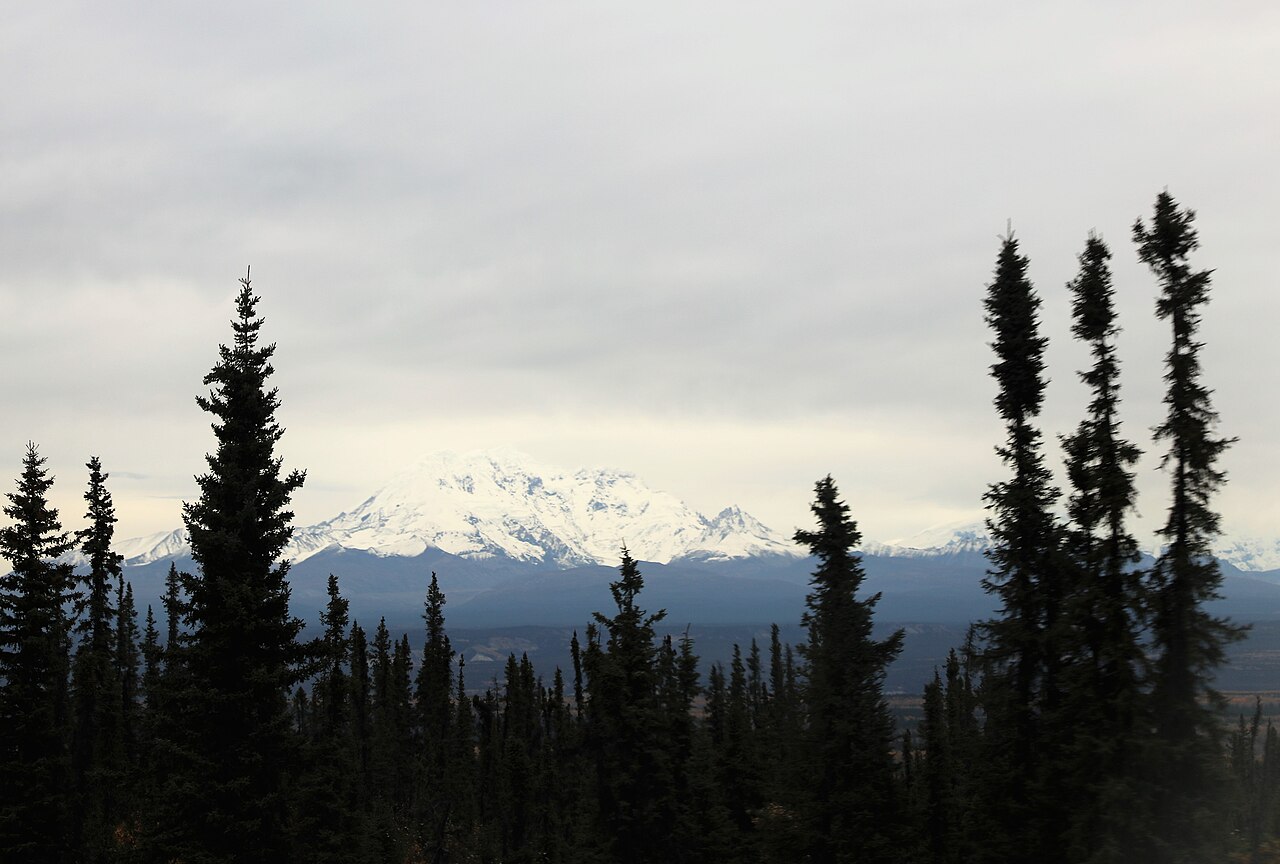
Flightseeing: A Perspective from Above
Given that Wrangell-St. Elias covers over 13 million acres, much of it is inaccessible by foot or car. Flightseeing is perhaps the most effective way to grasp the park's true scale. Small bush planes take off from McCarthy or Glennallen, soaring over the Bagley Icefieldâthe largest non-polar icefield in North Americaâand circling the massive volcanic peaks of Mt. Bona and Mt. St. Elias. From the air, the complex patterns of glacial moraines and the emerald green of alpine lakes become clear.
Many pilots offer 'drop-off' services for backcountry hikers, but even a one-hour scenic flight provides a lifetime of memories. You may spot grizzly bears on the slopes or Dall sheep perched on narrow rocky ledges that are invisible from the ground. The perspective of seeing the confluence of the Chitina and Copper Rivers from several thousand feet up highlights the power of these glacial waterways. While it is a significant expense, most travelers consider it the defining moment of their trip to the Wrangell-St. Elias region.
Family Activities and Rainy Day Options
Traveling with kids in such a rugged environment requires some planning, but the park has excellent resources for families. The Copper Center Visitor Complex features a wonderful museum and a short nature trail that is accessible for all ages. Kids can participate in the Junior Ranger program, which helps them engage with the park's ecology and history through interactive activities. The walk from the McCarthy footbridge to the town of McCarthy is an easy flat stroll that children usually enjoy, especially with the prospect of an ice cream at the end.
On rainy days, the visitor centers are your best bet. The Kennecott Visitor Center offers films about the park's history and geology, and the indoor exhibits at Copper Center provide hours of educational entertainment. You can also spend time in the McCarthy-Kennicott Historical Museum, which is housed in the old railway depot and filled with artifacts from the mining era. These indoor spots provide a warm, dry refuge while still allowing you to soak in the rich cultural heritage of the area.