
Choosing the best time to visit Wrangell-St. Elias National Park is critical because of its extreme subarctic climate and remote location in Eastern Alaska. The window for easy access is remarkably short compared to parks in the lower forty-eight, but the rewards for timing it right are immense. You will find that the rhythm of the park is dictated entirely by the freezing and thawing of its massive glaciers and mountain passes. Most visitors aim for the narrow window when the two main access roads are passable and the historic sites are fully open to the public.
Summer: The Peak Window
The best time to visit Wrangell-St. Elias is undoubtedly from mid-June through mid-August. During this period, the days are incredibly long, often providing nearly twenty hours of functional daylight for hiking and exploring. The snow has usually cleared from the McCarthy Road and Nabesna Road, allowing standard high-clearance vehicles to reach the heart of the park. Temperatures are generally mild, hovering between fifty and seventy degrees Fahrenheit, though mountain weather remains notoriously unpredictable.
This is the only season when the Kennecott Visitor Center and the historic mill buildings are fully staffed and open for interpretive tours. Because the season is so condensed, you should prepare for the possibility of afternoon rain showers and the presence of mosquitoes, which are most active in June and early July. Hiking trails at lower elevations are usually dry by late June, though alpine routes may hold snow until well into July. Most shuttle services and flightseeing operators only function during these core summer months.
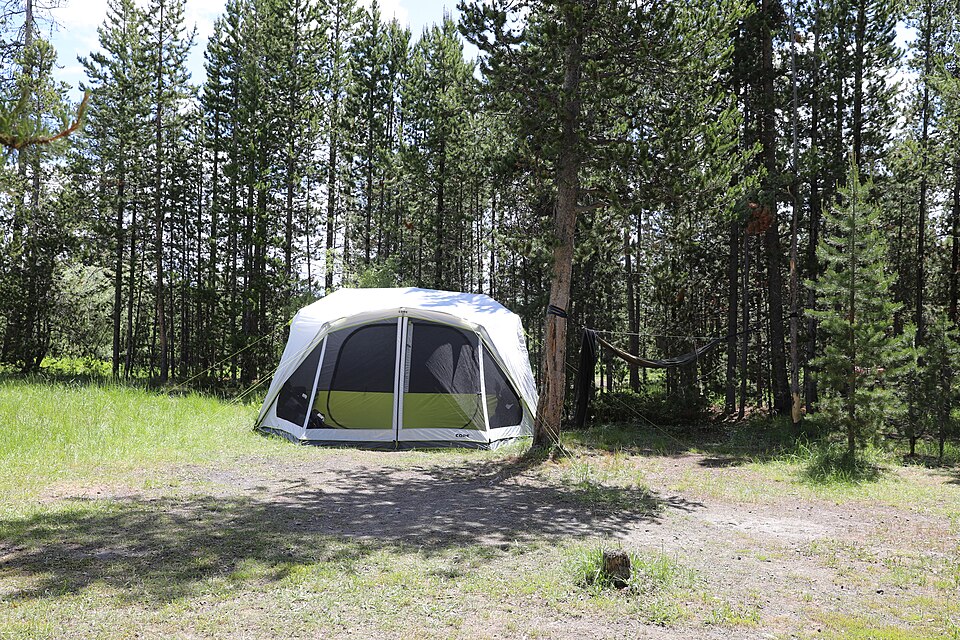
Lock in a stay for this season
RV parks near Wrangell-St. Elias National Park on RoverPass
Partner link · RoverPass
Fall Colors and Crisp Air
Late August and early September bring a dramatic transformation to the Alaskan interior. This is a fleeting but spectacular time to witness the tundra turning vibrant shades of crimson and gold. The first frosts usually arrive by late August, which has the benefit of killing off the summer insects, making backcountry trekking much more comfortable. You will notice the nights getting significantly darker and colder, with temperatures frequently dropping below freezing.
By mid-September, many services in the gateway communities of McCarthy and Copper Center begin to wind down for the winter. This is a prime time for photographers who want to capture the contrast of golden aspens against the blue ice of the Root Glacier. However, visitors must be self-sufficient as the frequency of shuttle buses decreases and some lodges close their doors. Snow can fall at any time in September, potentially making the unpaved access roads muddy or slick. Always check the official NPS site for road status updates during this transition period.
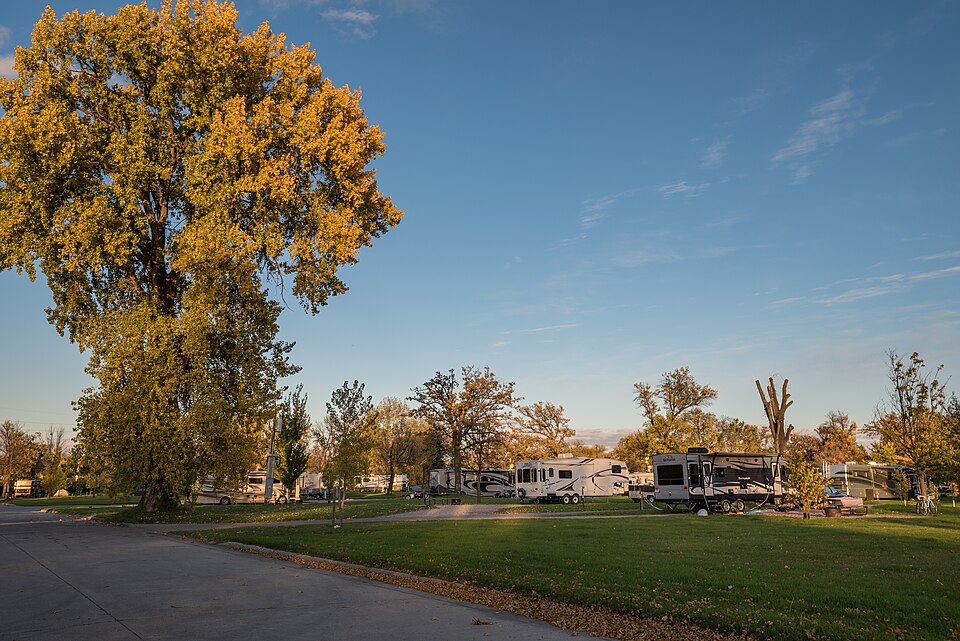
Lock in a stay for this season
Campsites near Wrangell-St. Elias National Park on Campspot
Partner link · Campspot
Winter Challenges and Solitude
Winter in Wrangell-St. Elias is a season of profound stillness and extreme conditions, lasting from October through April. The park remains open, but the infrastructure is minimal. The McCarthy Road is not regularly maintained by the state during winter, often becoming impassable for all but the most specialized vehicles. Temperatures frequently plunge to thirty below zero or colder, and daylight becomes a scarce commodity, with only a few hours of dim sun peaking over the horizon.
For the truly adventurous and experienced cold-weather traveler, winter offers opportunities for cross-country skiing, snowshoeing, and viewing the Aurora Borealis away from city light pollution. There are no services available in the interior of the park during this time, meaning you must be entirely self-reliant with emergency communications and survival gear. Most visitors choose to experience the park's perimeter via the Richardson or Glenn Highways rather than attempting to enter the backcountry. It is a time of majestic beauty but requires rigorous planning and specialized equipment.
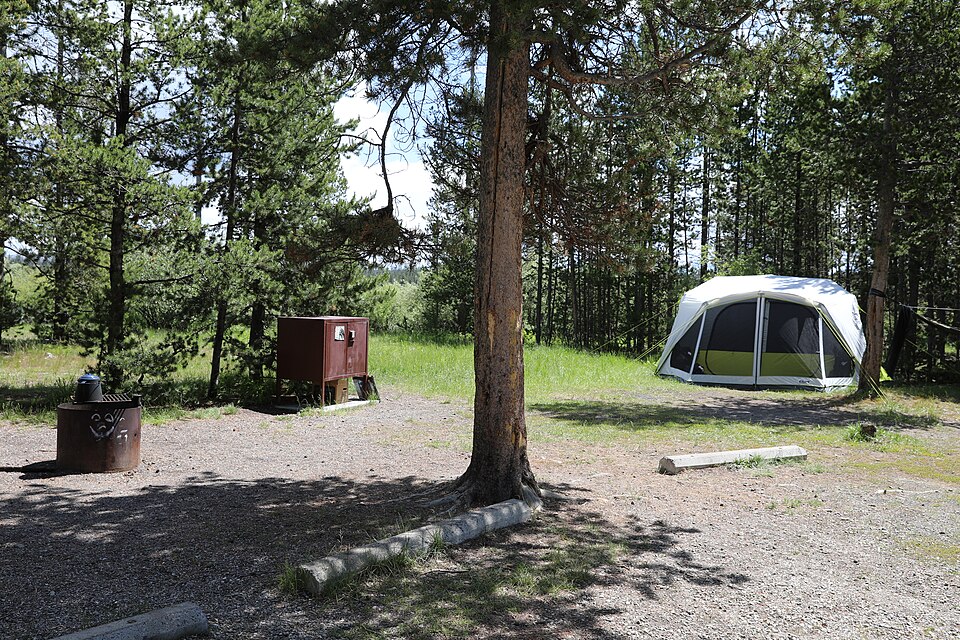
Lock in a stay for this season
Harvest Hosts stays on the way to Wrangell-St. Elias National Park
Partner link · Harvest Hosts
Managing Crowds and Reservations
While Wrangell-St. Elias is vast, its accessible areas can feel busy during the peak of July. Because there are limited lodging options in McCarthy and Kennecott, it is highly recommended to secure your reservations at least six to nine months in advance. The small number of rustic lodges and backcountry guide services fill up quickly as travelers from around the world converge on this remote corner of Alaska.
If you prefer a quieter experience, consider visiting in the 'shoulder' weeks of early June or late August. During these times, you will encounter fewer people on the popular Root Glacier Trail and find more availability for flightseeing tours. Even during the busiest weeks, the sheer scale of the park means that once you hike a few miles away from the historic mining district, you are unlikely to see many other people. Budgeting for higher costs during the peak season is wise, as the logistics of hauling supplies into the Alaskan wilderness drive up the price of food and fuel.
Spring Breakup Hazards
Spring in this region, occurring in May and early June, is known as 'breakup.' This is generally not considered an ideal time for tourism. As the massive snowpack melts, the unpaved roads can become treacherous bogs of deep mud, and rivers swell with icy runoff, making backcountry crossings dangerous or impossible. Many trails are still covered in rotting snow and slush, which can make for difficult and messy hiking.
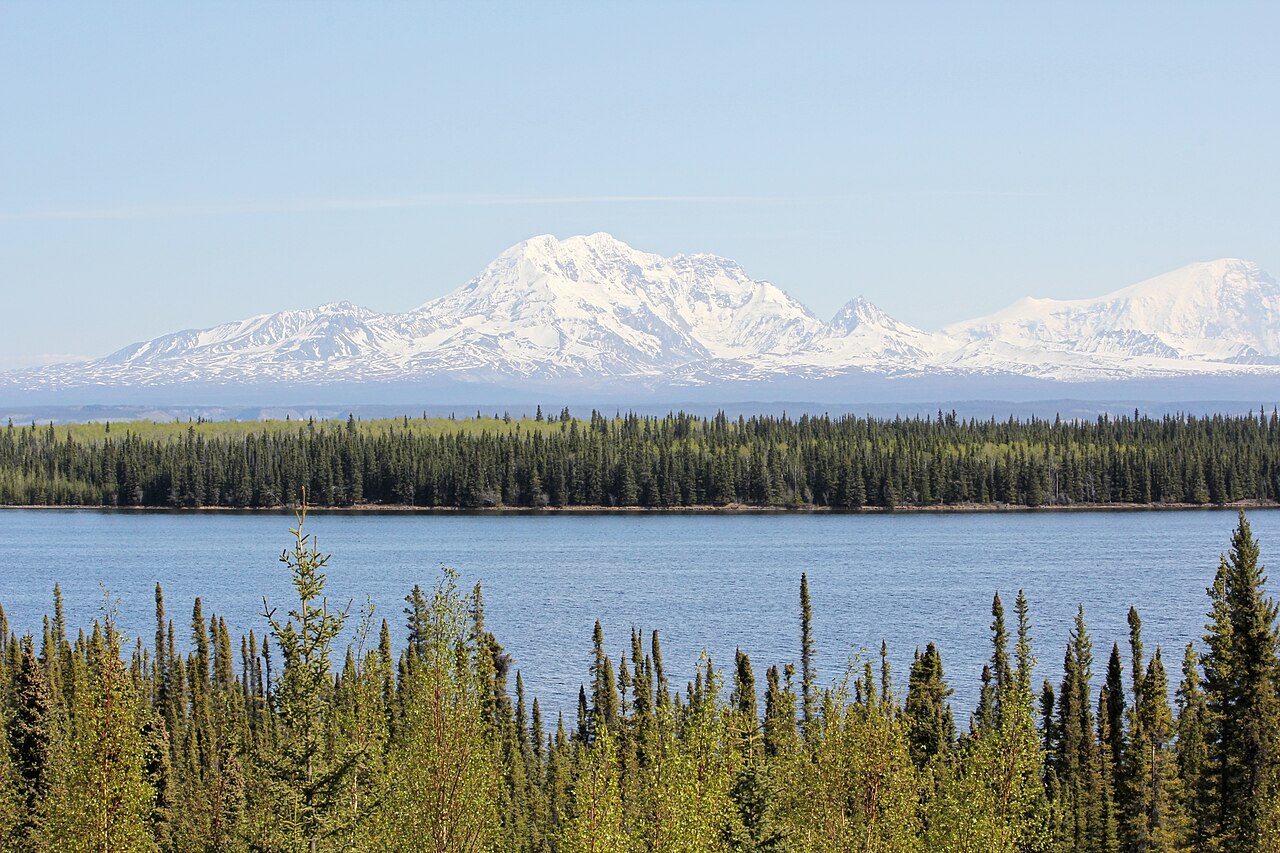
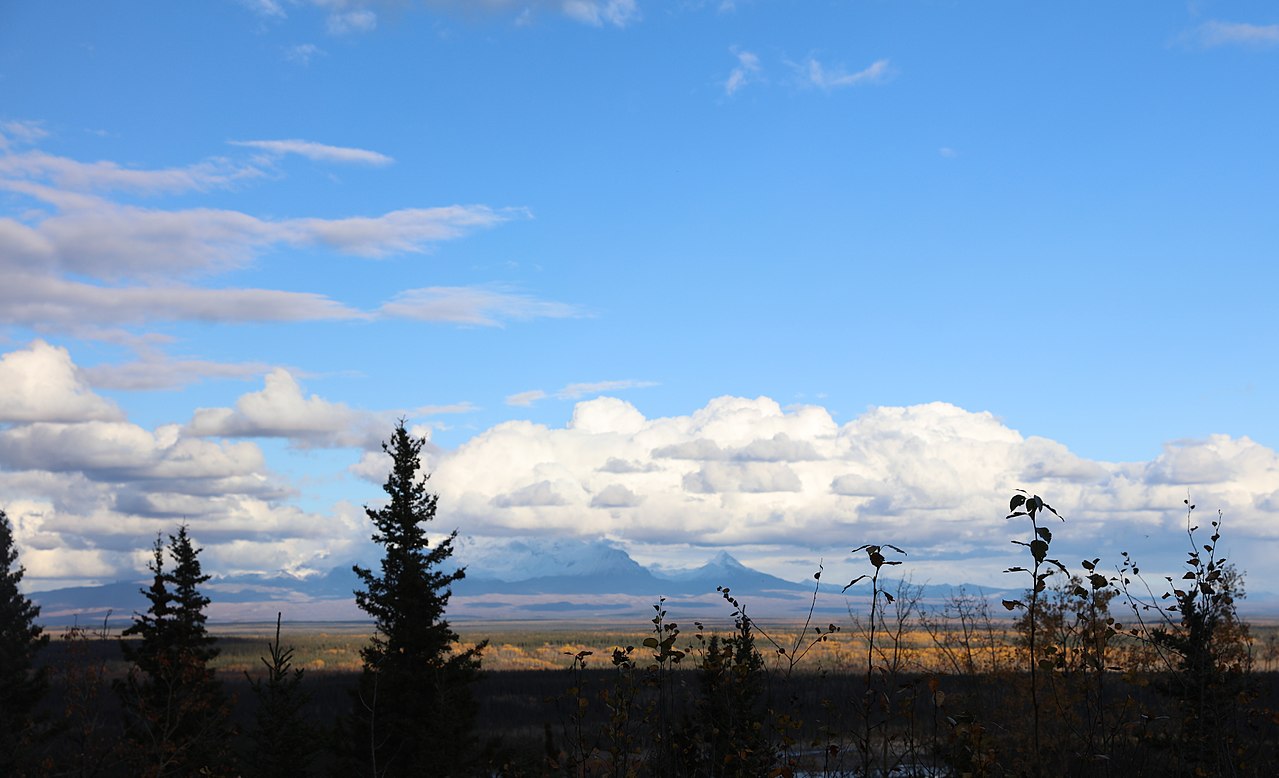
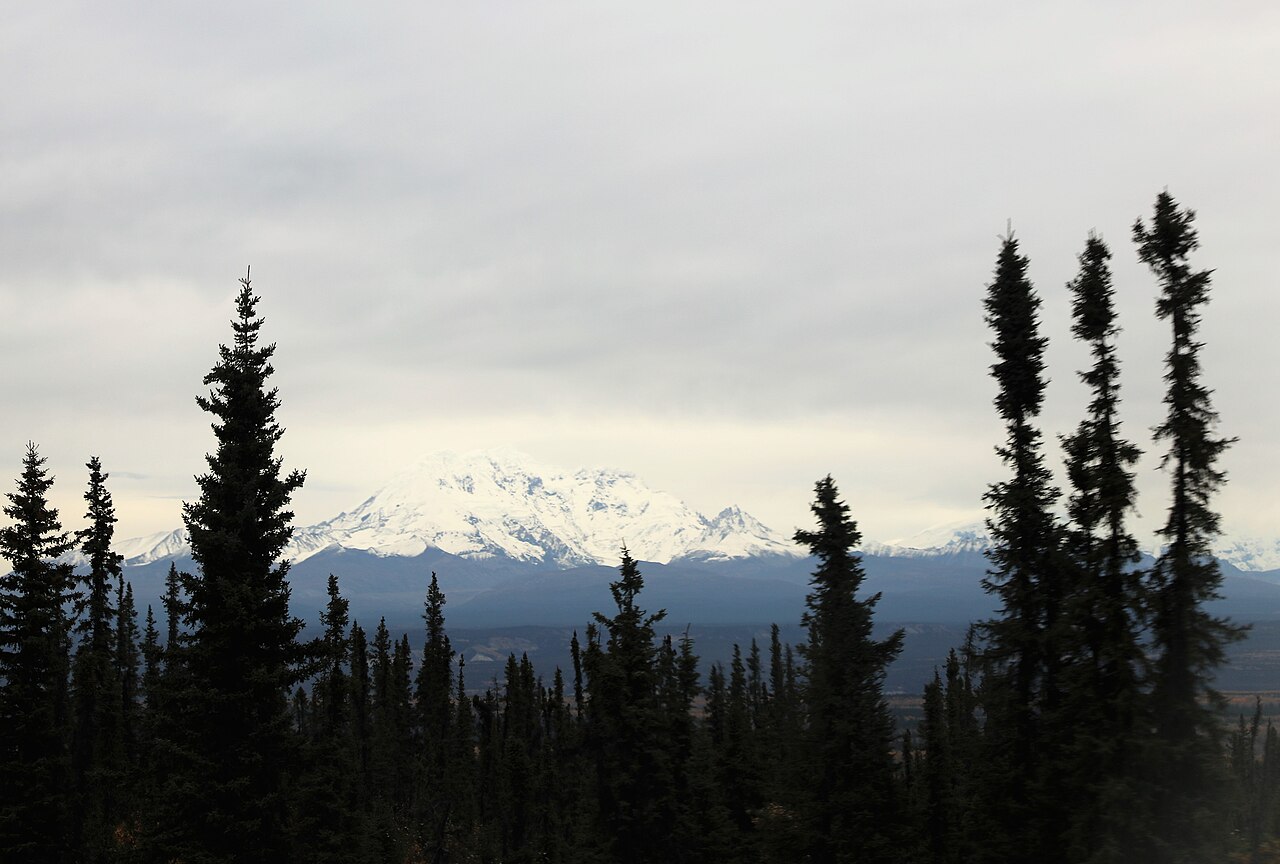
However, this is an active time for wildlife as bears emerge from hibernation and migratory birds return to the Copper River basin. If you choose to visit during late spring, stick to the paved highways and visit the Copper Center Visitor Complex, which usually opens in mid-May. You can enjoy views of the high peaks like Mount Blackburn and Mount Sanford from a distance without the risks associated with the interior dirt roads. Always verify current trail conditions with a park ranger before heading out, as late-season snowstorms can still occur well into May.
More ways to book Wrangell-St. Elias National Park
 Illustrative · Enrico Blasutto
McCarthy Road Drive
One of the classic ways to experience Wrangell-St. Elias.
Varies (estimate)
Partner link · Viator