
Glamping in Wrangell-St. Elias National Park is a unique proposition that blends the ruggedness of the Alaskan frontier with essential comforts. While you won't find ultra-luxury resorts, the 'glamping' experience here often involves staying in beautifully appointed wall tents, remote yurts, or historic lodges that offer a cozy sanctuary after a day of glacier trekking. It is the perfect solution for travelers who want to immerse themselves in the sounds of the wilderness without the hassle of pitching a tent or sleeping on the cold ground.
What to Expect from Alaskan Glamping
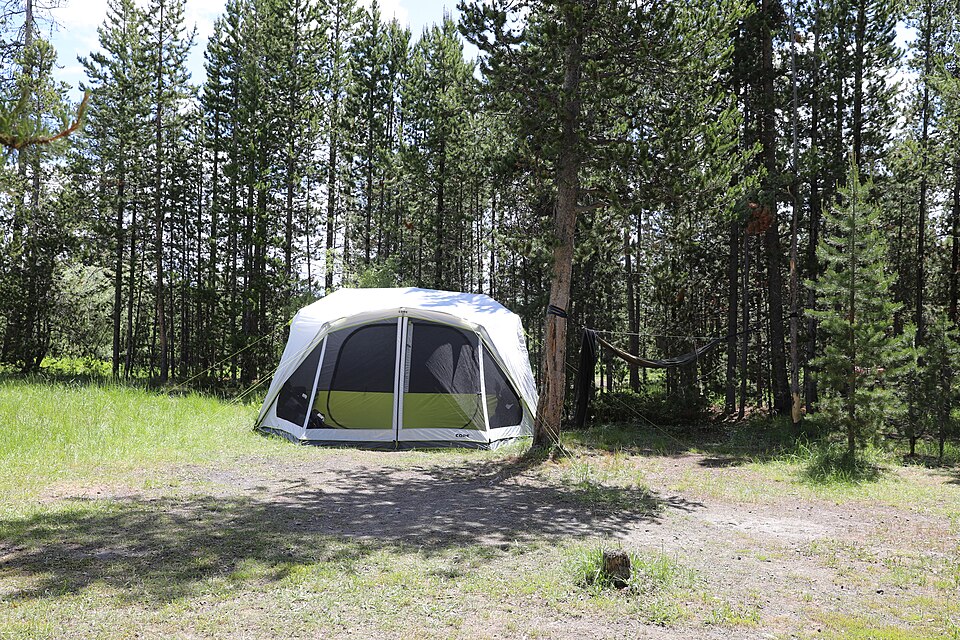
In the context of Wrangell-St. Elias, glamping usually means a step up from traditional camping while still respecting the remote nature of the environment. You might find large canvas wall tents set on wooden platforms, equipped with real beds, warm linens, and perhaps a small wood-burning stove for those chilly Alaskan nights. These accommodations are designed to provide a barrier against the elementsâand the mosquitoesâwhile keeping you connected to the outdoors.
Most glamping sites in this region utilize shared bathhouses or high-end outhouses rather than en-suite bathrooms, due to the difficulty of plumbing in permafrost zones. Electricity might be limited to solar power or generator hours, encouraging a 'plugged-out' experience. The luxury here is not in gold-plated fixtures, but in the million-dollar views of the Wrangell Mountains and the ability to hear the ice cracking on the glacier from your porch. It is a refined way to experience the raw power of the largest national park in America without sacrificing a good night's sleep.
Where to sleep
RV parks near Wrangell-St. Elias National Park on RoverPass
Partner link · RoverPass
Gateway Communities and Locations
The primary hubs for unique lodging and glamping-style stays are the communities of McCarthy and Kennecott. Located at the end of the McCarthy Road, these areas host a variety of rustic-chic options. Staying within the Kennecott National Historic Landmark allows you to sleep among the historic red buildings, while McCarthy offers a more eclectic, 'living town' vibe. There are also several remote properties located along the McCarthy Road or accessible only by bush plane that offer 'fly-in' glamping experiences.
Another area to consider is near Copper Center or along the Richardson Highway, where you can find upscale log cabins and tented camps that serve as a base for exploring the western edge of the park. These locations often provide easier access for those who may not want to drive the full length of the unpaved McCarthy Road. Each area offers a different perspective, from the deep-forest feel of the Copper River valley to the high-alpine drama of the glacial moraines near Kennecott. Selecting your location depends on how deep into the interior you wish to go.
Where to sleep
Campsites near Wrangell-St. Elias National Park on Campspot
Partner link · Campspot
Seasonality and Weather Considerations
The glamping season in Wrangell-St. Elias is strictly limited to the summer months, typically from late May through early September. Outside of this window, the extreme cold and heavy snowfall make canvas-walled accommodations impractical. Even in the height of July, night-time temperatures can drop into the forties, so the best glamping operators provide heavy wool blankets or high-quality sleeping bags.
Rain is a common occurrence in the Alaskan summer, and there is something uniquely peaceful about listening to the pitter-patter of rain on a canvas roof while you stay dry and warm inside. However, you should come prepared with layers, as the transition from a warm tent to the outdoors can be brisk. Because the season is so short and the number of high-quality glamping sites is limited, you must book these experiences well in advance. Checking the official NPS site for seasonal weather patterns can help you decide which month offers the type of 'glamorous' outdoor experience you are looking for, whether itâs the midnight sun of June or the crisp air of August.
Where to sleep
Harvest Hosts stays on the way to Wrangell-St. Elias National Park
Partner link · Harvest Hosts
Glamping vs. RV and Traditional Camping
For many travelers, glamping provides a happy medium between the ruggedness of tent camping and the insulation of an RV. While RV travel is popular on the Richardson Highway, taking a large motorhome down the bumpy McCarthy Road can be a stressful experience due to the narrow lanes and washboard surfaces. Glamping allows you to enjoy the benefits of a solid roof and a comfortable bed without the logistical headache of driving a large vehicle into the interior.
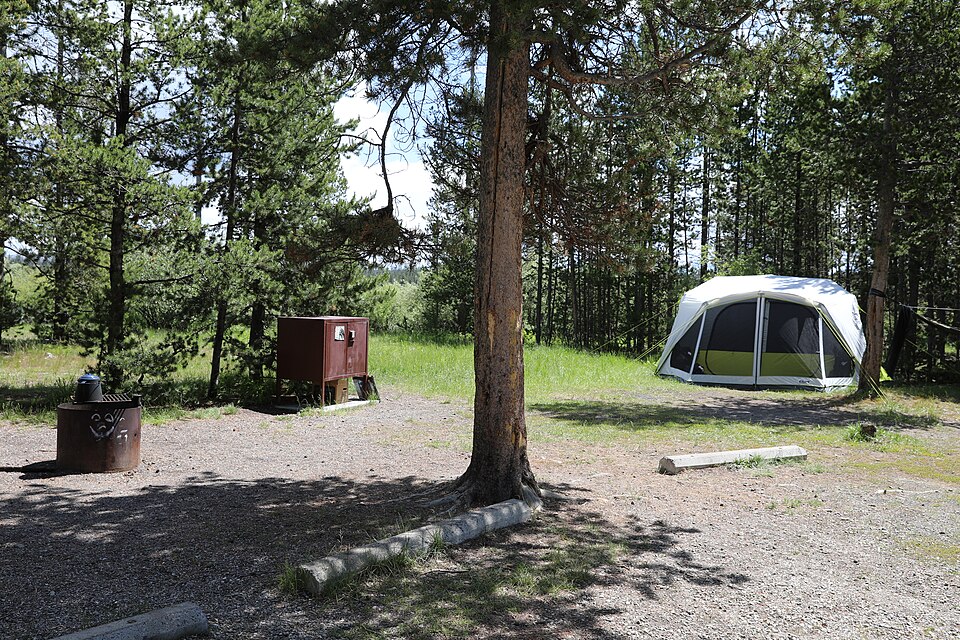
Traditional backcountry camping is always an option for the hardy, but it requires significant gear and bear-safety protocols. Glamping sites typically handle the food storage and safety aspects for you, providing bear-proof containers or central dining areas. This makes it an excellent choice for families or those new to the Alaskan wilderness who want to experience the park's beauty without the steep learning curve of backcountry survival. You get the fire pits and the starlight of camping, but with the added benefit of a morning coffee service and a mattress that won't deflate overnight.
Planning Your Stay and Costs
When budgeting for a glamping trip to Wrangell-St. Elias, expect costs to be higher than a standard hotel room in a less remote location. The expense of transporting supplies, water, and fuel into the heart of the park is reflected in the price. However, many travelers find the cost worthwhile for the convenience and the unique atmosphere. Most glamping and boutique lodge stays include some level of breakfast or meal service, which is a major benefit in an area where grocery stores are non-existent.
Before you book, clarify what is includedâsuch as shuttle service from the footbridge or gear rentals for hiking. Some of the most remote glamping sites may require a bush plane flight to reach, which adds to the adventure and the overall cost. Always read the cancellation policies carefully, as the short season means operators have little flexibility. By choosing a glamping stay, you are investing in a front-row seat to one of the most spectacular landscapes on Earth, with just enough comfort to make the wild surroundings feel like home.