
Exploring the White Mountains of New Hampshire requires a mix of high-altitude adventure and valley-floor relaxation. This four-day itinerary is designed to take you through the most iconic notches and over the highest passes, providing a comprehensive look at the Granite Stateâs rugged heart. From the dramatic cliffs of Franconia Notch to the windswept summit of Mount Washington, you will experience the diverse landscapes that make this region a premier destination for hikers and nature lovers alike.
Day 1: The Gateway to the Notches
Begin your journey by arriving in the region via the southern entrance near Lincoln. Start your first day by heading directly into Franconia Notch State Park. This area is home to some of the most concentrated natural beauty in the mountains. Your first stop should be the Flume Gorge, where you can walk the two-mile loop to see the 90-foot walls of granite and the crashing cascades. Itâs a great way to stretch your legs and get acclimated to the mountain air.
In the afternoon, head further north into the Notch to visit Echo Lake. You can take a short walk around the water or, if the weather is warm, enjoy a brief swim with Cannon Mountain looming overhead. For those with energy to spare, a hike up to Artists Bluff provides one of the most photographed views in the state with minimal effort. Wrap up your day with a meal in Lincoln or North Woodstock, where you can find plenty of local eateries to fuel up for the more strenuous days ahead.
Day 2: The High Peaks and Scenic Vistas
On your second day, tackle one of the region's legendary hikes. If you are an experienced hiker, the Franconia Ridge Loop is the gold standard, covering the summits of Little Haystack, Mount Lincoln, and Mount Lafayette. This is a strenuous 8-to-9-mile trek that will take most of the day, so start early to secure a parking spot at the Lafayette Place trailhead. The views from the narrow ridge are unparalleled, offering a true 'top of the world' feeling.
If a full-day hike isn't on your agenda, consider taking the Cannon Mountain Aerial Tramway to the summit for breathtaking views without the climb. Afterward, drive toward the town of Bethlehem for a quieter afternoon exploring local shops. This day is all about seeing the scale of the mountains from their highest points. Before you head out, always check the official Forest Service website for the most current weather forecast, as conditions on the ridge can be vastly different from the valley floor.
Day 3: The Kancamagus and Crawford Notch
Day three is dedicated to the scenic beauty of the mountain passes. Start your morning by driving the Kancamagus Highway (Route 112) from Lincoln toward North Conway. This 34-mile scenic byway offers numerous stops like Sabbaday Falls, the Rocky Gorge, and the Albany Covered Bridge. Take your time to pull over at the overlooks to see the vast expanse of the Sandwich Range Wilderness.
Once you reach the eastern end of the highway, head north toward Crawford Notch State Park. Here, the landscape changes to steep, sheer cliffs. A hike up Mount Willard is highly recommended for its moderate incline and spectacular payoff, looking straight down the U-shaped glacial valley. You can also stop by the historic Mount Washington Hotel in Bretton Woods to admire the grand architecture against the backdrop of the Presidential Range. This area feels grand and historic, providing a different perspective on the region's long history of mountain tourism.
Day 4: The Summit of Mount Washington
For your final day, focus on the highest peak in the Northeast: Mount Washington. Depending on your preference and physical condition, you can reach the summit via the historic Cog Railway, the Mount Washington Auto Road, or by hiking one of the many trails like the Ammonoosuc Ravine Trail. The summit features a visitor center, a museum, and the famous sign marking the 6,288-foot elevation. Even in summer, be sure to bring a heavy jacket, as temperatures at the top are often 30 degrees cooler than at the base.
After descending from the clouds, spend your final afternoon in the town of North Conway. Itâs the perfect place to grab any last-minute gear, enjoy a final New England meal, or take a short walk to Dianaâs Baths to see the series of small waterfalls and pools. As you prepare to head home, reflect on the granite peaks and lush forests you've explored. The White Mountains always have more to offer, and youâll likely already be planning your return trip to see the peaks in a different season.
Travel Tips and Practicalities
When planning your White Mountains itinerary, flexibility is key. Mountain weather is notorious for changing quickly, so itâs wise to have a 'Plan B' for each day in case of rain or high winds on the ridges. Most visitors arrive by car, as public transportation within the National Forest is virtually non-existent. If you are flying in, Boston Logan International (BOS) or Manchester-Boston Regional (MHT) are the most common gateways, with drive times ranging from two to three hours.
Cell service can be spotty or non-existent in the notches and along the Kancamagus Highway, so download offline maps and carry paper versions of your hiking routes. Parking at popular trailheads often requires a small daily fee, usually payable at self-service kiosks, or a valid National Parks pass. To ensure you have the best experience, always refer to the official NPS or Forest Service websites for the most up-to-date information on trail closures, fire permits, and campsite availability. Preparing for a range of temperatures and conditions will ensure your four-day adventure is safe and memorable.

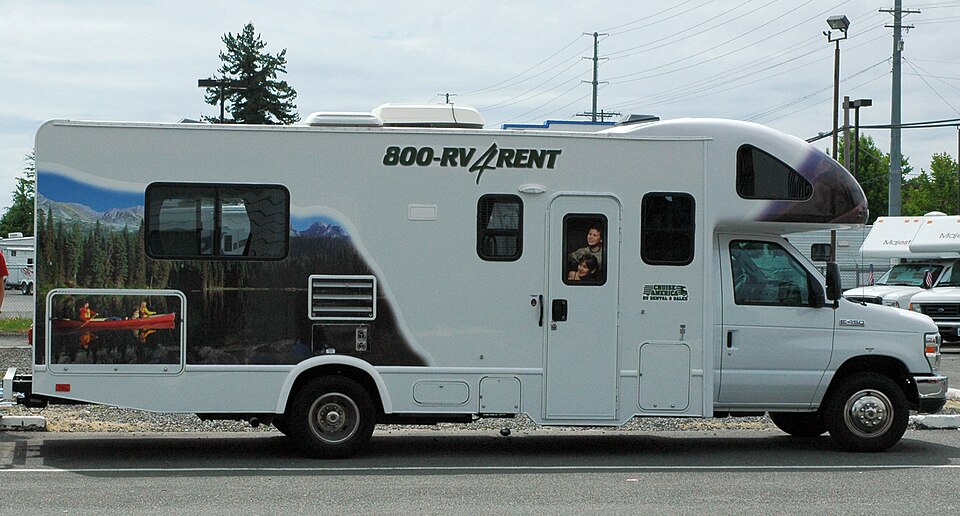
More ways to book White Mountains
 Illustrative · Diego Angel
Sprinter Adventure Van
Small enough to park at the trailhead, comfy enough to sleep in.
$189/day (estimate)
Direct link · RVshare