
Timing your trip to New Hampshire's high peaks requires a balance between seeking mild weather and managing the famous crowds that flock to the granite summits. While the region is a year-round destination for outdoor enthusiasts, the window for high-elevation hiking is shorter than many visitors anticipate. Understanding the shift from the lush green of early summer to the fiery canopy of autumn will help you prepare for the specific challenges and rewards of this rugged Northeastern landscape.
Summer: Peak Adventure Season
Summer is arguably the most popular time for travelers to explore the White Mountain National Forest, particularly from late June through August. During these months, the higher elevations finally shed their lingering snowpack, and the alpine flowers begin to bloom in the Presidential Range. Daytime temperatures in the valleys often hover in the comfortable seventies or low eighties, though the summits remain significantly cooler and prone to sudden weather shifts.
This is the ideal window for long-distance treks, camping near the crystal-clear streams, and driving the famous Kancamagus Highway. However, because this is peak season, you should expect busy trailheads and full parking lots at popular spots like Franconia Notch. It is highly recommended to check the official NPS or Forest Service sites for current trail conditions and to secure campsite reservations well in advance, as weekend spots often fill up months ahead of time.
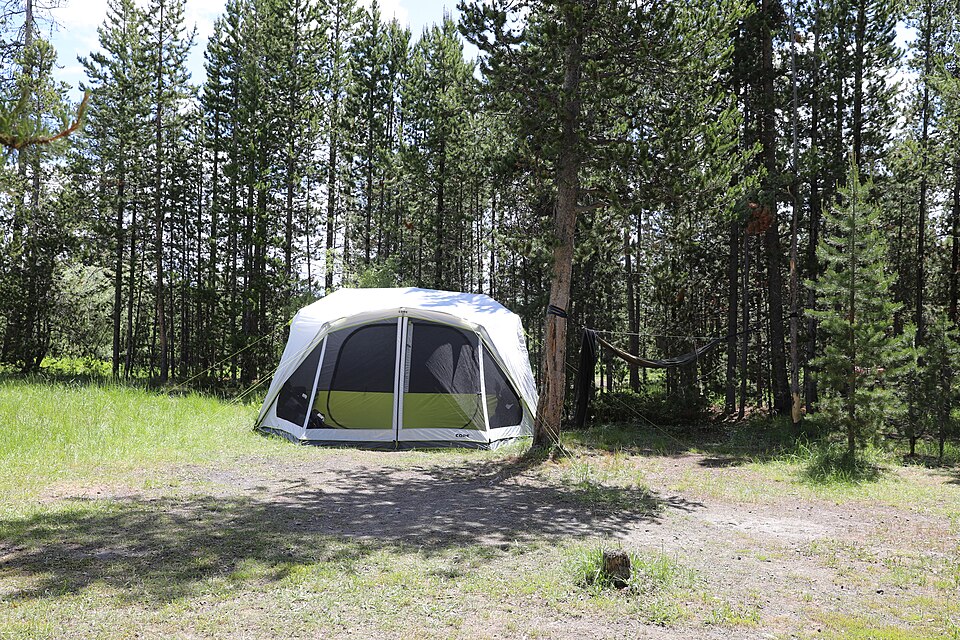
Lock in a stay for this season
RV parks near White Mountains on RoverPass
Partner link · RoverPass
Fall: The Famous Foliage Display
Autumn is legendary in New Hampshire, drawing visitors from across the globe to witness the hardwoods transform into a mosaic of gold, orange, and crimson. The best time to visit White Mountains for foliage typically ranges from late September to mid-October, though the exact 'peak' varies by elevation and latitude each year. The air turns crisp and dry, providing excellent visibility for those standing atop Mount Washington or Mount Lafayette.
While the scenery is breathtaking, hikers must be prepared for shorter days and freezing temperatures at night. October often brings the first dusting of snow to the higher peaks. Because of the popularity of leaf-peeping, traffic on the main scenic byways can be heavy, and lodging prices frequently reflect the high demand. Planning a mid-week visit during the fall can offer a slightly quieter experience, but reservations remain essential for any planned overnight stays in the region.
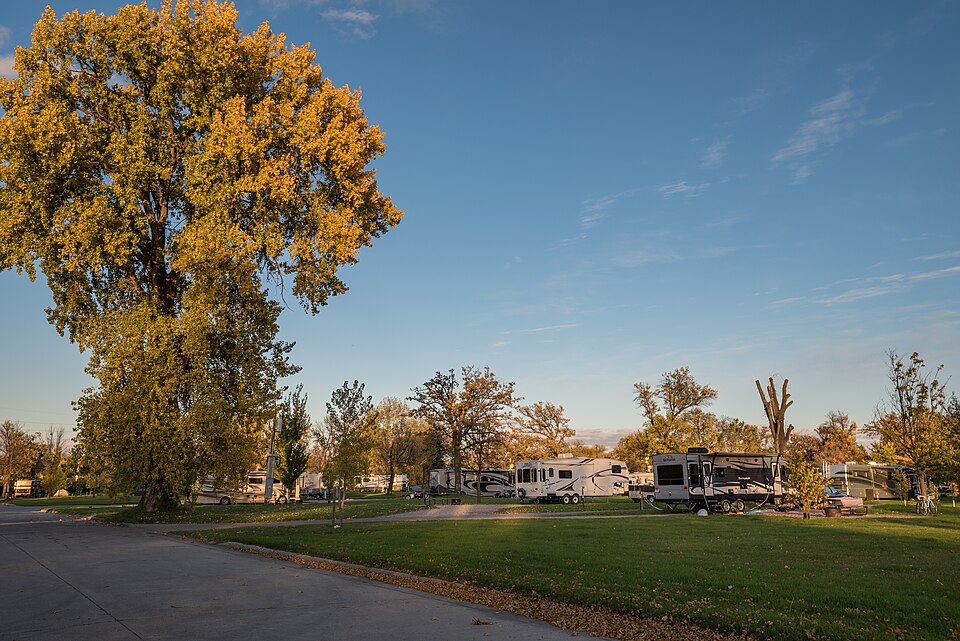
Lock in a stay for this season
Campsites near White Mountains on Campspot
Partner link · Campspot
Spring: The Mud Season Challenge
Spring in the White Mountains, spanning from April through May, is often referred to locally as 'mud season.' As the heavy winter snow melts, trails become incredibly saturated and fragile. Many high-elevation trails are prone to erosion during this time, and hikers are often encouraged to stick to lower-elevation paths or paved scenic routes to protect the environment. The weather is unpredictable, frequently oscillating between warm sun and late-season snowstorms.
However, spring is a fantastic time for waterfall viewing. As the snowpack thaws, the regionâs many cascades, such as Arethusa Falls or the Silver Cascade, reach their maximum flow and power. For those who don't mind a bit of dampness and cooler temperatures, the late spring offers a sense of solitude that you won't find during the summer rush. Just be sure to pack waterproof boots and plenty of layers to handle the damp, chilly air.
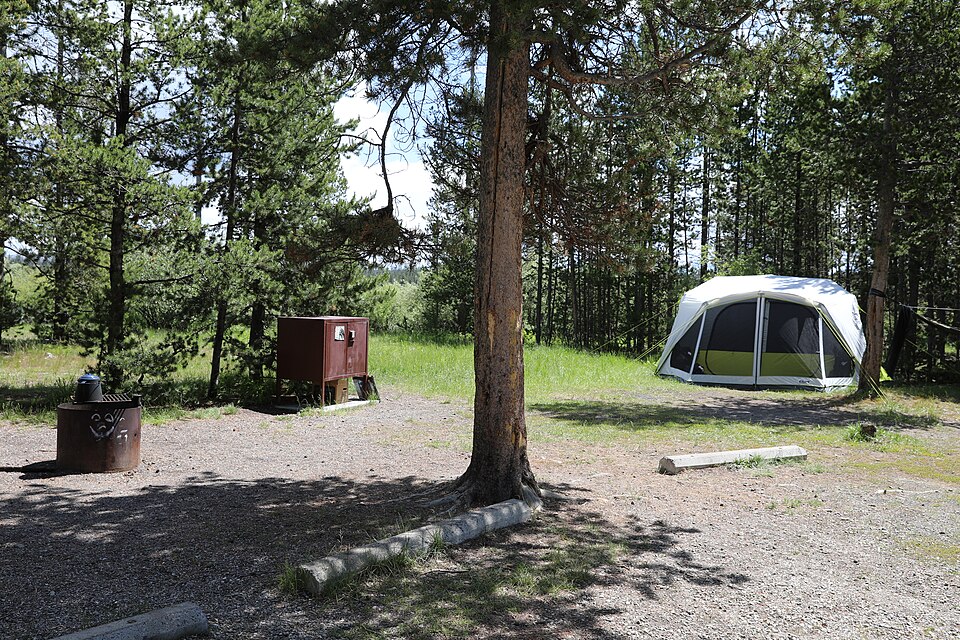
Lock in a stay for this season
Harvest Hosts stays on the way to White Mountains
Partner link · Harvest Hosts
Winter: A Frozen Wilderness
Winter transforms the White Mountains into a playground for cold-weather experts. From December through March, the landscape is buried under significant snowfall, attracting skiers, snowshoers, and ice climbers. While many of the seasonal forest roads close to vehicle traffic, the primary highways remain well-maintained. The atmosphere in mountain towns like North Conway or Jackson becomes cozy, with wood smoke in the air and a slower pace of life.
It is important to note that hiking during this season requires specialized gear, including crampons, ice axes, and heavy insulation. The Presidential Range is known for some of the most extreme winter weather in the world, with hurricane-force winds and life-threatening wind chills. For the average traveler, winter is best enjoyed by visiting the local ski resorts, exploring groomed cross-country ski trails, or simply enjoying the stark, quiet beauty of the snow-covered pines from a comfortable lodge or cabin.
Crowds and Reservation Timing
Managing your expectations regarding crowds is a vital part of planning your trip. The White Mountains are within a day's drive of several major metropolitan areas, meaning weekends from July through October are consistently busy. If you are looking for solitude, aim for the 'shoulder' periods, such as early June or late October. During these times, the weather is more variable, but the trails are significantly less congested.
For any trip planned during the summer or fall, you should look into booking your accommodations at least four to six months out. This applies to both hotels in the gateway towns and primitive campsites within the national forest. Always consult the official Forest Service website before you depart to check for any temporary closures or permit requirements for specific wilderness areas. Being flexible with your itinerary and starting your daily adventures early in the morning will help you avoid the largest crowds at the most iconic landmarks.
More ways to book White Mountains
 Illustrative · Z3lvs
Franconia Ridge Loop
One of the classic ways to experience White Mountains.
Varies (estimate)
Partner link · Viator