
For those who want to immerse themselves in the rugged beauty of New Hampshire without sacrificing the comforts of home, glamping in the White Mountains is the perfect solution. This growing trend allows travelers to sleep under the stars in stylish safari tents, rustic-chic yurts, or tiny cabins, all while enjoying amenities like comfortable mattresses and private decks. It is an ideal way to experience the great outdoors with a touch of luxury, making the wilderness accessible to everyone.
What to Expect from the Experience
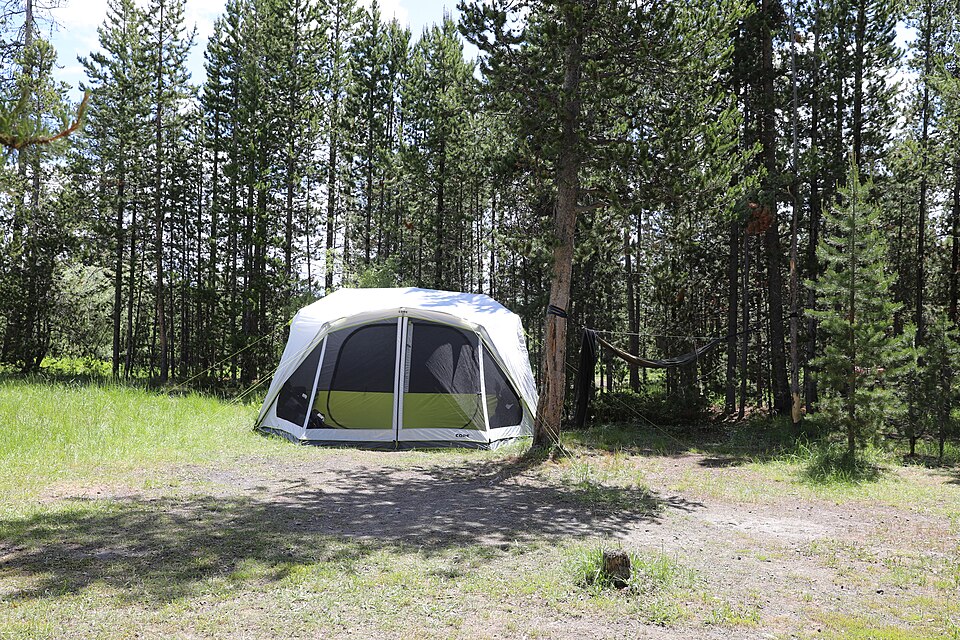
Glamping in the White Mountains typically involves staying in a structure that bridges the gap between a traditional hotel room and a tent. You can expect to find a real bed with high-quality linens, often accompanied by basic furniture like chairs and tables. Many sites offer added touches such as wood-burning stoves for chilly mountain nights, solar-powered lighting, and outdoor fire pits for evening gatherings. While some high-end options include private bathrooms, many follow a communal model with nearby luxury bathhouses.
The primary appeal is the location. These sites are often tucked away in secluded wooded areas, offering direct access to hiking trails or riverbanks. You get the sounds of the forest and the sight of the Milky Way without the hassle of setting up a tent or sleeping on the hard ground. It is a fantastic option for couples on a romantic getaway or families who want a camping experience without the extensive gear requirements. Prices are generally higher than standard campsites, reflecting the added amenities and convenience provided.
Popular Areas for Luxury Camping
While you won't find glamping sites in the heart of the high-altitude wilderness, several gateway communities offer excellent options. The area around North Conway is a hub for luxury outdoor stays, providing easy access to the shops and restaurants of the town while remaining close to the Echo Lake State Park and the eastern Presidential Range. To the west, the towns of Lincoln and Woodstock serve as another popular base, located near the start of the Kancamagus Highway and Franconia Notch.
Further north, near the town of Shelburne or the Gorham area, you can find more secluded glamping opportunities that cater to those looking to explore the Great North Woods or the northern Presidentials. These locations often feel more remote and offer a quieter atmosphere compared to the bustling southern notches. When choosing a location, consider which specific hikes or attractions are on your must-see list, as driving between the eastern and western sides of the mountains can take longer than it looks on a map due to the winding terrain.
Glamping vs. Traditional Camping and RVs
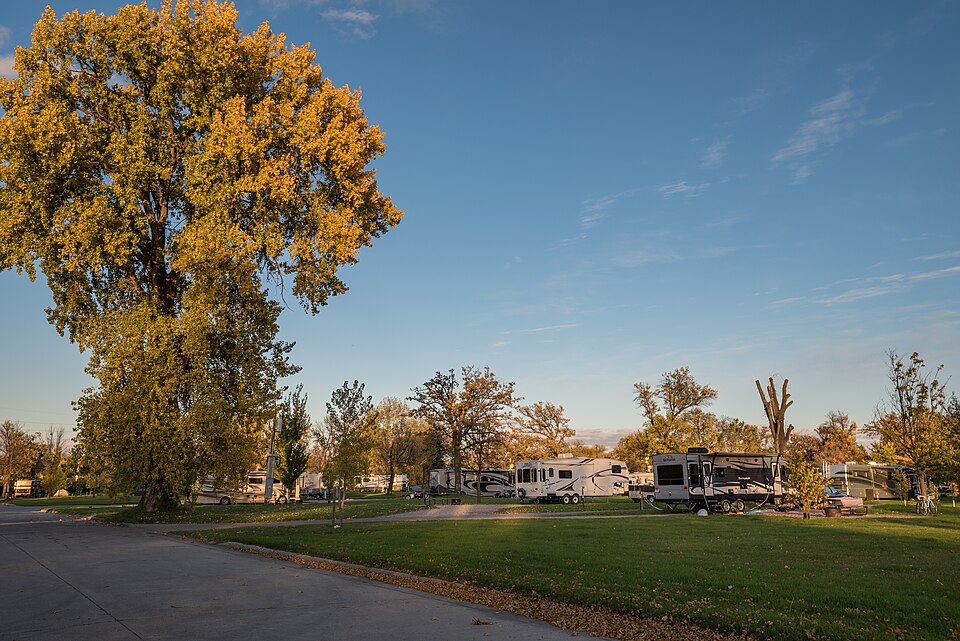
Choosing between glamping, traditional camping, and RVing depends on your desired level of comfort and effort. Traditional camping in the White Mountain National Forest offers the most authentic and budget-friendly experience, but it requires a full kit of gear and the ability to handle varying weather conditions in a nylon tent. RVing is a popular middle ground, providing a self-contained home on wheels, though many of the forestâs winding roads and smaller campgrounds can be challenging for larger rigs to navigate.
Glamping stands out by removing the logistical hurdles of both. You don't need to own an expensive vehicle or spend hours packing gear. It is particularly well-suited for travelers flying into the region from further away who cannot easily transport camping equipment. However, glamping sites are fewer in number and tend to book up very quickly, especially during the peak fall foliage season. If you prefer the 'roughing it' lifestyle and total seclusion, traditional backcountry camping remains the best way to see the most remote corners of the mountains.
Seasonal Considerations for Glampers
The glamping season in the White Mountains typically runs from late May through mid-October. Because most glamping structures are not fully insulated for New Hampshireâs harsh winters, they often close down once the first heavy snows arrive. Spring can be a beautiful time to visit, but be prepared for cooler nights and potentially buggy conditions in the early summer. The peak of the glamping season coincides with the autumn leaves, as there is nothing quite like waking up in a luxury tent surrounded by vibrant orange and red maples.
If you plan to glamp during the shoulder seasons (May or October), make sure to pack warm layers. Even if your accommodation has a heater or stove, the mountain air can turn very cold once the sun goes down. Conversely, during July and August, look for sites that offer good ventilation or are shaded by the forest canopy to stay cool. Always check the specific amenities of your chosen site on their official booking page to understand what kind of climate control or bedding is provided for the time of year you are visiting.
Planning and Reservations
Because glamping is a specialized and highly sought-after experience in the White Mountains, planning ahead is non-negotiable. Many of the top-rated sites open their reservation windows six months to a year in advance. If you are targeting a weekend stay during the summer or a mid-week stay during the October foliage peak, you should book as early as possible. Be sure to read the cancellation policies carefully, as these boutique operations often have stricter rules than large hotel chains.
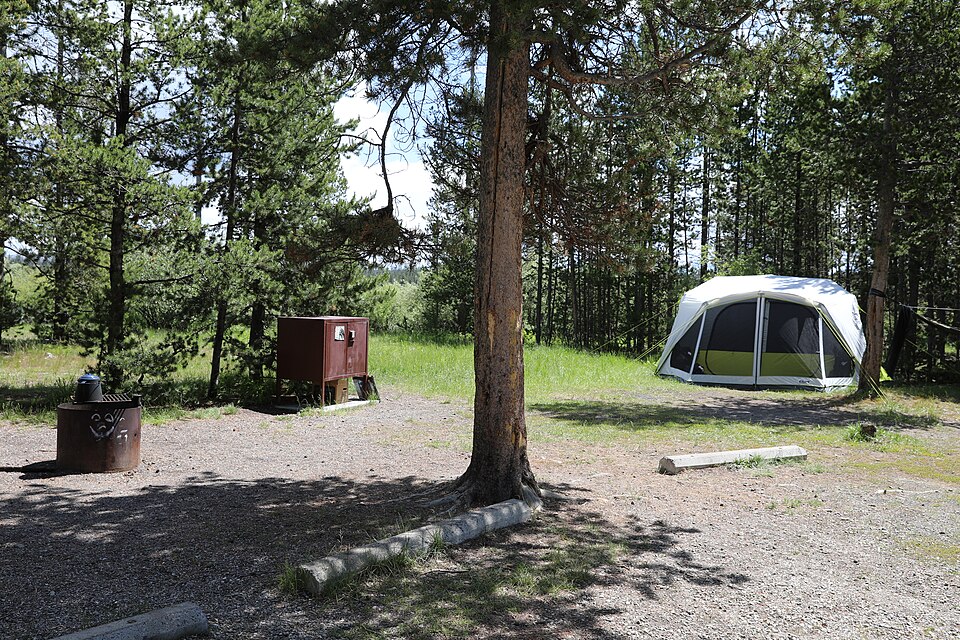
Before you arrive, it is a good idea to check the official White Mountain National Forest website for any alerts regarding wildlife (such as bears) that might affect how you store food at your glamping site. Even in a luxury tent, you are in bear country, and proper food storage is essential for your safety and the health of the local animals. Finally, confirm the check-in procedures, as some glamping sites are located down gravel roads that may require a vehicle with decent clearance, and many use self-check-in systems to maintain a sense of privacy for their guests.