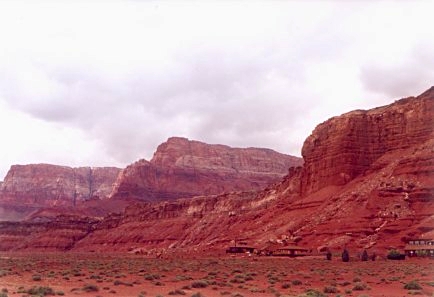
Vermilion Cliffs National Monument is a vast, rugged playground for those who seek the raw beauty of the American Southwest. Unlike more developed national parks, this area rewards the self-sufficient traveler with untouched geological wonders and profound silence. From the mesmerizing swirls of petrified dunes to the deepest slot canyons in the world, the monument offers a variety of experiences for hikers, photographers, and backcountry explorers who are willing to venture off the beaten path into the heart of the desert.
Hiking the Iconic Sandstone Waves
The most sought-after experience in the monument is hiking to the Coyote Buttes, home to the world-famous 'Wave.' This geological marvel features undulating layers of Navajo Sandstone that appear to flow like liquid. Because access is strictly limited by a permit system, the lucky few who enter find a serene environment free from crowds. The hike itself is a cross-country trek over sand and slickrock, requiring basic navigation skills as there are no maintained trails in this sensitive wilderness area.
Beyond the Wave, Coyote Buttes South offers equally stunning formations such as the 'Cottonwood Cove' and 'Paw Hole.' These areas feature fragile 'lace' rock and towering teepee-shaped buttes that glow in shades of orange and pink. Hiking here feels like walking through an alien landscape, where every turn reveals a new gravity-defying sculpture. Travelers should be prepared for a full day of sun exposure and bring plenty of water, as the reflections off the sandstone can intensify the desert heat significantly even on cooler days.
Exploring Buckskin Gulch and Paria Canyon
For those drawn to the cool shadows of the earth, Buckskin Gulch is a must-visit. Recognized as one of the longest and deepest slot canyons on the planet, it offers a transformative hiking experience. As you descend into the gulch, the walls rise hundreds of feet above, narrowing in places to just a few feet wide. The undulating rock walls, sculpted by millennia of flash floods, display intricate patterns and textures that are a delight to explore. A day hike into the narrows provides a relief from the desert sun, though hikers must always be wary of the weather forecast.
More ambitious backpackers can follow the Paria River through the canyon all the way to Leeâs Ferry. This multi-day journey requires wading through the shallow river and navigating through towering canyon walls. It is a true wilderness experience where you can find ancient petroglyphs and hidden springs. Whether you choose a short afternoon walk or a long-distance trek, the sheer scale of the Paria Canyon-Vermilion Cliffs Wilderness is guaranteed to leave you in awe of natureâs power.
Off-Roading to White Pocket
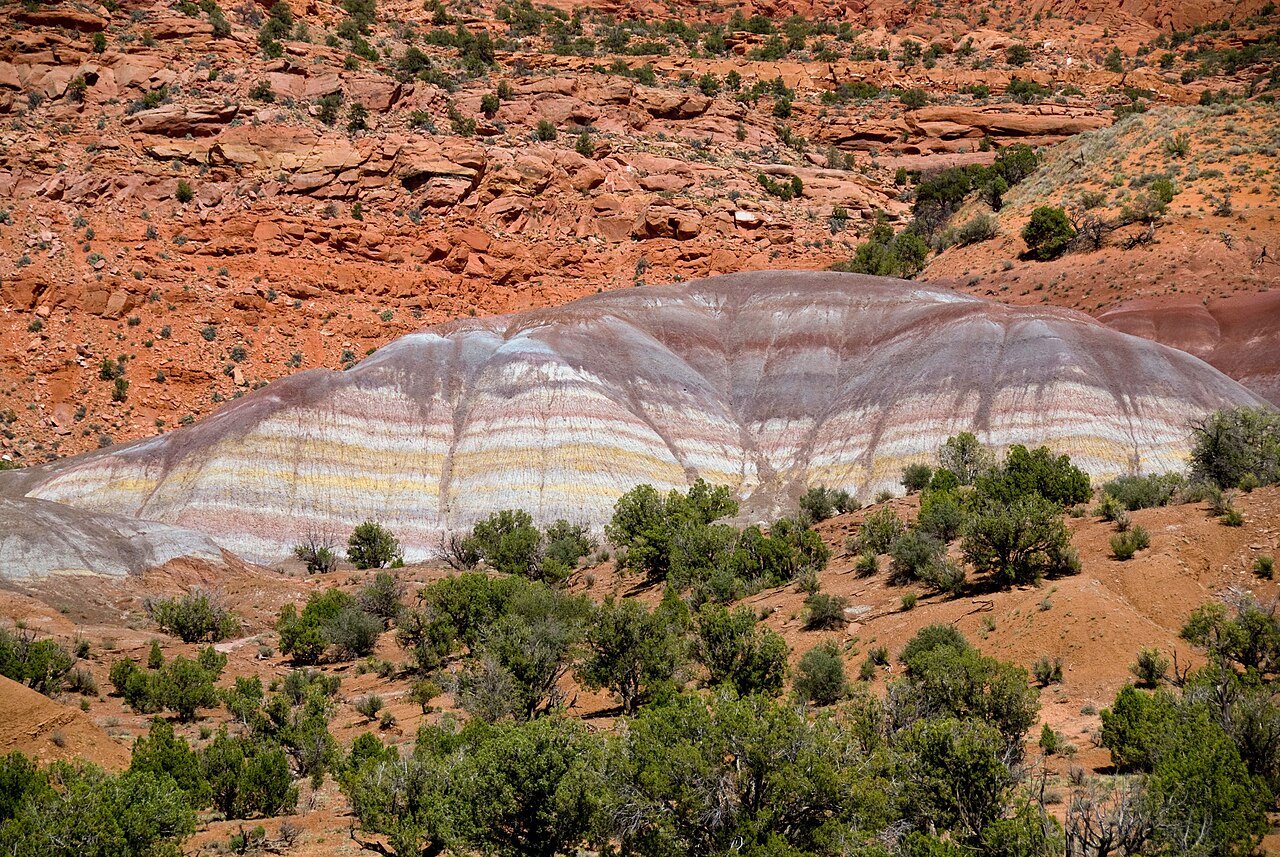
White Pocket is often described as a 'geological Disneyland.' Located deep within the monument, this area is accessible only by high-clearance four-wheel-drive vehicles due to the deep, soft sand tracks that lead to it. Once you arrive, you are greeted by an explosion of white, gray, and red cauliflower-like rock formations that look like they were piped out of a pastry bag. The area is relatively compact, allowing visitors to wander freely across the mounds and basins without a set trail.
The beauty of White Pocket is that it currently does not require a special permit beyond the standard monument entry, making it a great alternative for those who couldn't secure a spot at Coyote Buttes. It is particularly popular for sunset photography, as the low light emphasizes the brain-like textures of the stone. Travelers should ensure their vehicle is properly equipped with off-road tires and recovery gear, or consider hiring a local guide from Page or Kanab to navigate the challenging sandy terrain safely.
Wildlife Viewing and Bird Watching
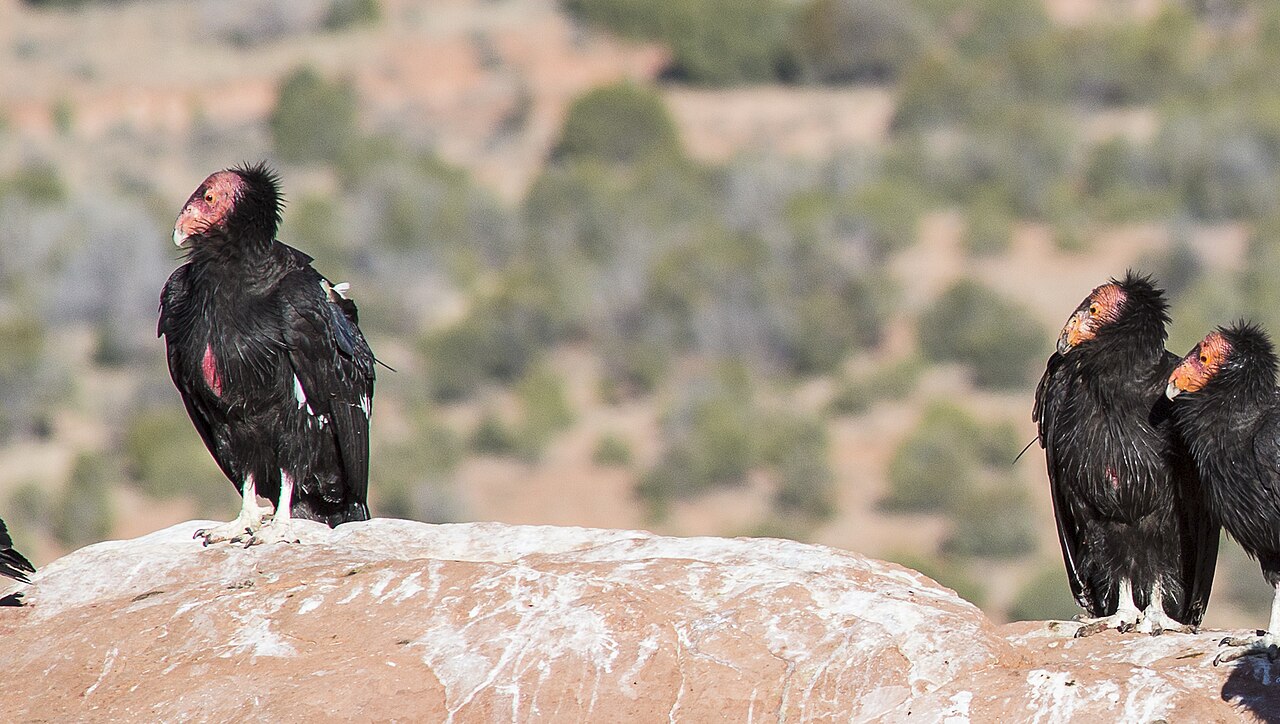
While the landscape may look desolate at first glance, Vermilion Cliffs is a critical habitat for one of the worldâs rarest birds: the California Condor. These massive raptors, with wingspans reaching up to nine and a half feet, were reintroduced to the area in the 1990s. The cliffs provide the perfect nesting grounds for these majestic birds. A dedicated viewing area near House Rock Valley often gives visitors the chance to see them soaring on thermals or perched high on the limestone ledges. Bringing a pair of high-quality binoculars is essential for a good view.
In addition to the condors, the monument is home to desert bighorn sheep, which are often seen nimbly navigating the steep talus slopes. During the early morning or late evening, you might also spot mule deer, kit foxes, or coyotes moving through the sagebrush flats. The quiet nature of the monument makes it an excellent place for wildlife enthusiasts to observe these animals in their natural habitat, undisturbed by the heavy traffic found in more popular western parks.
Scenic Driving and Rainy Day Alternatives
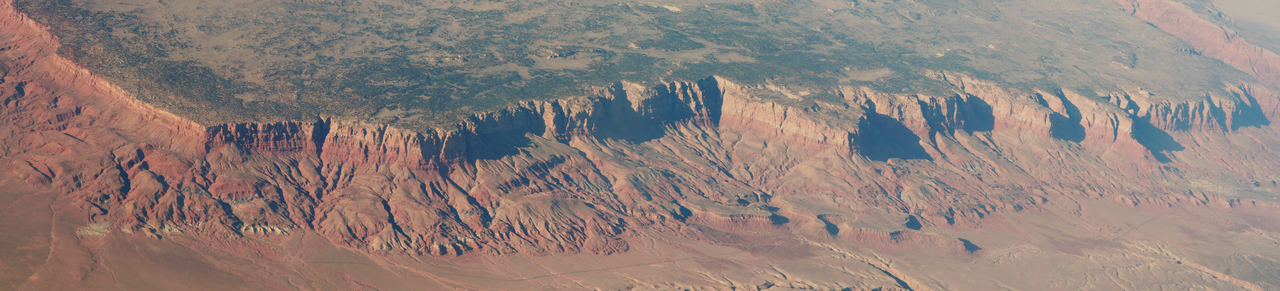
If the weather turns sour or you prefer to see the sights from your vehicle, the drive along Highway 89A offers some of the most spectacular vistas in Arizona. The road skirts the base of the massive Vermilion Cliffs, which rise nearly 3,000 feet from the valley floor. There are several pullouts where you can stop to read interpretive signs about the geology and history of the region. A stop at the historic Navajo Bridge allows you to walk across the Colorado River and look down into the depths of Marble Canyon, a stunning sight even in overcast weather.
On rainy days, avoid the unpaved backcountry roads at all costs, as they become dangerously slick. Instead, visit the nearby interpretive centers in Big Water or Kanab to learn about the prehistoric life that once roamed this region, including the many dinosaur tracks found in the sandstone. These indoor options provide a safe way to appreciate the area's rich history while waiting for the desert sun to return and dry out the trails for your next outdoor adventure.