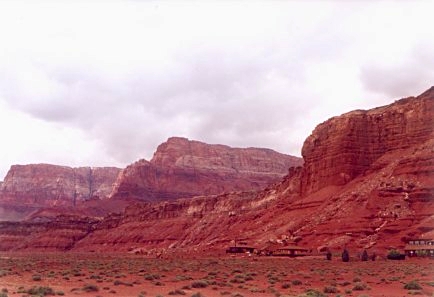
Timing is everything when planning a journey to the remote northern Arizona strip. Because Vermilion Cliffs National Monument sits at a high desert elevation, the transition between seasons brings dramatic shifts in accessibility and comfort. To make the most of this rugged landscape, you must balance the pursuit of mild hiking temperatures with the reality of highly competitive permit lotteries. Whether you are chasing the golden hour light on the sandstone or looking for solitude in the deep canyons, choosing your month carefully ensures a successful desert expedition.
Springtime Bloom and Mild Temperatures
Spring, specifically from March through May, is widely considered the best time to visit Vermilion Cliffs. During these months, daytime temperatures generally hover in the comfortable 60s and 70s, making long treks across exposed sandstone much safer than in the heat of summer. This is also the period when the desert surprises visitors with vibrant life; globemallow and evening primrose often bloom along the sandy tracks, contrasting beautifully against the deep red cliffs.
However, spring is also the most popular season for travelers heading to the Paria Canyon and Coyote Buttes. You should expect the highest level of competition for the daily permit lotteries during this window. Additionally, spring in Northern Arizona can be notoriously windy. Strong gusts can whip up fine sand in the open flats of House Rock Valley, so bringing eye protection and a neck gaiter is a wise move for anyone planning to spend the day exploring the open ridges.
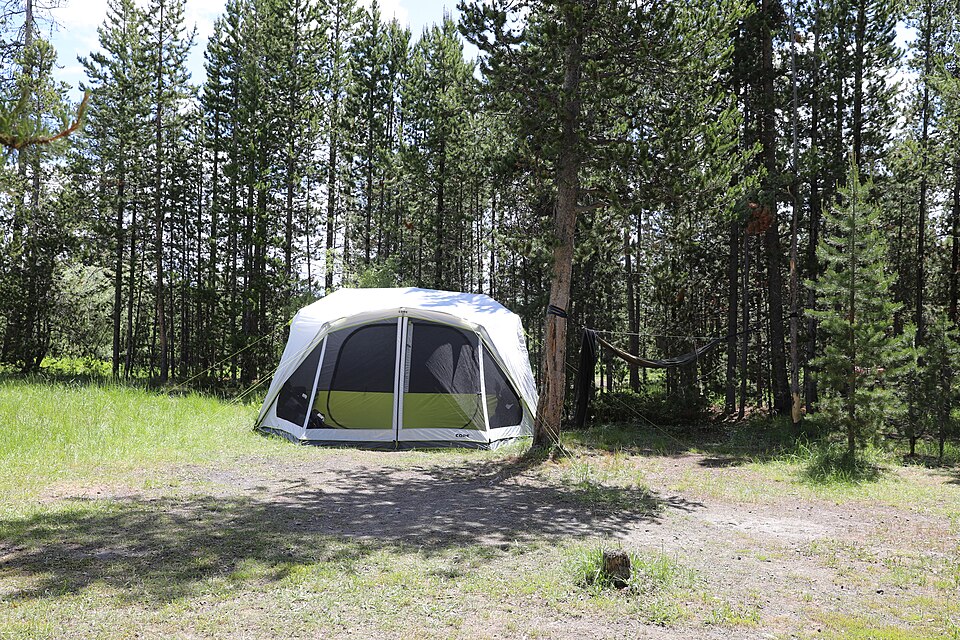
Lock in a stay for this season
RV parks near Vermilion Cliffs on RoverPass
Partner link · RoverPass
The Golden Days of Fall
September through November offers a secondary peak season that many seasoned desert hikers prefer even over the spring. As the summer heat fades, the air becomes crisp and exceptionally clear, providing the best possible visibility for photographers aiming to capture the textures of White Pocket or the Buckskin Gulch narrows. The intense monsoon rains usually taper off by mid-September, which stabilizes the dirt access roads that are often washed out during the summer months.
By October, the cottonwood trees tucked into the canyon bottoms begin to turn a brilliant gold, offering a stunning visual counterpoint to the vermilion-colored walls. Nighttime temperatures start to drop significantly, often reaching near-freezing levels by November, so those planning to camp or stay in an RV should be prepared with heavy bedding. This is a fantastic time for high-clearance vehicle touring, as the roads are generally at their driest and most predictable before the winter snows arrive.
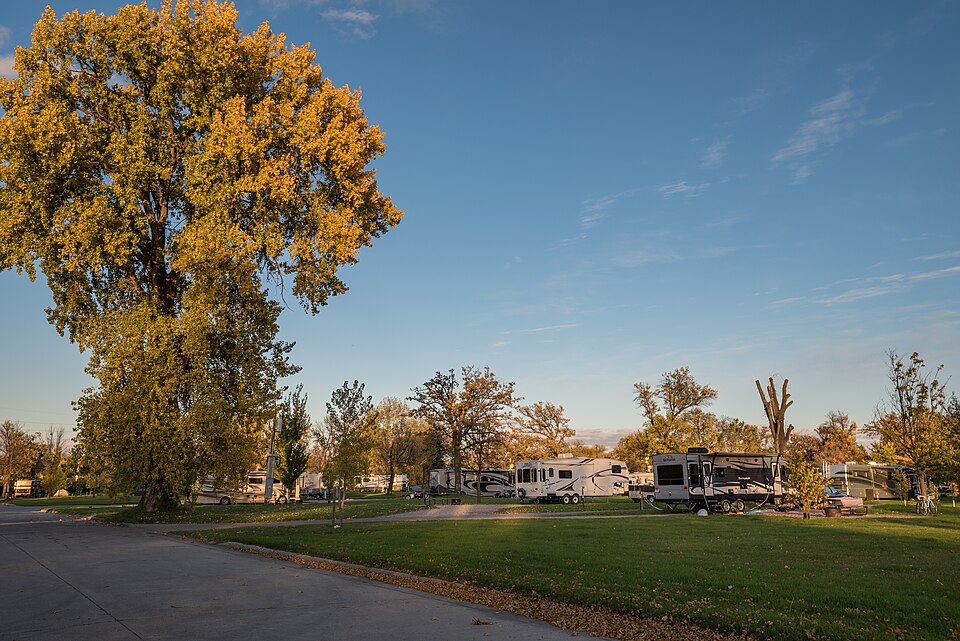
Lock in a stay for this season
Campsites near Vermilion Cliffs on Campspot
Partner link · Campspot
Navigating the Summer Heat and Monsoons
Summer in the monument, spanning June through August, is a season of extremes that requires significant preparation. Temperatures frequently soar above 100 degrees Fahrenheit, and because there is virtually no shade on the plateaus, hiking during the midday sun can be dangerous. If you choose to visit during this time, it is essential to start your hikes at dawn and be off the trail by early afternoon. Carrying significantly more water than usual is a non-negotiable requirement for survival in this arid environment.
This season also brings the North American Monsoon, which creates a high risk of flash flooding. A sudden thunderstorm miles away can send a wall of water through narrow slots like Buckskin Gulch in minutes. Furthermore, the unpaved roads in the monument, such as House Rock Valley Road, can become impassable clay mud pits after a heavy rain, potentially stranding vehicles for days. Always check the latest National Park Service weather updates and road condition reports before heading out into the backcountry during the summer months.
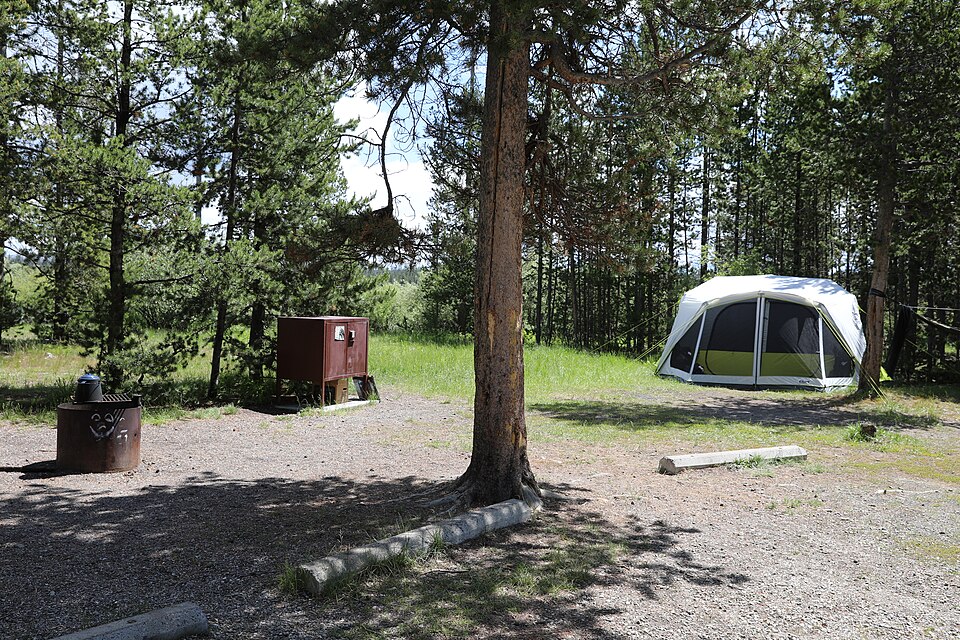
Lock in a stay for this season
Harvest Hosts stays on the way to Vermilion Cliffs
Partner link · Harvest Hosts
Winter Solitude and Snowy Peaks
Winter from December to February is the quietest time at Vermilion Cliffs, offering a rare sense of total isolation. While the low-angle winter sun creates long, dramatic shadows that look incredible on the swirling sandstone, the temperatures can be biting. Daytime highs may only reach the 40s, and snow is not uncommon on the higher plateaus. The contrast of white snow against the red rock is a photographer's dream, but it comes with the challenge of icy trail conditions and potentially muddy roads.
The main advantage of a winter visit is the decreased demand for permits. While the Wave still attracts a crowd, other areas of the monument see very little foot traffic. If you are prepared for cold-weather camping and have a capable four-wheel-drive vehicle to navigate slick spots on the access roads, winter can be a rewarding time to visit. Just be aware that days are short, so you will need to plan your excursions carefully to ensure you are back to your vehicle or camp before the sun sets and temperatures plummet.
Permit Timing and Planning Cycles
Regardless of which season you choose, the logistics of a Vermilion Cliffs trip revolve around the permit system managed by the Bureau of Land Management. For highly regulated areas like Coyote Buttes North (The Wave) and Coyote Buttes South, you must participate in online lotteries months in advance or try your luck with the daily geofence-based lottery once you arrive in the region. Planning your visit at least four to six months out is standard practice for those hoping to secure these coveted spots.
For those who miss out on the most famous sites, the monument offers vast areas that do not require specialized day-use permits, such as the trails around the cliffs' base or the spectacular White Pocket area. However, even these spots require careful seasonal planning regarding vehicle capabilities. Check the official government websites for the most current information on permit fees, application windows, and road closures. Being flexible with your dates can significantly increase your chances of experiencing the monument's most iconic landscapes without the stress of last-minute availability issues.
More ways to book Vermilion Cliffs
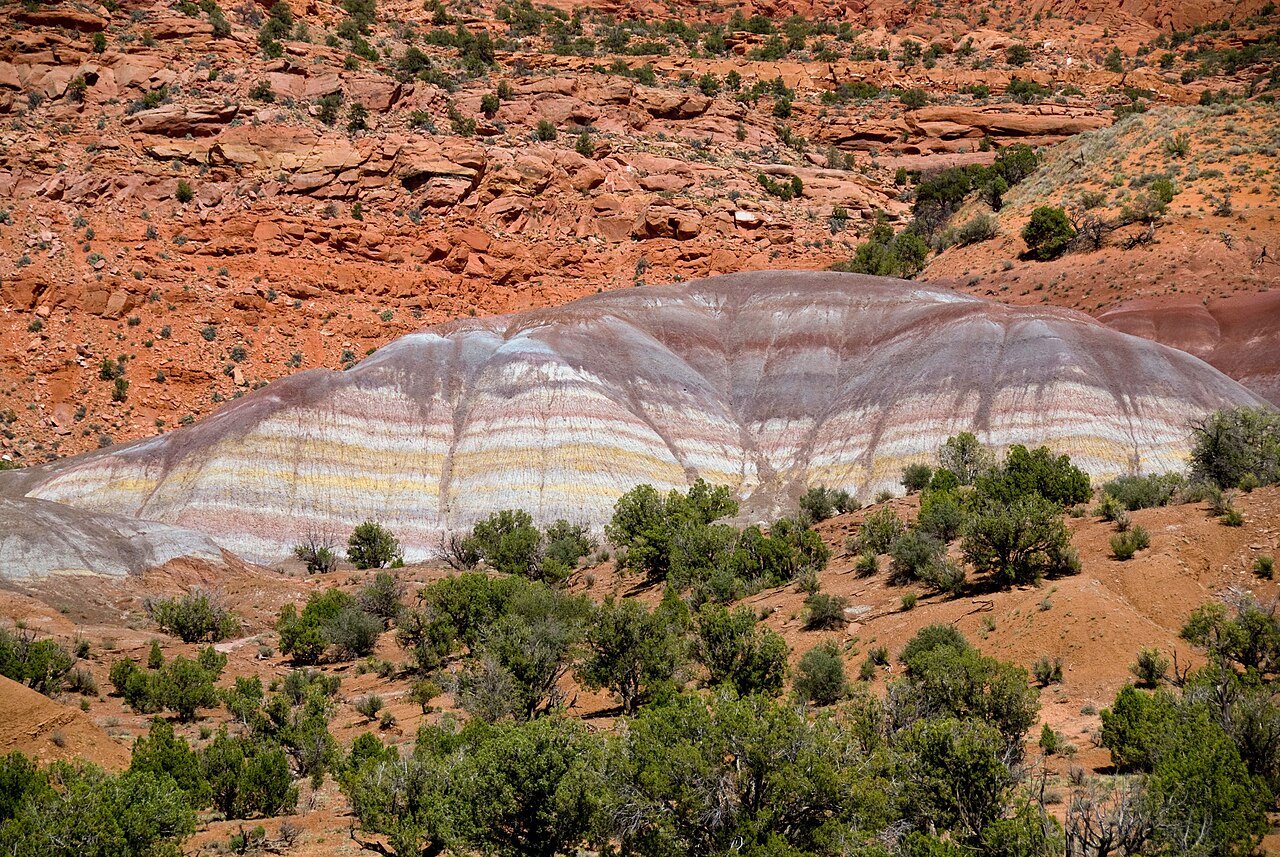 Illustrative · John Fowler from Placitas, NM, USA
White Pocket Exploration
One of the classic ways to experience Vermilion Cliffs.
Varies (estimate)
Partner link · Viator