
Umpqua National Forest is a treasure trove of natural wonders, offering everything from heart-pounding whitewater rafting to serene walks through ancient growth timber. Whether you are a dedicated backcountry hiker or a family looking for easy roadside viewpoints, the 'Highway of Waterfalls' provides endless opportunities for discovery. The sheer density of scenic sites along the Umpqua River corridor makes it one of the most rewarding regions to explore in the Pacific Northwest.
Chasing the Highway of Waterfalls
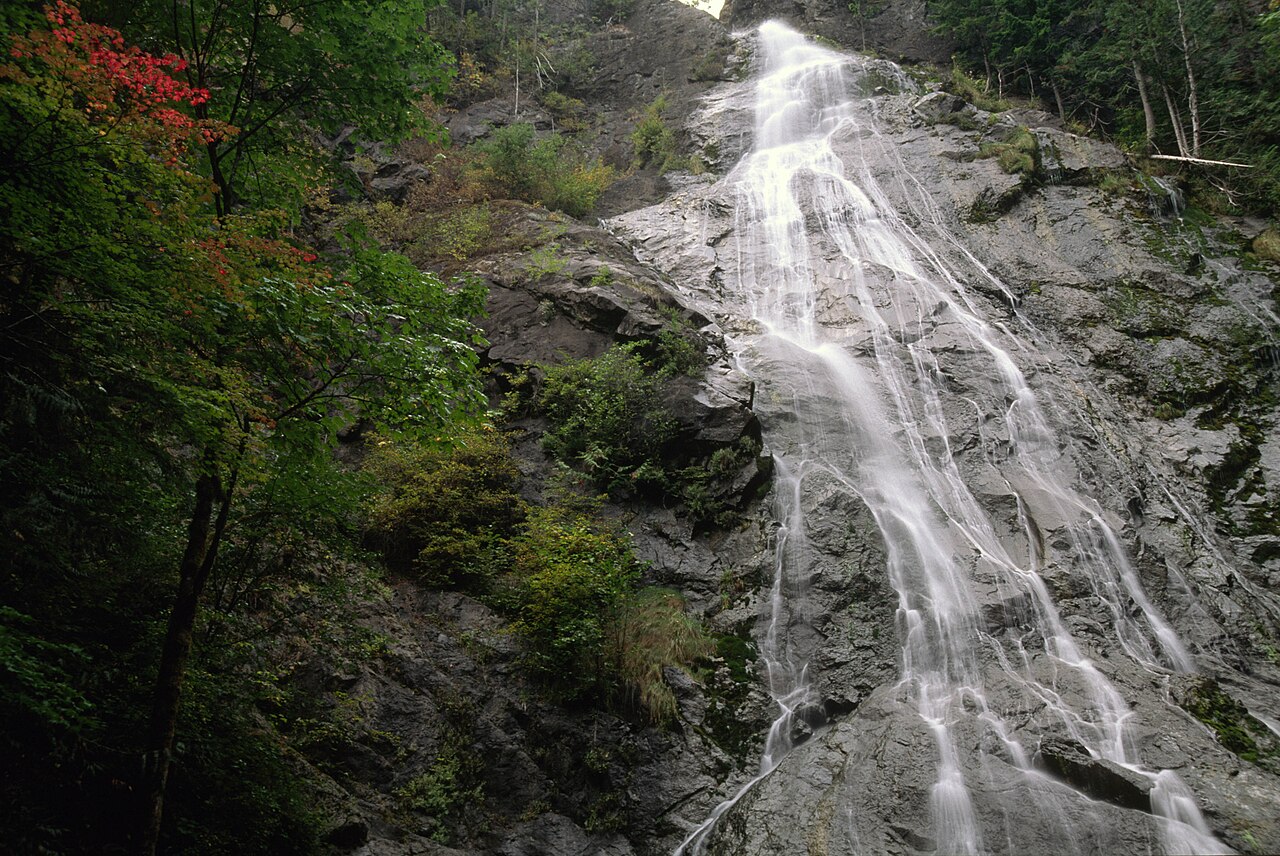
The primary draw for most visitors is the incredible concentration of cascades along Highway 138. The most iconic is Toketee Falls, where the North Umpqua River plunges through a frame of perfect columnar basalt into a brilliant blue pool. The hike is relatively short, making it accessible for most visitors. Not far away is Watson Falls, which stands as one of the tallest in the state, dropping nearly 300 feet over a sheer cliff. The mist from Watson is so powerful that it creates a lush, mossy environment that feels like a temperate jungle.
For those who prefer a bit more solitude, Lemolo Falls offers a impressive drop that requires a slightly longer hike through the woods. Each waterfall has its own character, from the wide curtains of Clearwater Falls to the tiered drops of Steamboat Falls. Many of these sites offer picnic tables nearby, allowing you to spend an entire day hopping from one scenic overlook to the next without ever wandering too far from your vehicle.
Hiking and Biking the North Umpqua Trail
The North Umpqua Trail is a world-class destination for both long-distance hikers and mountain bikers. Stretching for 79 miles, the trail is divided into several segments, each offering a different glimpse into the forestâs diverse ecology. The segments near the river provide relatively flat, scenic paths through towering Douglas firs, while the sections closer to the Cascades crest offer significant elevation gain and sweeping views of the surrounding peaks.
Mountain bikers particularly favor the Dread and Terror section, known for its technical challenges and stunning scenery. Hikers often choose shorter segments for day trips, such as the Hot Springs segment, which offers views of the river canyons. The trail is well-maintained, but visitors should always be prepared for downed trees or muddy patches, especially in the early summer. It is a fantastic way to experience the quiet interior of the forest, away from the hum of the highway, and to see the river from a variety of unique perspectives.
Water Sports: Rafting, Fishing, and Swimming
The North Umpqua River is a legendary waterway for outdoor enthusiasts. It is renowned globally for its summer steelhead runs, attracting fly-fishing aficionados who test their skills in the designated fly-fishing-only sections of the river. The clear, cold water and complex rock formations provide an ideal habitat for fish and a beautiful setting for anglers. If you are interested in fishing, ensure you have the appropriate Oregon state licenses and are familiar with the specific regulations for the reach you are visiting.
For those seeking adrenaline, whitewater rafting and kayaking are popular activities, with sections ranging from gentle floats to challenging Class III and IV rapids. Local outfitters in the gateway towns can provide guided trips for those who aren't experienced in navigating the riverâs technical boulders. If you prefer a slower pace, the calmer pools near the forest's campgrounds are perfect for a refreshing dip on a hot summer afternoon, though the water remains brisk even in the height of August.
Family-Friendly Adventures and Easy Access
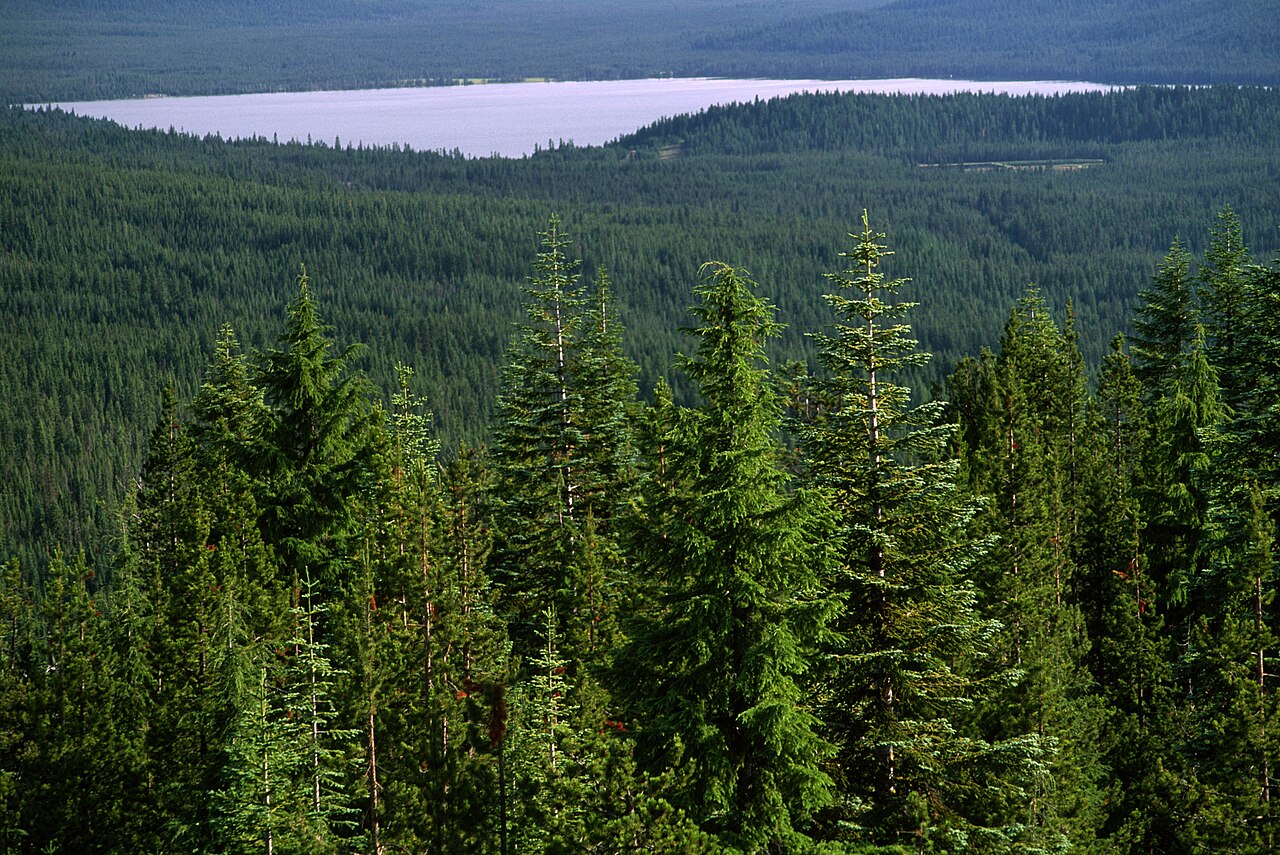
Umpqua National Forest is an excellent destination for families traveling with children. Many of the most spectacular sights require only minimal walking. The Clearwater Falls area, for example, features a gentle path that leads directly to a waterfall that looks like something out of a fairy tale, with water bubbling over mossy logs. Itâs a great spot for kids to explore the forest floor safely. The Diamond Lake area also offers a paved bike path that circles the lake, providing a flat and easy surface for younger riders or families with strollers.
Educational opportunities abound as well. Visiting the local fish hatcheries or stopping at the interpretive signs along the Rogue-Umpqua Scenic Byway can teach children about the local ecosystem and the importance of forest management. The campgrounds are often situated near water, providing endless entertainment for kids who enjoy skipping stones or searching for crawdads in the shallows. It is a natural playground that encourages curiosity and a love for the outdoors in a safe, accessible environment.
Rainy Day Options and Wildlife Viewing
Rain is a common occurrence in the Cascades, but it shouldn't dampen your spirits. A rainy day is the perfect time to visit the deeper forest, where the canopy provides a natural umbrella. The colors of the moss and lichen become incredibly vivid when wet, making for excellent macro-photography. You can also take a long, scenic drive along the Rogue-Umpqua Scenic Byway, which offers plenty of covered overlooks and pull-outs where you can enjoy the view from the comfort of your car.
Wildlife viewing is another excellent activity for overcast days. The forest is home to Roosevelt elk, black-tailed deer, and a variety of birds including ospreys and bald eagles. Early morning and late evening are the best times to spot animals near the riverbanks or in the meadow areas. Keep your binoculars handy as you drive the forest roads; you might just spot a black bear in the distance or a colorful western tanager flitting through the trees. Always remember to maintain a safe distance and never feed the wildlife to ensure both your safety and theirs.