
Determining the best time to visit Umpqua National Forest depends largely on whether you are hunting for roaring waterfalls or looking to hike the high-elevation ridges near Diamond Lake. This sprawling landscape in the Southern Oregon Cascades transitions from temperate rainforests to alpine peaks, meaning conditions vary significantly by elevation. Visitors typically find the most accessible window for all activities spans from late spring through the golden days of early autumn.
Summer: The Peak Season for Adventure
July and August are widely considered the gold standard for visiting the Umpqua region. During these months, the snow has fully receded from the High Cascades, opening up the full length of the North Umpqua Trail for mountain bikers and long-distance hikers. Temperatures in the lower elevations near Glide can reach the 80s or 90s, making the crystal-clear, chilly waters of the Umpqua River incredibly inviting for swimmers and rafters.
Because this is the driest time of year, it is also the safest time for exploring the gravel forest roads that lead to more remote trailheads. However, this popularity means that developed campgrounds often reach capacity early. If you plan to visit during the summer, you should check the official NPS or Forest Service sites well in advance to secure reservations. The long daylight hours allow for extended evening photography at spots like Toketee Falls, where the sun filters through the thick canopy long into the night.
Lock in a stay for this season
RV parks near Umpqua National Forest on RoverPass
Partner link · RoverPass
Spring: A Showcase of Waterfall Power
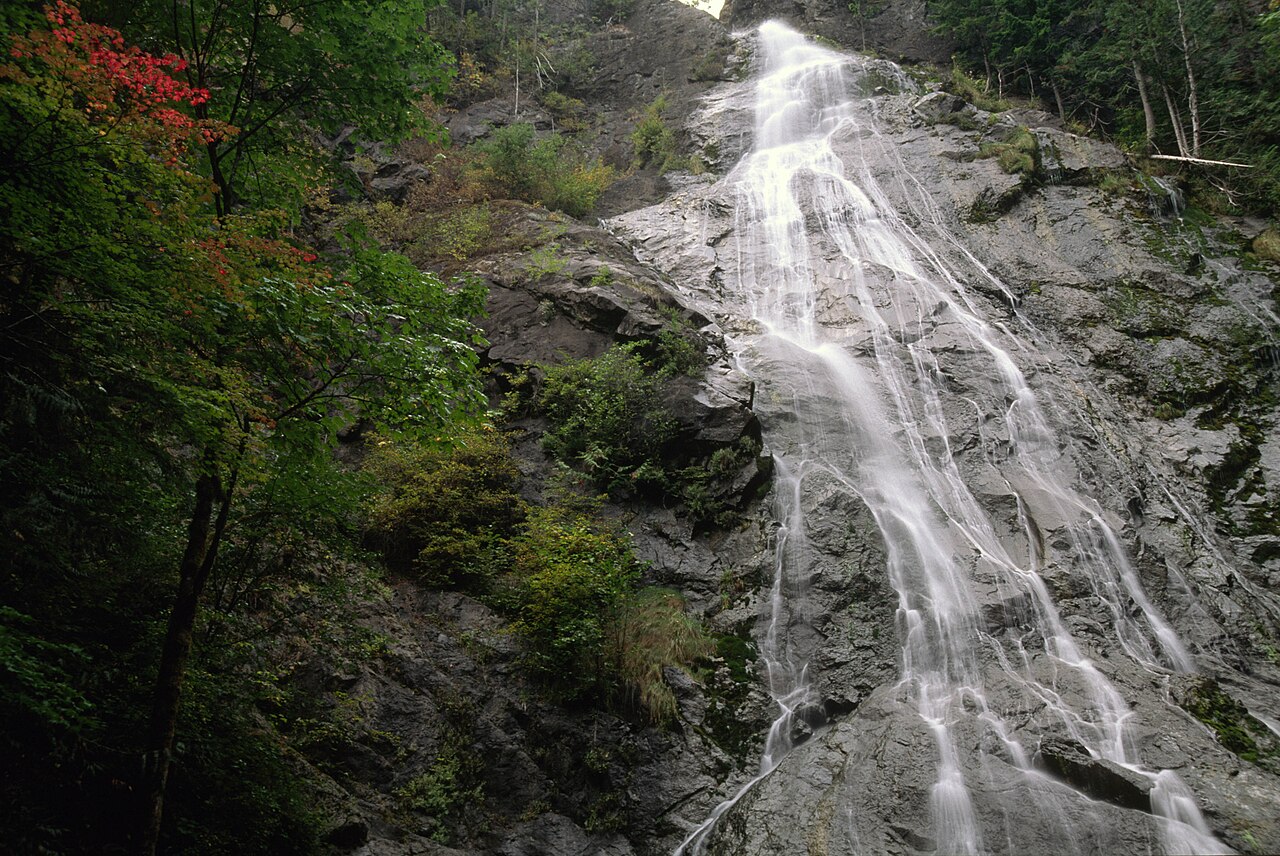
Spring, specifically May and June, is the absolute best time to visit Umpqua National Forest if your primary goal is to witness the raw power of Oregonâs waterfalls. As the winter snowpack begins its rapid melt, falls like Watson and Lemolo surge with incredible volume, creating misty microclimates that turn the surrounding basalt columns into lush, moss-covered spectacles. The forest is at its greenest during this window, with wildflowers like trillium beginning to peek through the damp forest floor.
Travelers should be prepared for variable weather, as Pacific storms can still bring significant rainfall to the valley. Lower-elevation trails are usually clear, but high-altitude routes near Mt. Thielsen may remain under several feet of snow until late June. If you visit now, pack reliable waterproof gear and sturdy boots to navigate the muddy sections of the trail. The trade-off for the dampness is a lack of crowds, offering a peaceful, solitary experience at some of the most famous viewpoints.
Lock in a stay for this season
Campsites near Umpqua National Forest on Campspot
Partner link · Campspot
Fall: Crisp Air and Changing Colors
September and October bring a quiet transformation to the Umpqua. As the summer heat fades, the air turns crisp, and the vine maples along the riverbanks shift into vibrant shades of orange and red. This is a favorite season for photographers and those looking for a more meditative forest experience. The crowds thin out significantly after Labor Day, making it easier to find a secluded spot along the North Umpqua River for fly fishing or quiet reflection.
While the waterfall volume is lower than in the spring, the basalt formations are more visible, and the pools at the base of the falls become exceptionally clear and emerald-toned. Be mindful that early snowfalls can occur in October at higher elevations. It is a good idea to monitor local weather reports frequently, as road conditions can change quickly. For those who enjoy cool-weather camping, the fall provides the perfect environment for evening campfires and comfortable sleeping temperatures in a tent or RV.
Lock in a stay for this season
Harvest Hosts stays on the way to Umpqua National Forest
Partner link · Harvest Hosts
Winter: A Quiet, Snowy Wonderland
Winter in the Umpqua National Forest is a season of extremes. In the lower reaches, the forest is shrouded in a deep, moody fog with frequent rain, creating a quintessential Pacific Northwest atmosphere. In the higher elevations near Diamond Lake, the landscape turns into a playground for snowmobiling, snowshoeing, and cross-country skiing. The contrast between the dark evergreens and the bright white snow is breathtaking, but access to many forest roads is restricted by snow drifts.
Visitors should always carry chains and be prepared for winter driving conditions when traveling along Highway 138. Many developed campgrounds close for the season, though some areas near the gateway cities remain accessible for day use. Winter is the time for those who enjoy the stark beauty of a frozen landscape and the roar of the river against a silent, snowy backdrop. While it is not the typical time for casual hiking, it offers a unique solitude that you won't find during the busier summer months.
Managing Reservations and Crowds
Because the Umpqua National Forest is a premier destination for both Oregonians and out-of-state travelers, managing your timing is crucial for a stress-free trip. The busiest times are weekend afternoons in July, particularly at popular spots like the Umpqua Hot Springs or Toketee Falls. To avoid the largest groups, plan your visits to these landmarks for early weekday mornings.
Reservation windows for popular campsites often open months in advance through official government portals. If you are aiming for a holiday weekend, such as the Fourth of July or Labor Day, you must be diligent about booking as soon as the window opens. For those seeking spontaneity, there are dispersed camping opportunities in the forest, but these require a higher level of self-sufficiency and knowledge of local regulations. Always check the official Forest Service website for the most current information on campfire restrictions, road closures, and permit requirements before you leave home to ensure your trip goes smoothly.
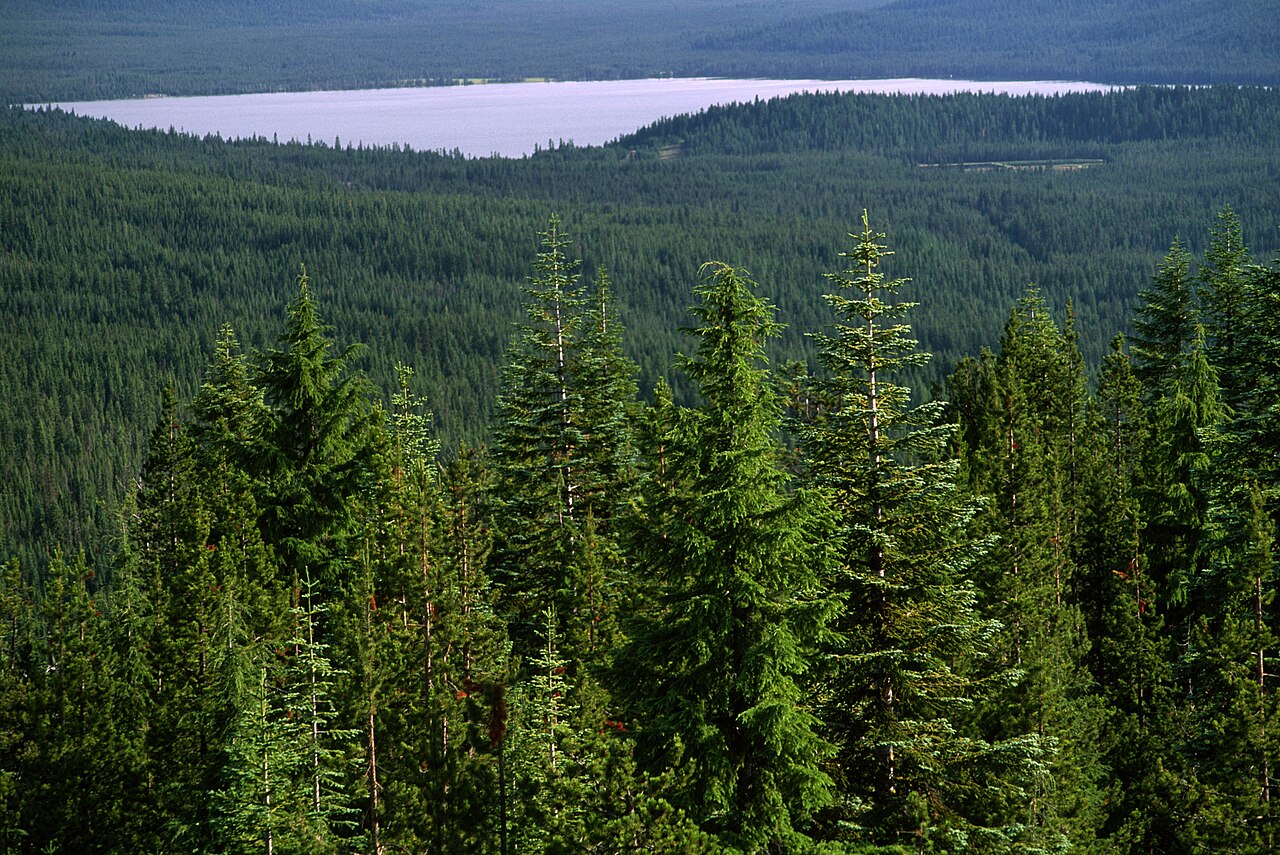
More ways to book Umpqua National Forest
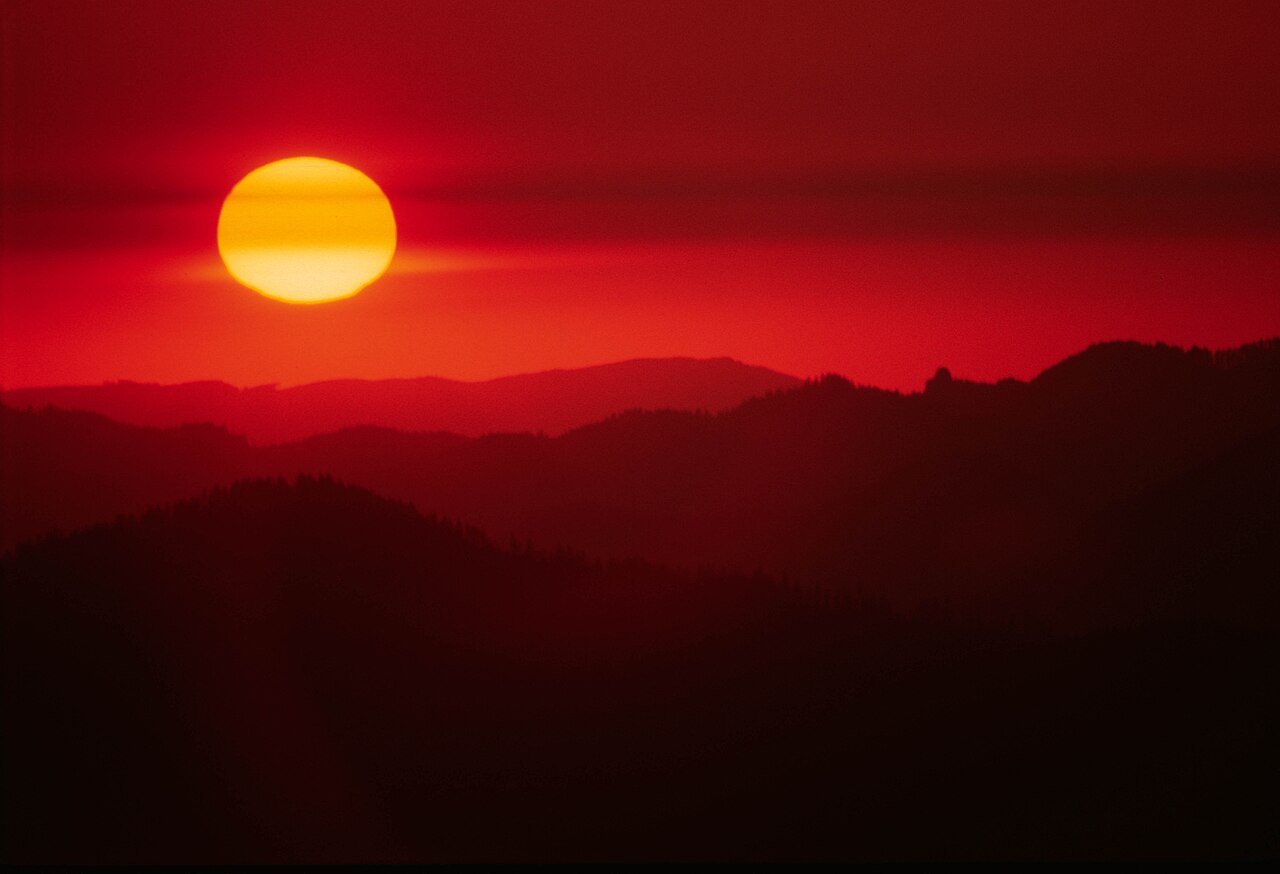 Illustrative · U.S. Forest Service- Pacific Northwest Region
Watson Falls Trail
One of the classic ways to experience Umpqua National Forest.
Varies (estimate)
Partner link · Viator