
For those who want to immerse themselves in the rugged beauty of the Southern Oregon Cascades without sacrificing the comforts of home, glamping in the Umpqua National Forest is the perfect solution. This style of travel allows you to fall asleep to the sound of the rushing river and wake up to the scent of pine, all while enjoying a comfortable bed and modern amenities. From high-end wall tents to cozy forest cabins, the options around the Umpqua cater to every level of outdoor enthusiast.
The Glamping Experience in the Umpqua
Glamping near the Umpqua National Forest typically takes the form of thoughtfully designed accommodations that blend seamlessly into the environment. You might find yourself in a spacious safari-style tent equipped with a real mattress, fine linens, and even a wood-burning stove for chilly Oregon nights. These sites are often located on private lands adjacent to the forest or within specialized resort areas near Diamond Lake and the North Umpqua River.
The appeal of glamping here is the balance between adventure and relaxation. After a long day of hiking the North Umpqua Trail or photographing waterfalls, you don't have to worry about the logistics of setting up a tent or cooking over a temperamental camp stove. Instead, you can enjoy a hot shower and a glass of local Umpqua Valley wine while sitting on a private deck overlooking the wilderness. It is an ideal choice for couples on a romantic getaway or families who want the camping experience without the traditional 'roughing it' aspects.
Where to Find Glamping Near the Forest
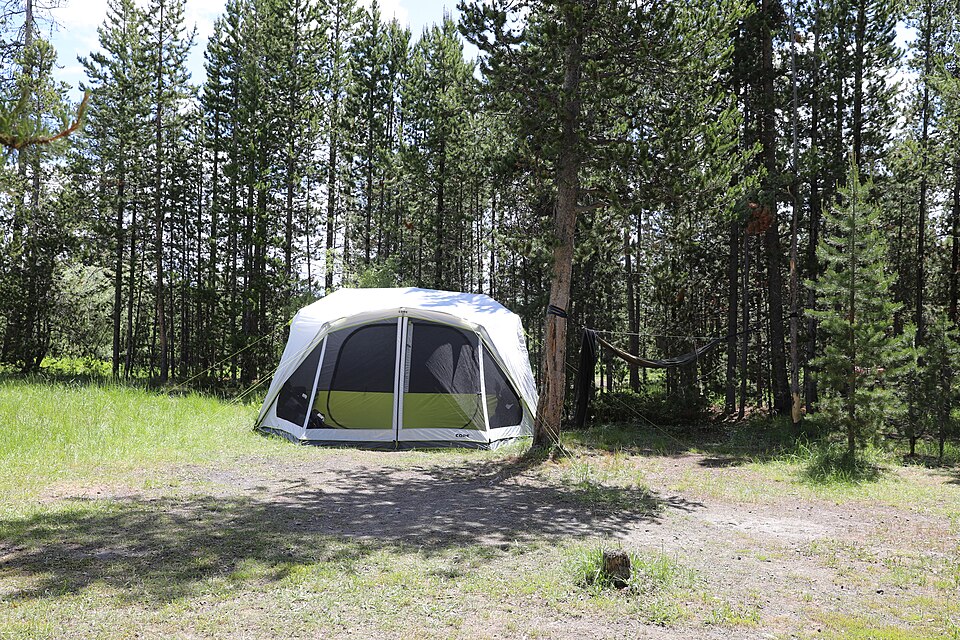
While the National Forest itself primarily offers traditional campgrounds, the gateway communities and surrounding areas are hotspots for glamping. The area around Glide and Idleyld Park is a prime location, offering proximity to the lower river and many of the most famous waterfalls. Here, you can find riverside retreats that offer a mix of cabins and luxury tents. Being located near the river provides easy access to fishing and swimming spots just steps from your door.
Further east, the Diamond Lake area offers a different glamping vibe. Because of the higher elevation, the season is shorter, but the rewards are alpine views and cooler summer temperatures. Some facilities in this region offer yurts or upgraded lodge rooms that provide a 'glamping-lite' experience. When searching for these accommodations, look for places that emphasize their connection to the outdoors, often featuring outdoor communal fire pits, guided nature walks, and equipment rentals for guests. These hubs serve as excellent basecamps for exploring the eastern reaches of the forest and nearby Crater Lake National Park.
Glamping vs. Traditional Camping and RVs
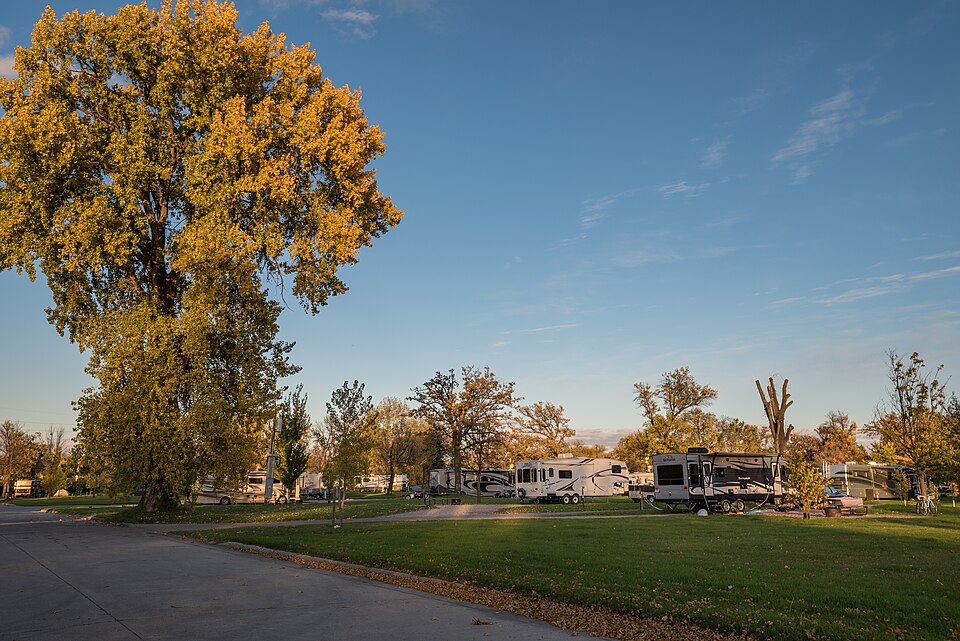
Choosing between glamping, traditional camping, and RVing depends on your desired level of autonomy and comfort. Traditional camping in the Umpqua is a fantastic way to stay directly in the heart of the forest, often for a very low cost, but it requires significant gear and preparation. RVing offers more amenities and is a popular way to travel the Rogue-Umpqua Scenic Byway, but you are limited to campgrounds with appropriate hookups and space for larger vehicles.
Glamping sits in the sweet spot for travelers who may not own camping gear or who are flying in from the nearest airport in Medford and don't want to pack a car full of equipment. It removes the barrier to entry for the outdoors, making the forest accessible to everyone. While glamping is significantly more expensive than a standard forest service campsiteâoften comparable to a mid-range hotel stayâthe value lies in the curated experience and the ability to enjoy the wilderness with minimal effort. It allows you to spend more time exploring and less time managing your campsite.
Where to sleep
Harvest Hosts stays on the way to Umpqua National Forest
Partner link · Harvest Hosts
Seasonal Considerations for Glamping
The best time for glamping in the Umpqua generally aligns with the late spring through early fall window. Because many glamping structures, like canvas tents and yurts, are not fully winterized, most operators only open their doors from May through October. Late spring is a wonderful time to visit when the rivers are high, though you should be prepared for damp weather and cooler nights. High summer is the peak season, offering the best weather for enjoying outdoor decks and communal spaces.
Early autumn, particularly September, is often considered the 'secret season' for glamping. The days are still warm, the bugs have largely disappeared, and the forest begins to take on its fall colors. If you choose to glamp during the shoulder seasons, be sure to pack layers, as temperatures in the Cascades can drop significantly once the sun goes down. Always check with your specific host regarding what heating options are available in your unit to ensure you stay warm and comfortable during your stay.
Planning Your Glamping Getaway
To secure the best glamping spots, you should plan and book several months in advance, especially for weekend stays in July and August. These unique accommodations are limited in number and tend to fill up quickly. When booking, consider the proximity to the attractions you most want to see. If you want to spend most of your time at Toketee Falls, look for something in the central forest corridor. If you are more interested in lake activities, focus on the Diamond Lake area.
Keep in mind that while you are 'glamping,' you are still in a wild environment. You will likely encounter insects, and you should still follow all wildlife safety guidelines, such as not keeping food inside your tent if there are no bear-proof containers provided. Rough estimates for daily budgets should account for the higher cost of these accommodations compared to standard campsites. Finally, always consult the official Forest Service website for current conditions in the areas you plan to visit from your glamping basecamp, as local road or trail closures can still impact your itinerary.