
Glamping in Taos offers the perfect middle ground for those who want to immerse themselves in the rugged beauty of Northern New Mexico without sacrificing the comforts of a good night's sleep. Imagine waking up to the sun rising over the Sangre de Cristo Mountains while tucked into a plush bed inside a canvas tent or a restored vintage trailer. The high desert landscape, with its vast horizons and crystal-clear night skies, provides a dramatic backdrop for a more elevated outdoor experience that connects you directly to the elements.
What to Expect from the Taos Glamping Experience
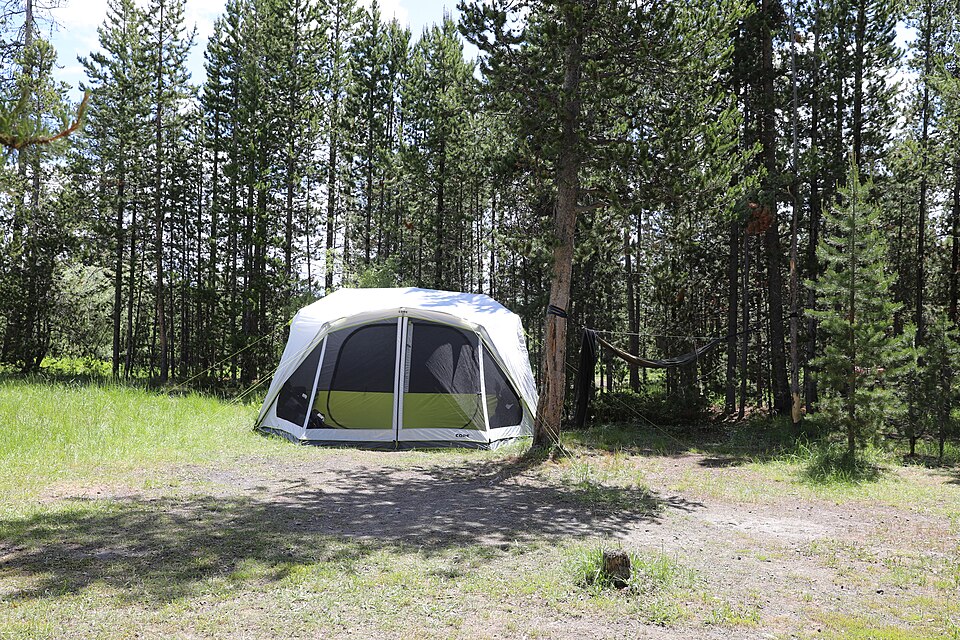
Glamping near Taos is distinct from the traditional hotel stay or rugged backcountry camping. Most sites are located on the outskirts of town, often on the vast mesa near the Rio Grande Gorge or tucked into the foothills of the Carson National Forest. You can expect amenities like real mattresses, high-quality linens, and often small wood-burning stoves or heaters to combat the chilly desert nights. Some locations offer communal fire pits and outdoor kitchens, fostering a social atmosphere among fellow travelers while still providing private sleeping quarters.
While you have more comforts than a tent, you are still very much in nature. You will hear the coyotes howling at night and feel the wind coming off the mountains. Many glamping sites in the area focus on sustainability, utilizing solar power and composting toilets to minimize their environmental footprint. It is the ideal choice for travelers who want to spend their days hiking or rafting and their evenings stargazing by a campfire without the hassle of setting up a tent or sleeping on the hard ground.
Prime Glamping Areas: The Mesa and the Forest
There are two primary environments for glamping in the Taos area. The first is the mesa, located west of town toward the Rio Grande Gorge. This area is characterized by wide-open spaces, sagebrush-covered plains, and unobstructed 360-degree views. Glamping here feels like being on the edge of the world, with incredible sunsets and some of the best stargazing in the country. The proximity to the Rio Grande Gorge Bridge and the Earthship community makes this a convenient and visually stunning location for those who love the desert aesthetic.
Alternatively, you can find glamping options in the more forested areas toward the Taos Ski Valley or near the town of Arroyo Seco. These sites offer more shade and a cooler climate, surrounded by pine and juniper trees. Being closer to the mountains means quicker access to high-altitude hiking trails and mountain biking paths. Whether you prefer the dramatic exposure of the mesa or the sheltered feeling of the forest, both areas provide a unique way to experience the diverse ecology of Northern New Mexico.
Seasons and Weather Considerations
Because glamping structures like canvas tents or vintage trailers have less insulation than traditional buildings, timing your trip is important. The prime glamping season in Taos runs from late May through September. During these months, daytime temperatures are warm and pleasant, and while nights are cool, they are usually manageable with the bedding provided. The monsoon season in July and August can bring dramatic thunderstorms, which are thrilling to watch from the safety of a sturdy glamping tent but require you to be prepared for sudden rain.
Late fall and early spring glamping is possible but requires a bit more preparation. Nighttime temperatures can drop well below freezing even in May or October. Many glampers find these 'shoulder' seasons to be the most peaceful, but you should check if your specific site provides heating elements. Winter glamping is rare in the area unless you are staying in a fully insulated yurt or a refurbished sheep wagon with a dedicated heat source. Always check the weather forecast and communicate with your host about what kind of cold-weather gear you might need to bring along.
Glamping vs. Traditional Camping and RVs
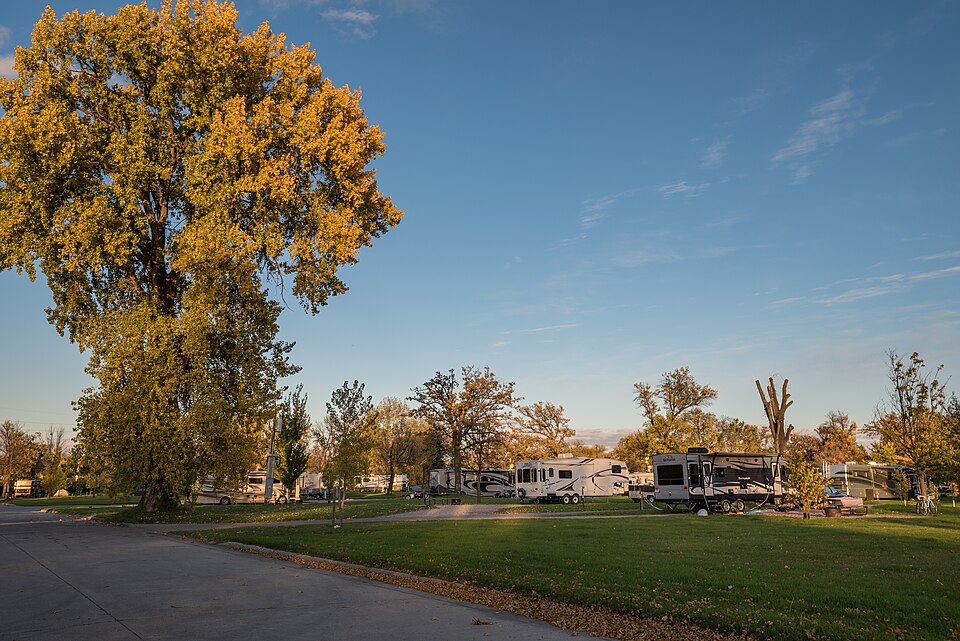
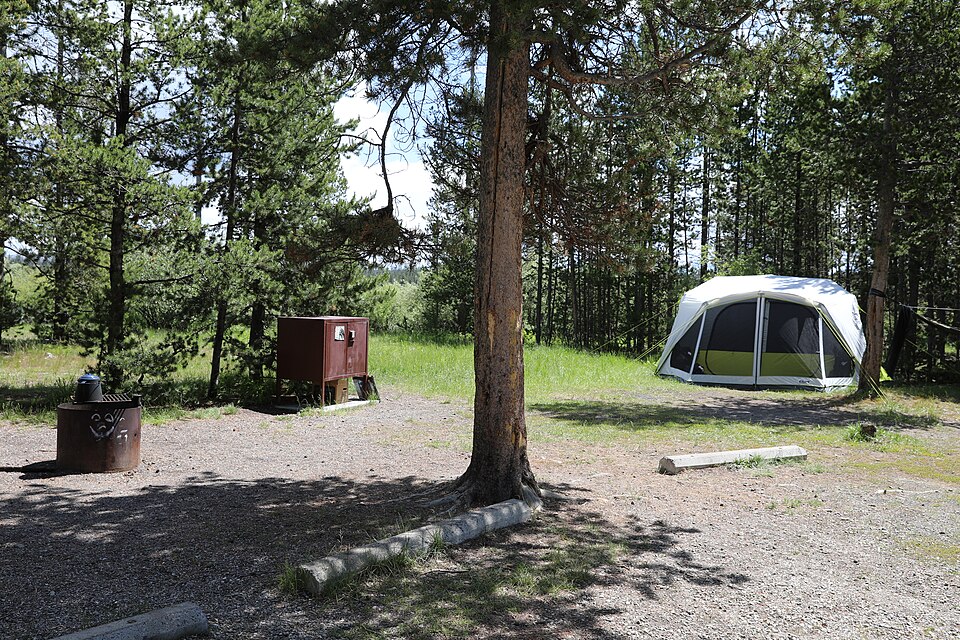
Choosing between glamping, traditional camping, and RVing in Taos depends on your desired level of autonomy and comfort. Traditional camping in the Carson National Forest is abundant and affordable, offering a raw connection to the land, but it requires you to bring all your own gear and manage your own setup. For those who enjoy the process of 'roughing it' and want to stay in more remote locations, traditional camping is still a fantastic option. RVing is also popular, with several parks near town providing full hookups, though these lack the aesthetic charm and 'outdoor-in' feel of a glamping site.
Glamping removes the logistical burden of campingâno need to pack a stove, tent, or sleeping pad. It is particularly suited for visitors who are flying into Albuquerque and don't want to check bulky camping gear. It also offers a more 'Instagrammable' and curated experience that many find romantic or rejuvenating. While more expensive than a standard campsite, the cost is often comparable to a mid-range hotel but with a much more memorable and site-specific atmosphere. It is about paying for the experience of the landscape as much as the bed itself.
Planning and Booking Your Stay
Glamping has become incredibly popular in Northern New Mexico, so it is vital to book your stay well in advance, especially for holiday weekends or during the peak fall foliage season. When searching for a site, look for locations in the 'Enchanted Circle' or near 'Arroyo Hondo' to ensure you are within a reasonable driving distance of Taos's main attractions. Each site will have different rules regarding pets, children, and cooking, so read the descriptions carefully to ensure the setup meets your needs.
Before you arrive, check the official forest service or local government websites for any fire bans that might be in effect; these are common in the dry summer months and may affect your ability to use a fire pit. Also, keep in mind that water is a precious resource in the high desert, so glamping sites often encourage conservation. By choosing glamping, you are supporting a style of tourism that often emphasizes land stewardship and a slower, more respectful engagement with the environment. Bring a good headlamp, a warm hat for the evenings, and an open mind for the sounds of the desert night.