
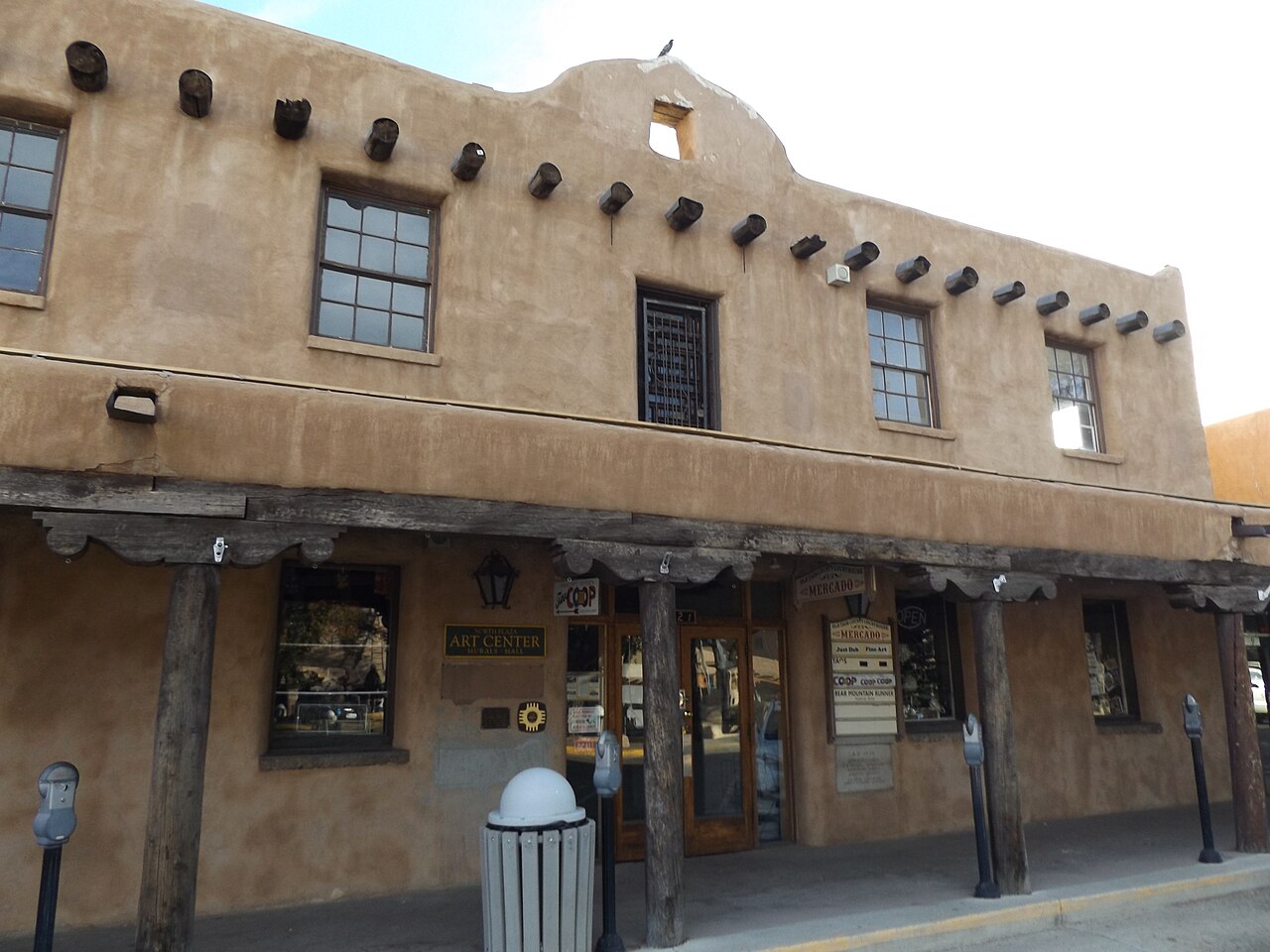
Perched at high altitude against the Sangre de Cristo Mountains, Taos experiences a climate that is distinct from the low deserts of New Mexico. Determining the best time to visit Taos depends entirely on whether you prefer the crisp powder of a legendary ski season or the golden hues of high-altitude autumn hiking. With nearly three hundred days of sunshine each year, the light here is world-renowned, drawing photographers and artists in every season to witness the shifting shadows across the adobe walls.
Spring Rejuvenation and High Altitude Weather
Spring in Northern New Mexico is a season of dramatic transitions. In March and April, the Taos Ski Valley often sees its heaviest snowfall, providing excellent late-season skiing conditions while the town below begins to thaw. However, late spring can be unpredictable, often characterized by high winds and the 'mud season' as snowmelt trickles down from the peaks. By May, the wildflowers begin to bloom in the lower mesas, and daytime temperatures become comfortable for hiking, though the highest mountain trails may remain snow-packed until June.
Visitors during this period should prepare for a wide range of temperatures. A sunny afternoon can quickly turn into a chilly evening once the sun dips below the horizon. If you are planning a spring trip, focus on the lower-elevation trails near the Rio Grande Gorge where the ground dries out faster than the alpine forests. This is a quieter time for the town, offering a more relaxed atmosphere before the summer crowds arrive.
Summer Adventures and Monsoons
Summer is a peak season for outdoor enthusiasts seeking refuge from the heat of the southern plains. While the rest of New Mexico might swelter, the high-altitude air in Taos remains pleasantly warm during the day and refreshingly cool at night. July and August are the primary months for the Southwest monsoon, which typically brings brief but intense afternoon thunderstorms. These rains are vital for the lush greenery of the Carson National Forest and provide a dramatic backdrop of towering clouds and lightning over the mesa.
This is the premier time for high-country hiking, mountain biking, and whitewater rafting on the Rio Grande. Because this is a popular time for families and art festival attendees, it is wise to secure your lodging reservations several months in advance. The town is vibrant with outdoor markets and live music, making it the most socially active time of the year. Always carry a waterproof shell for those sudden afternoon showers that are a hallmark of the high desert summer.
Fall Colors and Peak Hiking Conditions
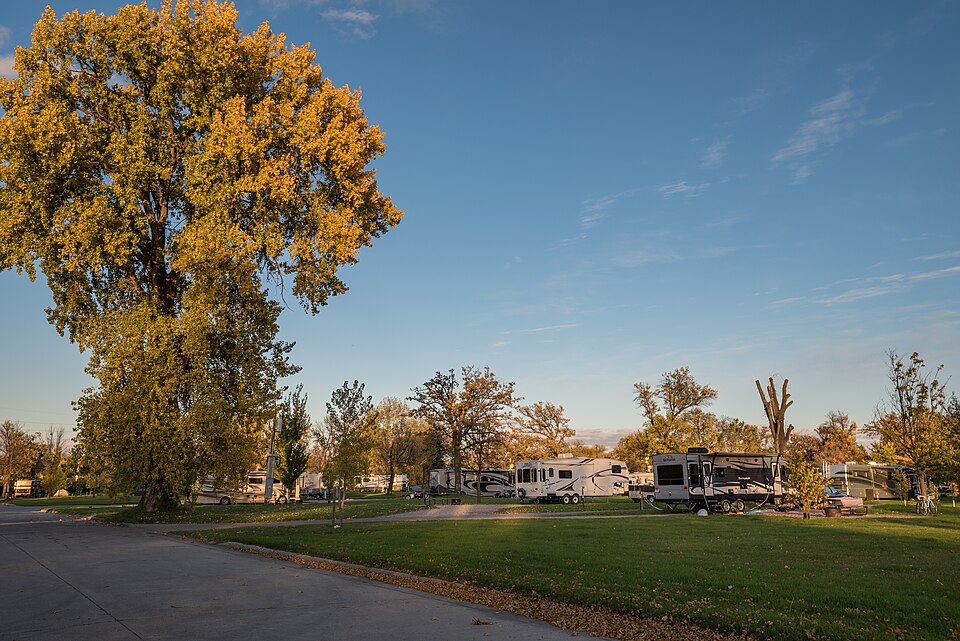
Many locals consider autumn to be the absolute best time to visit Taos. From late September through mid-October, the mountainside undergoes a spectacular transformation as the aspen groves turn a brilliant gold. The air becomes crisp and clear, providing the best visibility for photographers looking to capture the vast landscapes of the Enchanted Circle. The weather is generally stable, with fewer storms than the summer months, making it ideal for long-distance trekking and summiting Wheeler Peak.
Crowds tend to thin out compared to the height of July, though the 'leaf-peeper' weekends can still be busy. The cooler temperatures are also perfect for soaking in local hot springs. If you plan to drive the Enchanted Circle Scenic Byway to view the foliage, be prepared for heavier traffic on weekends. This is also the time when many harvest festivals occur, celebrating the local agricultural heritage. Ensure you have warm layers, as nighttime temperatures frequently drop near freezing by October.
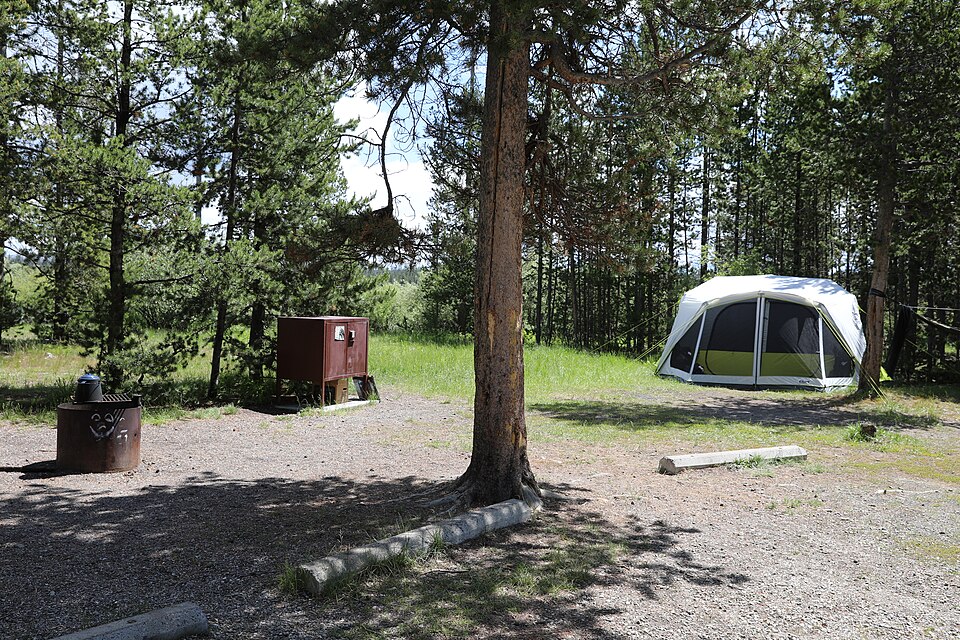
Lock in a stay for this season
Harvest Hosts stays on the way to Taos
Partner link · Harvest Hosts
Winter Sports and Holiday Magic
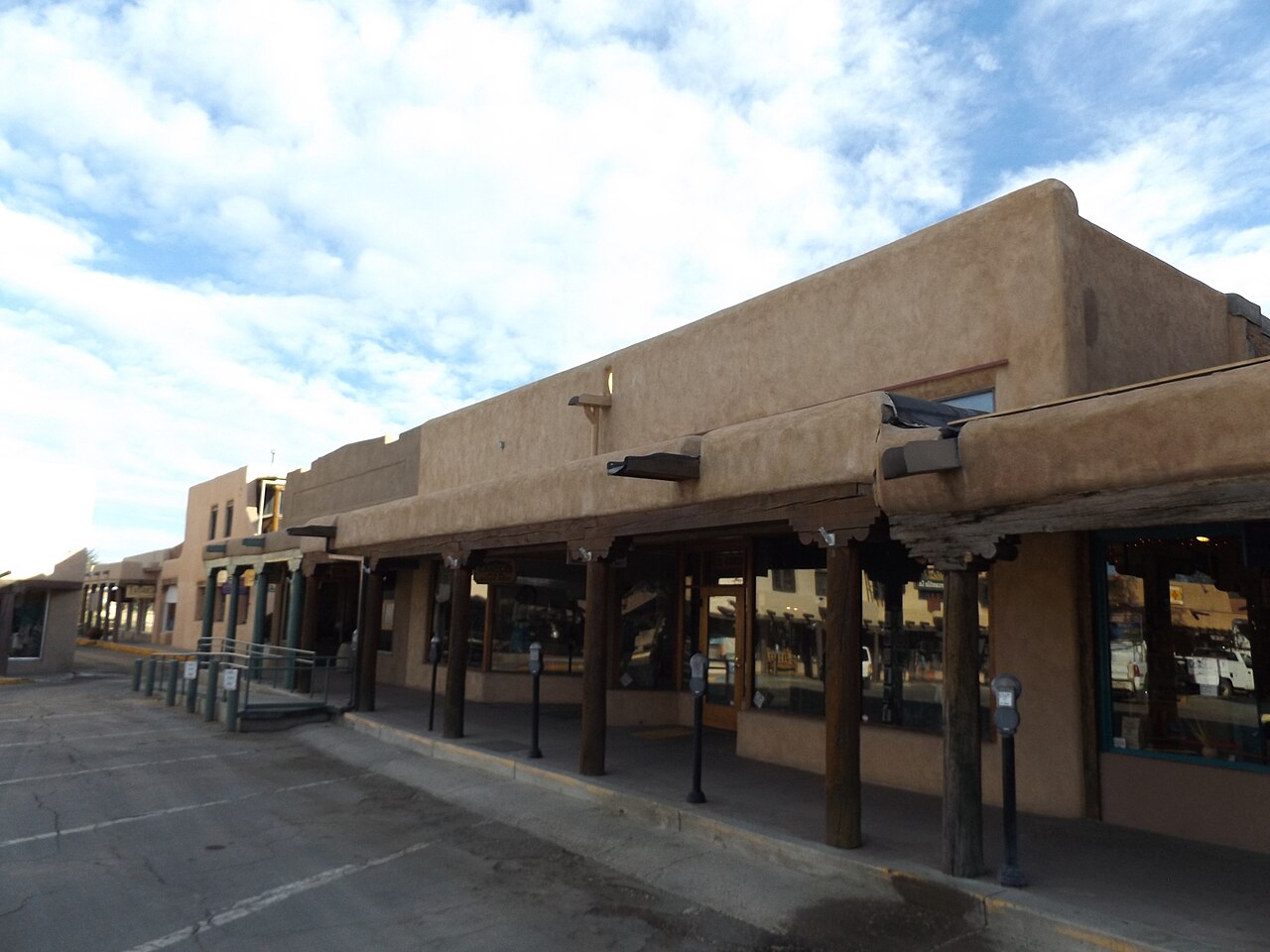
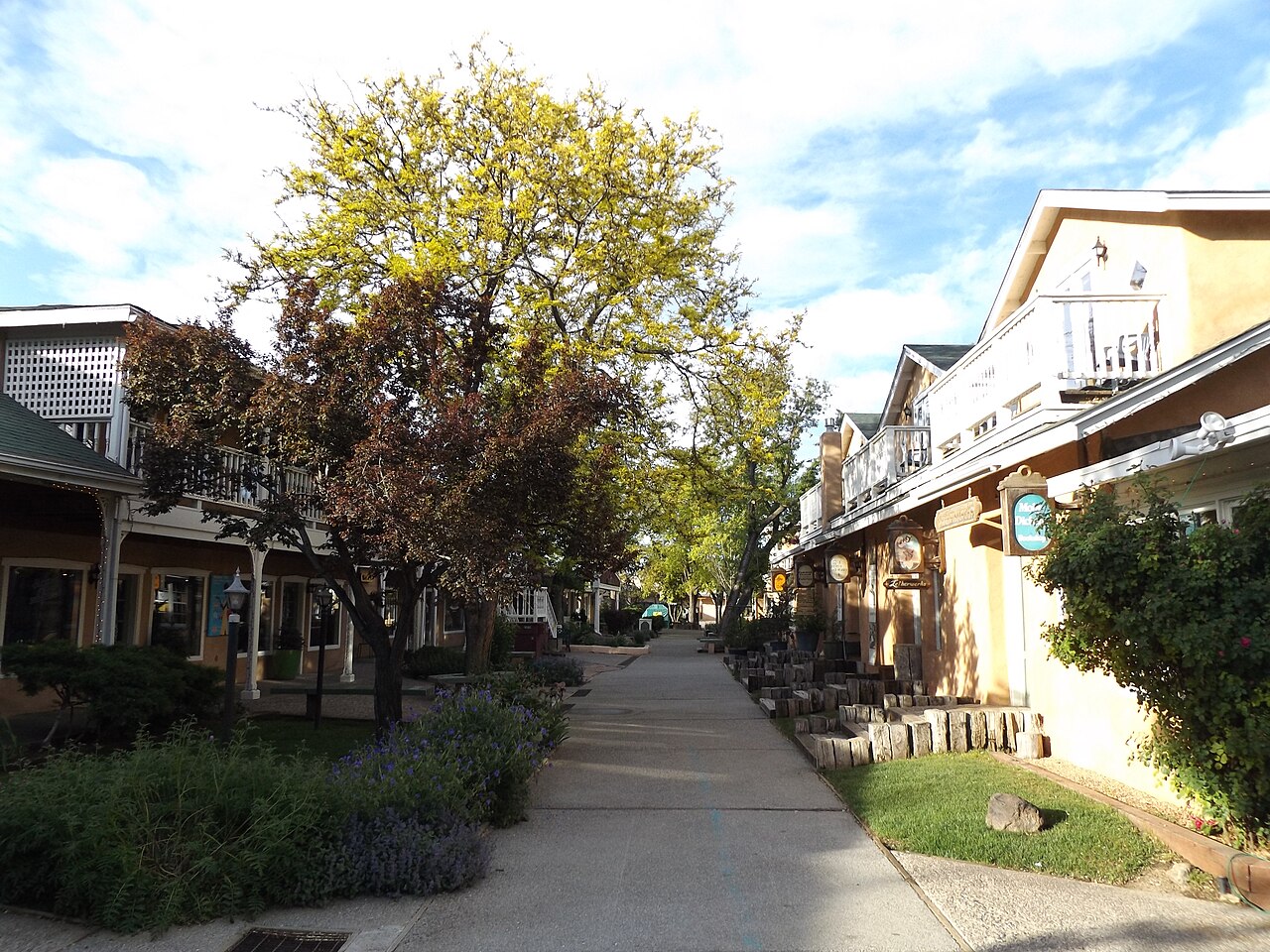
Winter transforms Taos into a world-class destination for skiers and snowboarders. The Taos Ski Valley is famous for its steep, challenging terrain and deep powder, usually reaching its peak from January through early March. The town itself takes on a cozy, magical atmosphere with the scent of piñon woodsmoke filling the air and traditional farolitos lining the walkways during the holiday season. The high altitude ensures that snow stays on the ground, creating a picturesque winter wonderland against the red adobe architecture.
Because this is a premier ski destination, winter is a high-demand season. Reservations for mountain lodging and shuttle services should be made well in advance, particularly around the December holidays and spring break weeks in March. Driving can be challenging during this time; four-wheel drive or snow tires are highly recommended for navigating the winding canyon road up to the ski valley. Even if you aren't a skier, the winter months offer peaceful opportunities for snowshoeing in the quiet woods of the Sangre de Cristos.
Managing Crowds and Making Reservations
Taos maintains a small-town feel, but its popularity means that timing is everything when it comes to avoiding crowds. The busiest periods are the weeks surrounding Christmas and New Year's, the Fourth of July, and the peak of the autumn colors in early October. During these times, popular hiking trailheads can fill up by mid-morning, and the historic district may experience significant traffic. If you prefer a solitary experience, consider visiting during the 'shoulder' months of November or April, when the town is quietest.
Regardless of when you visit, checking the official National Park Service or Carson National Forest websites is essential for current trail closures, fire restrictions, or permit requirements. Many of the local cultural sites and guided outdoor excursions have limited capacity, so booking your activities at least a few weeks out is a smart strategy. By planning around the major holidays and festival weekends, you can enjoy the profound stillness and natural beauty that has made this region a sanctuary for centuries.
More ways to book Taos
 Illustrative · Doug Kerr
Taos Ski Valley
One of the classic ways to experience Taos.
Varies (estimate)
Partner link · Viator