
The Tahoe National Forest is a vast expanse of public land that offers a diverse range of activities for every type of outdoor enthusiast. Whether you are seeking the adrenaline of a steep mountain climb or the tranquility of a fishing pier at sunrise, this region provides an incredible backdrop of soaring peaks and crystalline waters. The forest serves as a vital playground where the rugged history of the Gold Rush meets the modern pursuit of wilderness adventure, providing endless opportunities to explore the natural wonders of the Sierra Nevada.
Hiking the Granite Ridges
Hiking is undoubtedly one of the most popular activities in the forest, with hundreds of miles of trails ranging from easy interpretive loops to grueling climbs. The crown jewel of the area's hiking trails is often considered to be the trek to the Sierra Buttes Lookout. This challenging hike rewards adventurers with 360-degree views of the surrounding lakes and peaks from a historic fire lookout perched atop jagged rocks.
For those seeking a more meditative experience, the Pacific Crest Trail meanders through the forest, offering long-distance vistas and a chance to walk among ancient hemlocks and firs. If you prefer shaded canyons, the trails following the North and Middle Forks of the American River provide a cooler alternative during the heat of the day. No matter your skill level, always carry a map and plenty of water, as the high-altitude sun can be intense even on cooler days. Remember to check local trail reports for any seasonal maintenance or downed trees.
Water Activities and Alpine Lakes
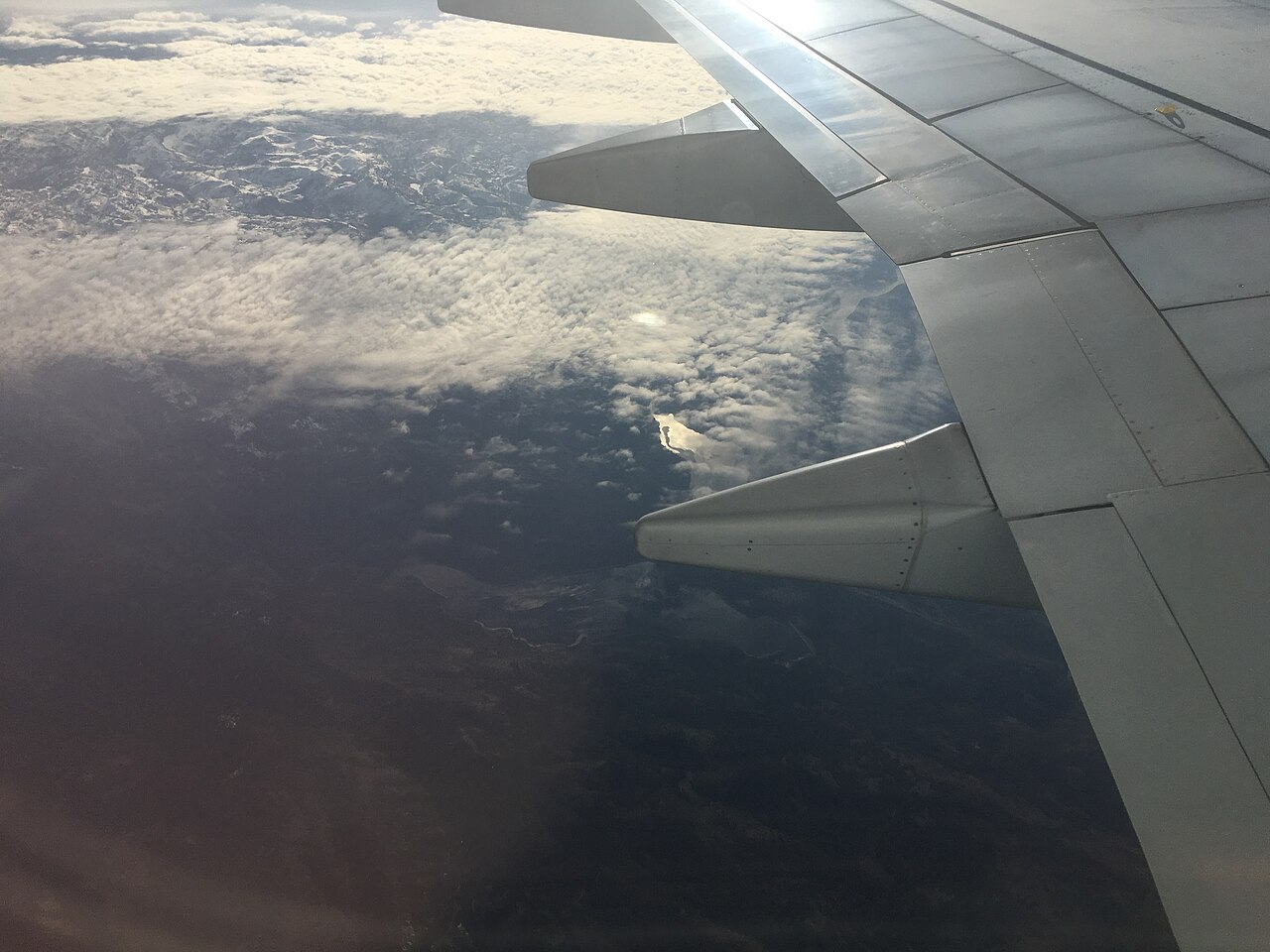
Water is the lifeblood of the Tahoe National Forest, with countless lakes and rivers offering relief from the summer sun. Donner Lake, located on the eastern edge of the forest, is a hub for boating, kayaking, and paddleboarding, surrounded by dramatic cliffs. Meanwhile, the more remote Lakes Basin Recreation Area provides a series of smaller, quieter glacial lakes that are perfect for a day of fishing or a refreshing swim after a morning hike.
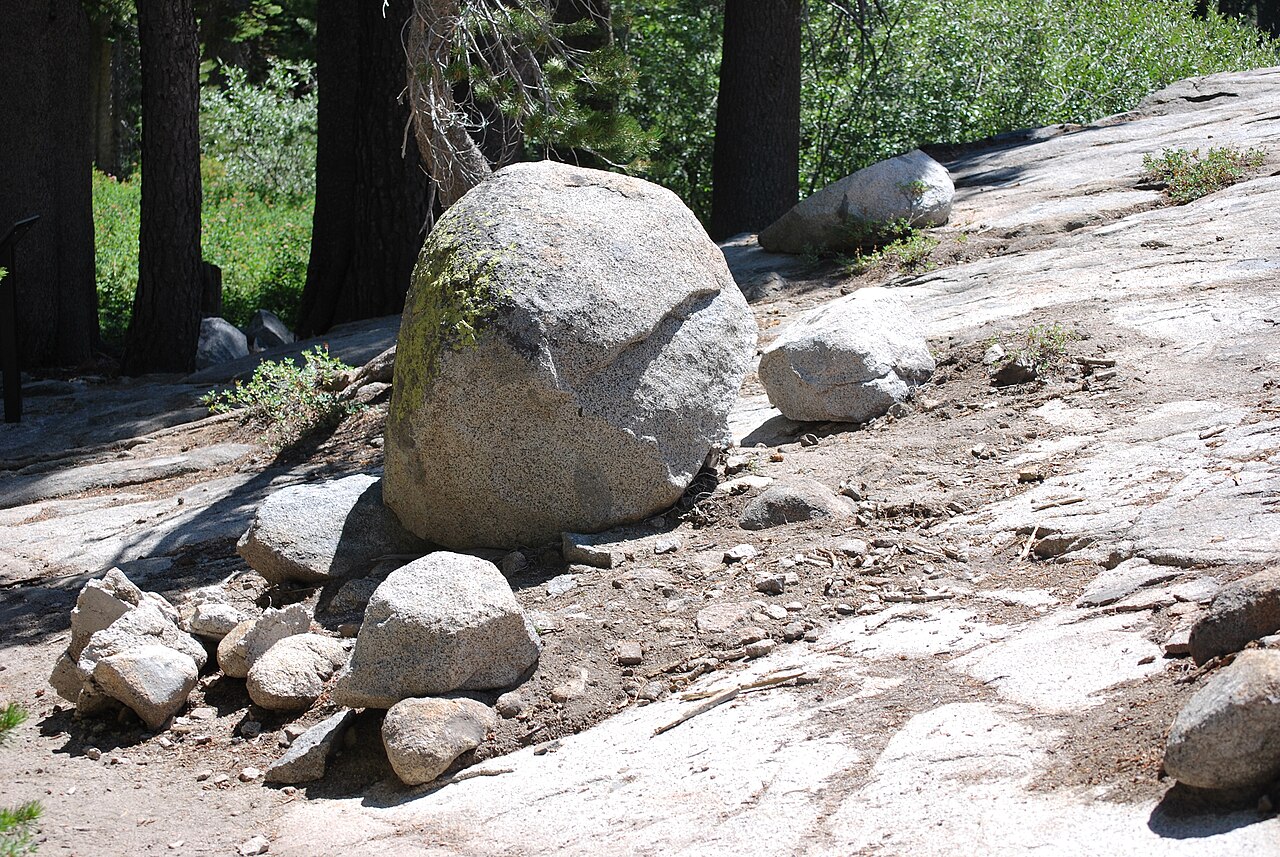
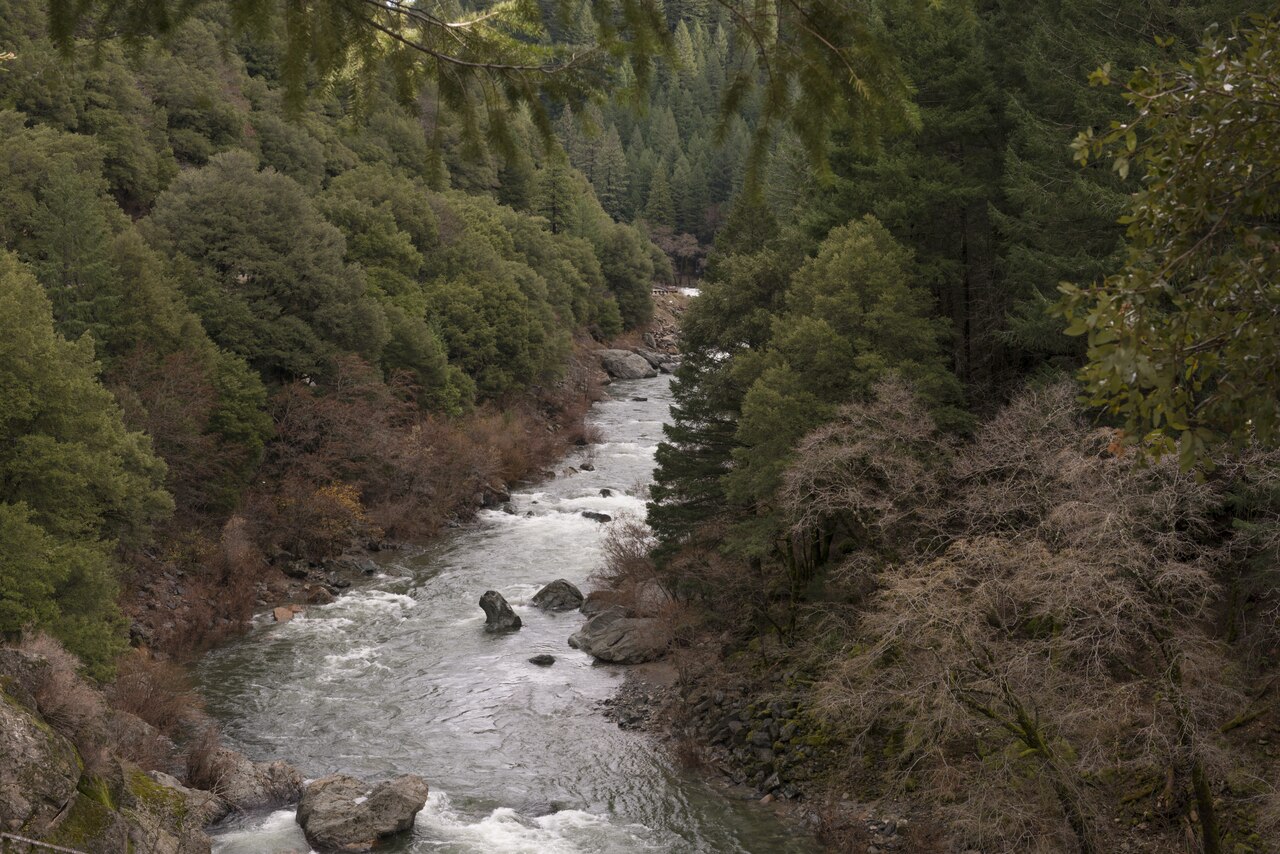
The rivers in the forest are equally compelling, with the Yuba River being a favorite for its smooth granite boulders and emerald-green swimming holes. Many visitors enjoy the scenic beauty of the river banks for picnicking and light wading. Anglers will find plenty of opportunities to cast a line for trout in the cold, clear streams that crisscross the forest. Whether you are looking for a developed boat ramp or a secluded shoreline reachable only by foot, the forest's water features are central to the high-mountain experience.
Scenic Drives and Historic Sites
If you prefer to see the sights from the comfort of your vehicle, the forest is home to several spectacular scenic byways. Highway 49, the Golden Chain Highway, winds through the western portion of the forest, passing through historic mining towns that feel frozen in time. The drive along Highway 89 provides stunning views of the Truckee River and leads travelers toward the high-elevation passes that define the Sierra landscape.
Along these routes, you will encounter numerous historical markers detailing the arduous journey of early pioneers and the intense labor of the transcontinental railroad. One must-visit spot is the Donner Summit area, where you can view the historic railroad snowsheds and ancient petroglyphs carved into the granite. These drives offer a perfect way to experience the scale of the forest and see the transition from oak woodlands to subalpine forests. Many overlooks provide paved parking and interpretive signs, making them accessible spots for families to stretch their regained legs and take in the panoramic vistas.
Family-Friendly Adventures
Tahoe National Forest is an excellent place for children to learn about nature and the environment. Many of the developed campgrounds offer easy access to gentle nature trails where kids can look for signs of local wildlife, such as mule deer, marmots, and a variety of mountain birds. The visitor centers in the area often provide educational materials and junior ranger programs that help engage younger minds with the history and ecology of the region.
Picnicking at places like Boca Reservoir or Prosser Creek Reservoir is a popular family activity, offering plenty of space for kids to play near the water's edge. For a unique experience, families can visit the various historic bridges or take a short walk to see the remaining foundations of old logging camps. These activities provide a manageable way for families to enjoy the great outdoors without the need for specialized gear or extreme physical exertion. It is always a good idea to pack extra snacks and layers, as kids often get more hungry and cold in the thin mountain air.
Rainy Day and Low-Visibility Options
Even in the beautiful Sierra, the weather can occasionally take a turn. When clouds settle low over the peaks or rain begins to fall, the gateway towns of Nevada City and Truckee provide a wonderful refuge. These towns are filled with charm, featuring local history museums, art galleries, and cozy cafes that capture the spirit of the mountains. You can spend an afternoon learning about the local geology and the impacts of the Gold Rush era in a warm, dry environment.
Another option for a misty day is to take a slow drive through the lower elevation forests, where the fog hanging between the giant trunks of the sugar pines creates a mysterious and beautiful atmosphere. Visiting the local libraries or browsing the independent bookstores in the gateway communities is a great way to wait out a storm while still supporting the local culture. Once the clouds break, the forest often looks even more vibrant, with the damp earth releasing that classic, fresh pine scent that defines the Northern California wilderness.