
For those who want to experience the raw beauty of the Northern Sierra without the thin sleeping pads and campfire smoke in their clothes, Tahoe National Forest glamping offers the perfect middle ground. Imagine waking up to the scent of ponderosa pines while nestled in a plush bed, with the sounds of a nearby creek providing a natural soundtrack to your morning. This style of travel allows you to immerse yourself in the wilderness during the day while retreating to a comfortable, stylish sanctuary as the mountain air turns cold at night.
What Glamping Looks Like Here
In the Tahoe National Forest region, glamping takes many forms, from heavy canvas safari tents on raised wooden platforms to beautifully restored vintage trailers tucked away in private groves. Unlike traditional camping, these accommodations often feature real furniture, high-quality linens, and sometimes even small wood-burning stoves to keep the space cozy during the crisp Sierra nights. Many sites focus on a 'back to nature' aesthetic, using sustainable materials and solar power to provide a luxury experience that still feels connected to the environment.
Most glamping setups in this area emphasize the outdoor living space as much as the interior. You can expect private decks with comfortable seating, high-end fire pits for evening relaxation, and perhaps a small outdoor kitchenette. It is an ideal choice for travelers who want the aesthetic and atmosphere of a forest retreat but prefer not to deal with the logistics of hauling heavy gear or setting up a tent in the dark. The goal is to provide a seamless transition from the rugged trails to a restful, elevated home base.
Where to Find Glamping Near the Forest
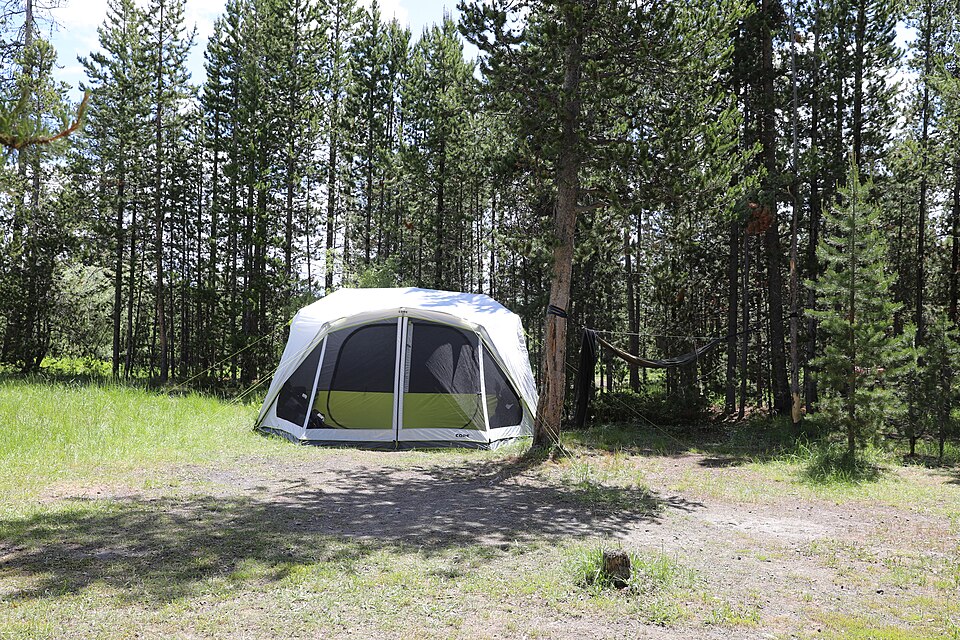
While the National Forest itself primarily offers traditional developed and dispersed camping, the areas immediately surrounding the gateway cities are hotspots for glamping opportunities. The outskirts of Truckee offer high-altitude sites that are perfect for those who want quick access to the big peaks and Donner Lake. Here, the landscape is dominated by granite and towering evergreens, providing a dramatic backdrop for a luxury tent or a small, modern cabin.
On the western side of the forest, near the historic towns of Nevada City and Grass Valley, the glamping vibe is often a bit more bohemian and lush. The lower elevation means warmer nights and a forest floor covered in ferns and wildflowers. You might find unique stays tucked into private forested acreage or near the banks of the Yuba River. These gateway areas provide the perfect balance, allowing you to spend your day deep in the National Forest and your evening enjoying the refined dining and culture of a historic mountain town before heading back to your stylish forest retreat.
Seasonal Considerations for Luxury Stays
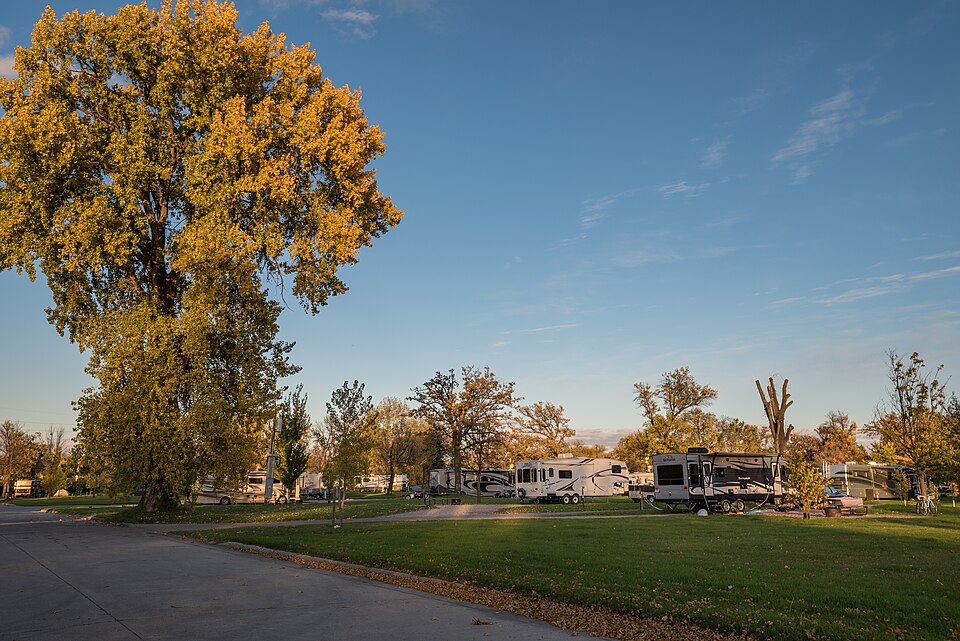
The glamping season in the Tahoe National Forest typically runs from late spring through early autumn, mirroring the most accessible months for the high country. Because most glamping structures are not fully insulated like a traditional house, they are often taken down or closed during the heavy snows of winter. June through September is the peak window, offering warm days that are perfect for lounging on a deck and nights that are cool enough to justify a thick duvet.
If you are glamping in the shoulder seasons, such as May or October, it is important to check with your host about heating options. The Sierra Nevada is famous for its unpredictable weather, and a sudden cold front can bring freezing temperatures even in the late spring. Booking early for the summer months is highly recommended, as the limited number of high-quality glamping sites in the region tend to fill up quickly. Always check the official Forest Service site for fire weather watches, as these can affect whether you are allowed to use outdoor fire pits or grills during your stay.
Where to sleep
Harvest Hosts stays on the way to Tahoe National Forest
Partner link · Harvest Hosts
Glamping vs. Camping vs. RVs
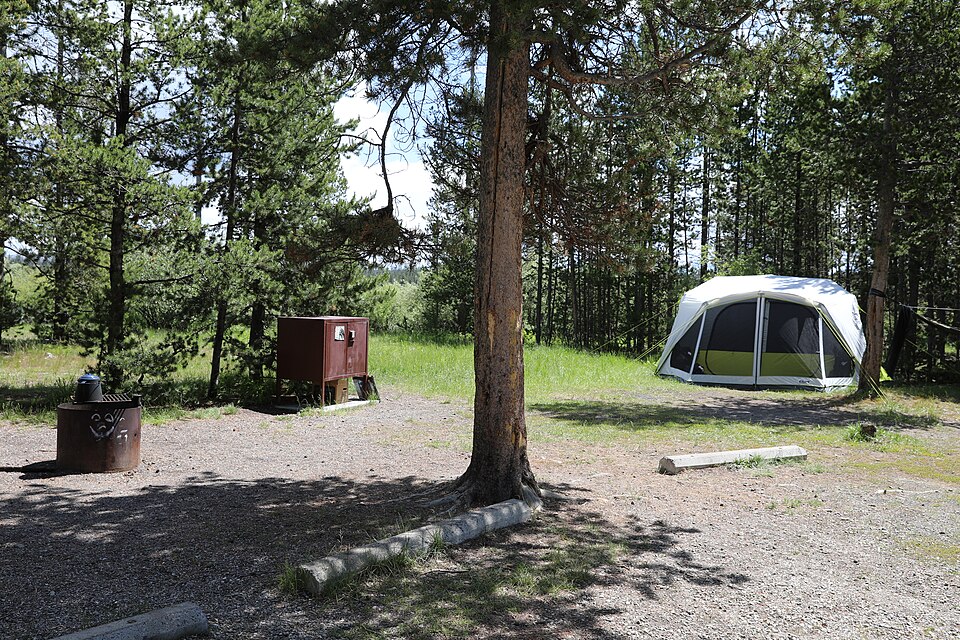
Choosing between glamping, traditional camping, and RVing in Tahoe National Forest depends largely on your desired level of autonomy and comfort. Traditional camping offers the most flexibility and the lowest cost, allowing you to stay in deep-forest sites that are inaccessible to larger vehicles. It is the best choice for those who truly want to 'rough it' and don't mind a little dirt. RVing is a popular middle ground, offering a mobile home with its own kitchen and bathroom, which is great for families who want to move between different parts of the forest over a week.
Glamping, however, provides a curated experience that neither of the others can match. It eliminates the need to own and maintain expensive equipment or navigate a large vehicle down narrow mountain roads. It is especially popular for romantic getaways, solo retreats, or for those who simply have a limited amount of time and want to maximize their relaxation. While an RV provides a familiar indoor environment, glamping keeps you closer to the elementsâyou still hear the wind in the trees and the owls at nightâbut with the added bonus of a world-class mattress and a beautiful interior.
Preparing for Your Glamping Adventure
Even though you aren't packing a tent, you still need to prepare for a wilderness environment. The sun at high altitudes is powerful, and the insects can be active near the forest's many lakes and streams. Pack high-quality sun protection, a reliable bug repellent, and a good flashlight or headlamp for walking between your glamping unit and any communal areas. Even if your site provides water, it is always a good idea to have a reusable bottle for your daily excursions into the Tahoe National Forest.
Respecting the 'Leave No Trace' principles is just as important for glampers as it is for backpackers. Be mindful of food storage, as the Tahoe region is active bear country; always follow the specific storage instructions provided by your host to keep both yourself and the local wildlife safe. Finally, while your glamping site might feel like a private oasis, remember that you are a guest in a vast and sensitive ecosystem. By staying on marked trails and respecting local regulations, you help ensure that the beauty of the Northern Sierra remains preserved for the next generation of adventurers.