
Tahoe National Forest is a year-round destination, but the high-altitude landscape of the Northern Sierra Nevada means the seasons dictate your entire experience. Choosing the best time to visit Tahoe National Forest depends on whether you are hunting for blooming wildflowers, warm lake swims, or crisp autumn mornings under a canopy of changing leaves. While the peak summer months offer the most accessibility to high-mountain trails, the shoulder seasons provide a quieter sense of solitude for those willing to pack an extra layer for the chilly mountain nights.
Summer Peaks and Alpine Lakes
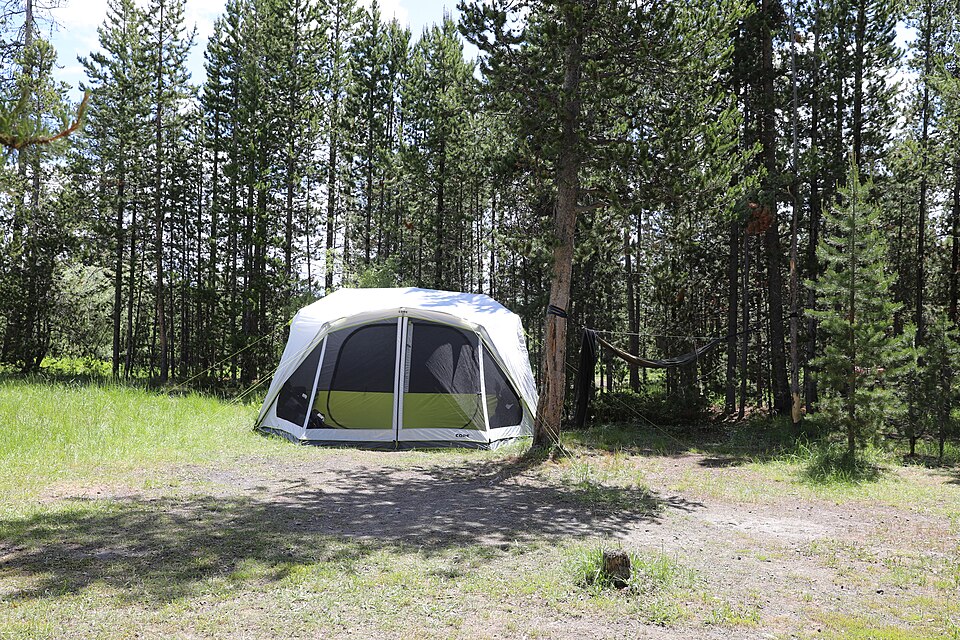
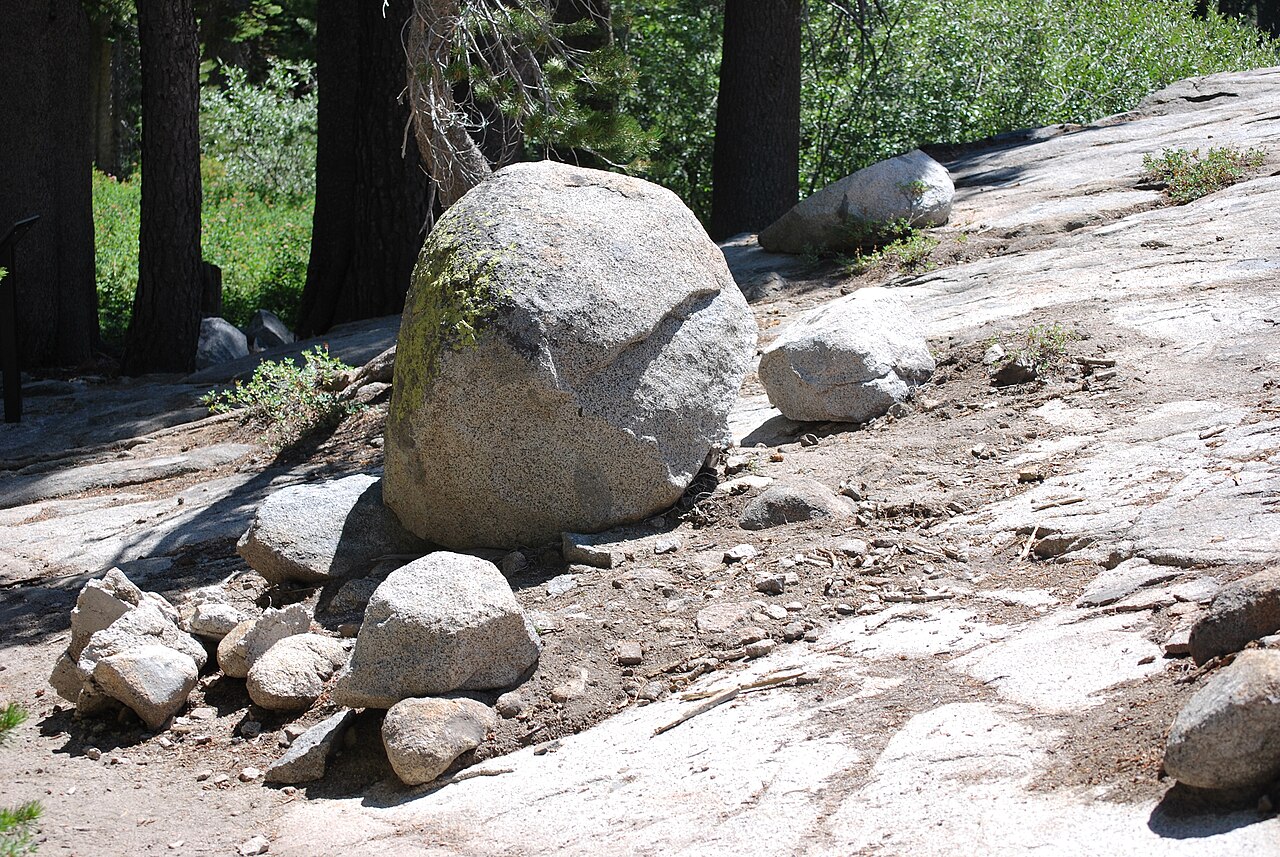
The window from late June through August is widely considered the prime season for outdoor enthusiasts. This is when the snowpack finally retreats from the higher elevations, revealing the granite peaks and lush meadows that make this region famous. Daytime temperatures are typically warm and pleasant, perfect for taking a dip in the chilly waters of the alpine lakes or embarking on long day hikes along the Pacific Crest Trail.
During this time, the forest is at its most vibrant, but it is also the busiest period for the region. Most campgrounds and popular trailheads see significant traffic, particularly around holiday weekends. If you plan to visit during the summer, it is essential to monitor the official Forest Service site for fire restrictions, as the dry California heat often leads to strict regulations regarding campfires and stoves to protect the ancient evergreen stands.
Lock in a stay for this season
RV parks near Tahoe National Forest on RoverPass
Partner link · RoverPass
Autumn Colors and Crisp Air
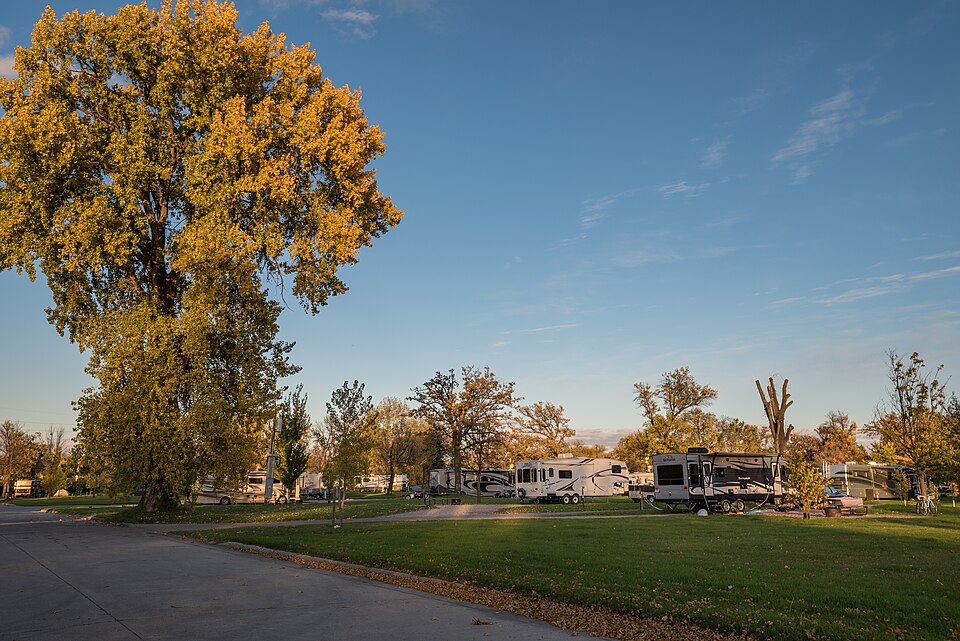
As September arrives, the crowds begin to thin, and the forest transitions into a quieter, golden phase. Fall is an exceptional time for photography and hiking, as the heat of the summer dissipates into cool, refreshing afternoons. You will find that the stands of aspen and willow near the creeks begin to turn brilliant shades of yellow and orange, contrasting sharply against the deep green of the pines and the gray granite backdrops.
While the days are still bright, the nights in the Sierra Nevada can drop toward freezing unexpectedly. This season is ideal for those who enjoy rigorous mountain biking or hiking without the intensity of the mid-summer sun. Many visitors find that the late-season atmosphere offers a more intimate connection with the landscape, though you should keep an eye on weather forecasts, as the first dusting of snow can arrive on the high ridges as early as October.
Lock in a stay for this season
Campsites near Tahoe National Forest on Campspot
Partner link · Campspot
Winter Snow and High-Altitude Access
Winter transforms Tahoe National Forest into a snow-covered wonderland, attracting those who love backcountry skiing, snowshoeing, and snowmobiling. The landscape becomes significantly more challenging to navigate, as many forest roads close for the season once the deep snow accumulates. This period typically lasts from December through March, and it requires specialized gear and a high level of preparedness for cold-weather conditions.
While the major highways like Interstate 80 remain open, smaller access points into the heart of the forest may require four-wheel drive and snow chains. The serenity of the forest under a thick blanket of snow is unmatched, offering a profound sense of isolation and beauty. Travelers should always check for avalanche conditions and road closures before heading out. If you prefer cozy evenings by a fireplace, the nearby gateway towns of Truckee and Nevada City offer a perfect home base for exploring the snowy fringes of the woods.
Lock in a stay for this season
Harvest Hosts stays on the way to Tahoe National Forest
Partner link · Harvest Hosts
Spring Runoff and Wildflower Blooms
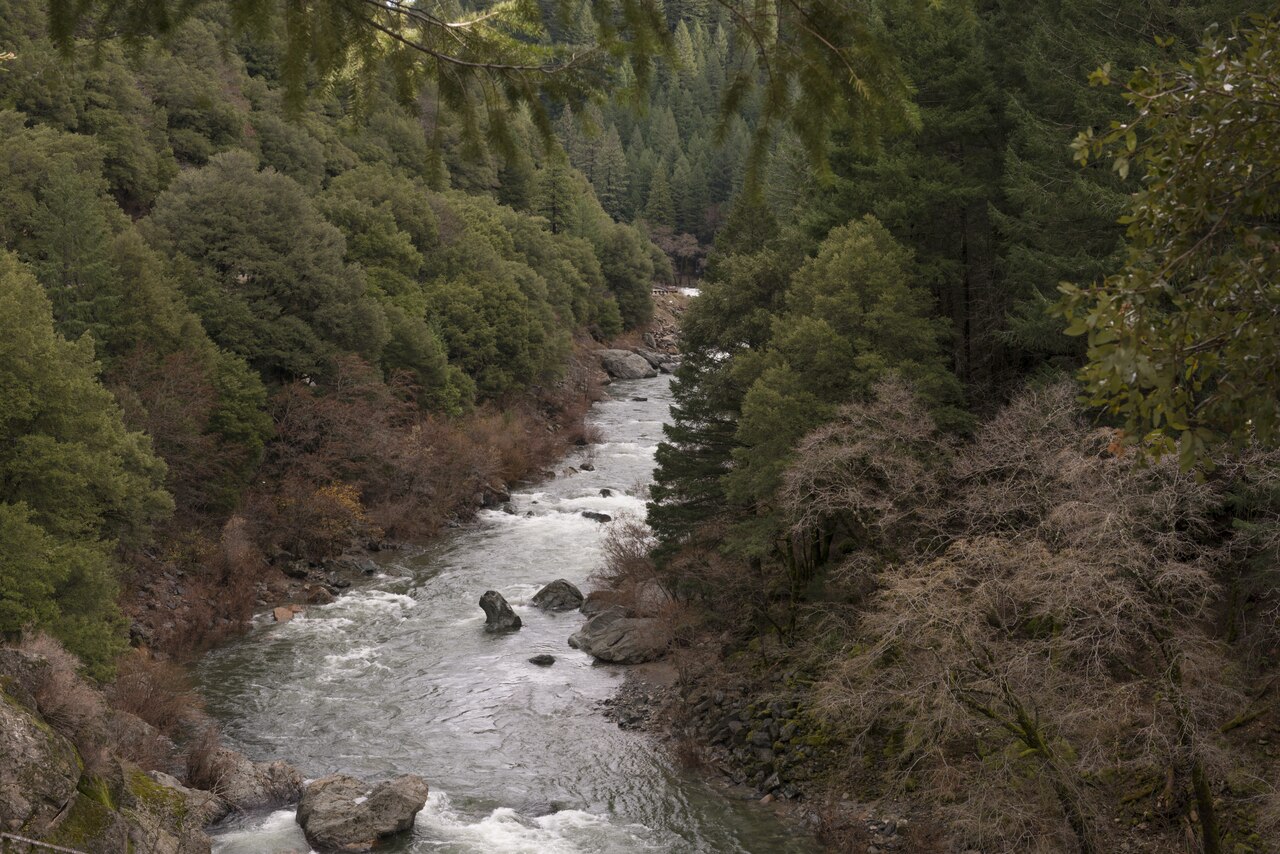
Spring in the Northern Sierra is a season of dramatic change and transition. In the lower elevations near Grass Valley and Nevada City, flowers begin to bloom as early as April, but the high country often remains locked in snow well into May. This is the season of rushing water; as the snow melts, the creeks and waterfalls within the forest reach their peak flow, creating spectacular sights for those exploring the lower-elevation canyons.
Hiking during the spring can be a mixed experience, as trails often fluctuate between dry patches, deep mud, and lingering snowbanks. It is a fantastic time for birdwatching and seeing the forest wake up, but it requires patience and flexible plans. Most high-altitude campgrounds do not open until the ground has thawed and dried out, so late spring travelers should focus their attention on the western foothills of the forest where the weather is milder and the trails are more likely to be clear of winter debris.
Reservation Timing and Crowd Management
Because this forest is so popular with residents of Northern California and Nevada, timing your reservations is critical for a smooth trip. For the peak summer months, popular developed campsites often fill up months in advance. It is highly recommended to use official booking platforms as soon as windows open to secure your preferred spot, especially if you are looking for lakeside locations or sites capable of accommodating larger RVs.
To avoid the heaviest crowds, consider visiting mid-week or exploring the less-traveled northern sections of the forest away from the main Tahoe basin. The forest is vast, and many hidden gems exist if you are willing to drive a bit further from the main highways. Always check the official NPS or Forest Service websites for current conditions, as seasonal closures can change based on the previous winter's snow volume. A little bit of advance planning ensures you get to experience the forest's grandeur without the stress of full parking lots.
More ways to book Tahoe National Forest
 Illustrative · Carol M. Highsmith
Bowman Lake Kayaking
One of the classic ways to experience Tahoe National Forest.
Varies (estimate)
Partner link · Viator