
Snoqualmie Pass is a premier destination for those seeking high-altitude adventure without a long journey from the city. Nestled in the heart of the Cascade Range, this area offers a diverse menu of activities that cater to adrenaline seekers and families alike. Whether you are sliding down a snowy slope, trekking along the Pacific Crest Trail, or exploring hidden waterfalls, the pass provides a rugged yet accessible outdoor experience throughout the year.
Winter Sports and Snow Adventures
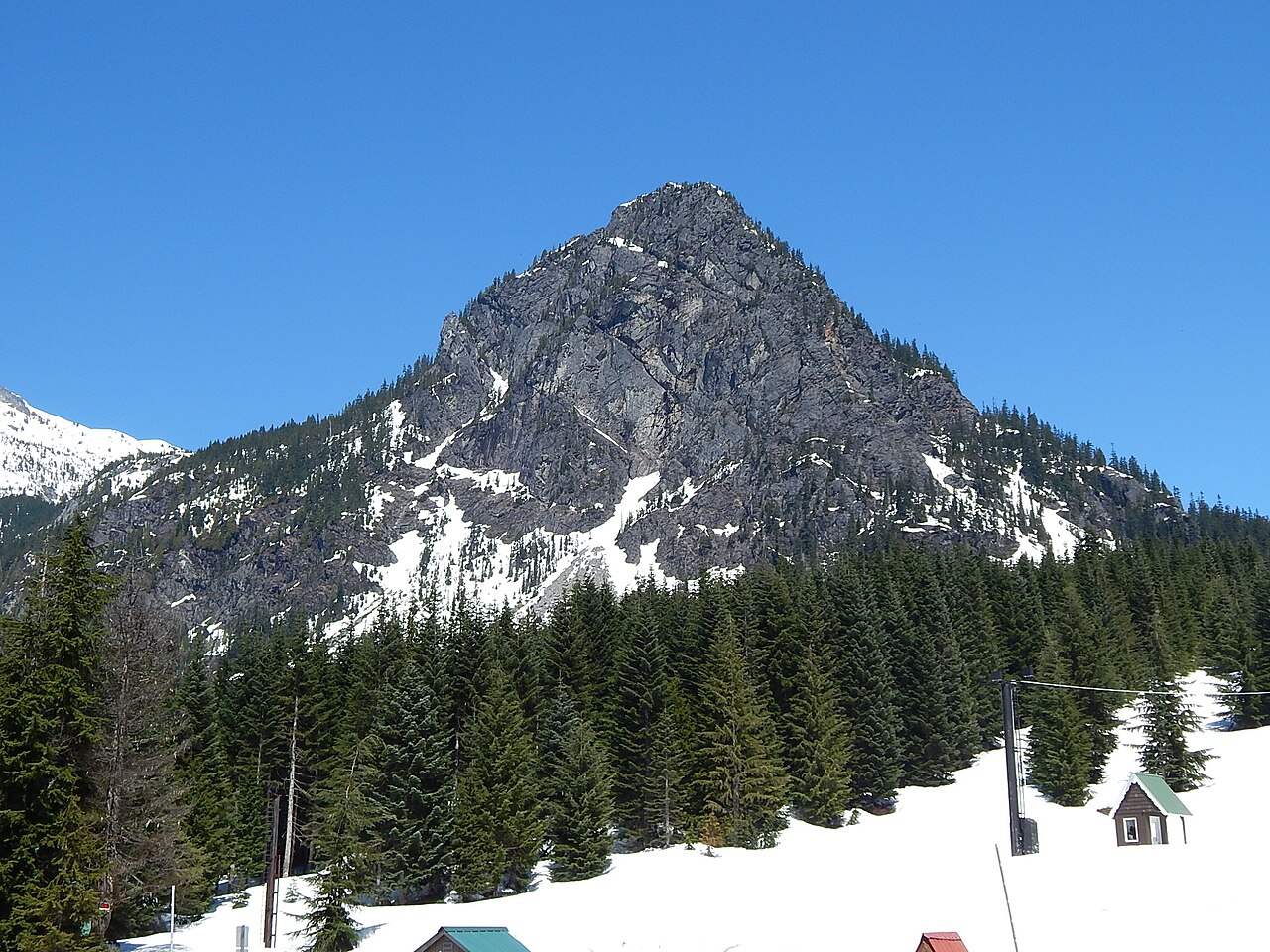
The primary draw in winter is the vast network of ski runs and Nordic trails. The area features four distinct base areas, each offering a different personality, from steep technical terrain to gentle learning slopes. For those who prefer a slower pace, snowshoeing is one of the most popular things to do in Snoqualmie Pass. Trails like the one leading to Gold Creek Pond offer a flat, beginner-friendly loop with breathtaking views of the surrounding peaks reflected in the icy water.
For a unique thrill, visit the dedicated tubing park, where multiple lanes and a surface lift make for a fun afternoon for children and adults. If you are looking to escape the crowds, the Hyak area provides excellent groomed trails for cross-country skiing, winding through quiet evergreen forests. Always ensure you have the appropriate Sno-Park permit displayed on your vehicle, as enforcement is strict during the winter months to fund the plowing and maintenance of these recreational access points.
Alpine Hiking and the Pacific Crest Trail
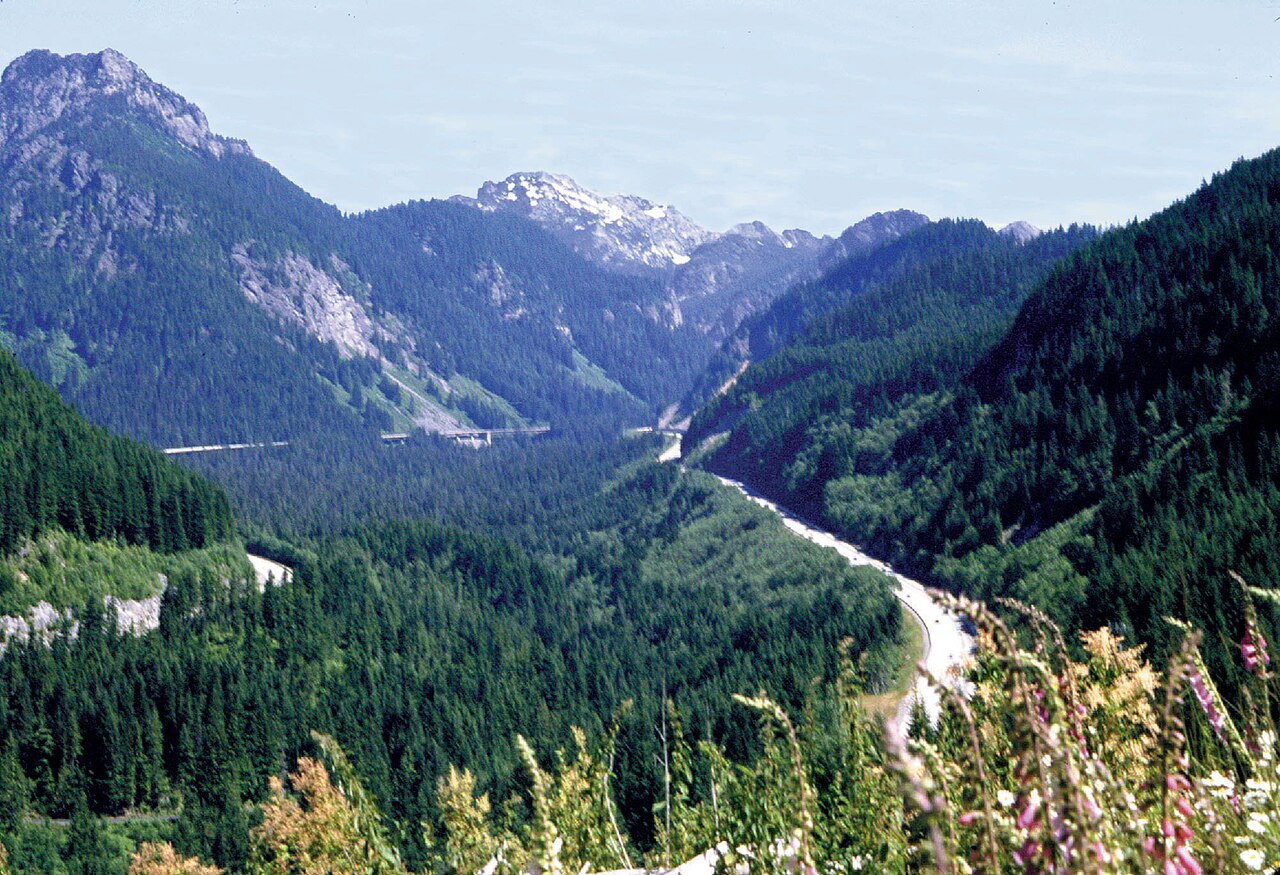
When the snow melts, a world-class hiking destination is revealed. The Pacific Crest Trail (PCT) crosses directly through the pass, allowing hikers to walk a section of this famous Mexico-to-Canada route. A favorite local hike is the trek to Kendall Katwalk, where the trail is blasted into a sheer rock face, offering dizzying views of the alpine wilderness. For something less strenuous, the Franklin Falls trail is a family favorite, leading you to a powerful 70-foot waterfall that feels like a hidden rainforest oasis.
Advanced hikers often head toward Snow Lake, the most visited alpine lake in the region. The trail climbs through rocky switchbacks to reveal a deep blue basin surrounded by granite cliffs. Because these trails are so popular, it is vital to practice Leave No Trace principles to protect the fragile alpine vegetation. Early morning starts are highly recommended to find parking and to enjoy the stillness of the mountains before the midday heat and crowds arrive.
Lakeside Recreation and Water Activities
Just a short drive east of the summit lies Lake Keechelus and the nearby Kachess Lake, which offer fantastic opportunities for summer water recreation. While Lake Keechelus is primarily seen from the highway, Kachess Lake is a hidden gem for swimming, kayaking, and paddleboarding. The water is crisp and refreshing, even in the height of August. The shoreline features several day-use areas perfect for a family barbecue with a mountain backdrop.
Fishing is also a popular pastime in the high-altitude streams and lakes surrounding the pass. Anglers can find trout in the clearer mountain waters, though it is important to check the current Washington Department of Fish and Wildlife regulations for specific seasons and catch limits. For a more relaxed experience, Gold Creek Pond provides an accessible, paved path around a serene body of water, making it one of the few places in the Cascades where those with limited mobility or strollers can easily enjoy a high-alpine environment.
Family-Friendly Fun and Discovery
Snoqualmie Pass is an excellent classroom for young explorers. The Denny Creek trail is a highlight for families, featuring 'nature's water slides' where the creek flows over smooth slabs of rock, creating shallow pools perfect for splashing on a hot day. The interpretive signs along many of the lower trails provide insight into the geological forces that shaped the Cascades and the history of the wagon roads that once crossed these mountains.
During the winter, many of the lodges offer beginner lessons for children, fostering a new generation of skiers and riders. If the weather turns sour, the local visitor centers often have displays about the local flora and fauna, including the mountain goats and pikas that inhabit the rocky slopes. Even a simple drive through the pass can be an educational experience, observing how the vegetation changes from the towering Douglas firs of the west to the Ponderosa pines of the east as you cross the rain shadow.
Rainy Day Options and Local Atmosphere
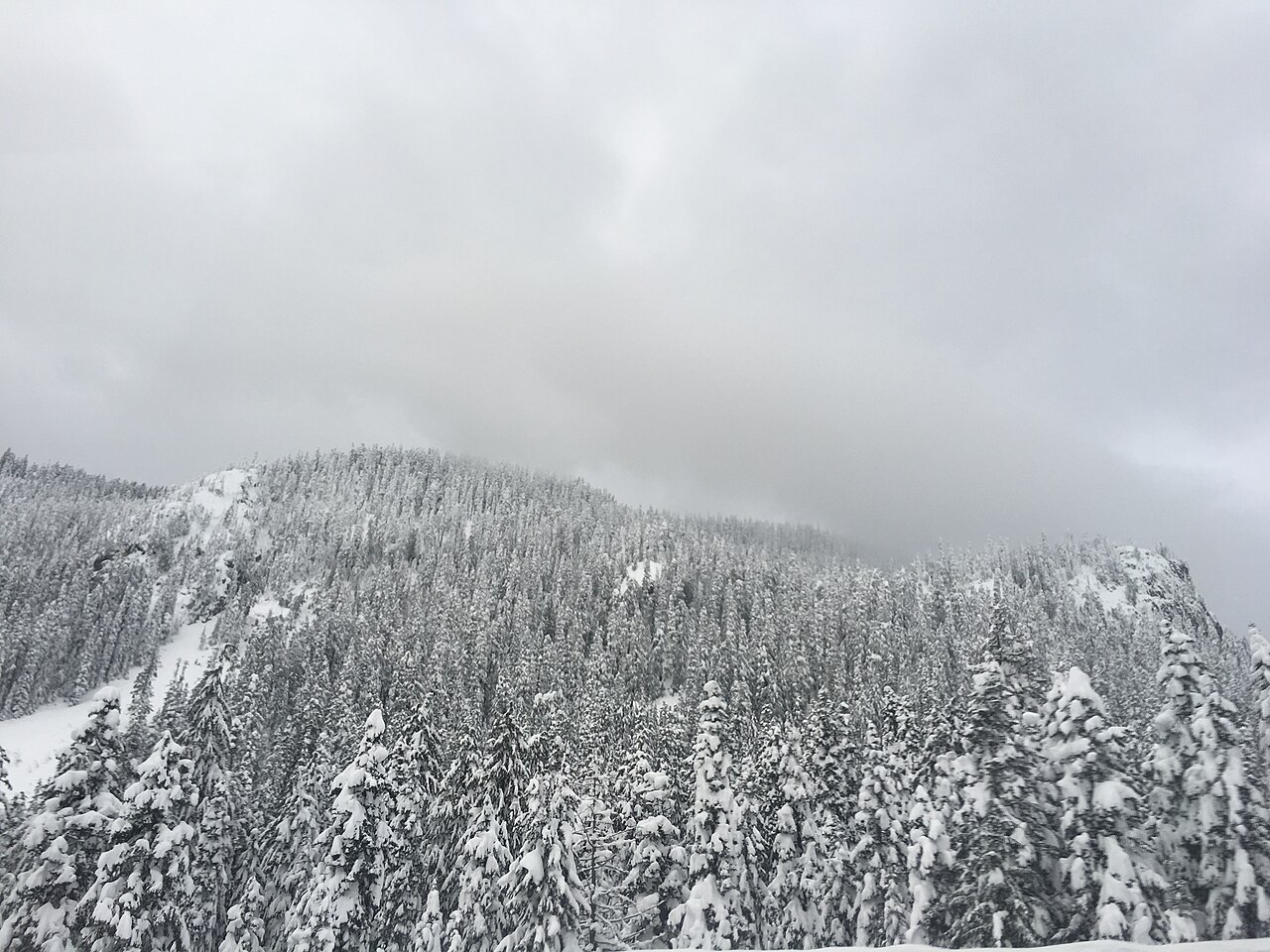
Mountain weather is fickle, and rain is a common visitor to the pass. On misty days, the area takes on a moody, ethereal quality. This is the perfect time to visit the nearby town of North Bend to explore the local shops or enjoy a hot meal at one of the mountain-themed eateries. The historic lodges at the pass offer a cozy place to warm up by a fireplace after a damp hike or a morning on the slopes.
For a scenic indoor activity, a drive down to the Snoqualmie Falls Forest Theater or the Northwest Railway Museum in nearby Snoqualmie provides a cultural break from outdoor pursuits. You can learn about the timber industry and the railroads that were vital to the development of the pass. Checking the official NPS and Forest Service websites before you head out is always wise, as they provide updates on road conditions or trail closures that might affect your rainy-day plans.