
For those who want to experience the raw beauty of the Washington Cascades without the discomfort of sleeping on the hard ground, Snoqualmie Pass glamping offers an ideal compromise. This growing travel trend combines the immersive feeling of a night under the stars with the amenities of a boutique hotel. From elevated wall tents tucked into the cedar forests to cozy, modernized cabins near the gateway cities, the area provides a unique way to connect with nature while maintaining a touch of luxury.
The Glamping Experience in the Cascades
Glamping in the Snoqualmie region typically involves stays in semi-permanent structures designed to withstand the Pacific Northwest's varied weather. Unlike traditional camping, where you carry your own gear and sleep in a thin nylon tent, glamping accommodations often feature real mattresses, high-quality linens, and sometimes even small wood-burning stoves for chilly mountain nights. It is an excellent option for couples seeking a romantic getaway or families who want the 'outdoor' experience without the logistical hassle of hauling a full campsite's worth of equipment.
You can expect to wake up to the sound of the wind through the hemlocks and the smell of fresh pine, all while enjoying a hot cup of coffee brewed on a small kitchenette. Many sites are positioned to offer maximum privacy, giving you a sense of solitude that is often missing from crowded public campgrounds. These sites serve as a comfortable 'base camp' for your daily adventures at the pass, allowing you to recover from a long hike in a supportive bed rather than a sleeping bag.
Where to Find Glamping Near the Pass
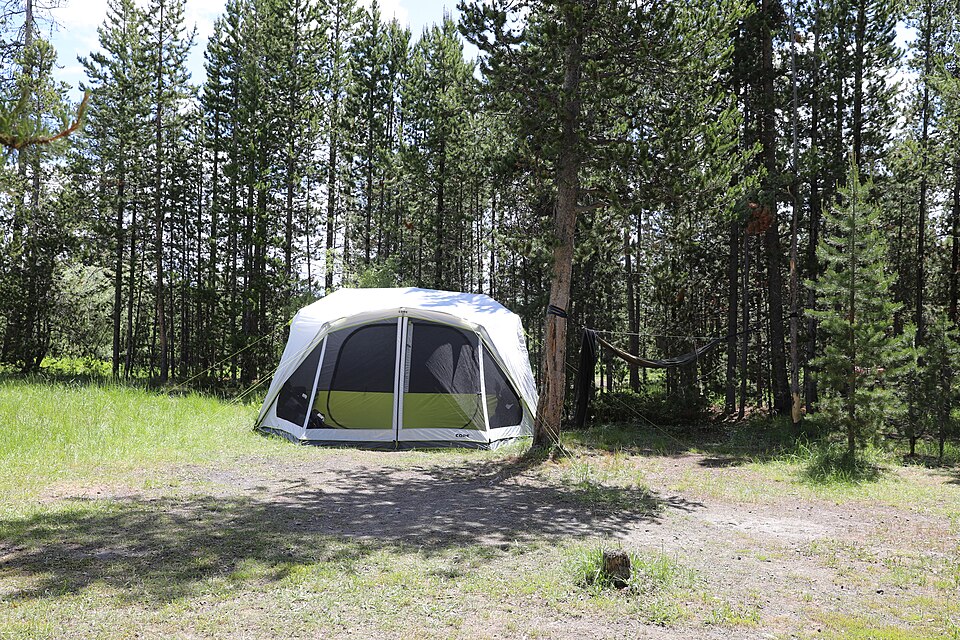
While the immediate summit area of Snoqualmie Pass is dominated by ski lodges and private chalets, the best glamping opportunities are found in the gateway areas. The lush forests surrounding North Bend and the Snoqualmie River valley offer several high-end tent sites and converted A-frame cabins. These locations provide easy access to the mountain while being close enough to town for a nice dinner out. Further east, near Cle Elum and Roslyn, the landscape opens up into sunnier ponderosa pine forests, where you can find luxury yurts and 'tiny home' style accommodations.
These areas offer a different vibe; the western side is characterized by misty, moss-covered greenery, while the eastern side feels more like a mountain ranch. When searching for these spots, look for accommodations that emphasize their connection to the surrounding National Forest land. Many are located on large private parcels that border public wilderness, providing you with your own private trailhead or river access. Always verify the exact location, as some 'pass' accommodations may actually be a 20-30 minute drive from the ski lifts.
Seasonality and Weather Considerations
Glamping near Snoqualmie Pass is primarily a late spring through early autumn activity. While some hard-sided cabins and insulated yurts are available year-round, many canvas wall tents are taken down during the heavy snow months of December through March. The prime window for a glamping trip is July and August, when the night temperatures are mild and the risk of rain is at its lowest. During this time, you can fully utilize outdoor features like fire pits and deck seating.
However, early autumn is perhaps the most magical time for a luxury stay. As the air turns crisp and the huckleberry bushes change color, the warmth of a glamping tent feels even more inviting. If you do choose to glamp in the shoulder seasons (May or October), be prepared for damp weather. The sound of rain on a canvas roof can be incredibly soothing, but you will want to ensure your chosen site provides adequate heating. Always check the forecast and the official park service sites for any weather-related alerts that might affect your stay or access to the mountain.
Glamping vs. Traditional Camping and RVs
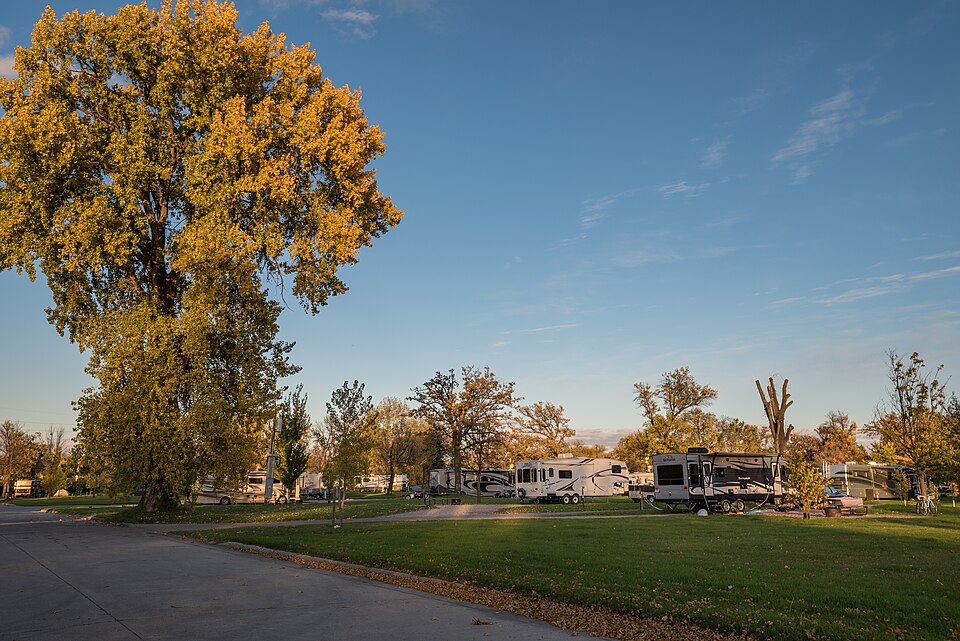
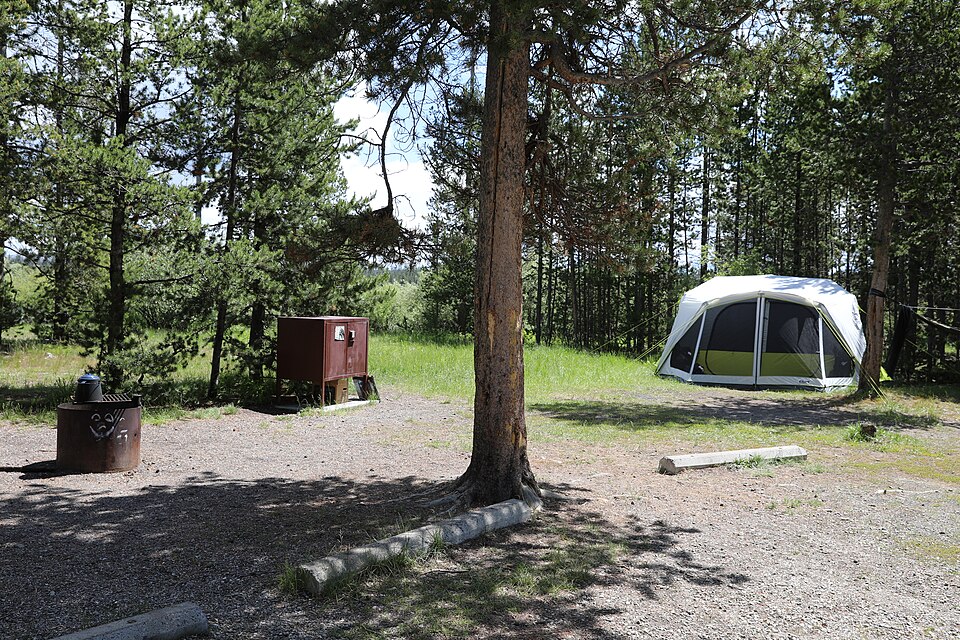
Choosing between glamping, traditional camping, and RVing depends on your desired level of immersion and effort. Traditional camping at spots like Denny Creek offers a rugged, budget-friendly experience but requires significant preparation and gear. RVing is a popular middle ground, providing a mobile home base at sites like Kachess Lake, though navigating large rigs on narrow mountain roads can be stressful for some. Glamping stands out by removing the 'work' of campingâthere are no tents to pitch and no holding tanks to empty.
For those who only have a weekend, glamping maximizes your time in nature because you can arrive and immediately start relaxing. It is also a more sustainable choice for those who do not own camping gear and do not want to purchase items they will rarely use. While the cost is higher than a standard tent siteâaveraging around a daily budget of 180 dollars when factoring in food and local activitiesâthe value lies in the curated experience and the physical comfort provided in a beautiful, natural setting.
Planning Your Luxury Outdoor Stay
Because the number of high-quality glamping sites near Snoqualmie Pass is limited, booking well in advance is essential. Summer weekends often fill up months ahead of time. When selecting a site, pay attention to the amenities listed; some 'primitive' glamping sites may still require you to bring your own water or use a shared bathhouse, while others are fully self-contained. Consider what level of 'roughing it' you are comfortable with before confirming your reservation.
Additionally, consider the proximity to the activities you have planned. If you intend to spend most of your time hiking near the summit, a site near North Bend is ideal. If you want to spend your days on a boat at Lake Cle Elum, look for spots further east. Regardless of where you stay, remember that you are in bear and cougar country. Even in a luxury tent, proper food storage is vital to keep wildlife away from your sleeping area. Following the local guidelines for food safety ensures that your glamping trip remains a peaceful and safe mountain retreat.