
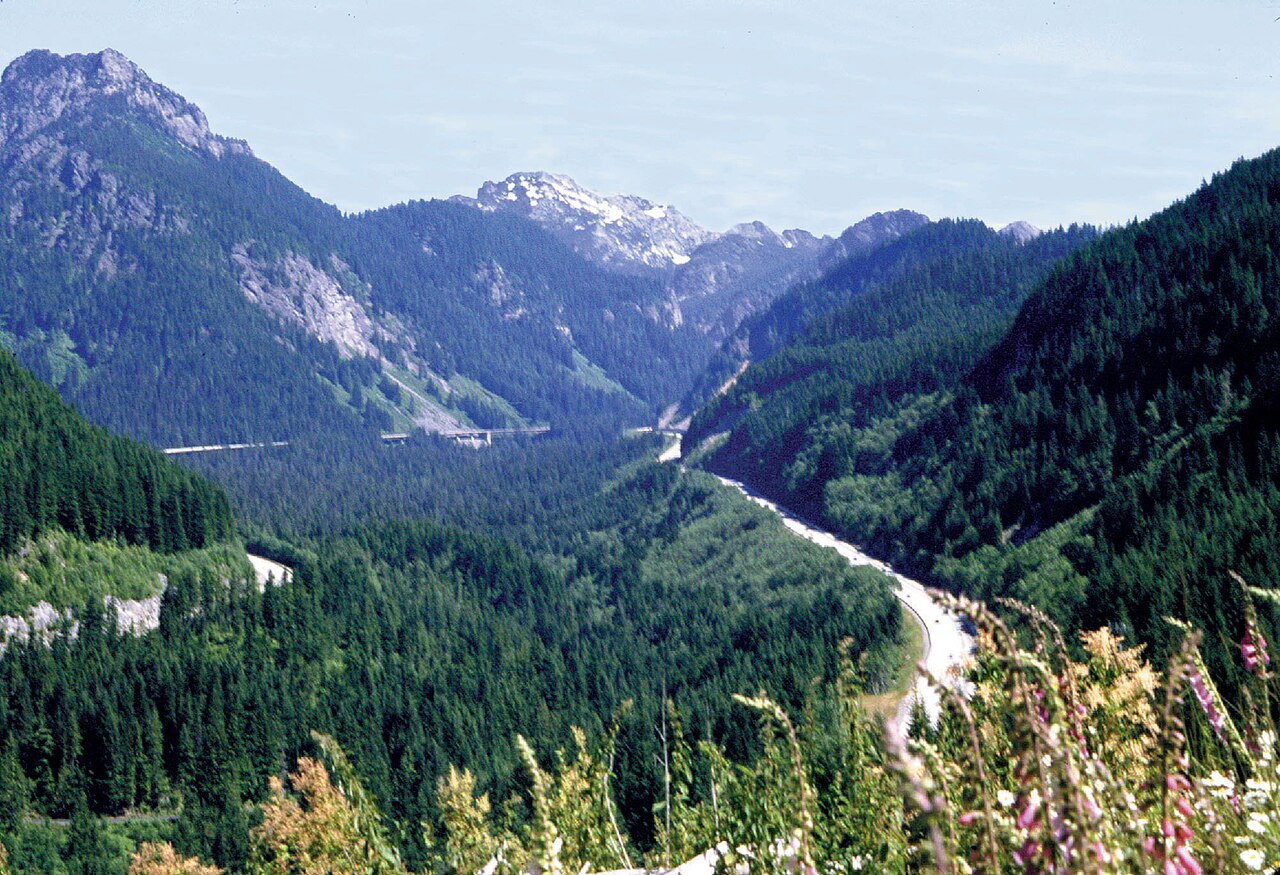
Choosing the best time to visit Snoqualmie Pass depends entirely on your passion for the snow or the sun. This high-mountain corridor serves as a gateway between the lush Puget Sound lowlands and the arid Eastern Washington landscape, offering two distinct peak seasons. Whether you are chasing deep powder in January or wildflower meadows in August, timing your trip requires an understanding of the unpredictable Cascade weather patterns and the logistical needs of a popular mountain pass.
Winter Wonderland: December through March
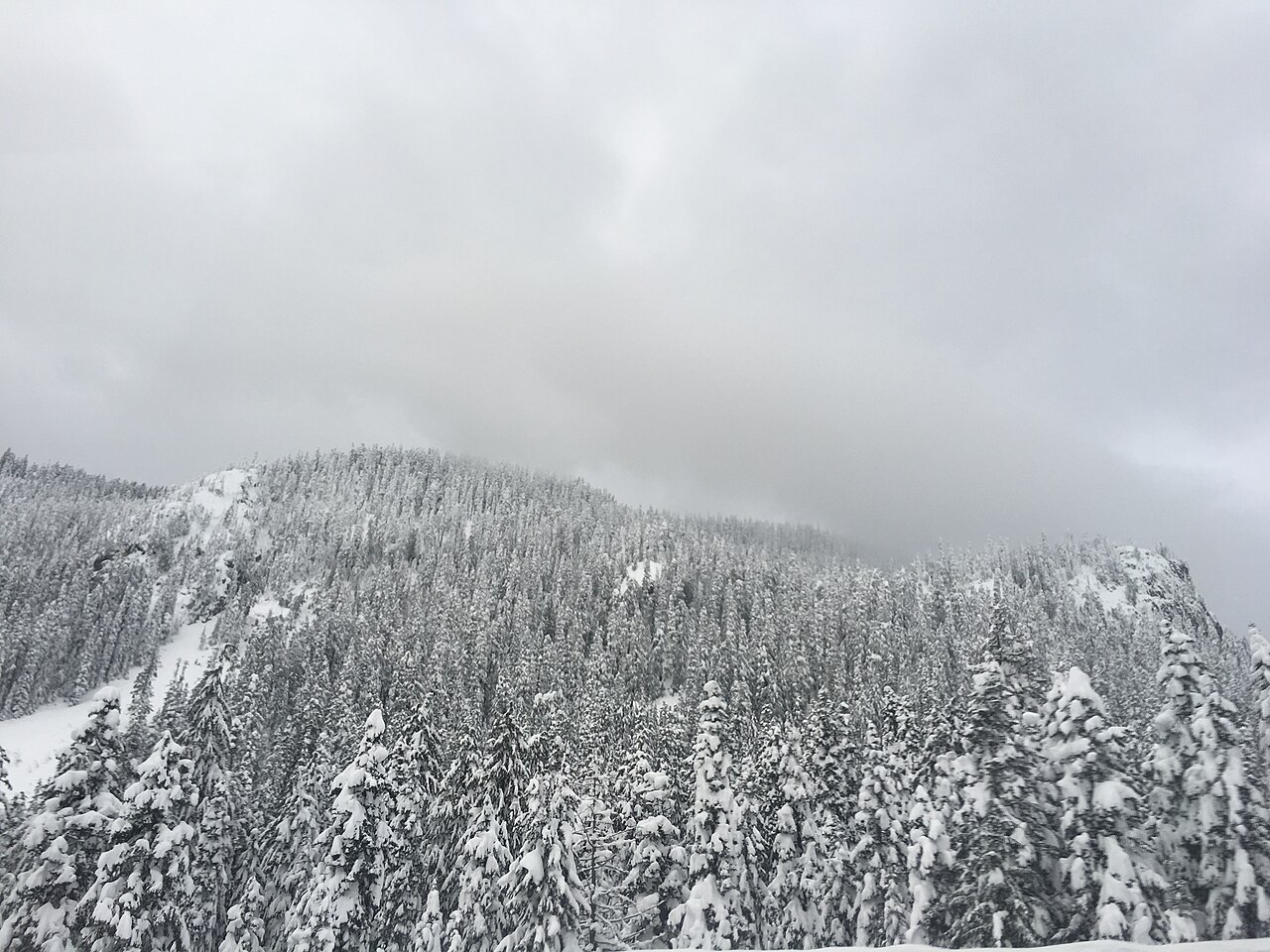
Winter is the most iconic season at Snoqualmie Pass, drawing thousands of visitors from the Seattle metro area to its four distinct ski areas. During these months, the pass transforms into a hub for downhill skiing, snowboarding, and snowshoeing. The weather is typically cold and wet, often resulting in heavy, dense snow known locally as 'Cascade Concrete.' This type of snow is excellent for building a durable base but requires strong legs for maneuvering.
If you plan to visit during this peak window, prepare for occasional road closures on I-90 during heavy storms while crews perform avalanche control. Weekends are exceptionally busy, so arriving early is essential to secure a parking spot near the base areas. For a quieter experience, midweek visits offer shorter lift lines and a more serene atmosphere in the surrounding Wenatchee National Forest. Always check the Washington State Department of Transportation website for real-time traction requirements and pass conditions before heading up the mountain.
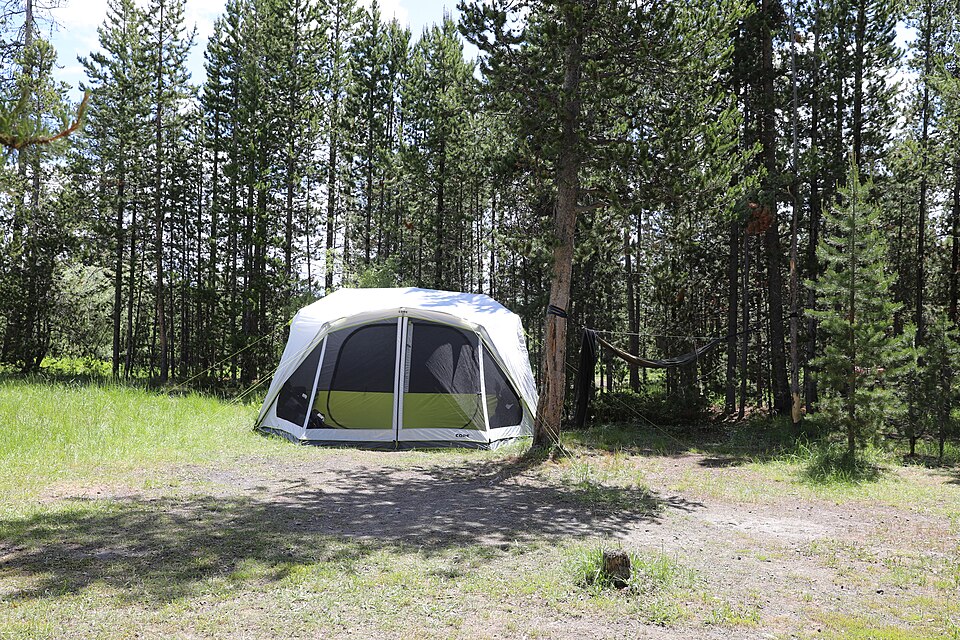
Lock in a stay for this season
RV parks near Snoqualmie Pass on RoverPass
Partner link · RoverPass
Summer Alpine Magic: July through September
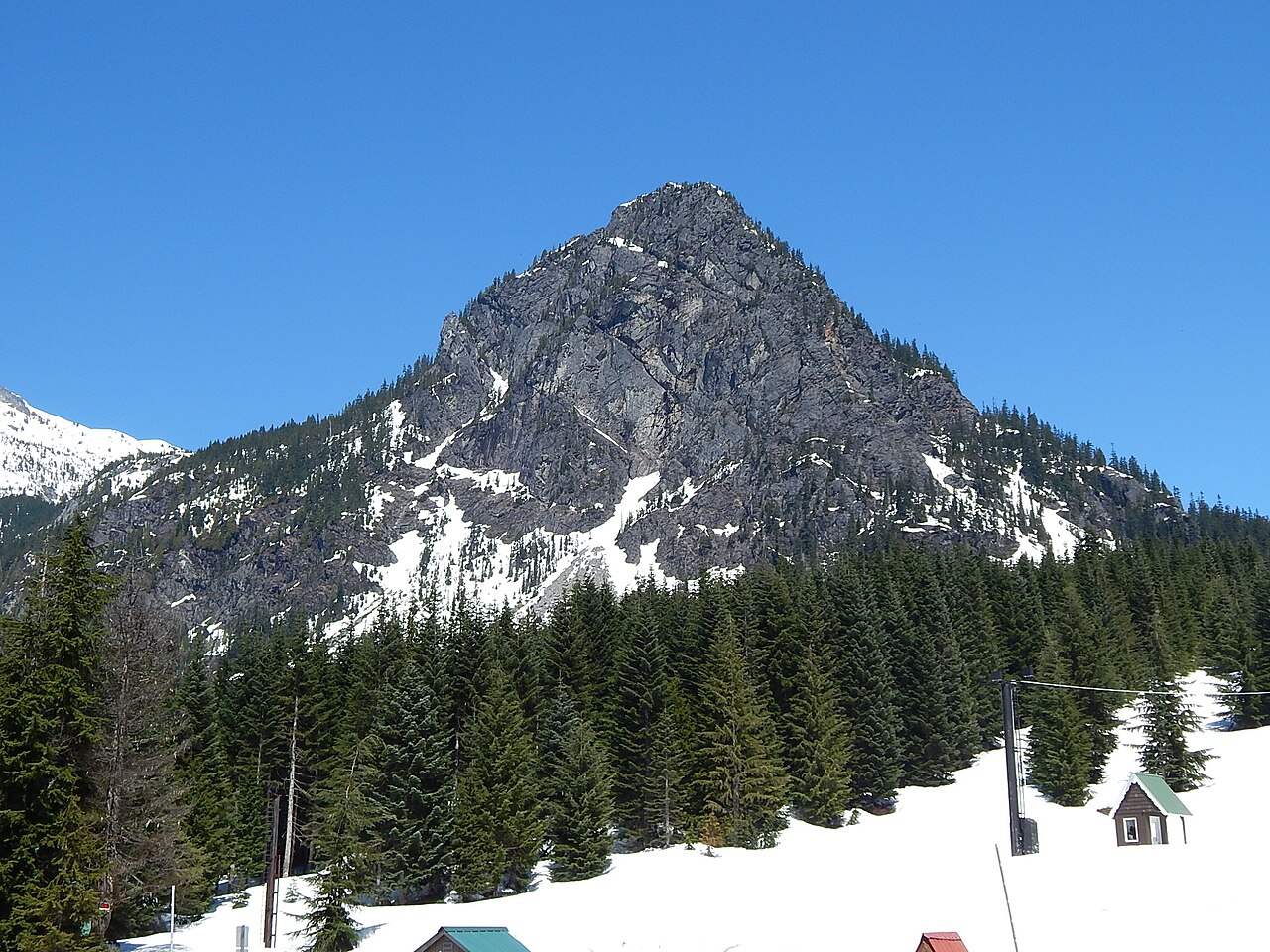
As the snowpack melts away by late June, a different landscape emerges. The best time to visit Snoqualmie Pass for hiking is during the mid-to-late summer when the alpine trails are finally clear of snow. July and August bring vibrant wildflower displays to the meadows of Gold Creek Pond and the high ridges along the Pacific Crest Trail. The temperatures are significantly cooler than the valleys below, making it a perfect escape during regional heatwaves.
During this season, you can enjoy long daylight hours for challenging peak-bagging adventures or leisurely lakeside picnics. The humidity is low, and the skies are often a brilliant, clear blue, providing unobstructed views of Mt. Rainier to the south. However, bugs can be prevalent in early July, so bring appropriate protection. By September, the mosquitoes fade, and the huckleberry bushes turn brilliant shades of red and gold, signaling the brief but beautiful transition into autumn.
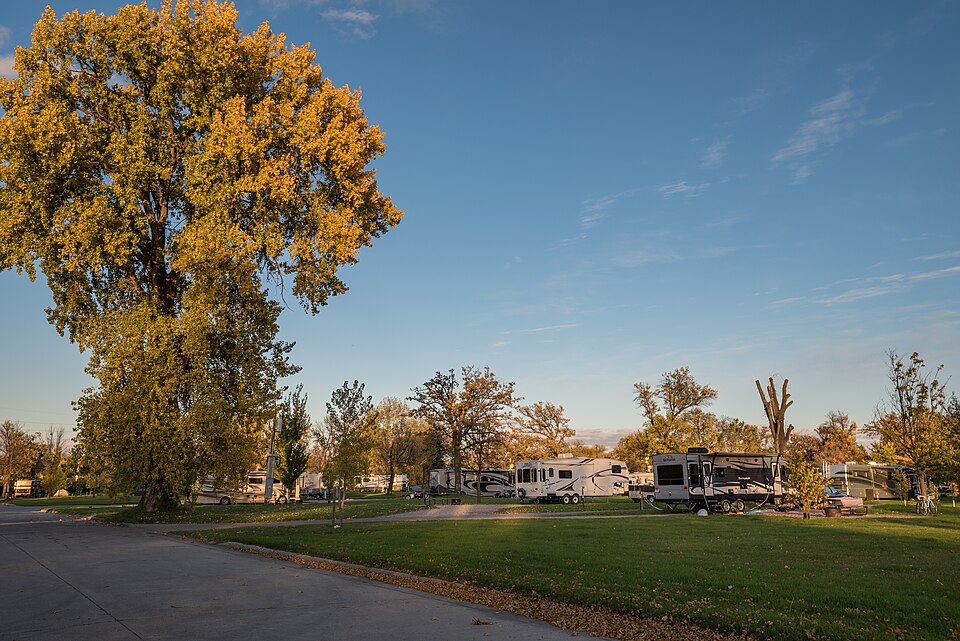
Lock in a stay for this season
Campsites near Snoqualmie Pass on Campspot
Partner link · Campspot
Navigating the Shoulder Seasons
The shoulder seasons of spring (April to June) and fall (October to November) are periods of rapid transition at the pass. In the spring, you may find yourself 'between seasons,' where the snow is too slushy for good skiing but still too deep for hiking without specialized gear. This is a time for lower-elevation walks near North Bend or witnessing the powerful runoff of Snoqualmie Falls just down the road.
Autumn is a short-lived but spectacular window. The larch trees and huckleberries provide a pop of color, and the air turns crisp. However, early season snowstorms can arrive as early as mid-October, potentially catching unprepared hikers off guard. If you visit during these months, flexibility is key. You might experience four seasons in a single day, so dressing in synthetic layers and carrying the ten essentials is mandatory for any outdoor foray into the backcountry. The crowds are much thinner now, offering a sense of solitude that is hard to find in the height of summer.
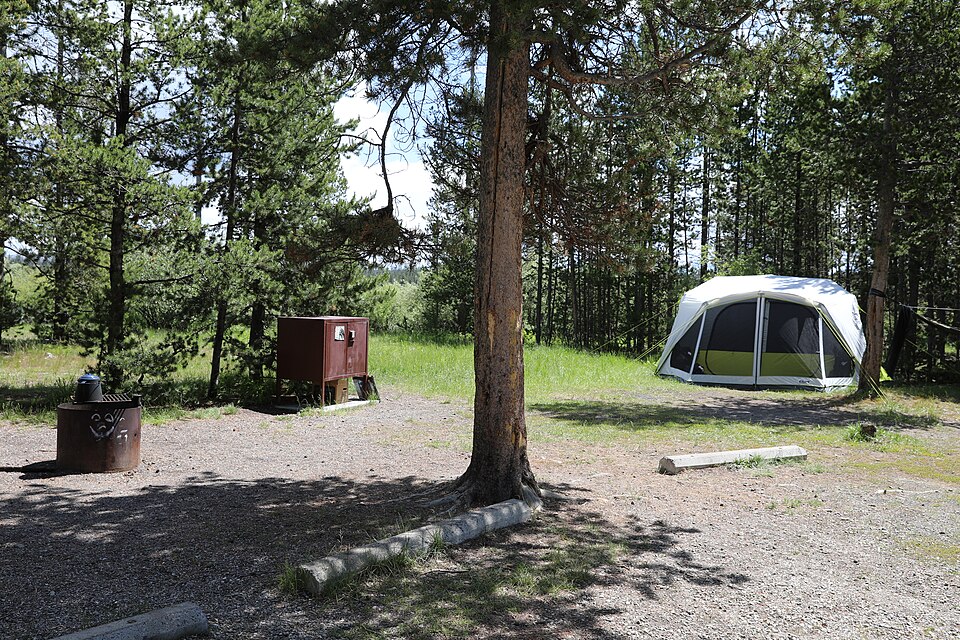
Lock in a stay for this season
Harvest Hosts stays on the way to Snoqualmie Pass
Partner link · Harvest Hosts
Crowd Mitigation and Weekday Travel
Given its proximity to major population centers like Seattle and Bellevue, Snoqualmie Pass experiences significant congestion on Saturdays and Sundays year-round. To enjoy the best experience, aim for Tuesday through Thursday visits. During the winter, night skiing is a popular way to avoid the midday rush, as the slopes are illuminated under powerful floodlights.
If a weekend is your only option, plan to arrive at trailheads or ski area parking lots by 7:30 AM. By midday, parking lots are often at capacity, and traffic on I-90 can back up for miles during the Sunday afternoon return trek toward the city. For those visiting in the summer, choosing less-frequented trails on the eastern side of the pass, closer to Cle Elum, can provide a more relaxed environment away from the heavy foot traffic of the main interstate corridor. Remember that many parking areas require a Northwest Forest Pass or a Discover Pass, which should be purchased in advance to avoid delays.
Weather Patterns and Reservation Logistics
Weather at 3,000 feet can be drastically different from the coastal lowlands. Even in summer, evening temperatures can drop into the 40s, and sudden thunderstorms are common in the afternoons. Always consult the National Weather Service mountain forecasts specifically for the pass rather than general regional weather.
Regarding logistics, winter recreation often requires pre-booked lift tickets or tubing sessions, as daily capacities are frequently reached. For summer camping, reservations for popular spots like Denny Creek or Kachess Lake open months in advance on recreation.gov and fill up within minutes of release. If you missed a reservation window, look for dispersed camping opportunities in the surrounding National Forest, but ensure you are following all Fire Stage restrictions, which are common in late summer. Being prepared for the elements and securing your permits early ensures that your focus remains on the stunning Cascade scenery rather than logistical headaches.
More ways to book Snoqualmie Pass
 Illustrative · Ewkada
Pacific Crest Trail Access
One of the classic ways to experience Snoqualmie Pass.
Varies (estimate)
Partner link · Viator