
Sleeping Bear Dunes National Lakeshore offers a diverse range of activities that go far beyond just standing atop a sand pile. Spanning 35 miles of Lake Michigan's eastern coastline, the park features massive glacial dunes, lush maple forests, and crystal-clear rivers perfect for family adventures. Whether you are looking for a physical challenge or a leisurely drive with world-class views, there is something here for every pace. Be sure to visit the Philip A. Hart Visitor Center in Empire first to get maps and check the daily schedule for ranger-led programs.
Conquering the Dune Climb
The Dune Climb is perhaps the most iconic activity in the park. Located off M-109, this massive wall of sand invites visitors of all ages to test their stamina. The initial climb is steep and rewarding, offering a view of Glen Lake behind you once you reach the top. For the truly adventurous, you can continue hiking past the first ridge all the way to Lake Michigan. This is a strenuous four-mile round trip over rolling dunes that can take three to four hours.
It is vital to bring plenty of water and wear footwear, as the sand can reach scorching temperatures in the summer sun. If you make it to the lake, the sight of the turquoise water is breathtaking, but remember that you have to hike all the way back over the same soft sand. For those with children, simply running down the first hill is a highlight of any Michigan vacation. There are picnic tables and modern restrooms at the base, making it a great hub for a morning excursion.
Scenic Drives and Iconic Overlooks
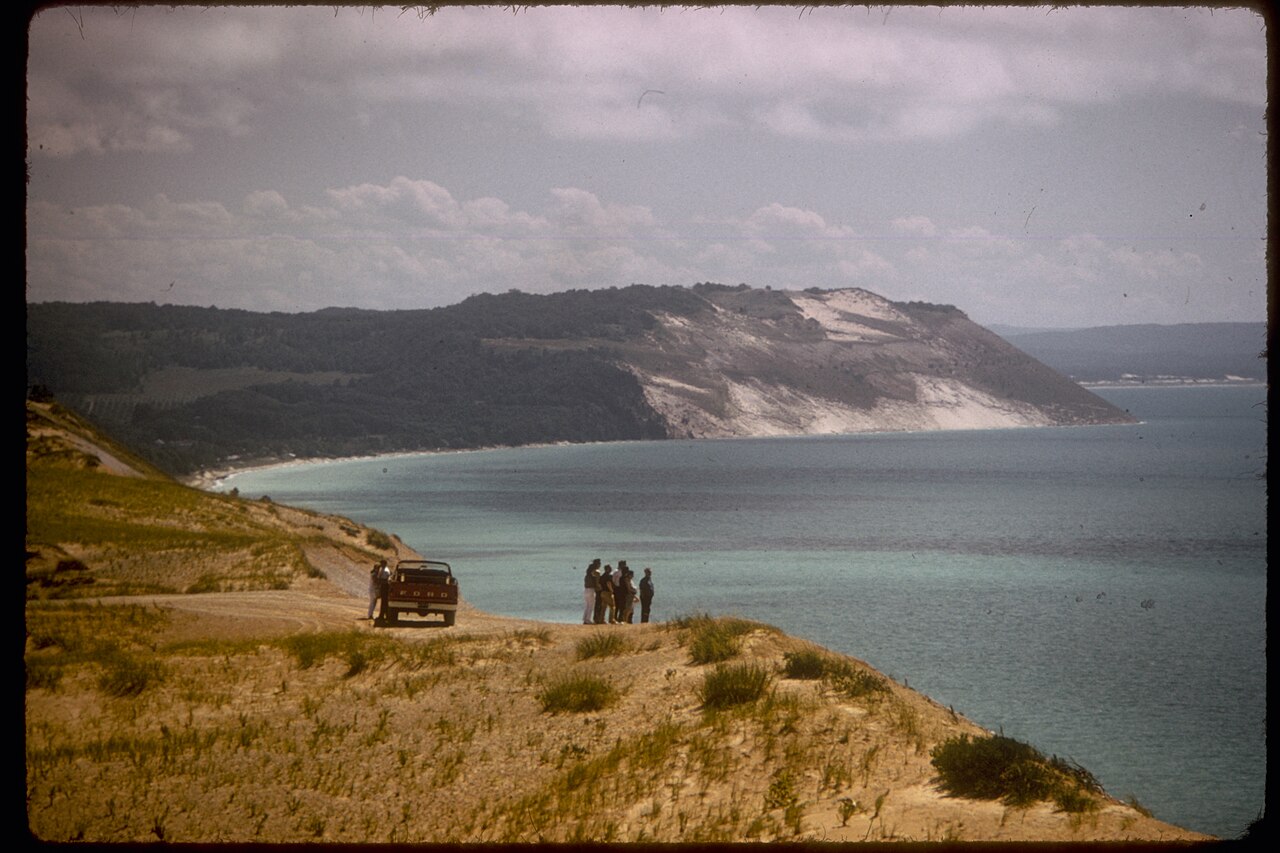
If you prefer to see the sights from the comfort of your vehicle, the Pierce Stocking Scenic Drive is a must. This 7.4-mile loop features 12 designated stops that showcase the area's geology and history. The highlight of the drive is Stop 9 and 10, the Lake Michigan Overlook, perched 450 feet above the water. The view here is dizzying and spectacular, especially at sunset when the sky turns brilliant shades of pink and orange.
Along the route, you will also pass through a covered bridge and see views of the Glen Lakes and the Sleeping Bear Plateau. The drive is paved and well-maintained, but it is steep in sections, so larger RVs should check length restrictions. Take your time at the interpretive stops to learn about the legend of the sleeping bear and the glacial forces that shaped this unique landscape. During the peak of autumn, this drive becomes a tunnel of vibrant color, making it one of the most photographed spots in the entire Midwest.
Hiking the Bluffs and Forests
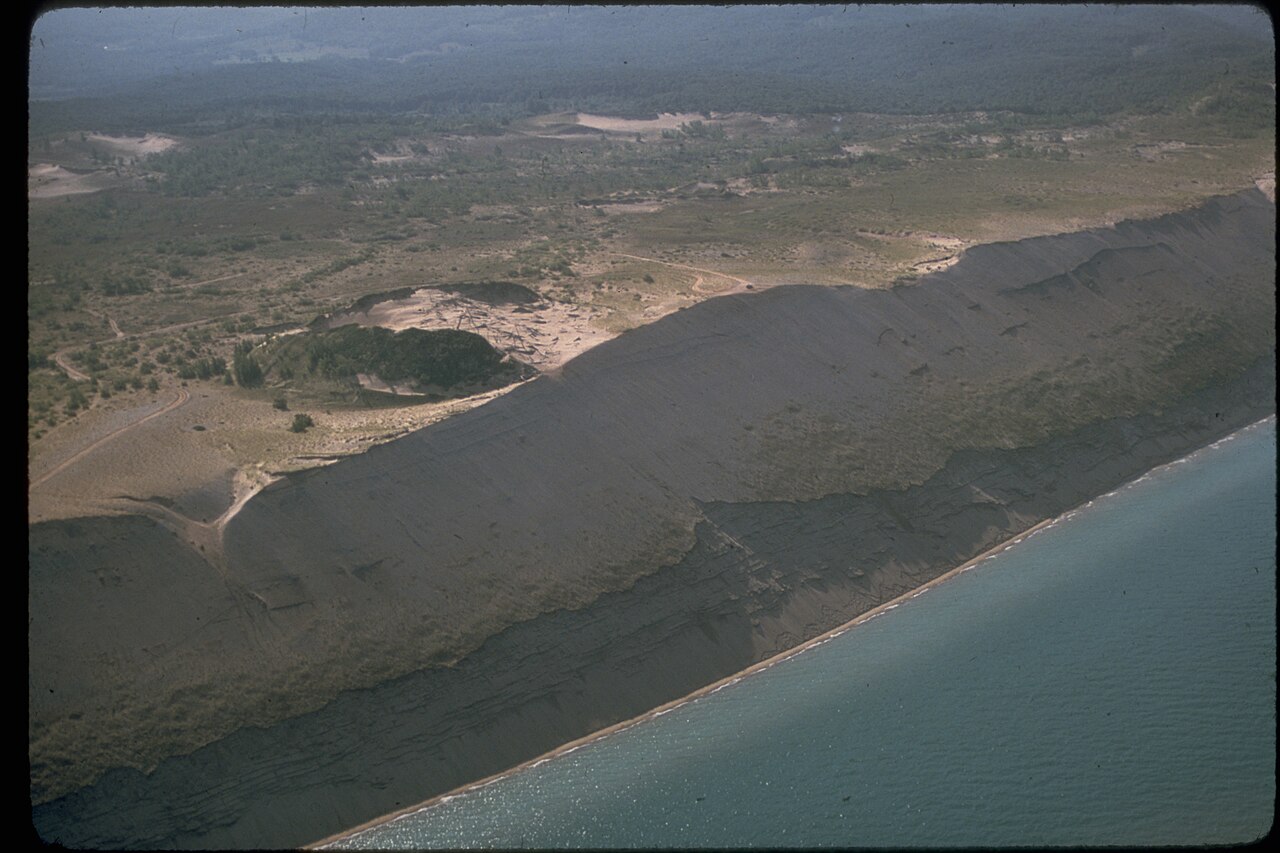
Beyond the dunes, the park offers over 100 miles of hiking trails that wind through varied ecosystems. The Empire Bluff Trail is a favorite for its high reward-to-effort ratio; a relatively easy 1.5-mile round trip lead to a wooden boardwalk overlooking the lake. For a deeper woods experience, Alligator Hill offers several loops with views of the Manitou Islands and the historic D.H. Day farm.
If you are looking for solitude, the Sleeping Bear Point Trail takes you through a 'ghost forest' of cedar trees buried and then uncovered by shifting sands. Hikers should be prepared for varying terrain, from flat forest paths to soft sand inclines. Wildlife sightings are common, including white-tailed deer, porcupines, and a wide variety of songbirds. Always stay on marked trails to protect the fragile dune grass, which plays a critical role in preventing erosion. Many trails also allow leashed pets, but check specific trail signs as some beach areas are restricted during piping plover nesting season.
Water Adventures and River Trips
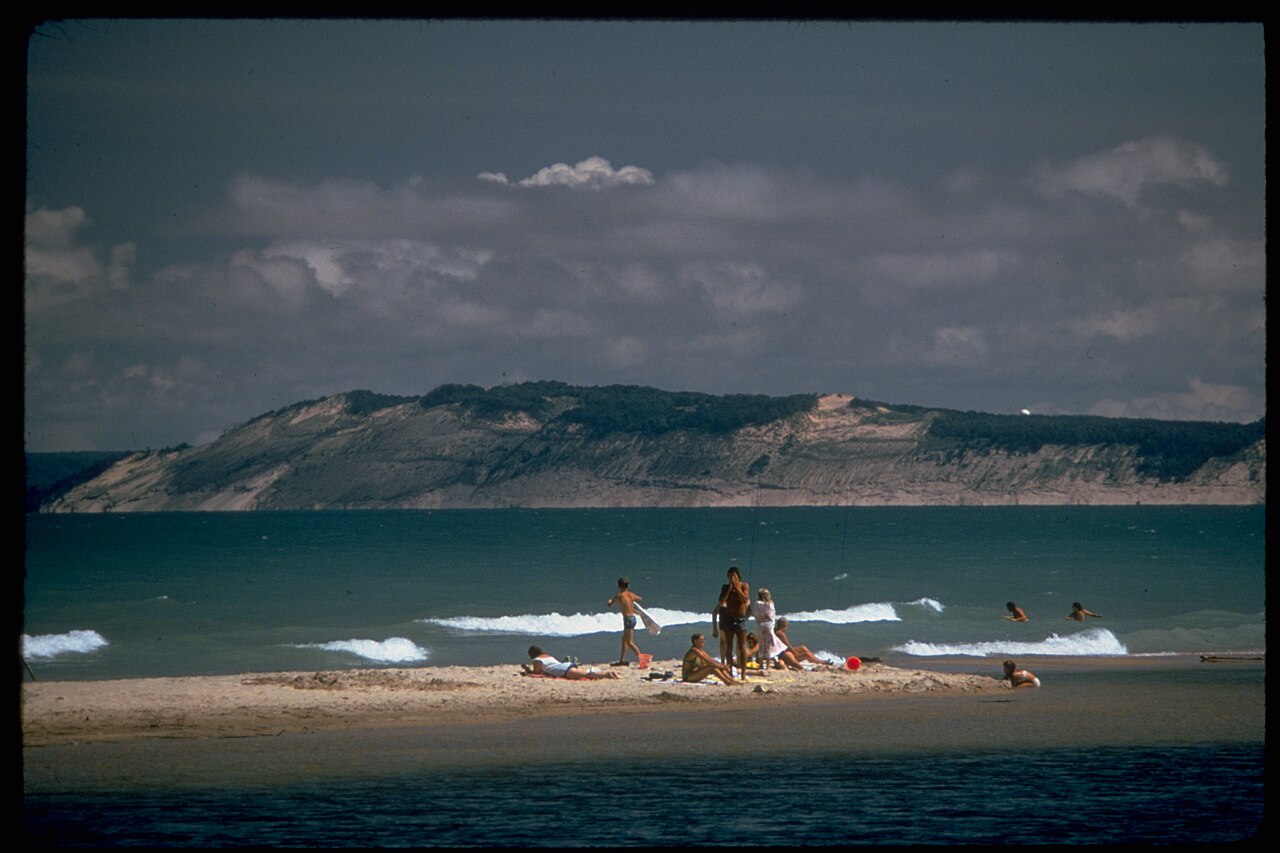
The water is a central part of the Sleeping Bear experience. The Crystal River and the Platte River offer gentle paddling opportunities perfect for kayaks, canoes, or tubes. The Platte River is particularly popular for families, as it is shallow, clear, and ends at a beautiful beach where the river meets Lake Michigan. Floating down the river takes about two to three hours and is a relaxing way to see turtles and fish in their natural habitat.
For those who prefer the big lake, the beaches at Esch Road or Peterson Road offer plenty of space for sunbathing and swimming. The water can be chilly, but on a hot July day, it is incredibly refreshing. If you are an experienced boater, you can take the ferry from Leland to North or South Manitou Island for a day trip or overnight backpacking. These islands offer a true wilderness experience, including giant cedars, a historic lighthouse, and shipwreck remains visible from the shore.
Rainy Day and Family Activities
Even if the weather doesn't cooperate, there are ways to enjoy the area. The Philip A. Hart Visitor Center features high-quality exhibits on the park's natural history and a short film that explains the geological formation of the dunes. Just a short drive away, the historic Sleeping Bear Point Life-Saving Station functions as a maritime museum, where you can learn about the brave crews who rescued sailors from Lake Michigan storms.
In the nearby town of Glen Arbor, you can browse local galleries or visit the famous cherry shops that celebrate Michigan's most iconic fruit. Kids will enjoy the small parks and ice cream shops scattered throughout the gateway communities. For a unique indoor experience, explore the Port Oneida Historic Agricultural District, which contains a collection of preserved farmsteads that tell the story of the area's early settlers. While the outdoors are the main draw, the cultural history of the region is deeply intertwined with the landscape and worth a day of exploration if the clouds roll in.